Ani Kalayjian – författare
Visar alla böcker från författaren Ani Kalayjian. Handla med fri frakt och snabb leverans.
4 produkter
4 produkter
E-bok
PDF, Engelska, 20091 236 kr
Läs direkt efter köp
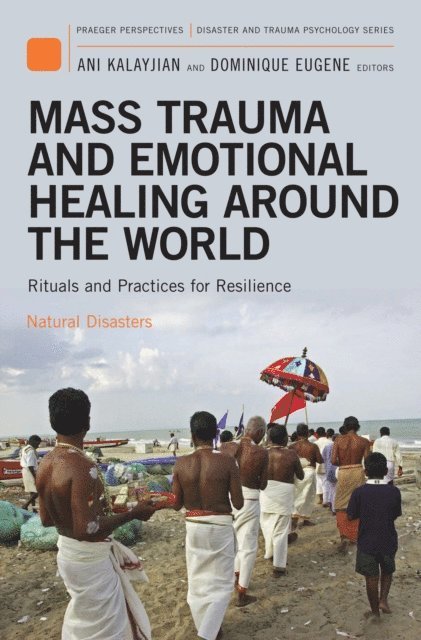
A remarkable team of expert authors provide firsthand accounts from survivors of disasters around the globe, helping readers to understand the impact of trauma as well as interventions to heal.Around the world, scores of those who survive disasters have demonstrated a remarkable resilience that enables them to live happy, productive lives. Mass Trauma and Emotional Healing around the World: Rituals and Practices for Resilience and Meaning-Making documents the unique yet universal reaction to traumatic events and sets the agenda for future development of therapeutic interventions research and theory. An integrative approach to rituals and healing methods is highlighted to address and help prevent human-made traumas and prepare generations to cope with natural disasters in a more effective way.Chapters focus on rituals and practices for resilience after mass trauma, showing, among other findings, that storytelling, music, humor, and a belief in fate help people survive disasters worldwide.
Inbunden, Engelska, 2009
1 061 kr
Skickas inom 10-15 vardagar
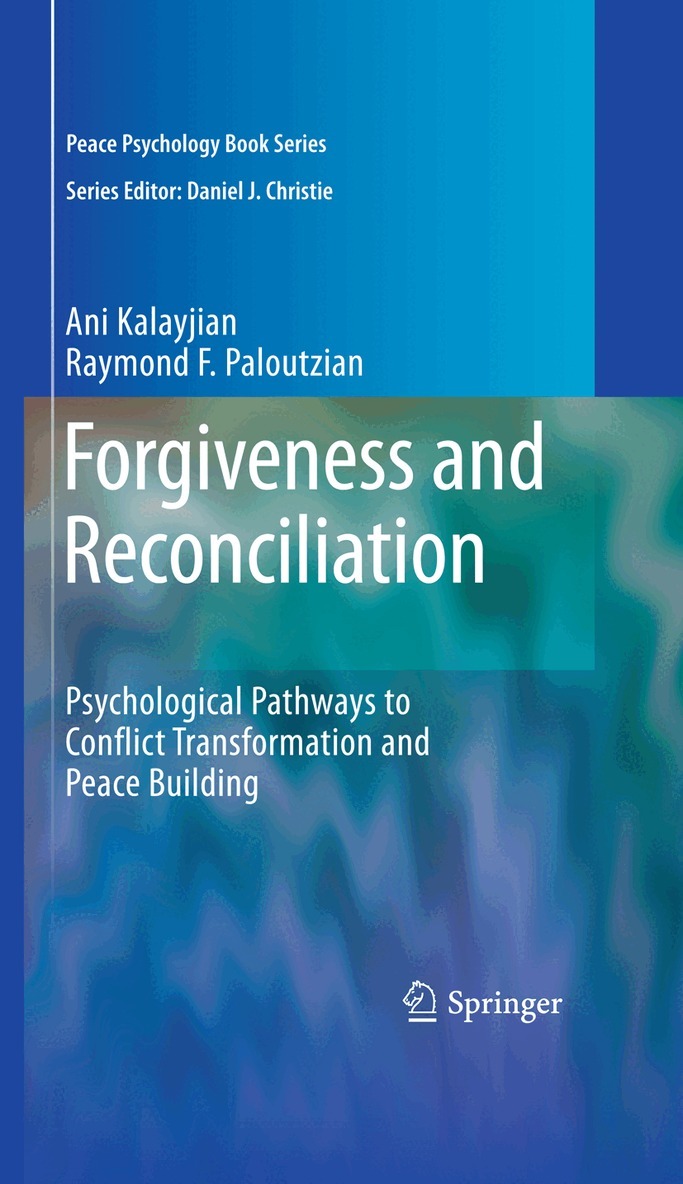
We all long for peace within ourselves, families, communities, countries, and throughout the world. We wonder what we can do about the multitude of con?icts currently wreaking havoc across the globe and the continuous reports of violence in communities as well as within families. Most of the time, we contemplate solutions beyond our reach, and overlook a powerful tool that is at our disposal: forgiveness. As a genocide survivor, I know something about it. As the genocide unfolded in Rwanda in 1994, I was devastated by what I believed to be the inevitable deaths of my loved ones. The news that my parents and my seven siblings had indeed been killed was simply unbearable. Anger and bitterness became my daily companions. Likewise, I continued to wonder how the Hutus and Tutsis in Rwanda could possibly reconcile after one of the most horrendous genocides of the 20th century. It was not until I came to understand the notion of forgiveness that I was able to see the light at the end of the tunnel. Common wisdom suggests that forgiveness comes after a perpetrator makes a genuine apology. This wisdom informs us that in the aftermath of a wrongdoing, the offender must acknowledge the wrong he or she has done, express remorse, express an apology, commit to never repeating said harm, and make reparations to theextentpossible.Onlythencanthevictimforgiveandagreetoneverseekrevenge.
E-bok
PDF, Engelska, 2009668 kr
Läs direkt efter köp
We all long for peace within ourselves, families, communities, countries, and throughout the world. We wonder what we can do about the multitude of con?icts currently wreaking havoc across the globe and the continuous reports of violence in communities as well as within families. Most of the time, we contemplate solutions beyond our reach, and overlook a powerful tool that is at our disposal: forgiveness. As a genocide survivor, I know something about it. As the genocide unfolded in Rwanda in 1994, I was devastated by what I believed to be the inevitable deaths of my loved ones. The news that my parents and my seven siblings had indeed been killed was simply unbearable. Anger and bitterness became my daily companions. Likewise, I continued to wonder how the Hutus and Tutsis in Rwanda could possibly reconcile after one of the most horrendous genocides of the 20th century. It was not until I came to understand the notion of forgiveness that I was able to see the light at the end of the tunnel. Common wisdom suggests that forgiveness comes after a perpetrator makes a genuine apology. This wisdom informs us that in the aftermath of a wrongdoing, the offender must acknowledge the wrong he or she has done, express remorse, express an apology, commit to never repeating said harm, and make reparations to theextentpossible.Onlythencanthevictimforgiveandagreetoneverseekrevenge.
Häftad, Engelska, 2010
534 kr
Skickas inom 10-15 vardagar
We all long for peace within ourselves, families, communities, countries, and throughout the world. We wonder what we can do about the multitude of con?icts currently wreaking havoc across the globe and the continuous reports of violence in communities as well as within families. Most of the time, we contemplate solutions beyond our reach, and overlook a powerful tool that is at our disposal: forgiveness. As a genocide survivor, I know something about it. As the genocide unfolded in Rwanda in 1994, I was devastated by what I believed to be the inevitable deaths of my loved ones. The news that my parents and my seven siblings had indeed been killed was simply unbearable. Anger and bitterness became my daily companions. Likewise, I continued to wonder how the Hutus and Tutsis in Rwanda could possibly reconcile after one of the most horrendous genocides of the 20th century. It was not until I came to understand the notion of forgiveness that I was able to see the light at the end of the tunnel. Common wisdom suggests that forgiveness comes after a perpetrator makes a genuine apology. This wisdom informs us that in the aftermath of a wrongdoing, the offender must acknowledge the wrong he or she has done, express remorse, express an apology, commit to never repeating said harm, and make reparations to theextentpossible.Onlythencanthevictimforgiveandagreetoneverseekrevenge.