Anikó Imre – författare
Visar alla böcker från författaren Anikó Imre. Handla med fri frakt och snabb leverans.
13 produkter
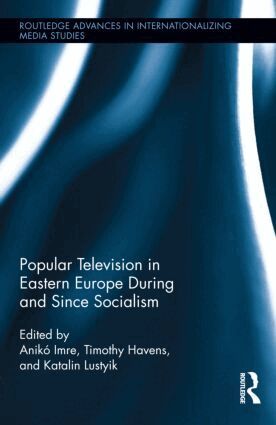
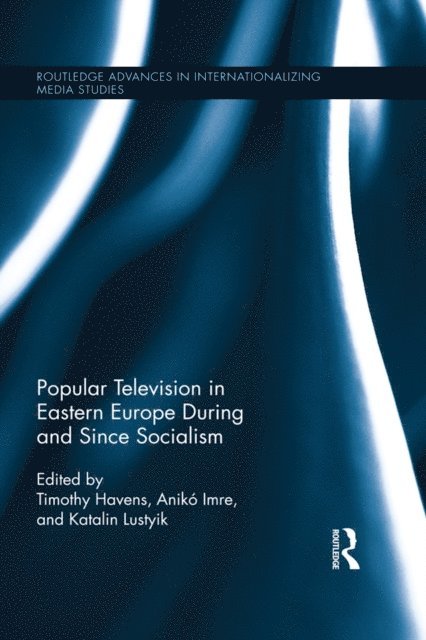
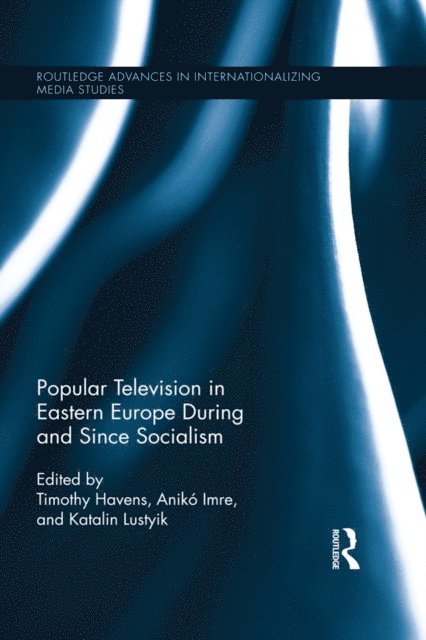
Popular Television in Eastern Europe During and Since Socialism
Av Timothy Havens, Anikó Imre m. fl.
Inbunden, 2012
2749 kr
Lägg i varukorg
This collection of essays responds to the recent surge of interest in popular television in Eastern Europe. This is a region where television's transformation has been especially spectacular, shifting from a state-controlled broadcast system delivering national, regional, and heavily filtered …
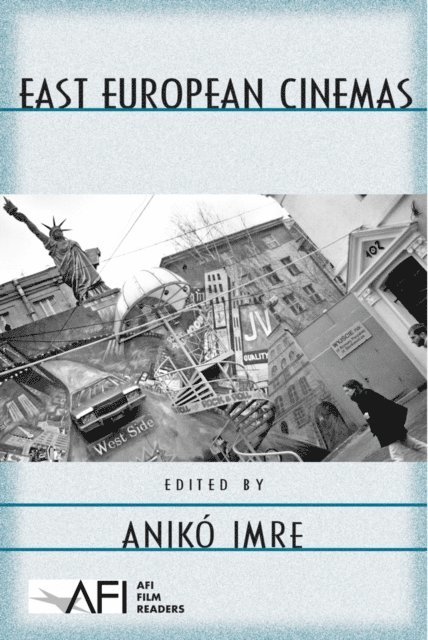
East European Cinemas
Av Anikó Imre
Inbunden, 2005
2671 kr
Lägg i varukorg
Eastern Europe has produced rich and varied film cultures--Czech, Hungarian, and Serbian among them-whose histories have been intimately tied to the transition from Soviet domination to the complexities of post-Communist life. This latest volume in the AFI Film Readers series presents a …
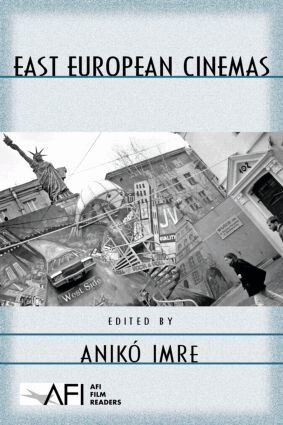
East European Cinemas
Av Anikó Imre
Häftad, 2005
658 kr
Lägg i varukorg
Eastern Europe has produced rich and varied film cultures--Czech, Hungarian, and Serbian among them-whose histories have been intimately tied to the transition from Soviet domination to the complexities of post-Communist life. This latest volume in the AFI Film Readers series presents a …
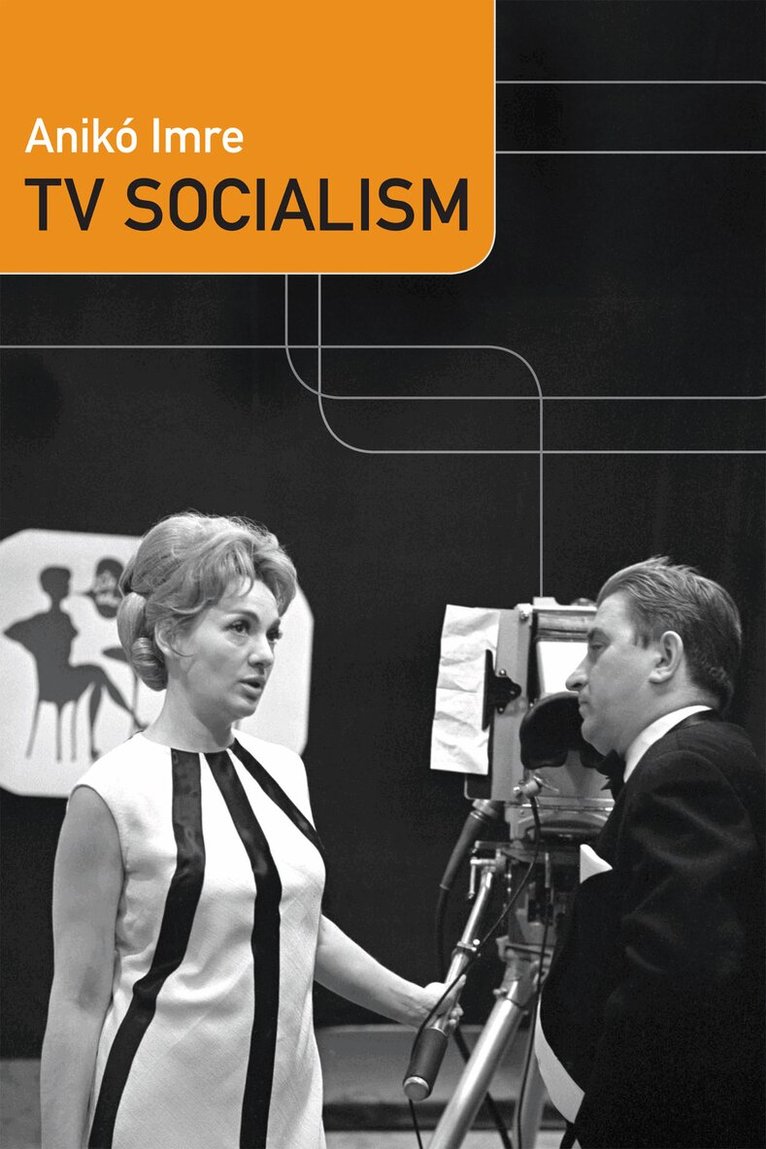
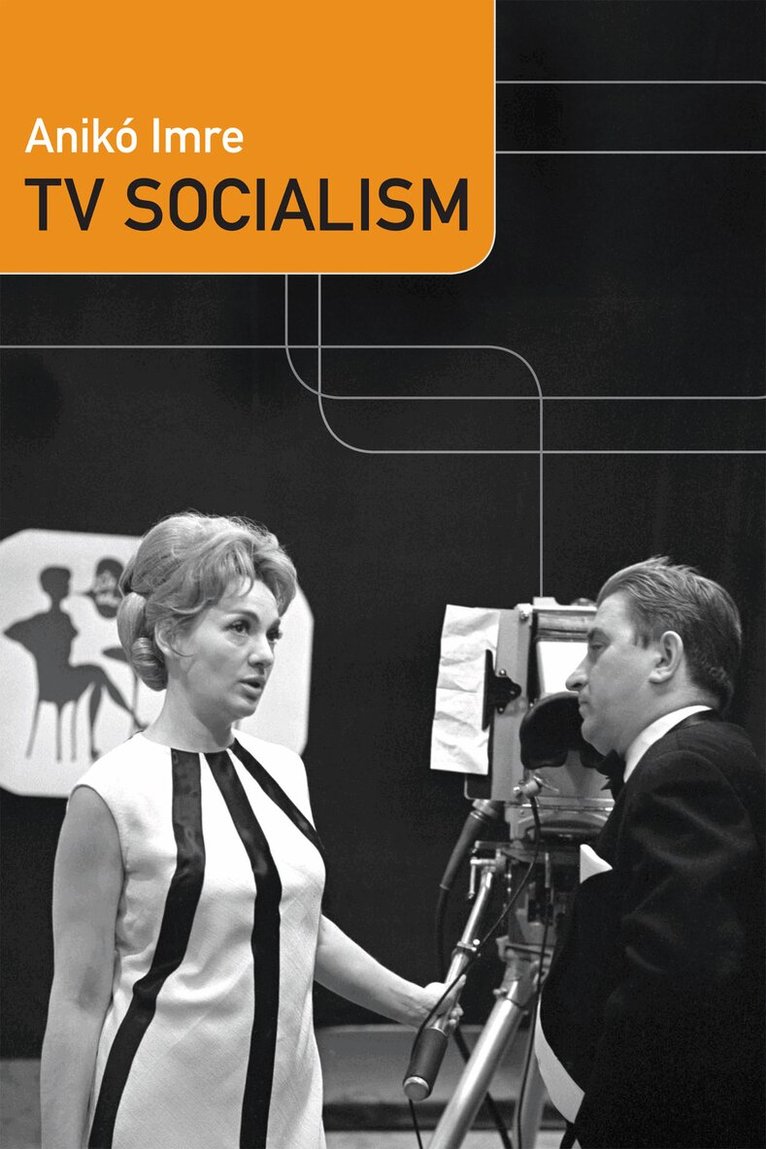
TV Socialism
Av Anikó Imre
Inbunden, 2016
1364 kr
Lägg i varukorg
In TV Socialism, AnikÓ Imre provides an innovative history of television in socialist Europe during and after the Cold War. Rather than uniform propaganda programming, Imre finds rich evidence of hybrid aesthetic and economic practices, including frequent exchanges within the region and with …
TV Socialism
Av Anikó Imre
Häftad, 2016
397 kr
Lägg i varukorg
In TV Socialism, AnikÓ Imre provides an innovative history of television in socialist Europe during and after the Cold War. Rather than uniform propaganda programming, Imre finds rich evidence of hybrid aesthetic and economic practices, including frequent exchanges within the region and with …
TV Socialism
Av Aniko Imre
E-bok, 2016
587 kr
Lägg i varukorg
In TV Socialism , Anikó Imre provides an innovative history of television in socialist Europe during and after the Cold War. Rather than uniform propaganda programming, Imre finds rich evidence of hybrid aesthetic and economic practices, including frequent exchanges within the region and with …
East European Cinemas
Av Aniko Imre
E-bok, 2005
712 kr
Lägg i varukorg
Eastern Europe has produced rich and varied film cultures--Czech, Hungarian, and Serbian among them-whose histories have been intimately tied to the transition from Soviet domination to the complexities of post-Communist life. This latest volume in the AFI Film Readers series presents a …
East European Cinemas
Av Aniko Imre
E-bok, 2005
727 kr
Lägg i varukorg
Eastern Europe has produced rich and varied film cultures--Czech, Hungarian, and Serbian among them-whose histories have been intimately tied to the transition from Soviet domination to the complexities of post-Communist life. This latest volume in the AFI Film Readers series presents a …
Popular Television in Eastern Europe During and Since Socialism
Av Katalin Lustyik, Aniko Imre m. fl.
E-bok, 2012
1043 kr
Lägg i varukorg
This collection of essays responds to the recent surge of interest in popular television in Eastern Europe. This is a region where television''s transformation has been especially spectacular, shifting from a state-controlled broadcast system delivering national, regional, and heavily filtered …
Popular Television in Eastern Europe During and Since Socialism
Av Katalin Lustyik, Aniko Imre m. fl.
E-bok, 2012
1066 kr
Lägg i varukorg
This collection of essays responds to the recent surge of interest in popular television in Eastern Europe. This is a region where television''s transformation has been especially spectacular, shifting from a state-controlled broadcast system delivering national, regional, and heavily filtered …
Popular Television in Eastern Europe During and Since Socialism
Av Timothy Havens, Anikó Imre m. fl.
Häftad, 2015
853 kr
Lägg i varukorg
This collection of essays responds to the recent surge of interest in popular television in Eastern Europe. This is a region where television's transformation has been especially spectacular, shifting from a state-controlled broadcast system delivering national, regional, and heavily filtered …
Companion to Eastern European Cinemas
Av Anikó Imre
Inbunden, 2012
748 kr
Lägg i varukorg
A Companion to Eastern European Cinemas showcases twenty-five essays written by established and emerging film scholars that trace the history of Eastern European cinemas and offer an up-to-date assessment of post-socialist film cultures. Showcases critical historical work and up-to-date assessments …
Off White
Central and Eastern Europe and the Global History of Race
Av Catherine Baker, Bogdan C. Iacob m. fl.
Inbunden, 2024
1380 kr
Lägg i varukorg
This volume foregrounds racial difference as a key to an alternative history of the Central and Eastern European region, which revolves around the role of whiteness as the unacknowledged foundation of semi-peripheral nation-states and national identities, and of the region’s current status as a …