Anja Bunzel - Böcker
Visar alla böcker från författaren Anja Bunzel. Handla med fri frakt och snabb leverans.
4 produkter
4 produkter
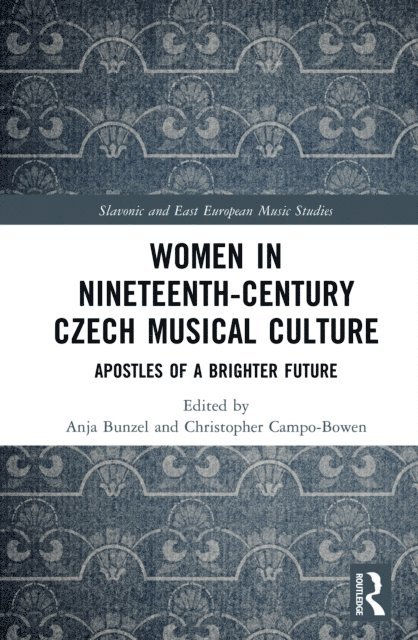
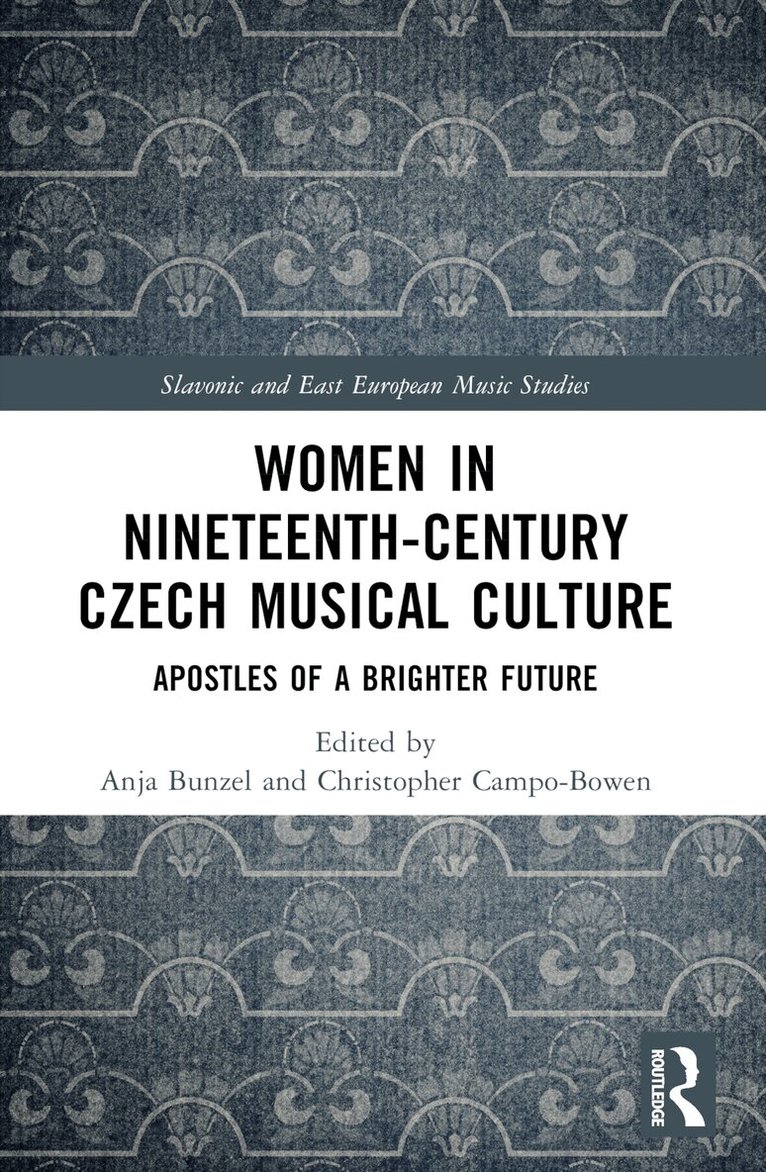
Women in Nineteenth-Century Czech Musical Culture
Apostles of a Brighter Future
Häftad, Engelska, 2025
649 kr
Skickas inom 10-15 vardagar
This volume focuses on the circumstances of women’s music-making in the vibrant and diverse environment of the Czech lands during the nineteenth century. It sheds light on little-known women musicians, while also considering more well-known works and composers from new woman-centric perspectives. It shows how the unique environment of Habsburg Central Europe, especially Bohemia and Lower Austria, intersects with gender to reveal hitherto unexplored networks that challenge the methodological nationalism of music studies as well as the discipline’s continued emphasis on singular canonical figures. The main areas of enquiry address aspects of performance and identity both within the Czech lands and abroad; women’s impact on social life with a view to different private, semiprivate, and public contexts and networks; and compositional aesthetics in musical works by and about women, analysed through the lens of piano works, song, choir music, and opera, always with the reception of these works in mind.
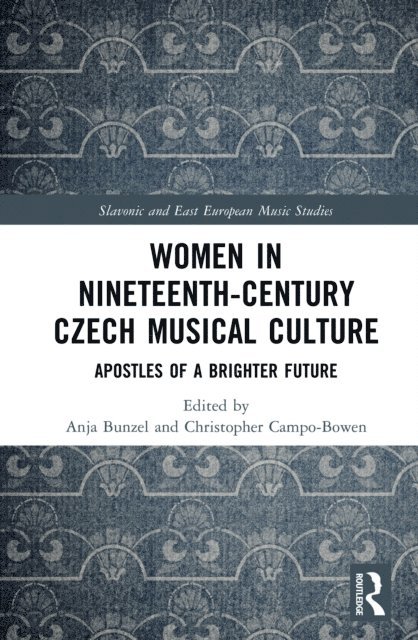
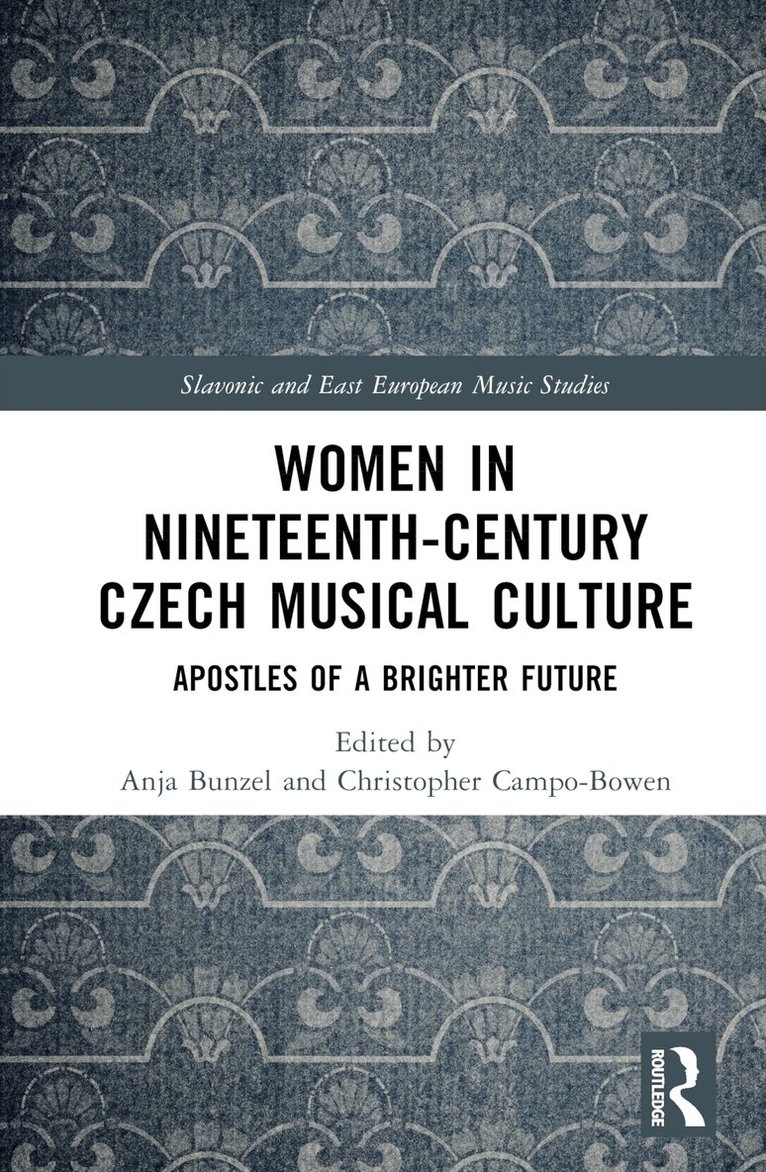
Women in Nineteenth-Century Czech Musical Culture
Apostles of a Brighter Future
Inbunden, Engelska, 2024
2 150 kr
Skickas inom 10-15 vardagar
This volume focuses on the circumstances of women’s music-making in the vibrant and diverse environment of the Czech lands during the nineteenth century. It sheds light on little-known women musicians, while also considering more well-known works and composers from new woman-centric perspectives. It shows how the unique environment of Habsburg Central Europe, especially Bohemia and Lower Austria, intersects with gender to reveal hitherto unexplored networks that challenge the methodological nationalism of music studies as well as the discipline’s continued emphasis on singular canonical figures. The main areas of enquiry address aspects of performance and identity both within the Czech lands and abroad; women’s impact on social life with a view to different private, semiprivate, and public contexts and networks; and compositional aesthetics in musical works by and about women, analysed through the lens of piano works, song, choir music, and opera, always with the reception of these works in mind.
1 195 kr
Skickas inom 7-10 vardagar
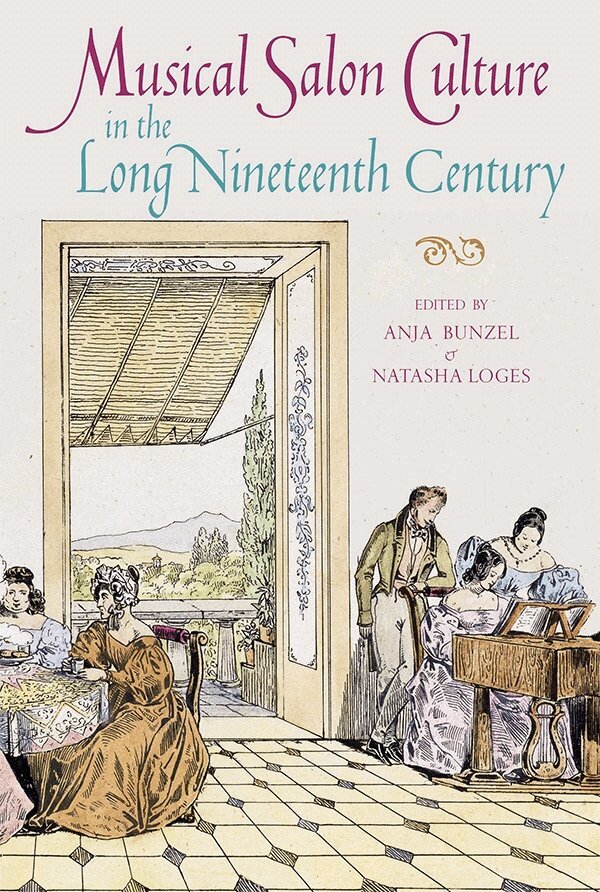
This book reconsiders the significance of the salon as a social and cultural phenomenon and as a source of artistic innovation and exchange in the long nineteenth century.This collection explores the idea of music in the salon during the long nineteenth century, both as a socio-cultural phenomenon, and as a source of artistic innovation and exchange. Drawing on a wide range of scholarly approaches,this book uses the idea of the salon as a springboard to examine issues such as gender, religion, biography and performance; to explore the ways in which the salon was represented in different media; and to showcase the heterogeneity of the salon through a selection of case studies. It offers fresh considerations of familiar salons in large cultural centres, as well as insights into lesser-known salons in both Europe and the United States. Bringing together an international group of scholars, the collection underscores the enduring impact of the European musical salon.ANJA BUNZEL holds a research position at the Czech Academy of Sciences. She gained her PhD in Musicology from Maynooth University and has published on Johanna Kinkel and nineteenth-century salon culture in both English and German. NATASHA LOGES is Head of Postgraduate Programmes at the Royal College of Music, London. Her publications include Brahms in the Home and the Concert Hall (Cambridge, 2014) and Brahms and his Poets (Boydell Press, 2017). She is a pianist, broadcaster and critic.Contributors: Maren Bagge, PéterBozó, Anja Bunzel, Katie A. Callam, Beatrix Darmstädter, Mary Anne Garnett, Harald Krebs, Clemens Kreutzfeldt, Veronika Kusz, Natasha Loges, Jennifer Ronyak, Kirsten Santos Rutschman, R. Larry Todd, Katharina Uhde, Michael Uhde, Harry White, Petra Wilhelmy-Dollinger, Susan Youens
1 720 kr
Skickas inom 5-8 vardagar
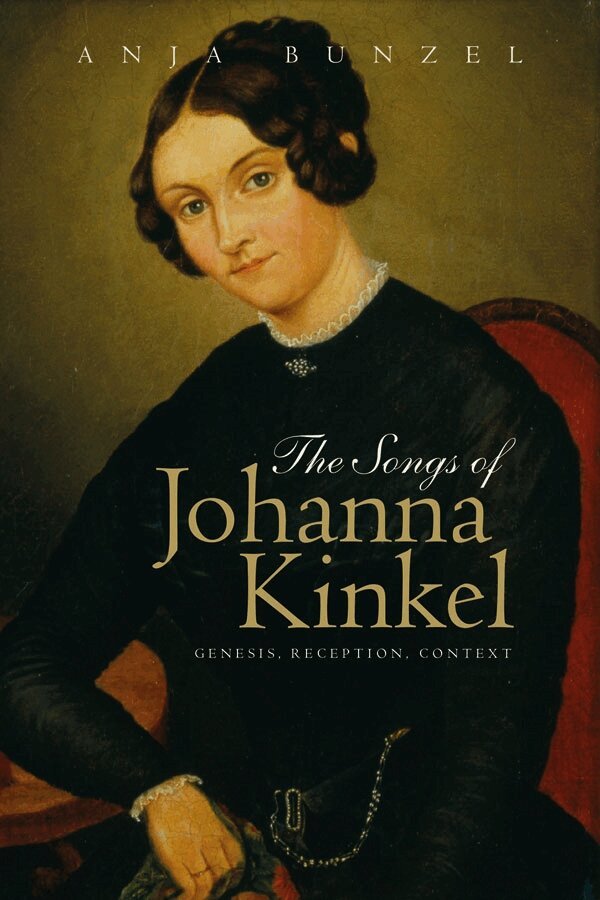
Drawing on a wealth of unpublished sources surrounding Kinkel, this book explores the extent to which Kinkel's Lieder reflect and transcend compositional-aesthetic, cultural, and socio-political facets typically associated with the first half of the nineteenth century.Johanna Kinkel (1810-1858) was a German composer, music pedagogue, pianist, poet, writer, and activist. This is the first study to offer an exhaustive examination of Kinkel's published songs through the lens of her extraordinary biography and reception. Throughout her life, Kinkel was strongly invested in traditional family and household duties. First married to a Catholic book seller, she successfully filed for divorce in 1840, converted to the Protestantfaith, and, in 1843, married the poet, professor, and revolutionary Gottfried Kinkel (1815-1882), with whom she had four children. Many of her love songs reveal a sense of emotional hardship and longing for support and recognition. Similar sentiments can also be traced in Kinkel's private letters. On the other hand, she challenged typical gender conventions of the time in these private correspondences, in her poetry, music, and writings, and through public socio-political participation. Her political songs to words by herself, by Gottfried Kinkel, and by some of their poet-friends draw on such themes as freedom and democracy and are anchored in the German democratic movement during the first half of the century. Furthermore, Kinkel treats in her songs such typical Romantic topoi as nature, loneliness, eternity, and night thoughts. Her compositional aesthetics range from simple strophic settings with straightforward harmony to more diverse harmonic progressions, rhythmic peculiarities, and complex musical interpretations of poetic Romantic irony.This book provides insights into the depth and width of Kinkel's song aesthetics and into her positioning within and between such domains as musical professionalism and amateurism and 'masculine' and 'feminine' musical styles. It argues that Kinkel's songs both reflect and transcend aesthetic, cultural,and socio-political facets typically associated with female composers of the first half of the nineteenth century, thus adding a new layer to our understanding of both the composer Johanna Kinkel and nineteenth-century song moregenerally.