Anjal Prakash – författare
601 kr
Skickas inom 10-15 vardagar
643 kr
Skickas inom 10-15 vardagar
643 kr
Skickas inom 10-15 vardagar
2 198 kr
Skickas inom 10-15 vardagar
2 198 kr
Skickas inom 10-15 vardagar
2 198 kr
Skickas inom 10-15 vardagar
2 198 kr
Skickas inom 10-15 vardagar
858 kr
Läs direkt efter köp
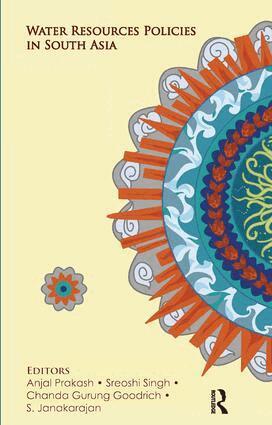
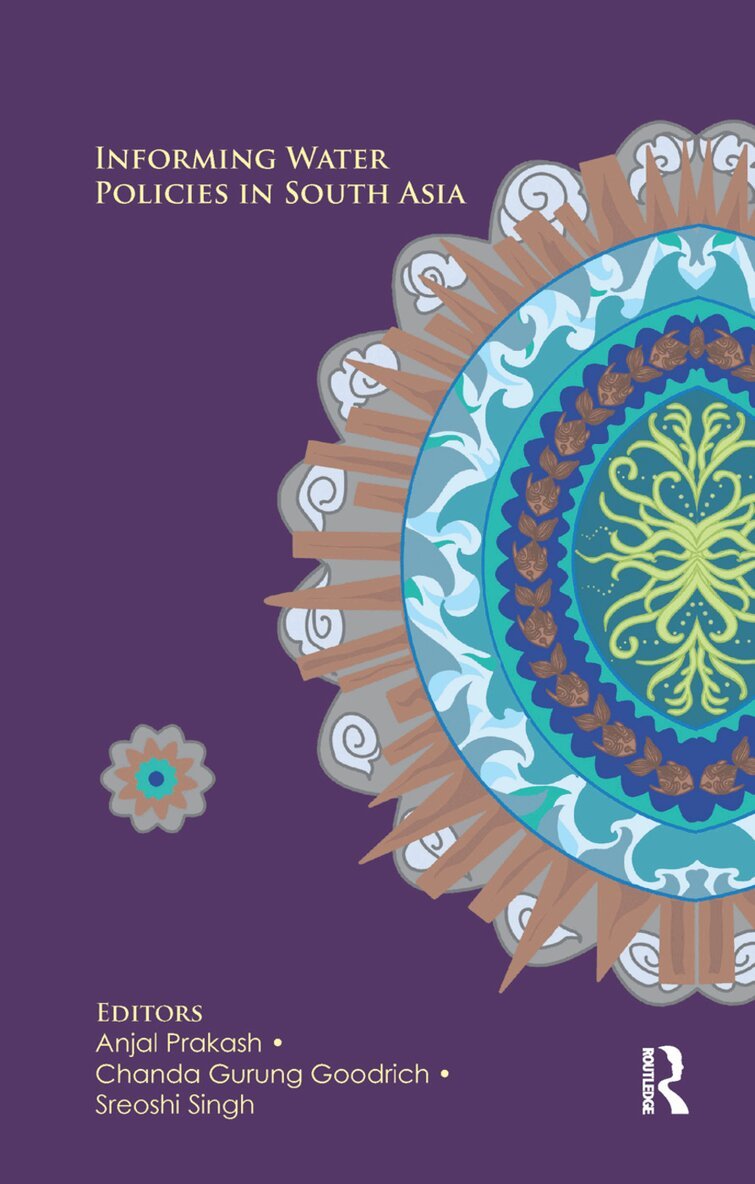
Falling or stagnant agricultural growth, increasing dependence on groundwater, climate variability, swift industrialization, and unplanned and unregulated urbanization in South Asia have spawned a variety of challenges for water resources governance, management and use: groundwater overdraft; insufficient, ill-managed and poor-quality freshwater supply vis-à-vis escalating demand; and water pollution. Water policies in each of the South Asian countries thus call for a more holistic understanding for the efficient management, equitable distribution and sustainable use of this scarce resource.
Analyzing the economic, demographic and ideological context in which water policies are framed and implemented, this book argues for an integrated framework in formulating and implementing water policies in South Asia. It also highlights some common missing links in the national policies: problems of techno-centric and blueprint approach to water management, growing influence of international donor agencies and inadequate concern for issues such as equity, sustainability, gender sensitivity, accountability, regional diversity in property rights regimes and water management practices, and regional conflicts over water access. The innovative and nuanced knowledge on water resources produced from detailed case studies in India, Bangladesh, Bhutan, Nepal, Pakistan and Sri Lanka will be useful for professionals, academics, policymakers and activists as well as those in development studies, environmental studies, natural resource management and public administration.
858 kr
Läs direkt efter köp
Falling or stagnant agricultural growth, increasing dependence on groundwater, climate variability, swift industrialization, and unplanned and unregulated urbanization in South Asia have spawned a variety of challenges for water resources governance, management and use: groundwater overdraft; insufficient, ill-managed and poor-quality freshwater supply vis-à-vis escalating demand; and water pollution. Water policies in each of the South Asian countries thus call for a more holistic understanding for the efficient management, equitable distribution and sustainable use of this scarce resource.
Analyzing the economic, demographic and ideological context in which water policies are framed and implemented, this book argues for an integrated framework in formulating and implementing water policies in South Asia. It also highlights some common missing links in the national policies: problems of techno-centric and blueprint approach to water management, growing influence of international donor agencies and inadequate concern for issues such as equity, sustainability, gender sensitivity, accountability, regional diversity in property rights regimes and water management practices, and regional conflicts over water access. The innovative and nuanced knowledge on water resources produced from detailed case studies in India, Bangladesh, Bhutan, Nepal, Pakistan and Sri Lanka will be useful for professionals, academics, policymakers and activists as well as those in development studies, environmental studies, natural resource management and public administration.
2 057 kr
Skickas inom 10-15 vardagar
558 kr
Skickas inom 10-15 vardagar
2 438 kr
Skickas inom 10-15 vardagar
629 kr
Skickas inom 10-15 vardagar
2 438 kr
Skickas inom 10-15 vardagar
671 kr
Skickas inom 10-15 vardagar
728 kr
Skickas inom 10-15 vardagar
2 352 kr
Läs direkt efter köp
706 kr
Läs direkt efter köp
706 kr
Läs direkt efter köp
757 kr
Läs direkt efter köp
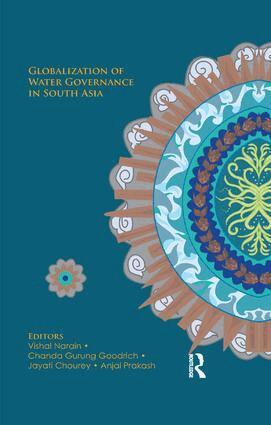
Globalization has significantly redefined the nature of governance in the water sector. Non-state actors—multilateral and transnational donor agencies and corporations, non-government organizations, markets, and civil society at large—are assuming a bigger role in public policy-making for water resource management. New discourses on neoliberalism, integrated water resource management (IWRM), public–private partnerships, privatization, and gender equity have come to influence water governance.
Drawing upon detailed case studies from India, Bangladesh, Nepal, Sri Lanka, and Bhutan, this volume shows the implications of these new global paradigms for water allocation and management practices, institutions and governance structures in South Asia. It suggests that, despite claims to the contrary, they have done little to further human well-being, reduce gender disparity, or improve accountability and transparency in the system. Steering away from blueprint approaches, it argues for a more nuanced and contextual understanding of water management challenges, based on local knowledge and initiatives. This book will be useful to those interested in political economy and water governance, natural resource management, environmental studies, development studies, and public administration, as well as to water professionals, policy-makers and civil society activists.
757 kr
Läs direkt efter köp
Globalization has significantly redefined the nature of governance in the water sector. Non-state actors—multilateral and transnational donor agencies and corporations, non-government organizations, markets, and civil society at large—are assuming a bigger role in public policy-making for water resource management. New discourses on neoliberalism, integrated water resource management (IWRM), public–private partnerships, privatization, and gender equity have come to influence water governance.
Drawing upon detailed case studies from India, Bangladesh, Nepal, Sri Lanka, and Bhutan, this volume shows the implications of these new global paradigms for water allocation and management practices, institutions and governance structures in South Asia. It suggests that, despite claims to the contrary, they have done little to further human well-being, reduce gender disparity, or improve accountability and transparency in the system. Steering away from blueprint approaches, it argues for a more nuanced and contextual understanding of water management challenges, based on local knowledge and initiatives. This book will be useful to those interested in political economy and water governance, natural resource management, environmental studies, development studies, and public administration, as well as to water professionals, policy-makers and civil society activists.
1 871 kr
Skickas