Sreoshi Singh - Böcker
Visar alla böcker från författaren Sreoshi Singh. Handla med fri frakt och snabb leverans.
5 produkter
5 produkter
2 699 kr
Skickas inom 10-15 vardagar
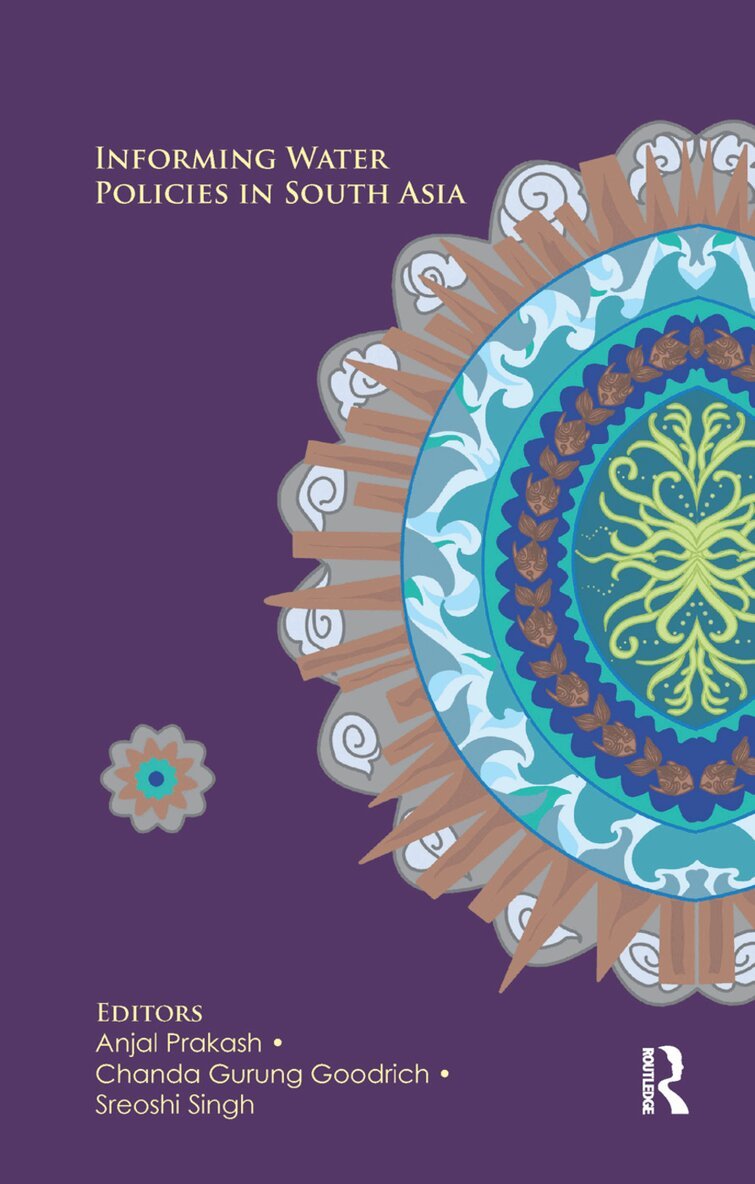
This cluster of four books presents innovative and nuanced knowledge on water resources, based on detailed case studies from South Asia—India, Bangladesh, Bhutan, Nepal, Pakistan, and Sri Lanka. In providing comprehensive analyses of the existing economic, demographic and ideological contexts in which water policies are framed and implemented, the volumes argue for alternative, informed and integrated approaches towards efficient management and equitable distribution of water. These also explore the globalization of water governance in the region, particularly in relation to new paradigms of neoliberalism, civil society participation, integrated water resource management (IWRM), public–private partnerships, privatization, and gender mainstreaming.These volumes will be indispensable for scholars and students of development studies, environmental studies, natural resource management, governance and public administration, particularly those working on water resources in South Asia. They will also be useful for policymakers and governmental and non-governmental organizations.
576 kr
Skickas inom 10-15 vardagar
This book analyzes water policies in South Asia from the perspective of Integrated Water Resources Management (IWRM). It seeks to address the problems of water scarcity, conflict and pollution resulting from the gross mismanagement and over-exploitation of this finite resource. Highlighting the need for IWRM in mitigating abuse and ensuring sustainable use, it discusses issues relating to groundwater management; inter-state water conflicts; peri-urban water use; local traditional water management practices; coordination between water users and uses; and water integration at the grassroots level.With case studies from India, Bangladesh, Pakistan, and Nepal, the innovative, painstaking and transnational researches presented in the volume deal with questions of equity, gender, sustainability, and democratic governance in water policy interventions. It will interest researchers and students of development studies, environmental studies, natural resource management, water governance, and public administration, as also water sector professionals, policymakers, civil society activists and governmental and nongovernmental organizations.
2 088 kr
Skickas inom 10-15 vardagar
This book analyzes water policies in South Asia from the perspective of Integrated Water Resources Management (IWRM). It seeks to address the problems of water scarcity, conflict and pollution resulting from the gross mismanagement and over-exploitation of this finite resource. Highlighting the need for IWRM in mitigating abuse and ensuring sustainable use, it discusses issues relating to groundwater management; inter-state water conflicts; peri-urban water use; local traditional water management practices; coordination between water users and uses; and water integration at the grassroots level.With case studies from India, Bangladesh, Pakistan, and Nepal, the innovative, painstaking and transnational researches presented in the volume deal with questions of equity, gender, sustainability, and democratic governance in water policy interventions. It will interest researchers and students of development studies, environmental studies, natural resource management, water governance, and public administration, as also water sector professionals, policymakers, civil society activists and governmental and nongovernmental organizations.
2 088 kr
Skickas inom 10-15 vardagar
Falling or stagnant agricultural growth, increasing dependence on groundwater, climate variability, swift industrialization, and unplanned and unregulated urbanization in South Asia have spawned a variety of challenges for water resources governance, management and use: groundwater overdraft; insufficient, ill-managed and poor-quality freshwater supply vis-à-vis escalating demand; and water pollution. Water policies in each of the South Asian countries thus call for a more holistic understanding for the efficient management, equitable distribution and sustainable use of this scarce resource.Analyzing the economic, demographic and ideological context in which water policies are framed and implemented, this book argues for an integrated framework in formulating and implementing water policies in South Asia. It also highlights some common missing links in the national policies: problems of techno-centric and blueprint approach to water management, growing influence of international donor agencies and inadequate concern for issues such as equity, sustainability, gender sensitivity, accountability, regional diversity in property rights regimes and water management practices, and regional conflicts over water access. The innovative and nuanced knowledge on water resources produced from detailed case studies in India, Bangladesh, Bhutan, Nepal, Pakistan and Sri Lanka will be useful for professionals, academics, policymakers and activists as well as those in development studies, environmental studies, natural resource management and public administration.
698 kr
Skickas inom 10-15 vardagar
Falling or stagnant agricultural growth, increasing dependence on groundwater, climate variability, swift industrialization, and unplanned and unregulated urbanization in South Asia have spawned a variety of challenges for water resources governance, management and use: groundwater overdraft; insufficient, ill-managed and poor-quality freshwater supply vis-à-vis escalating demand; and water pollution. Water policies in each of the South Asian countries thus call for a more holistic understanding for the efficient management, equitable distribution and sustainable use of this scarce resource.Analyzing the economic, demographic and ideological context in which water policies are framed and implemented, this book argues for an integrated framework in formulating and implementing water policies in South Asia. It also highlights some common missing links in the national policies: problems of techno-centric and blueprint approach to water management, growing influence of international donor agencies and inadequate concern for issues such as equity, sustainability, gender sensitivity, accountability, regional diversity in property rights regimes and water management practices, and regional conflicts over water access. The innovative and nuanced knowledge on water resources produced from detailed case studies in India, Bangladesh, Bhutan, Nepal, Pakistan and Sri Lanka will be useful for professionals, academics, policymakers and activists as well as those in development studies, environmental studies, natural resource management and public administration.