Ann Vickery – författare
Visar alla böcker från författaren Ann Vickery. Handla med fri frakt och snabb leverans.
8 produkter
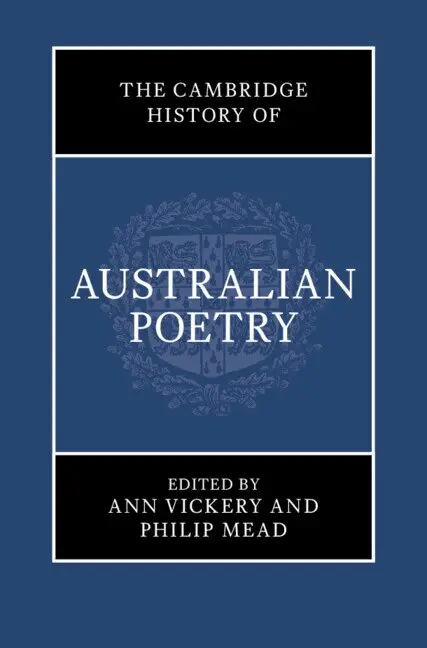
The Cambridge History of Australian Poetry
Inbunden, 2025
1933 kr
Lägg i varukorg
The Cambridge History of Australian Poetry offers an authoritative and comprehensive engagement with poetries that range from some of the world's oldest to significant innovations of the twenty-first century. Bringing together insights from First Nations experts, internationally renowned scholars, …
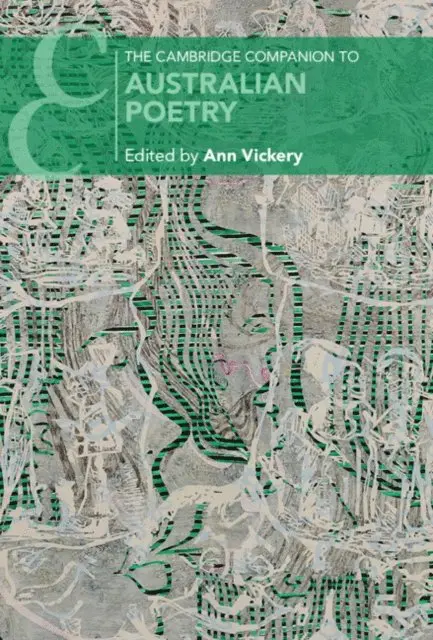
The Cambridge Companion to Australian Poetry
Av Ann Vickery
Häftad, 2024
465 kr
Lägg i varukorg
An invaluable resource for staff and students in literary studies and Australian studies, this volume is the first major critical survey on Australian poetry. It investigates poetry's central role in engaging with issues of colonialism, nationalism, war and crisis, diaspora, gender and sexuality, …
The Cambridge Companion to Australian Poetry
Av Ann Vickery
Inbunden, 2024
1422 kr
Lägg i varukorg
An invaluable resource for staff and students in literary studies and Australian studies, this volume is the first major critical survey on Australian poetry. It investigates poetry's central role in engaging with issues of colonialism, nationalism, war and crisis, diaspora, gender and sexuality, …
Modernism Beyond the Canon
Women Writers, Global Currents and Local Value
Inbunden, 2027
1378 kr
Kommande
Modernist navigations with modernity are diverse and culturally nuanced. Taking students and researchers beyond the narrow canon of ‘great modernists’, Modernism Beyond the Canon is an essential introduction to approaching the linguistic breadth, mobility, and regionalism of modernist women writers …