Anna Anguissola – författare
Visar alla böcker från författaren Anna Anguissola. Handla med fri frakt och snabb leverans.
10 produkter
Pliny the Elder and the Matter of Memory
An Encyclopaedic Workshop
Inbunden, 2021
1027 kr
Lägg i varukorg
The Roman official and intellectual Pliny the Elder’s Natural History constitutes our primary source on the figural arts in Classical antiquity. Since the Middle Ages, Pliny’s encyclopaedia has enraptured the imaginations of its readers with anecdotes and narratives about the lives and …
Pliny the Elder and the Matter of Memory
An Encyclopaedic Workshop
E-bok, 2021
393 kr
Lägg i varukorg
The Roman official and intellectual Pliny the Elder’s Natural History constitutes our primary source on the figural arts in Classical antiquity. Since the Middle Ages, Pliny’s encyclopaedia has enraptured the imaginations of its readers with anecdotes and narratives about the lives and …
Pliny the Elder and the Matter of Memory
An Encyclopaedic Workshop
E-bok, 2021
384 kr
Lägg i varukorg
The Roman official and intellectual Pliny the Elder’s Natural History constitutes our primary source on the figural arts in Classical antiquity. Since the Middle Ages, Pliny’s encyclopaedia has enraptured the imaginations of its readers with anecdotes and narratives about the lives and …
Pliny the Elder and the Matter of Memory
An Encyclopaedic Workshop
Häftad, 2023
337 kr
Lägg i varukorg
The Roman official and intellectual Pliny the Elder’s Natural History constitutes our primary source on the figural arts in Classical antiquity. Since the Middle Ages, Pliny’s encyclopaedia has enraptured the imaginations of its readers with anecdotes and narratives about the lives and …
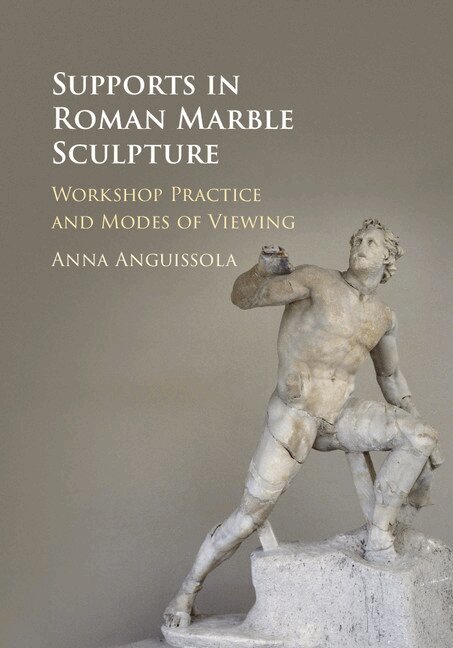
Supports in Roman Marble Sculpture
Workshop Practice and Modes of Viewing
Häftad, 2023
459 kr
Lägg i varukorg
Figural and non-figural supports are a ubiquitous feature of Roman marble sculpture; they appear in sculptures ranging in size from miniature to colossal and of all levels of quality. At odds with modern ideas about beauty, completeness, and visual congruence, these elements, especially non-figural …
Supports in Roman Marble Sculpture
Workshop Practice and Modes of Viewing
Inbunden, 2018
1677 kr
Lägg i varukorg
Figural and non-figural supports are a ubiquitous feature of Roman marble sculpture; they appear in sculptures ranging in size from miniature to colossal and of all levels of quality. At odds with modern ideas about beauty, completeness, and visual congruence, these elements, especially non-figural …
Intimità a Pompei
Riservatezza, condivisione e prestigio negli ambienti ad alcova di Pompei
E-bok, 2010
2132 kr
Lägg i varukorg
This book revolves around the shaping of Roman domestic space and cultural issues of privacy and representativeness. At the core is a set of lavish rooms where layout, architecture and décor bespeak the presence of one or two beds suitable for sleep or daytime rest. For the first time, the author …
Serial / Portable Classic - The Greek Canon and its Mutations
Av Anna Anguissola, Salvatore Settis m. fl.
Häftad, 2015
1073 kr
Lägg i varukorg
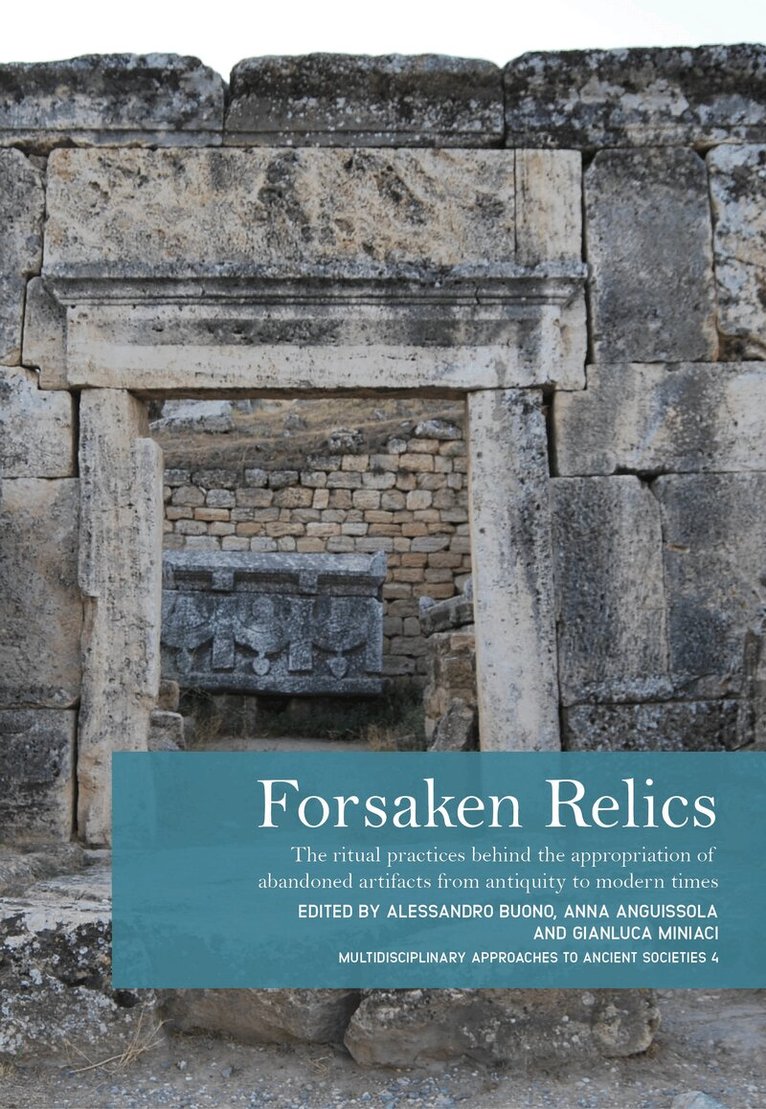
Forsaken Relics
Practices and Rituals of Appropriating Abandoned Artifacts from Antiquity to Modern Times
Av Alessandro Buono, Gianluca Miniaci m. fl.
Inbunden, 2024
863 kr
Lägg i varukorg
Forsaken Relics is the result of an interdisciplinary dialogue between history, archaeology, and ethnography on the topic of the appropriation of disputed goods and places. Scholars with diverse backgrounds convened to address this common challenge: how different societies in time and space managed …
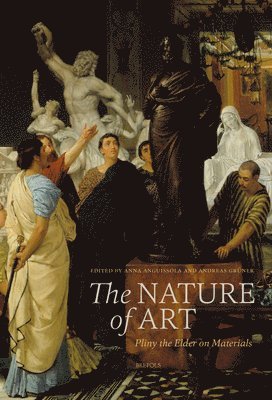
Nature of Art
Pliny the Elder on Materials
Av Anna Anguissola, Andreas Gruner
Inbunden, 2021
2004 kr
Tillfälligt slut