2 490 kr
Skickas inom 10-15 vardagar
2 490 kr
Skickas inom 10-15 vardagar
2 490 kr
Skickas inom 10-15 vardagar
642 kr
Skickas inom 10-15 vardagar
700 kr
Skickas inom 10-15 vardagar
829 kr
Läs direkt efter köp
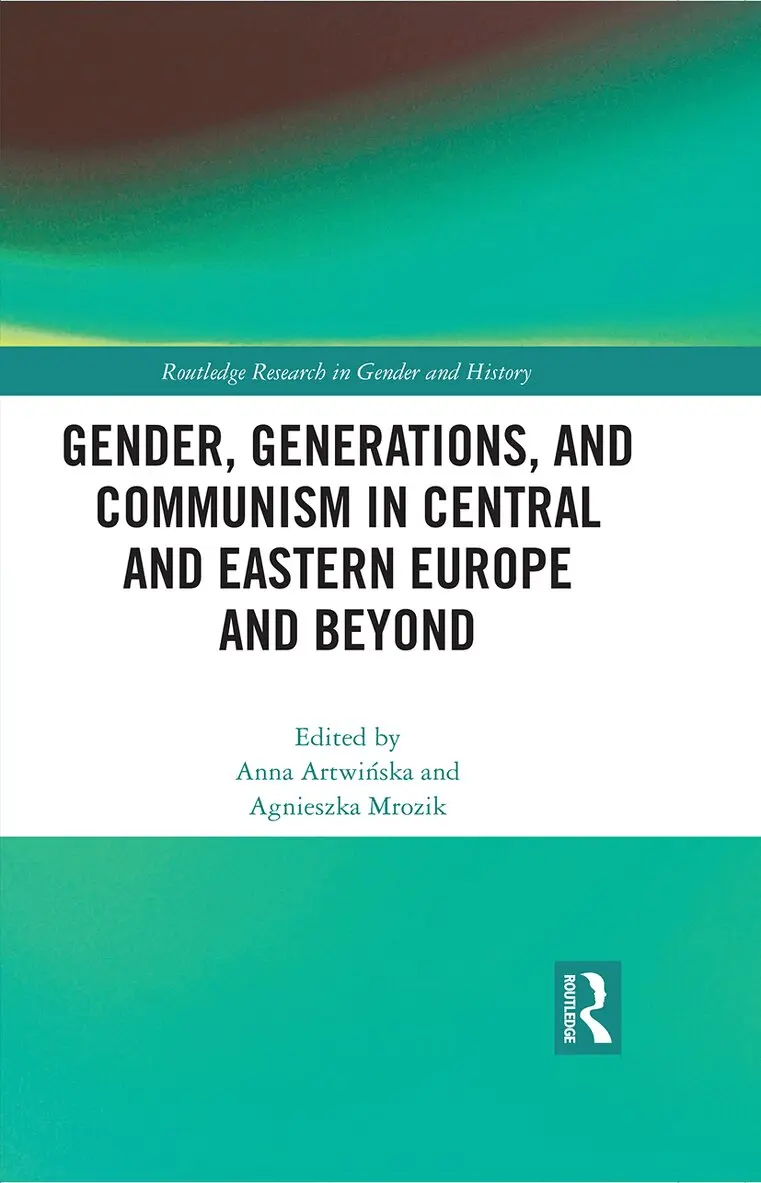
Communism in twentieth-century Europe is predominantly narrated as a totalitarian movement and/or regime. This book aims to go beyond this narrative and provide an alternative framework to describe the communist past. This reframing is possible thanks to the concepts of generation and gender, which are used in the book as analytical categories in an intersectional overlap. The publication covers twentieth-century Poland, Czechoslovakia/Czech Republic, the Soviet Union/Russia, former Yugoslavia, Turkish communities in West Germany, Italy, and Cuba (as a comparative point of reference). It provides a theoretical frame and overview chapters on several important gender and generation narratives about communism, anticommunism, and postcommunism. Its starting point is the belief that although methodological reflection on communism, as well as on generations and gender, is conducted extensively in contemporary research, the overlapping of these three terms is still rare. The main focus in the first part is on methodological issues. The second part features studies which depict the possibility of generational-gender interpretations of history. The third part is informed by biographical perspectives. The last part shows how the problem of generations and gender is staged via the medium of literature and how it can be narrated.
829 kr
Läs direkt efter köp
Communism in twentieth-century Europe is predominantly narrated as a totalitarian movement and/or regime. This book aims to go beyond this narrative and provide an alternative framework to describe the communist past. This reframing is possible thanks to the concepts of generation and gender, which are used in the book as analytical categories in an intersectional overlap. The publication covers twentieth-century Poland, Czechoslovakia/Czech Republic, the Soviet Union/Russia, former Yugoslavia, Turkish communities in West Germany, Italy, and Cuba (as a comparative point of reference). It provides a theoretical frame and overview chapters on several important gender and generation narratives about communism, anticommunism, and postcommunism. Its starting point is the belief that although methodological reflection on communism, as well as on generations and gender, is conducted extensively in contemporary research, the overlapping of these three terms is still rare. The main focus in the first part is on methodological issues. The second part features studies which depict the possibility of generational-gender interpretations of history. The third part is informed by biographical perspectives. The last part shows how the problem of generations and gender is staged via the medium of literature and how it can be narrated.
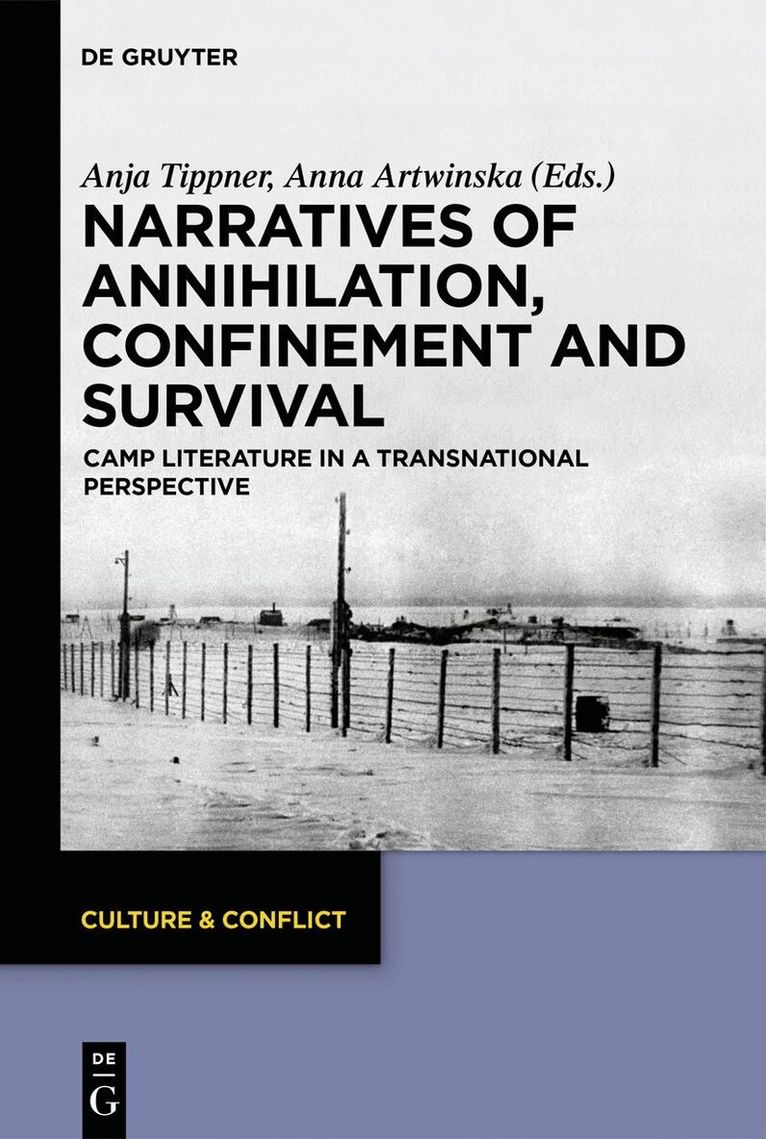
Camp Literature in a Transnational Perspective
1 658 kr
Skickas inom 5-8 vardagar
1 671 kr
Läs direkt efter köp
1 671 kr
Läs direkt efter köp
335 kr
Skickas inom 5-8 vardagar
1 770 kr
Skickas inom 3-6 vardagar
405 kr
Skickas inom 3-6 vardagar
270 kr
Läs direkt efter köp
270 kr
Läs direkt efter köp
The Case of Adam Mickiewicz in Communist Poland and Johann Wolfgang von Goethe in East Germany
934 kr
Skickas inom 5-8 vardagar
The Polish View
1 071 kr
Skickas inom 5-8 vardagar
Medien postkatastrophischer Vergegenwaertigung in Polen und Deutschland
858 kr
Skickas inom 5-8 vardagar