• Fri frakt över 249 kr
  • •
  • Snabba leveranser
  • •
  • Billiga böcker
Kundservice

Du är på sajten för privatpersoner.

Företag, bibliotek eller offentlig verksamhet?

Du handlar på classic.bokus.com, där alla dina funktioner finns intakta.
Till classic.bokus.com
Bokus logotyp. Gå till startsidan.
  • Erbjudanden
  • Nyheter
  • Student
  • Topplistor
  • Barn & ungdom
  • Bokus Play
  • E-böcker
  • Pocketböcker
  • Spel & pussel

10% rabatt på allt med kod: NYSTART10 →

Sidfot

Mina sidor

    Hjälp

    • Kundservice
    • Vanliga frågor och svar
    • Frakt och leverans
    • Retur vid ångerrätt
    • Reklamera vara
    • Betalning
    • Köpvillkor
    • Allmänna villkor
    • Information om webbplatsens tillgänglighet

    Om Bokus

    • Om oss
    • Pressrum
    • För studenter
    • För företag
    • För bibliotek och offentlig verksamhet
    • För leverantörer
    • Hållbarhet

    Populärt

    • Aktuella erbjudanden
    • Presentkort
    • Studentlitteratur
    • Nya böcker
    • Topplistor
    • Signerade böcker
    • Engelska böcker

    Inspiration

    • Boktips
    • BookTok
    • Populära bokserier
    • Barnbokskaraktärer
    • Populära författare
    Logotyp för Bokus
    Följ oss på Facebook (extern länk)Följ oss på Instagram (extern länk)Följ oss på YouTube (extern länk)Följ oss på TikTok (extern länk)
    bokus @ CookiesAnpassa cookiesIntegritetspolicyKöpvillkor
    Till Citymail hemsida (extern länk)Till Budbee hemsida (extern länk)Till Postnord hemsida (extern länk)Till Schenker hemsida (extern länk)Till Early Bird hemsida (extern länk)Till Walleys hemsida (extern länk)
    1. Historia och arkeologi
    2. Historia
    3. Historia: särskilda händelser och ämnen
    4. Socialhistoria och kulturhistoria

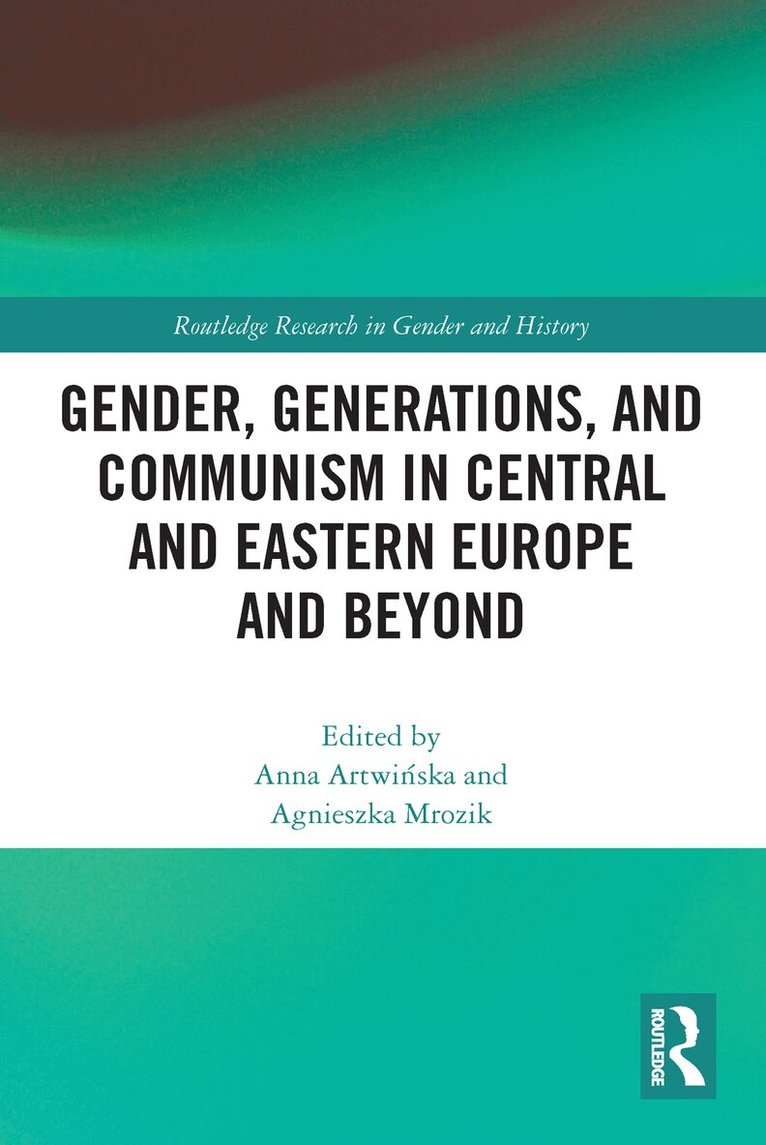
    Gender, Generations, and Communism in Central and Eastern Europe and Beyond

    AvAnna Artwińska,Agnieszka Mrozik

    Häftad, Engelska, 2022

    Del i serien Routledge Research in Gender and History

    701 kr

    Beställningsvara. Skickas inom 10-15 vardagar. Fri frakt över 249 kr.

    Beskrivning

    Communism in twentieth-century Europe is predominantly narrated as a totalitarian movement and/or regime. This book aims to go beyond this narrative and provide an alternative framework to describe the communist past. This reframing is possible thanks to the concepts of generation and gender, which are used in the book as analytical categories in an intersectional overlap. The publication covers twentieth-century Poland, Czechoslovakia/Czech Republic, the Soviet Union/Russia, former Yugoslavia, Turkish communities in West Germany, Italy, and Cuba (as a comparative point of reference). It provides a theoretical frame and overview chapters on several important gender and generation narratives about communism, anticommunism, and postcommunism. Its starting point is the belief that although methodological reflection on communism, as well as on generations and gender, is conducted extensively in contemporary research, the overlapping of these three terms is still rare. The main focus in the first part is on methodological issues. The second part features studies which depict the possibility of generational-gender interpretations of history. The third part is informed by biographical perspectives. The last part shows how the problem of generations and gender is staged via the medium of literature and how it can be narrated.

    Produktinformation

    • Utgivningsdatum:2022-08-01
    • Mått:152 x 229 x 26 mm
    • Vikt:458 g
    • Format:Häftad
    • Språk:Engelska
    • Serie:Routledge Research in Gender and History
    • Antal sidor:352
    • Förlag:Taylor & Francis Ltd
    • ISBN:9780367522216

    Utforska kategorier

    • Socialhistoria och kulturhistoria inom Historia och arkeologi
    • Europas historia inom Historia och arkeologi
    • Genusvetenskap inom Samhälle och politik

    Mer om författaren

    Anna Artwińska is a Junior Professor of Slavic Literature and Culture Studies and Chair of the Center for Women’s and Gender Studies at the University of Leipzig, Germany. Her main research interests are the memory of communism, postcatastrophic representation of the Shoah, the concept of generation, auto/biographical writing and gender, and postcolonial studies.Agnieszka Mrozik is an Assistant Professor at the Institute of Literary Research of the Polish Academy of Sciences (IBL PAN) in Warsaw, Poland. She is affiliated with two research teams, The Centre for Cultural and Literary Studies of Communism, and the Archives of Women. Her main research interests are communism and gender studies, cultural history of women and women’s movement in Central and Eastern Europe, women’s life writing and literature, critical analysis of media discourse and popular culture.

    Recensioner i media

    "The strong points of the volume include a variety of sources and analytical approaches sensitive to their critical usage, the ability to develop a productive comparative and transnational frame, an embeddedness in relevant historiographical debates, and the still creative potential of 'generation' as a concept for exploring communism in 'Central and Eastern Europe, and beyond.' Gender, Generations, and Communism certainly provides an excellent interdisciplinary contribution to the growing historiography on women’s activism and organizations in the region and proves the analytical potential of a gender-centered approach to the history of communism from the interwar period to the end of the Cold War."Ivana Michaela Žimbrek, East Central Europe 48 (2021)

    Innehållsförteckning

    • Introduction; Part I: The Logic of Gender and Generation(s): Theoretical Approaches; 1. Generational and Gendered Memory of Communism in Central and Eastern Europe: Methodological Perspectives and Political Challenges; 2. Acting and Memory, Hope and Guilt: The Bond of Generations in Arendt, Benjamin, Heine, and Freud; Part II: Generations and Gender in Historical Contexts: Comparative Case Studies; 3 Communism, Left Feminism, and Generations in the 1930s: The Case of Yugoslavia; 4. Communisms, Generations, and Waves: The Cases of Italy, Yugoslavia, and Cuba; 5. Generations of Italian Communist Women and the Making of a Women’s Rights Agenda in the Cold War (1945–68): Historiography, Memory, and New Archival Evidence; 6. The Making of Turkish Migrant Left Feminism and Political Generations in the Ruhr, West Germany (1975–90); Part III: Women’s Biographical Experiences and Communism; 7. "Old" Women and "Old" Revolution: The Role of Gender and Generation in Postwar Polish Communist Women’s Political Biographies; 8. Biographical Experience and Knowledge Production: Women Sociologists and Gender Issues in Communist Poland; 9. Without Tradition and Without Female Generation? The Case of Czech Artist Ester Krumbachová; Part IV: Aesthetic Representations of Gendered Generations in Communism and Beyond; 10. Girls from the Polish Youth Union: (Dis)remembrance of the Generation; 11. "We’re Easy to Spot": Soviet Generation(s) After Soviet Era and the Invention of the Self in Svetlana Alexievich’s Secondhand Time: The Last of the Soviets; 12. Entering Gray Zones: Questions of Female Identity, Political Commitment, and Personal Choices in Jiřina Šiklová’s Memoir of Life Under Socialism and Beyond; 13. Gender, Generational Conflict, and Communism: Tonia Lechtman’s Story; Conclusion: From "Communism as Male Generational History" to a More Inclusive Narrative