Anna Moszynska – författare
Visar alla böcker från författaren Anna Moszynska. Handla med fri frakt och snabb leverans.
8 produkter
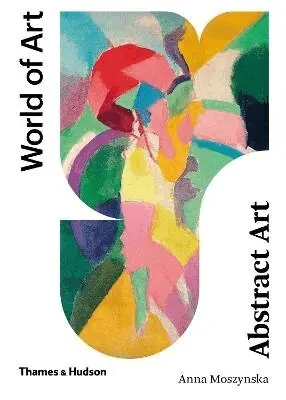
Abstract Art
Häftad, 2020
5,0 utav 5 stjärnor. Totalt antal röster: (1)
171 kr
Lägg i varukorg
Since the early years of the 20th century, Western abstract art has fascinated, outraged and bewildered audiences. Its path to acceptance within the artistic mainstream was slow. Anna Moszynska traces the origins and evolution of abstract art, placing it in broad cultural context. She examines the …
Laboratorium für internationale gesetzgeberische Arbeit
Die Geburt der polnischen Rechtsordnung der Zwischenkriegszeit im europäischen Kontext
Av Anna Moszynska, Martin Lohnig
E-bok, 2020
879 kr
Lägg i varukorg
Polen stand nach dem Großen Krieg vor der Herausforderung der innerstaatlichen Rechtsvereinheitlichung über die Grenzen der europäischen Rechtskreise hinaus und der Integration in das System internationaler Rechtsnormen. Die Zweite Polnische Republik bot deshalb den Anblick eines Laboratoriums en …
Fair taxes or budget revenues at any price?
Polish tax law in the post-BEPS era
Av Martin Löhnig, Wojciech Morawski m. fl.
Inbunden, 2022
1018 kr
Lägg i varukorg
The study of the Polish tax system and policy which enriches knowledge of developments in one of the largest and most rapidly changing states in Europe. It is the result of cooperation of academics and practitioners from major tax advisory firms as well as in-house tax experts.Political changes in …
Fair taxes or budget revenues at any price?
Polish tax law in the post-BEPS era
Av Anna Moszynska, Wojciech Morawski m. fl.
E-bok, 2022
762 kr
Lägg i varukorg
The study of the Polish tax system and policy which enriches knowledge of developments in one of the largest and most rapidly changing states in Europe. It is the result of cooperation of academics and practitioners from major tax advisory firms as well as in-house tax experts.Political changes in …
Poland in good constitution?
Contemporary issues of constitutional law in Poland in the European context
Av Martin Löhnig, Anna Moszyńska m. fl.
Inbunden, 2023
1285 kr
Lägg i varukorg
In 2022 the Polish Constitution celebrated the silver anniversary of its enactment. It has generally correctly served as the basis for the functioning of the state, proving itself even in the most difficult moments of its existence. Since 2015 the Polish Constitution has been subject to major …
Reception of the 'Limited liability company (GmbH)'
Av Martin Löhnig, Anna Moszyńska
Inbunden, 2023
808 kr
Lägg i varukorg
The limited liability company (GmbH) was created by the German legislature in 1892 as a company form without any historical forerunners or suggestions from comparative law. It brought about a readjustment of the relationship between the chance of profit and the liability risk. However, criticism …
Reception of the 'Limited liability company (GmbH)'
Av Anna Moszynska, Martin Lohnig
E-bok, 2023
598 kr
Lägg i varukorg
The limited liability company (GmbH) was created by the German legislature in 1892 as a company form without any historical forerunners or suggestions from comparative law. It brought about a readjustment of the relationship between the chance of profit and the liability risk. However, criticism …
Sculpture Now
Häftad, 2013
117 kr
Tillfälligt slut
This new book in the World of Art series surveys the dynamic developments in sculptural practice worldwide since the mid-1990s, outlining major trends and identifying important and vibrant artists who are forging new paths and setting the contemporary agenda. It explores such key topics as the use …