Anne M. Thell – författare
Visar alla böcker från författaren Anne M. Thell. Handla med fri frakt och snabb leverans.
5 produkter
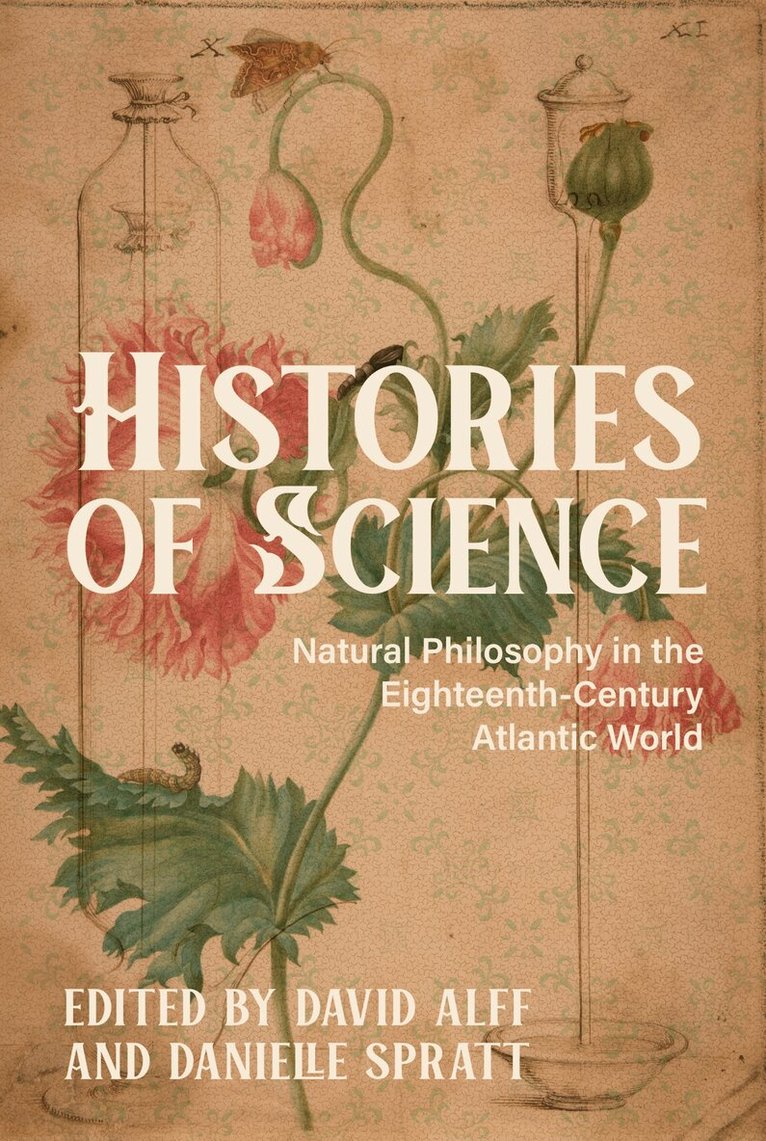
Histories of Science
Natural Philosophy in the Eighteenth-Century Atlantic World
Av Aaron R. Hanlon, Al Coppola m. fl.
Inbunden, 2025
1567 kr
Lägg i varukorg
Spreading the news of scientific breakthroughs in the eighteenth centuryHistories of Science shows how different forms of media communicated scientific breakthroughs during the long eighteenth century, bringing together eighteen humanities scholars to discuss the representation, reception, and …
Histories of Science
Natural Philosophy in the Eighteenth-Century Atlantic World
Av Aaron R. Hanlon, Al Coppola m. fl.
Häftad, 2025
495 kr
Lägg i varukorg
Spreading the news of scientific breakthroughs in the eighteenth centuryHistories of Science shows how different forms of media communicated scientific breakthroughs during the long eighteenth century, bringing together eighteen humanities scholars to discuss the representation, reception, and …
Minds in Motion
Imagining Empiricism in Eighteenth-Century British Travel Literature
E-bok, 2017
645 kr
Lägg i varukorg
The central claim of Minds in Motion is that British travel writing of the long eighteenth century functions as an epistemological playing field where authors test empiricist models of engagement with the world while simultaneously seeking out the role of the self and the imagination in producing …
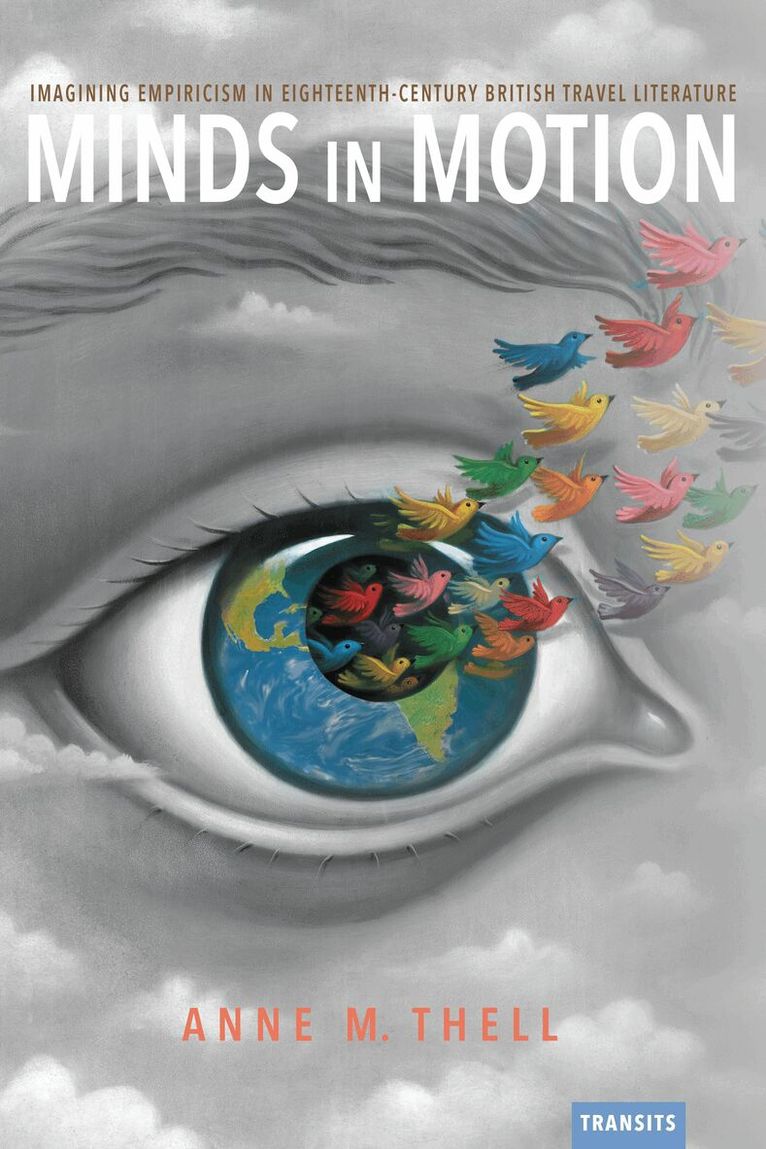
Minds in Motion
Imagining Empiricism in Eighteenth-Century British Travel Literature
Häftad, 2021
592 kr
Lägg i varukorg
The central claim of Minds in Motion is that British travel writing of the long eighteenth century functions as an epistemological playing field where authors test empiricist models of engagement with the world while simultaneously seeking out the role of the self and the imagination in producing …
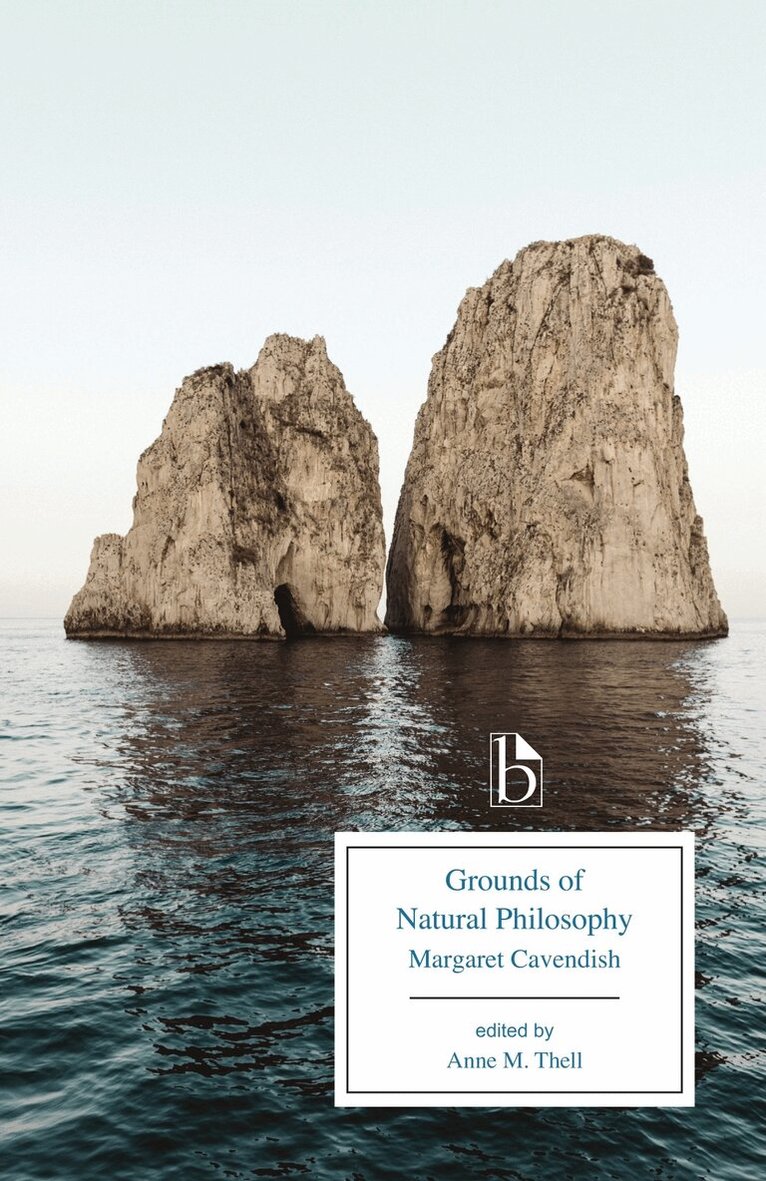
Grounds of Natural Philosophy
Av Margaret Cavendish, Anne M. Thell
Häftad, 2020
317 kr
Tillfälligt slut
This edition aims to make Margaret Cavendish’s most mature philosophical work more accessible to students and scholars of the period. Grounds of Natural Philosophy is important not only because it is Cavendish’s final articulation of her metaphysics but also because it succinctly outlines her …