57 kr
Annette Voigt – författare
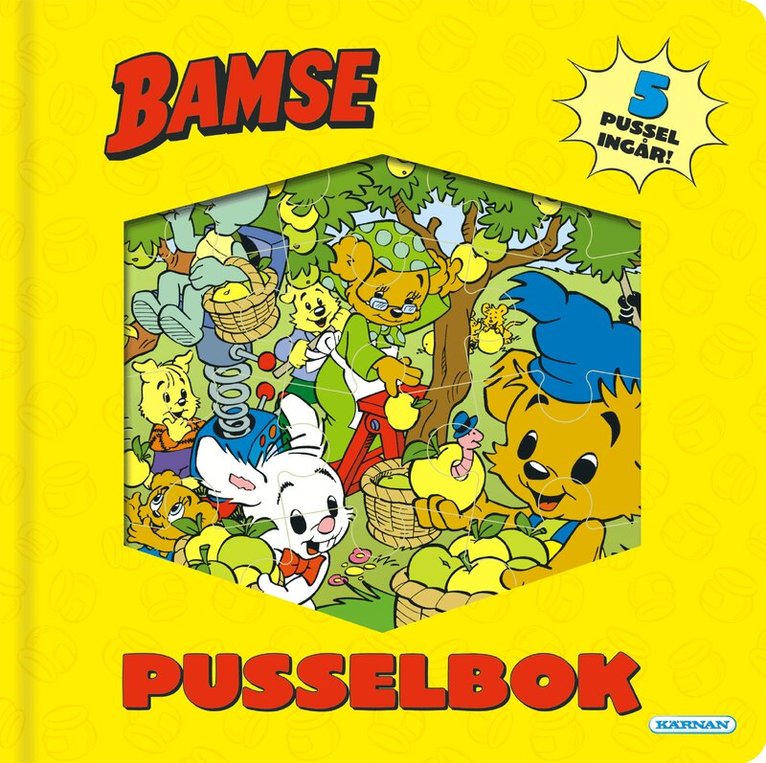
- Kartonnage, Svenska, 2024, 0-3 årDet är en varm sommardag och Bamse och Lille Skutt sätter sig ner för att vila innan Bamse ska jobba i skogen. Bamse har med sig en honungsburk, som plötsligt någon tar utan att de ser hur det går till. Vem är så fräck att ta burken mitt framför ögonen på dem? Hur ska Bamse klara sig utan sin dunderhonung när han ska jobba?
- Kartonnage, Svenska, 2022, 0-3 år
84 kr
Skickas
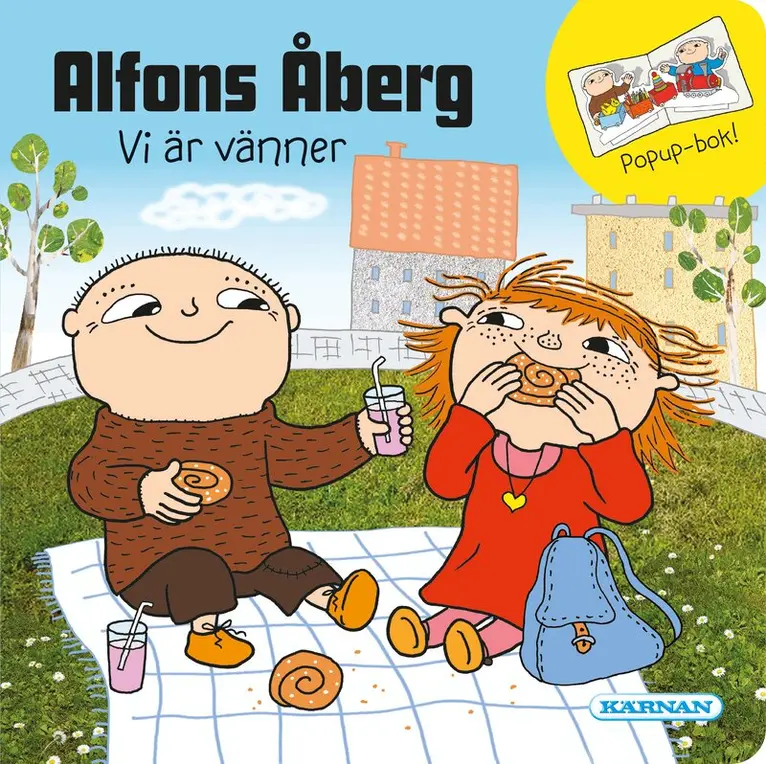
I den här fina popupboken får du träffa Alfons och hans vänner. De gör roliga saker tillsammans. De myser, spelar boll, leker, fikar och har kalas. Roliga popuper på varje uppslag. - Kartonnage, Svenska, 2025, 0-3 år
102 kr
Läs och pussla! Vet du var pusselbitarna passar in? Sätt ihop alla fem pusslen. Ta hjälp av färgen under varje pusselbit. Läs texterna om Bamse och hans vänner. - Häftad, Engelska, 2018
724 kr
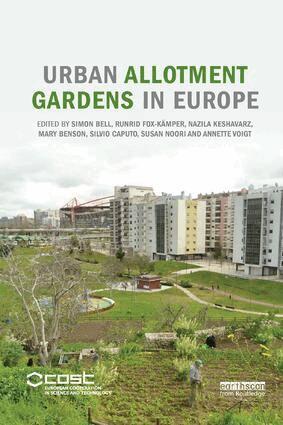
Although urban allotment gardening dates back to the nineteenth century, it has recently undergone a renaissance of interest and popularity. This is the result of greater concern over urban greenspace, food security and quality of life. This book presents a comprehensive, research-based overview of the various features, benefits and values associated with urban allotment gardening in Europe. The book is based on a European COST Action project, which brings together researchers and practitioners from all over Europe for the first detailed exploration of the subject on a continent-wide scale. It assesses the policy, planning and design aspects, as well as the social and ecological benefits of urban allotment gardening. Through an examination of the wide range of different traditions and practices across Europe, it brings together the most recent research to discuss the latest evolutions of urban allotment gardening and to help raise awareness and fill knowledge gaps. The book provides a multidisciplinary perspective, including insights from horticulture and soil science, ecology, sociology, urban geography, landscape, planning and design. The themes are underpinned by case studies from a number of European countries which supply a wide range of examples to illustrate different key issues. - Inbunden, Engelska, 2016
2 425 kr
Skickas inom 10-15 vardagar
Although urban allotment gardening dates back to the nineteenth century, it has recently undergone a renaissance of interest and popularity. This is the result of greater concern over urban greenspace, food security and quality of life. This book presents a comprehensive, research-based overview of the various features, benefits and values associated with urban allotment gardening in Europe. The book is based on a European COST Action project, which brings together researchers and practitioners from all over Europe for the first detailed exploration of the subject on a continent-wide scale. It assesses the policy, planning and design aspects, as well as the social and ecological benefits of urban allotment gardening. Through an examination of the wide range of different traditions and practices across Europe, it brings together the most recent research to discuss the latest evolutions of urban allotment gardening and to help raise awareness and fill knowledge gaps. The book provides a multidisciplinary perspective, including insights from horticulture and soil science, ecology, sociology, urban geography, landscape, planning and design. The themes are underpinned by case studies from a number of European countries which supply a wide range of examples to illustrate different key issues. - E-bokEngelska, 2016
855 kr
Läs direkt efter köp
Although urban allotment gardening dates back to the nineteenth century, it has recently undergone a renaissance of interest and popularity. This is the result of greater concern over urban greenspace, food security and quality of life. This book presents a comprehensive, research-based overview of the various features, benefits and values associated with urban allotment gardening in Europe.
The book is based on a European COST Action project, which brings together researchers and practitioners from all over Europe for the first detailed exploration of the subject on a continent-wide scale. It assesses the policy, planning and design aspects, as well as the social and ecological benefits of urban allotment gardening. Through an examination of the wide range of different traditions and practices across Europe, it brings together the most recent research to discuss the latest evolutions of urban allotment gardening and to help raise awareness and fill knowledge gaps.
The book provides a multidisciplinary perspective, including insights from horticulture and soil science, ecology, sociology, urban geography, landscape, planning and design. The themes are underpinned by case studies from a number of European countries which supply a wide range of examples to illustrate different key issues.
- E-bokPDF, Engelska, 2016
855 kr
Läs direkt efter köp
Although urban allotment gardening dates back to the nineteenth century, it has recently undergone a renaissance of interest and popularity. This is the result of greater concern over urban greenspace, food security and quality of life. This book presents a comprehensive, research-based overview of the various features, benefits and values associated with urban allotment gardening in Europe.
The book is based on a European COST Action project, which brings together researchers and practitioners from all over Europe for the first detailed exploration of the subject on a continent-wide scale. It assesses the policy, planning and design aspects, as well as the social and ecological benefits of urban allotment gardening. Through an examination of the wide range of different traditions and practices across Europe, it brings together the most recent research to discuss the latest evolutions of urban allotment gardening and to help raise awareness and fill knowledge gaps.
The book provides a multidisciplinary perspective, including insights from horticulture and soil science, ecology, sociology, urban geography, landscape, planning and design. The themes are underpinned by case studies from a number of European countries which supply a wide range of examples to illustrate different key issues.
- E-bokPDF, Tyska, 2012
555 kr
Läs direkt efter köp
Der Ökosystembegriff hat in Wissenschaft und Alltagswelt Karriere gemacht – ohne dabei eindeutig zu sein. Man glaubt, vom gleichen Gegenstand zu sprechen, meint aber offenbar Unterschiedliches: ein Interaktionsnetz, einen selbstorganisierenden Superorganismus oder eine Ökosystemmaschine. Diese Uneindeutigkeit geht auf einen ideologisch determinierten Streit über das Wesen der (ökologischen) Natur zurück, der unter Bezug auf Naturbeobachtung ausgefochten wird.Den Varianten des Ökosystembegriffs liegen konkurrierende kulturelle Ideen über das Verhältnis von Individuum und Gesellschaft zugrunde. Ausgehend von dieser konstitutionstheoretischen These werden hier die fundamentalen Unterschiede von Ökosystemtheorien herausgearbeitet, indem sie auf ihre Analogien zu bestimmten politischen Theorien der Vergesellschaftung – Liberalismus, Konservatismus und Demokratie – untersucht werden.Damit leistet die Studie eine fundierte Analyse von synökologischen Theorien und ihres context of discovery, auf deren Grundlage die anhaltenden Kontroversen der Ökologie, der Geographie und des Naturschutzes verständlicher werden. - Häftad, Tyska, 2022
209 kr
Skickas inom 3-6 vardagar
- E-bokPDF, Tyska, 2022
189 kr
Läs direkt efter köp
In dieser Ausgabe von Tierstudien geht es um Praktiken, Theorien und Visionen des Zusammenlebens der Arten. Dabei sollen das Miteinander- oder Beieinanderwohnen von Menschen und anderen Tieren und die Koexistenz unterschiedlicher Spezies in kulturellen Räumen im Fokus stehen. Alle Tiere richten sich auf ihre Art in der Welt ein und sind auf ihre Weise in ihr zuhause. Dies geschieht immer in relationalen Zusammenhängen. Sie lassen sich an Orten nieder, die nie ganz unbesetzt sind, oder arrangieren sich in Räumen, die ihnen zugewiesen wurden. Das soziale Zusammenleben wird dann jeweils im gemeinsamen Wohnen organisiert.Es stehen vor allem domestizierte Tiere, verwilderte Haustiere und Kulturfolger*innen wie beispielsweise Hunde, Pferde und Tauben im Zentrum der Aufmerksamkeit der einzelnen Beiträge, aber auch Tiere in Zoos. Diese Tiere leben mit Menschen gezwungenermaßen oder freiwillig auf problematische oder auch auf gelingende Art und Weise in geteilten Räumen zusammen. Auch wenn die Stadt oft als ausschließlich menschlicher Raum imaginiert wird, waren Tiere immer schon Teil eines gemeinsam konstituierten urbanen Umfelds. Das wird zunehmend in der Stadt- und Freiraumplanung und in Architekturprojekten berücksichtigt. Auch künstlerische Projekte entwerfen kreative Möglichkeiten eines solidarischeren Zusammenlebens der Arten und in wissenschaftlichen Diskursen spielt eine gerechte Koexistenz von Menschen und anderen Tieren vermehrt eine Rolle.Für die Diskussion des Zusammenlebens der Arten werden drei unterschiedliche Begrifflichkeiten produktiv gemacht: Während ''Kohabitation'' vor allem das gemeinsame Wohnen meint, bezeichnet ''Koexistenz'' das Nebeneinanderbestehen verschiedener Arten im gleichen Lebensraum unter Ausschluss von Konkurrenz. ''Konvivialität'' hingegen wird als freundliche Form des Miteinanders und der Gemeinschaftlichkeit verstanden, als eine ethische Praxis in Multispeziesgesellschaften, Orte und Räume auf aufmerksame und bedeutungsvolle Weise miteinander zu teilen.Mit wissenschaftlichen Beiträgen von Fahim Amir, Thomas E. Hauck, Stefanie Hennecke, Anne Hölck, Kerstin Jürgens, Susanne Karr, Kurt Kotrschal, Markus Kurth, Matthias Lewy, Elisabeth Luggauer, Christina Katharina May, Sarah Mönkeberg, Tamara Nili-Freudenschuß, Sarah Oechslin, Michael K. Schulz, Helena Simonett, Janne Thomsen, Annette Voigt, Kerstin Weich und Ulf Wendler.Mit künstlerischen Beiträgen von Semâ Bekirovíc, Lee Deigaard und L.A. Watson.