Anoop Nayak – författare
Visar alla böcker från författaren Anoop Nayak. Handla med fri frakt och snabb leverans.
14 produkter
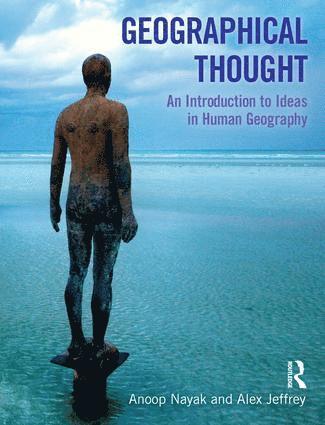
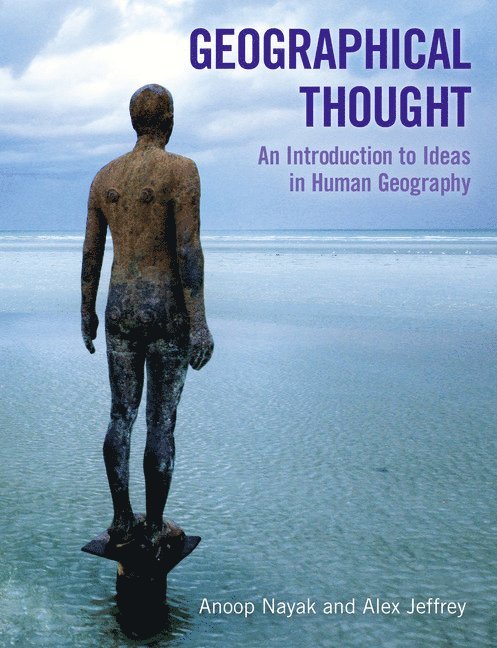
Geographical Thought
An Introduction to Ideas in Human Geography
Inbunden, 2015
2545 kr
Lägg i varukorg
Geographical Thought provides a clear and accessible introduction to the key ideas and figures in human geography. The book provides an essential introduction to the theories that have shaped the study of societies and space. Opening with an exploration of the founding concepts of human geography …
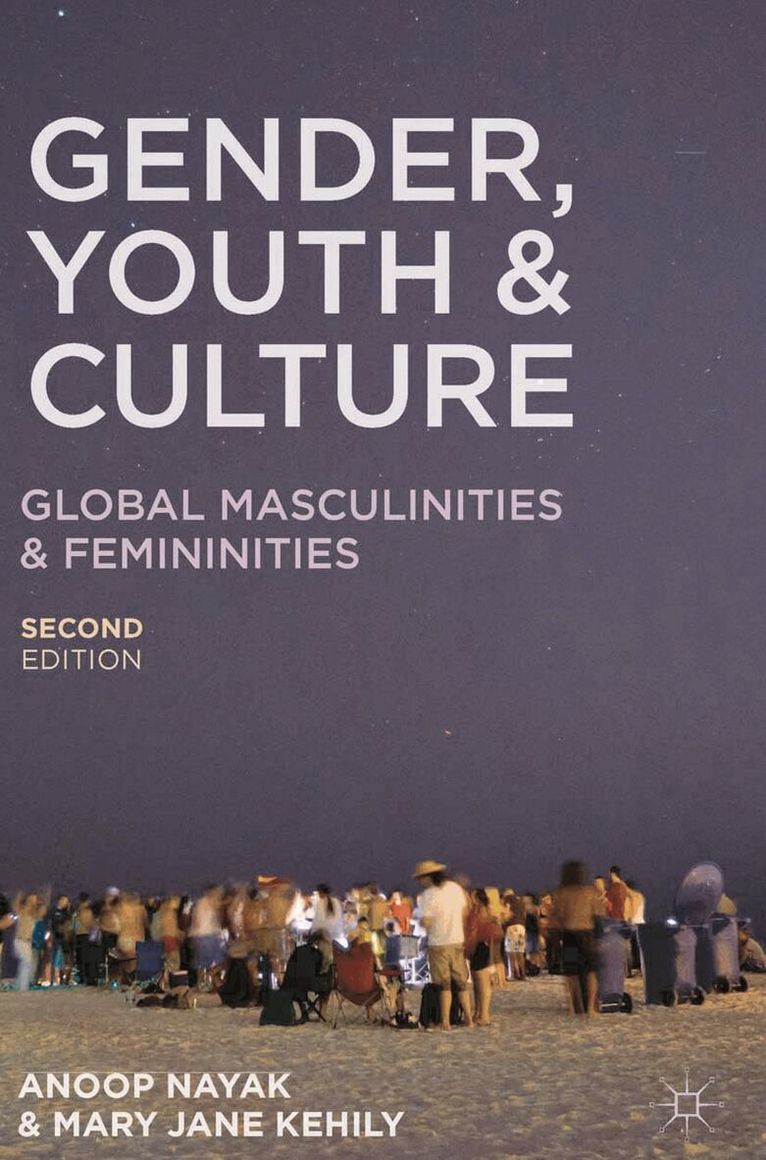
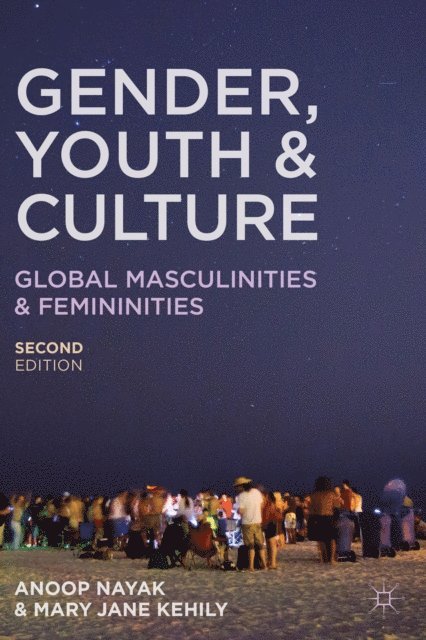
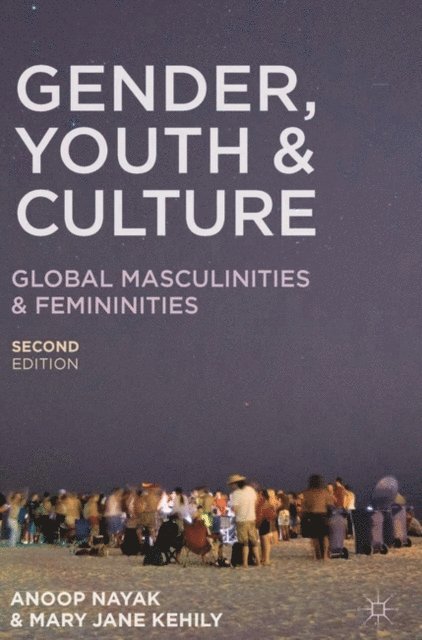
Gender, Youth and Culture
Young Masculinities and Femininities
Av Anoop Nayak, Mary Jane Kehily
Häftad, 2013
572 kr
Lägg i varukorg
The question of how boys become men or how girls become women may seem simple, but the answers can be complex. This new edition draws upon rich examples from research, popular media, and global accounts, to explore how gender is produced, consumed, regulated and performed in young lives today.
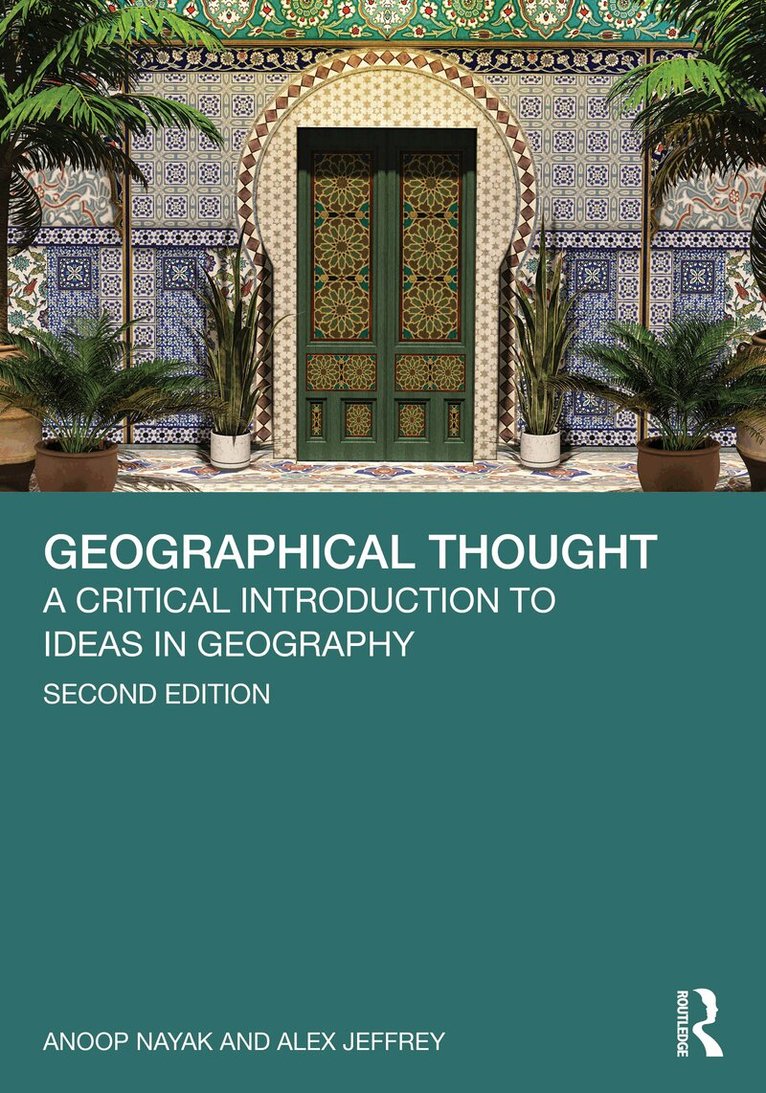
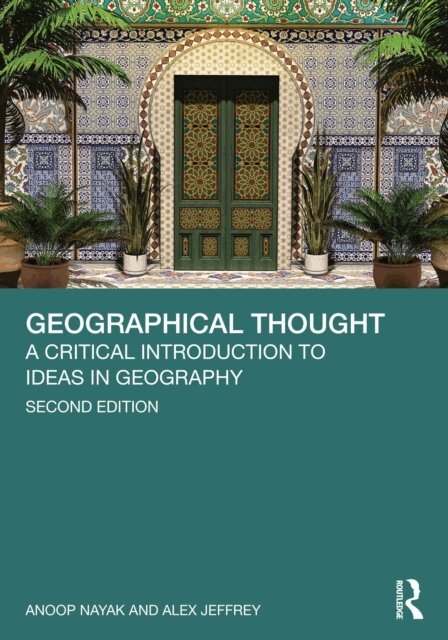
Geographical Thought
A Critical Introduction to Ideas in Geography
Häftad, 2025
648 kr
Lägg i varukorg
This new second edition of Geographical Thought remains a clear and accessible introduction to the key ideas and figures in human geography. A renewed focus on climate justice is layered throughout the book seguing into a new chapter on decolonising geography. Each of the chapters has been …
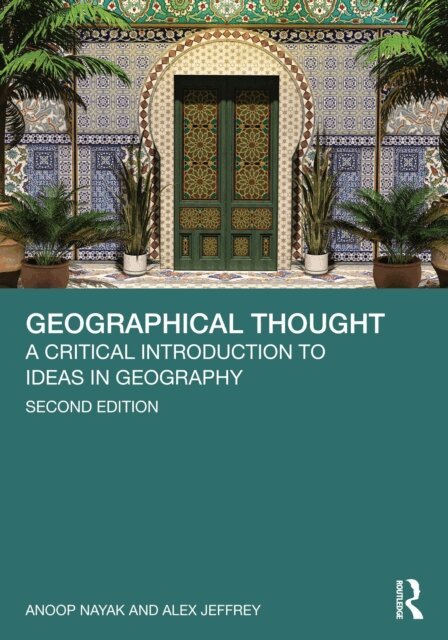
Geographical Thought
A Critical Introduction to Ideas in Geography
Inbunden, 2025
2512 kr
Lägg i varukorg
This new second edition of Geographical Thought remains a clear and accessible introduction to the key ideas and figures in human geography. A renewed focus on climate justice is layered throughout the book seguing into a new chapter on decolonising geography. Each of the chapters has been …
Geographical Thought
A Critical Introduction to Ideas in Geography
E-bok, 2025
740 kr
Lägg i varukorg
This new second edition of Geographical Thought remains a clear and accessible introduction to the key ideas and figures in human geography. A renewed focus on climate justice is layered throughout the book seguing into a new chapter on decolonising geography. Each of the chapters has been …
Geographical Thought
A Critical Introduction to Ideas in Geography
E-bok, 2025
762 kr
Lägg i varukorg
This new second edition of Geographical Thought remains a clear and accessible introduction to the key ideas and figures in human geography. A renewed focus on climate justice is layered throughout the book seguing into a new chapter on decolonising geography. Each of the chapters has been …
Gender, Youth and Culture
Young Masculinities and Femininities
Av Anoop Nayak, Mary Jane Kehily
E-bok, 2013
624 kr
Lägg i varukorg
The question of how boys become men or how girls become women may seem simple, but the answers can be complex. This new edition draws upon rich examples from research, popular media, and global accounts, to explore how gender is produced, consumed, regulated and performed in young lives today.
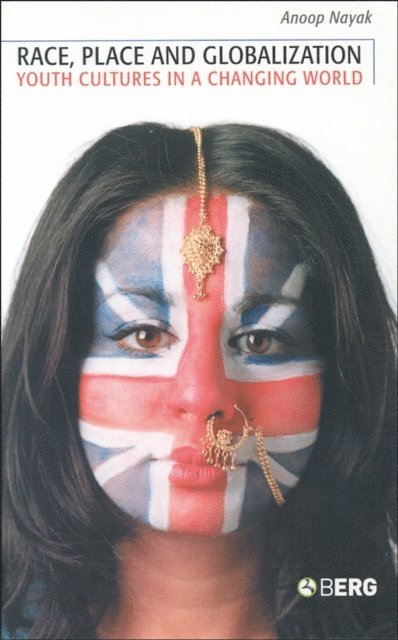
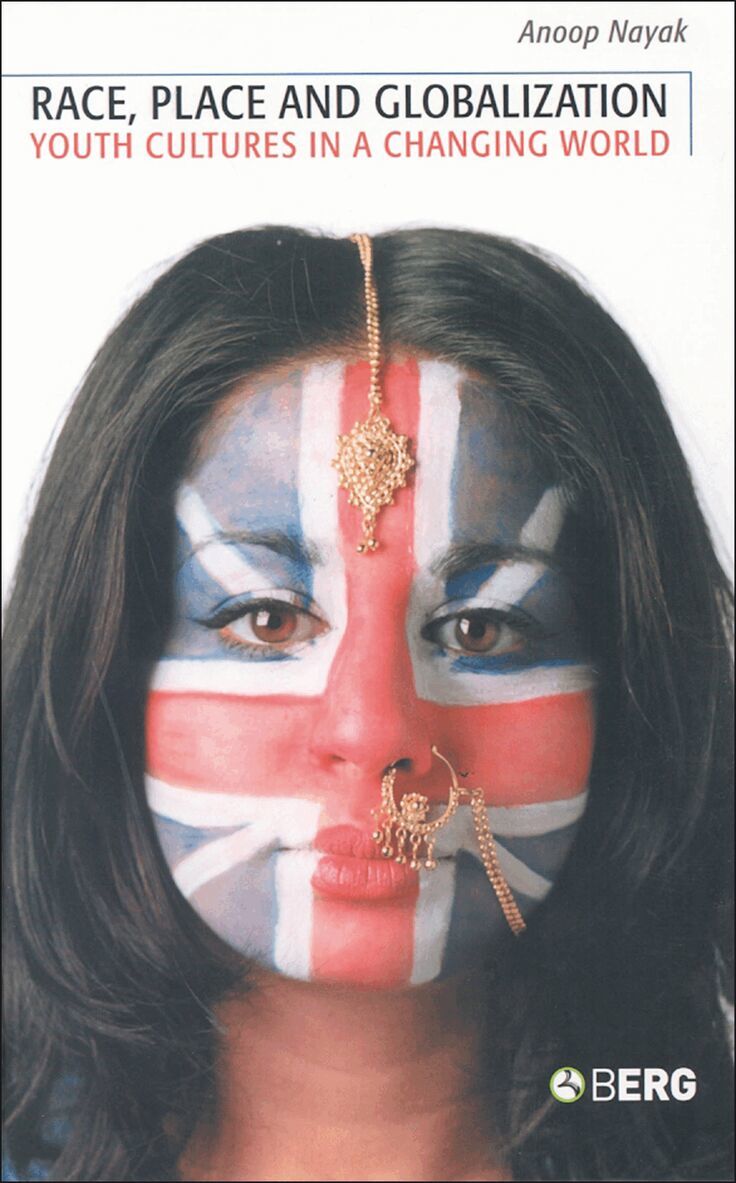
Race, Place and Globalization
Youth Cultures in a Changing World
Av Anoop Nayak
E-bok, 2016
624 kr
Lägg i varukorg
What does it mean to be young in a changing world? How are migration, settlement and new urban cultures shaping young lives? And in particular, are race, place and class still meaningful to contemporary youth cultures? This path-breaking book shows how young people are responding differently to …
Gender, Youth and Culture
Young Masculinities and Femininities
Av Anoop Nayak, Mary Jane Kehily
E-bok, 2013
624 kr
Lägg i varukorg
The question of how boys become men or how girls become women may seem simple, but the answers can be complex. This new edition draws upon rich examples from research, popular media, and global accounts, to explore how gender is produced, consumed, regulated and performed in young lives today.
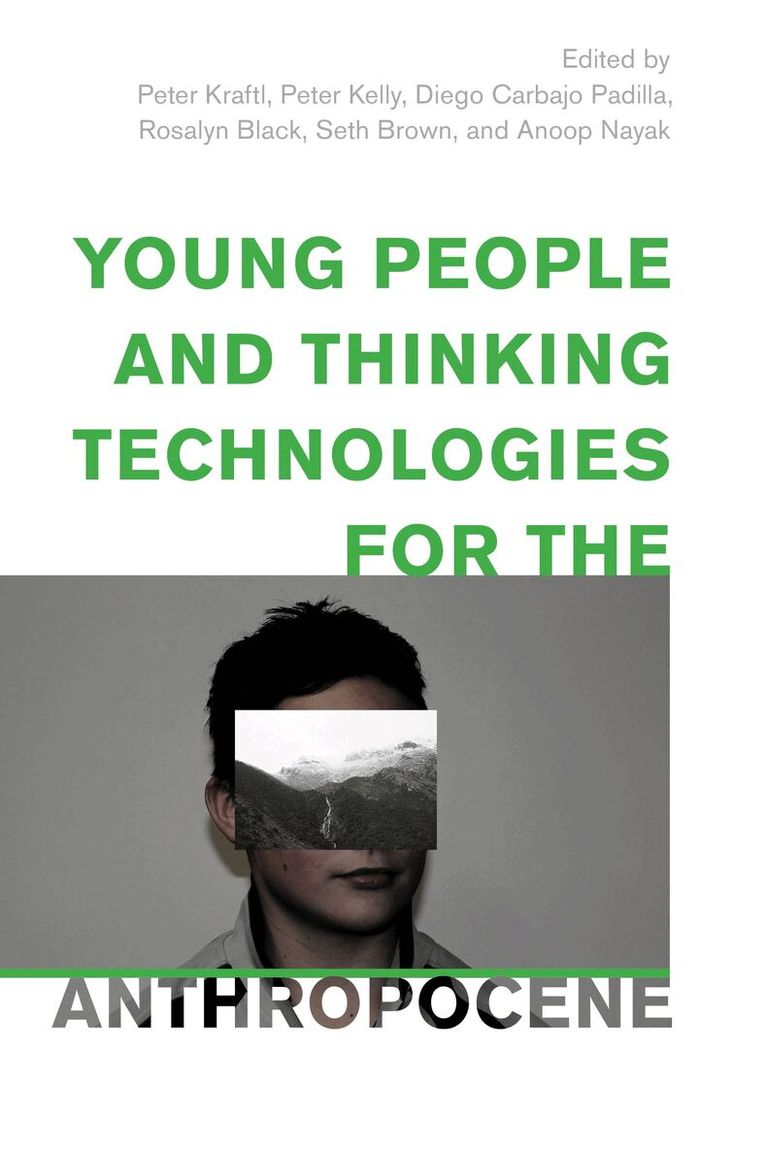
Young People and Thinking Technologies for the Anthropocene
Av Peter Kraftl, Peter Kelly m. fl.
Inbunden, 2022
1212 kr
Lägg i varukorg
This collection, which is a companion volume to Young People and Stories for the Anthropocene (Kelly et al., 2022), aims to find, to explore, and to co-produce ways of ‘staying with the trouble’ (Haraway 2016) that are disruptive of orthodoxies in childhood and youth studies, and productive of new …
Race, Place and Globalization
Youth Cultures in a Changing World
Av Anoop Nayak
E-bok, 2016
624 kr
Lägg i varukorg
What does it mean to be young in a changing world? How are migration, settlement and new urban cultures shaping young lives? And in particular, are race, place and class still meaningful to contemporary youth cultures? This path-breaking book shows how young people are responding differently to …
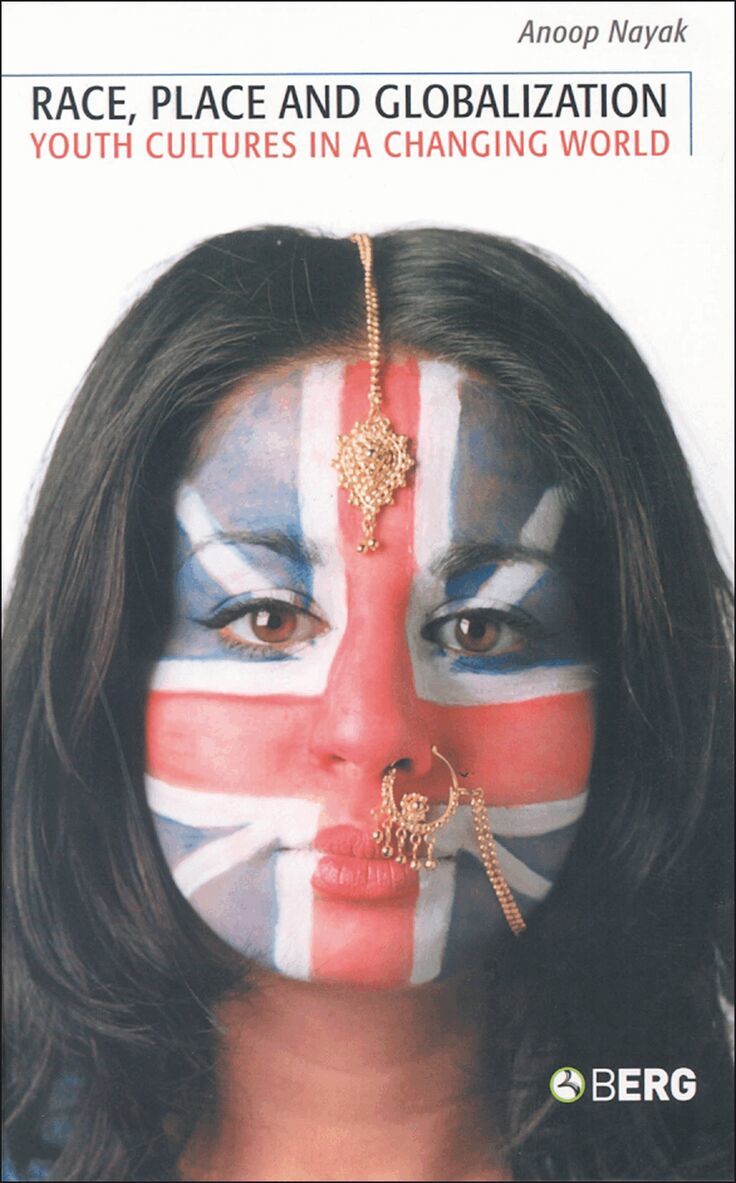
Race, Place and Globalization
Youth Cultures in a Changing World
Av Anoop Nayak
Inbunden, 2003
1844 kr
Lägg i varukorg
What does it mean to be young in a changing world? How are migration, settlement and new urban cultures shaping young lives? And in particular, are race, place and class still meaningful to contemporary youth cultures? This path-breaking book shows how young people are responding differently to …
Race, Place and Globalization
Youth Cultures in a Changing World
Av Anoop Nayak
Häftad, 2003
572 kr
Lägg i varukorg
What does it mean to be young in a changing world? How are migration, settlement and new urban cultures shaping young lives? And in particular, are race, place and class still meaningful to contemporary youth cultures? This path-breaking book shows how young people are responding differently to …
Geographical Thought: An Introduction to Ideas in Human Geography
Häftad, 2011
4,0 utav 5 stjärnor. Totalt antal röster: (2)
520 kr
Tillfälligt slut