Anthony M. Stevens-Arroyo – författare
Visar alla böcker från författaren . Handla med fri frakt och snabb leverans.
8 produkter
8 produkter
Inbunden, Engelska, 2012
702 kr
Skickas inom 10-15 vardagar
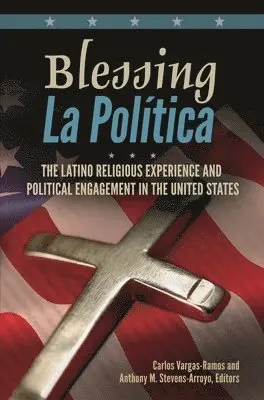
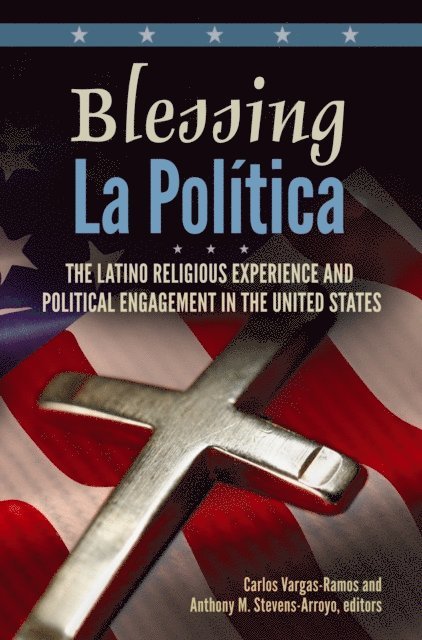
An essential guide to the new face of electoral politics in America, this book provides an examination of the political mobilization of Latinos and Latinas through the churches and the influence of being of the Catholic faith, enabling an understanding of the social and cultural dynamics at play.Blessing La Política: The Latino Religious Experience and Political Engagement in the United States presents a corrective challenge to the authoritative conclusion by the book Voice and Equality: Civic Voluntarism in American Politics that Latinos are less likely to become involved in politics because of the predominant Catholic beliefs of this demographic. Through comprehensive analysis of the political tendencies of Latinos and Latinas of faith, the findings in this work consistently counterpoint those conclusions from a variety of perspectives and methodologies.The research presented in the book comprises surveys that are national in scope—both of elites, and at the mass level—as well as localized in cities. The authors have also collected ethnographies that are localized in U.S. cities and transnational in nature. The result is both a broad view of Latino politics and religion, and detailed information that provides far more context that is possible in national-level quantitative studies.
E-bok
Engelska, 2012757 kr
Läs direkt efter köp
An essential guide to the new face of electoral politics in America, this book provides an examination of the political mobilization of Latinos and Latinas through the churches and the influence of being of the Catholic faith, enabling an understanding of the social and cultural dynamics at play. Blessing La Política: The Latino Religious Experience and Political Engagement in the United States presents a corrective challenge to the authoritative conclusion by the book Voice and Equality: Civic Voluntarism in American Politics that Latinos are less likely to become involved in politics because of the predominant Catholic beliefs of this demographic. Through comprehensive analysis of the political tendencies of Latinos and Latinas of faith, the findings in this work consistently counterpoint those conclusions from a variety of perspectives and methodologies.The research presented in the book comprises surveys that are national in scope—both of elites, and at the mass level—as well as localized in cities. The authors have also collected ethnographies that are localized in U.S. cities and transnational in nature. The result is both a broad view of Latino politics and religion, and detailed information that provides far more context that is possible in national-level quantitative studies.
Inbunden, Engelska, 2019
2 424 kr
Skickas inom 10-15 vardagar
Emmaus is the biblical episode that recounts how the disciples, who had been unable to recognize the resurrected Jesus even as he traveled with them, finally come to know him as their Lord through his inspirational conversation. In this major new work exploring Latino religion, Ana MarD-Stevens and Anthony M. Stevens-Arroyo compare a century-old pr
E-bok
PDF, Engelska, 2018858 kr
Läs direkt efter köp
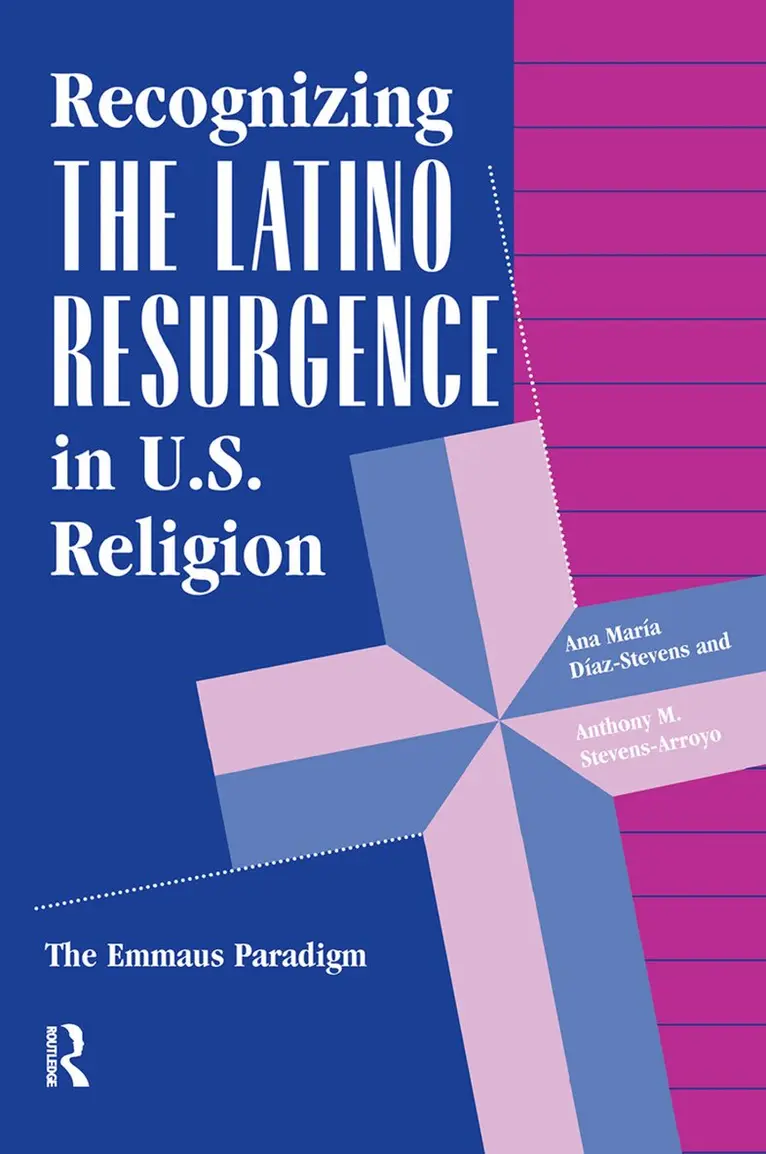
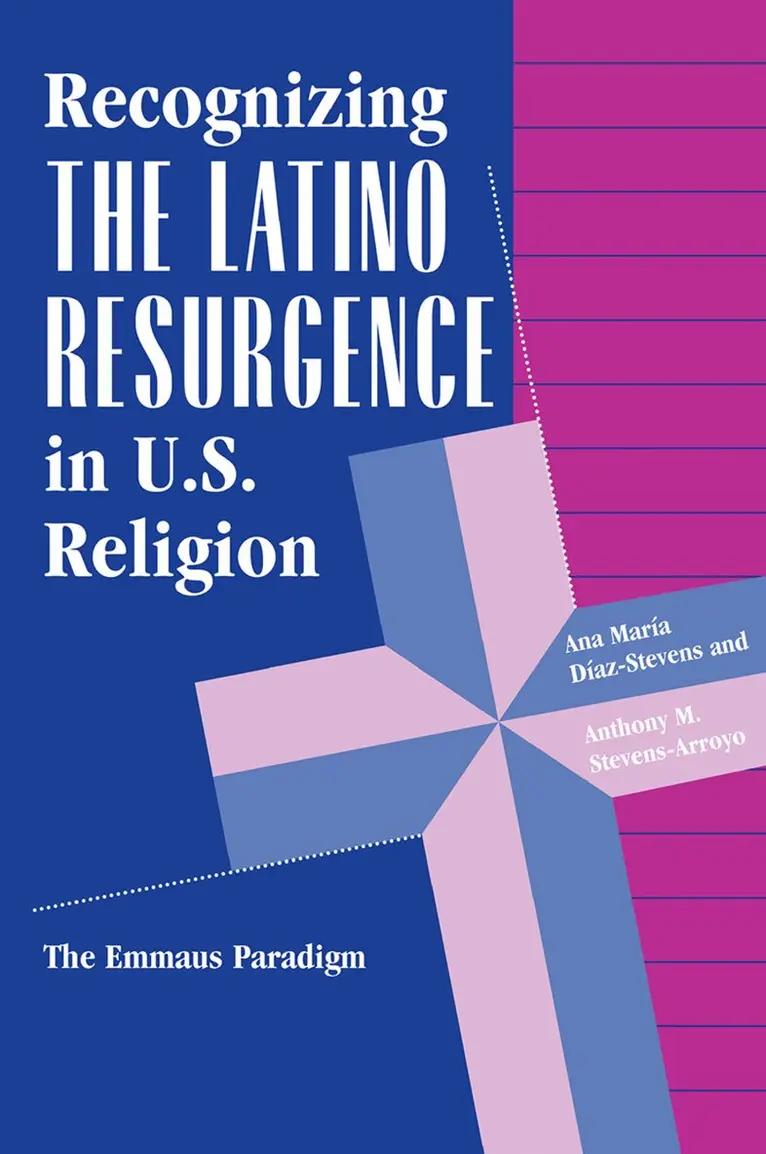
This book delivers a knockout blow to the old notion that Latinos and Latinas are just another immigrant group waiting to be assimilated. Taking as analogy the scriptural episode of Emmaus in which Jesus walked unrecognized alongside his disciples, the authors detail how after nearly a century of unrecognized presence, the nations more than 25 million Latinos and Latinas began, in 1967, to use religion as a major source of the social and symbolic capital to fortify their identity in American society. Ana Mara Daz-Stevens and Anthony M. Stevens-Arroyo describe how this Latino Religious Resurgence has created a church-based model of multicultural pluralism that challenges the current trend of U.S. politics. }Emmaus is the biblical episode that recounts how the disciples, who had been unable to recognize the resurrected Jesus even as he traveled with them, finally come to know him as their Lord through his inspirational conversation. In this major new work exploring Latino religion, Ana Mara Daz-Stevens and Anthony M. Stevens-Arroyo compare a century-old presence of Latinos and Latinas under the U.S. flag to the Emmaus account. They convincingly argue for a new paradigm that breaks with the conventional view of Latinos and Latinas as just another immigrant group waiting to be assimilated into the U.S. The authors suggest instead the concept of a colonized people who now are prepared to contribute their cultural and linguistic heritage to a multicultural and multilingual America.The first chapter provides an overview of the religious and demographic dynamics that have contributed a specifically Latino character to the practice of religion among the 25 million plus members of what will become the largest minority group in the U.S. in the twenty-first century. The next two chapters offer challenging new interpretations of tradition and colonialism, blending theory with multiple examples from historical and anthropological studies on Latinos and Latinas. The heart of the book is dedicated to exploring what the authors call the Latino Religious Resurgence, which took place between 1967 and 1982. Comparing this period to the Great Awakenings of Colonial America and the Risorgimento of nineteenth-century Italy, the authors describe a unique combination of social and political forces that stirred Latinos and Latinas nationally. Utilizing social science theories of social movement, symbolic capital, generational change, a new mentalit, and structuration, the authors explain why Latinos and Latinas, who had been in the U.S. all along, have only recently come to be recognized as major contributors to American religion. The final chapter paints an optimistic role for religion, casting it as a binding force in urban life and an important conduit for injecting moral values into the public realm.Offering an extensive bibliography of major works on Latino religion and contemporary social science theory, Recognizing the Latino Resurgence in U. S. Religion makes an important new contribution to the fields of sociology, religious studies, American history, and ethnic and Latino studies.
E-bok
Engelska, 2018858 kr
Läs direkt efter köp
This book delivers a knockout blow to the old notion that Latinos and Latinas are just another immigrant group waiting to be assimilated. Taking as analogy the scriptural episode of Emmaus in which Jesus walked unrecognized alongside his disciples, the authors detail how after nearly a century of unrecognized presence, the nations more than 25 million Latinos and Latinas began, in 1967, to use religion as a major source of the social and symbolic capital to fortify their identity in American society. Ana Mara Daz-Stevens and Anthony M. Stevens-Arroyo describe how this Latino Religious Resurgence has created a church-based model of multicultural pluralism that challenges the current trend of U.S. politics. }Emmaus is the biblical episode that recounts how the disciples, who had been unable to recognize the resurrected Jesus even as he traveled with them, finally come to know him as their Lord through his inspirational conversation. In this major new work exploring Latino religion, Ana Mara Daz-Stevens and Anthony M. Stevens-Arroyo compare a century-old presence of Latinos and Latinas under the U.S. flag to the Emmaus account. They convincingly argue for a new paradigm that breaks with the conventional view of Latinos and Latinas as just another immigrant group waiting to be assimilated into the U.S. The authors suggest instead the concept of a colonized people who now are prepared to contribute their cultural and linguistic heritage to a multicultural and multilingual America.The first chapter provides an overview of the religious and demographic dynamics that have contributed a specifically Latino character to the practice of religion among the 25 million plus members of what will become the largest minority group in the U.S. in the twenty-first century. The next two chapters offer challenging new interpretations of tradition and colonialism, blending theory with multiple examples from historical and anthropological studies on Latinos and Latinas. The heart of the book is dedicated to exploring what the authors call the Latino Religious Resurgence, which took place between 1967 and 1982. Comparing this period to the Great Awakenings of Colonial America and the Risorgimento of nineteenth-century Italy, the authors describe a unique combination of social and political forces that stirred Latinos and Latinas nationally. Utilizing social science theories of social movement, symbolic capital, generational change, a new mentalit, and structuration, the authors explain why Latinos and Latinas, who had been in the U.S. all along, have only recently come to be recognized as major contributors to American religion. The final chapter paints an optimistic role for religion, casting it as a binding force in urban life and an important conduit for injecting moral values into the public realm.Offering an extensive bibliography of major works on Latino religion and contemporary social science theory, Recognizing the Latino Resurgence in U. S. Religion makes an important new contribution to the fields of sociology, religious studies, American history, and ethnic and Latino studies.
Häftad, Engelska, 1997
724 kr
Skickas inom 10-15 vardagar
Emmaus is the biblical episode that recounts how the disciples, who had been unable to recognize the resurrected Jesus even as he traveled with them, finally come to know him as their Lord through his inspirational conversation. In this major new work exploring Latino religion, Ana Mar D-Stevens and Anthony M. Stevens-Arroyo compare a century-old presence of Latinos and Latinas under the U.S. flag to the Emmaus account. They convincingly argue for a new paradigm that breaks with the conventional view of Latinos and Latinas as just another immigrant group waiting to be assimilated into the U.S. The authors suggest instead the concept of a colonized people who now are prepared to contribute their cultural and linguistic heritage to a multicultural and multilingual America.The first chapter provides an overview of the religious and demographic dynamics that have contributed a specifically Latino character to the practice of religion among the 25 million plus members of what will become the largest minority group in the U.S. in the twenty-first century. The next two chapters offer challenging new interpretations of tradition and colonialism, blending theory with multiple examples from historical and anthropological studies on Latinos and Latinas. The heart of the book is dedicated to exploring what the authors call the Latino Religious Resurgence, which took place between 1967 and 1982. Comparing this period to the Great Awakenings of Colonial America and the Risorgimento of nineteenth-century Italy, the authors describe a unique combination of social and political forces that stirred Latinos and Latinas nationally. Utilizing social science theories of social movement, symbolic capital, generational change, a new mentalit and structuration, the authors explain why Latinos and Latinas, who had been in the U.S. all along, have only recently come to be recognized as major contributors to American religion. The final chapter paints an optimistic role for religion, casting it as a binding force in urban life and an important conduit for injecting moral values into the public realm.Offering an extensive bibliography of major works on Latino religion and contemporary social science theory, Recognizing the Latino Resurgence in U.S. Religion makes an important new contribution to the fields of sociology, religious studies, American history, and ethnic and Latino studies.
Häftad, Engelska, 2026
384 kr
Kommande
E-bok
Engelska, 2012757 kr
Läs direkt efter köp
An essential guide to the new face of electoral politics in America, this book provides an examination of the political mobilization of Latinos and Latinas through the churches and the influence of being of the Catholic faith, enabling an understanding of the social and cultural dynamics at play. Blessing La Política: The Latino Religious Experience and Political Engagement in the United States presents a corrective challenge to the authoritative conclusion by the book Voice and Equality: Civic Voluntarism in American Politics that Latinos are less likely to become involved in politics because of the predominant Catholic beliefs of this demographic. Through comprehensive analysis of the political tendencies of Latinos and Latinas of faith, the findings in this work consistently counterpoint those conclusions from a variety of perspectives and methodologies.The research presented in the book comprises surveys that are national in scope—both of elites, and at the mass level—as well as localized in cities. The authors have also collected ethnographies that are localized in U.S. cities and transnational in nature. The result is both a broad view of Latino politics and religion, and detailed information that provides far more context that is possible in national-level quantitative studies.