Antoni Kapcia - Böcker
Visar alla böcker från författaren Antoni Kapcia. Handla med fri frakt och snabb leverans.
16 produkter
16 produkter
1 228 kr
Tillfälligt slut
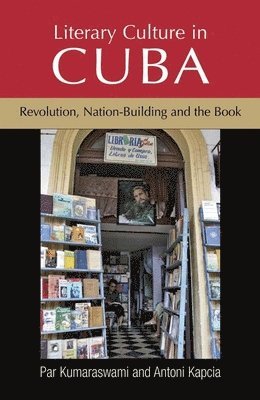
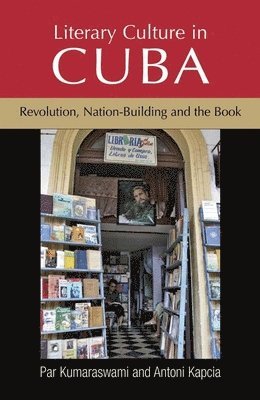
This book brings an original and innovative approach to a much-misunderstood aspect of the Cuban Revolution: the place of literature and the creation of a literary culture. Based on over 100 interviews with a wide range of actors involved in the structures and processes that produce, regulate, promote and consume literature on the island, the book breaks new ground by going beyond the conventional approach (the study of individual authors and texts) and by going beyond the canon of texts known outside Cuba. It thus presents a historical analysis of the evolution of literary culture from 1959 to the present, as well as a series of more detailed case studies (on writing workshops, the Havana Book Festival and the publishing infrastructure) which reveal how this culture is created in contemporary Cuba. It thus contributes a new and complex vision of revolutionary Cuban culture which is as detailed as it is comprehensive.
485 kr
Skickas inom 5-8 vardagar
Available in paperback for the first time, this book brings an original and innovative approach to a much-misunderstood aspect of the Cuban Revolution: the place of literature and the creation of a literary culture. Based on over 100 interviews with a wide range of actors involved in the structures and processes that produce, regulate, promote and consume literature on the island, the book breaks new ground by going beyond the conventional approach (the study of individual authors and texts) and by going beyond the canon of texts known outside Cuba. It thus presents a historical analysis of the evolution of literary culture from 1959 to the present, as well as a series of more detailed case studies (on writing workshops, the Havana Book Festival and the publishing infrastructure) which reveal how this culture is created in contemporary Cuba. It thus contributes a new and complex vision of revolutionary Cuban culture which is as detailed as it is comprehensive.
660 kr
Skickas inom 7-10 vardagar
Does a civil society actually exist in Cuba today and if so what are its nature and role? In seeking answers to this hotly contested and highly politicized question, Alexander Gray and Antoni Kapcia have assembled an impressive and diverse group of contributors.The essays in ""The Changing Dynamic of Cuban Civil Society"" range from general discussion of the private sector to case studies about volunteer work, religious entities, and nongovernmental organizations (NGOs). Since the fall of the Soviet Union and the economic crisis in 1990, the Cuban state has experienced severe challenges, and individuals have been forced to respond in unexpected ways to ensure their economic survival. Avoiding polemics and preconceptions, this volume brings a fresh and welcome perspective to one of the most vexing issues in Cuban society today.
3 030 kr
Skickas inom 10-15 vardagar
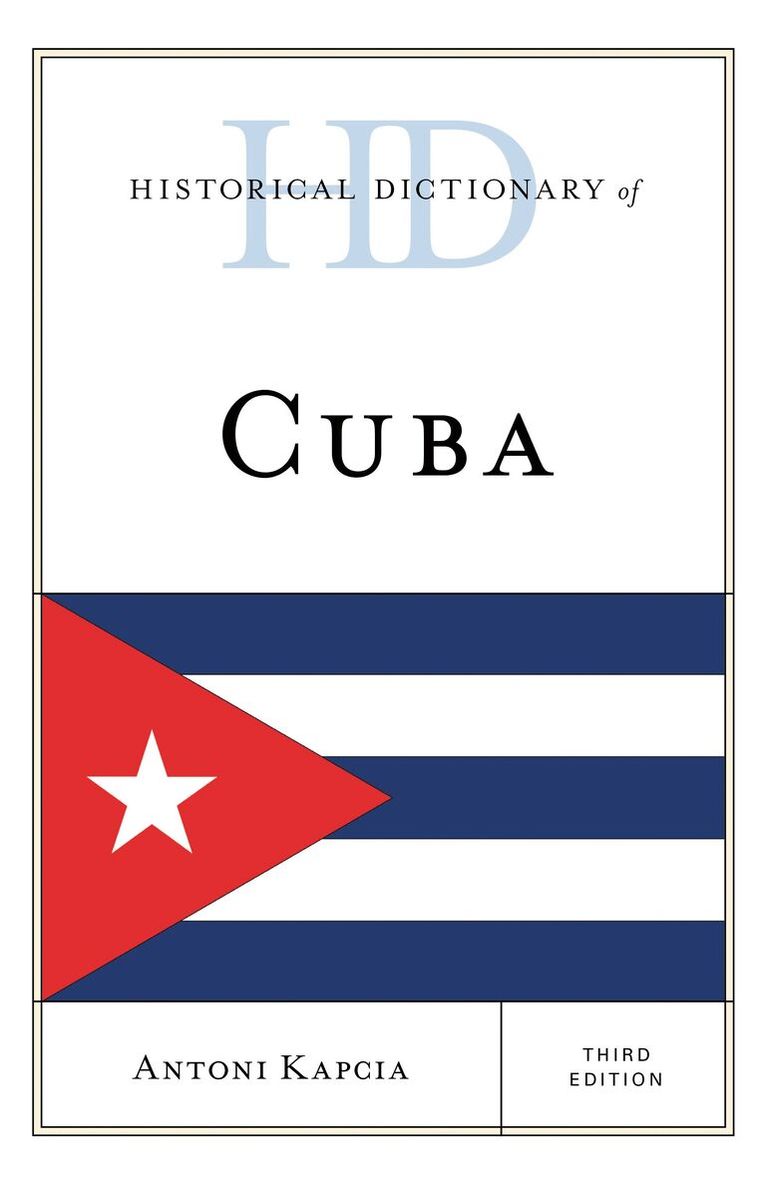
This work is a completely new Historical Dictionary for Cuba (the first since 1988). It gives a comprehensive and detailed coverage and analysis of all of the key elements, factors, biographies, narratives, and treaties in Cuban history from the 1400s to the present day, with an emphasis on the decades after 1959.Historical Dictionary of Cuba, Third Edition contains a chronology, an introduction, and an extensive bibliography. The dictionary section has more than 1.000 cross-referenced entries on important personalities as well as aspects of the country’s politics, economy, foreign relations, religion, and culture. This book is an excellent resource for students, researchers, and anyone wanting to know more about Cuba.
325 kr
Tillfälligt slut
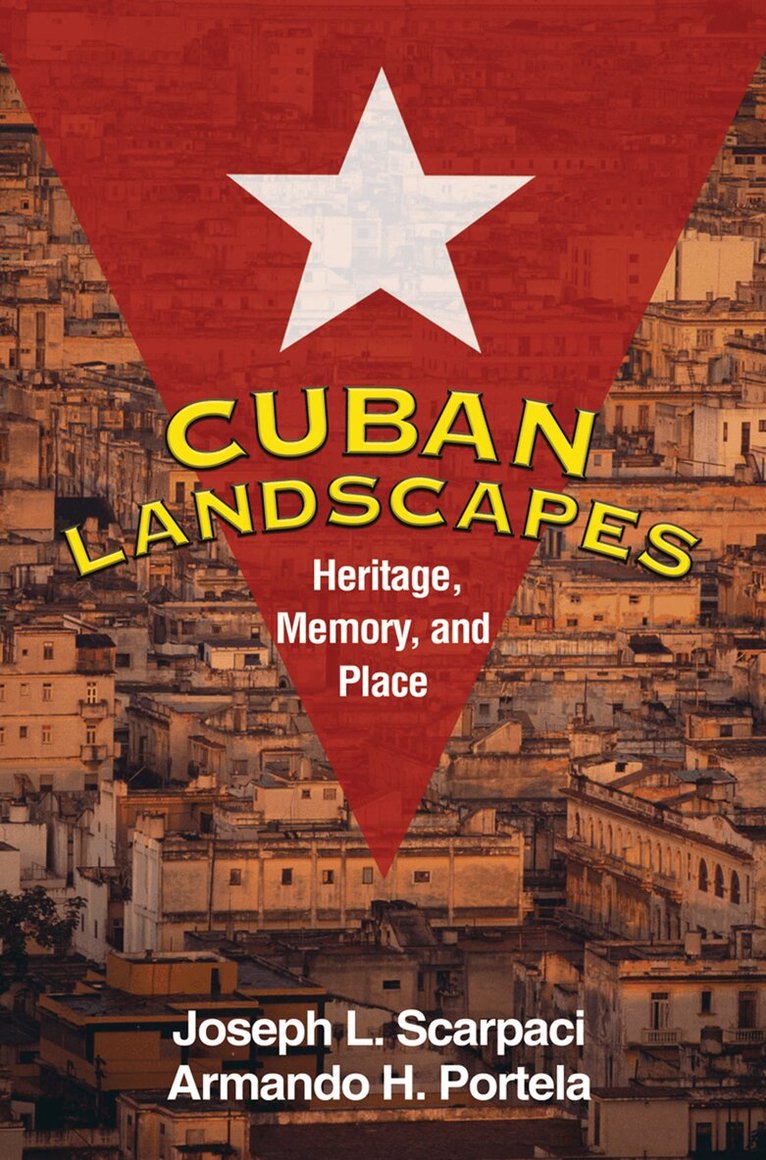
This accessible book offers a vivid geographic portrait of Cuba, exploring the island’s streetscapes, sugar cane fields, beaches, and rural settlements; its billboards, government buildings, and national landmarks. The authors illuminate how natural and built landscapes have shaped Cuban identity (cubanidad), and vice versa. They provide a unique perspective on Cuba’s distinct historical periods and political economies, from the colonial period through republicanism and today’s socialist era. Compelling topics include the legacies of slavery and the sugar industry, the past and future of urban development, and the impact of “islandness” on sociocultural processes.
314 kr
Skickas inom 10-15 vardagar
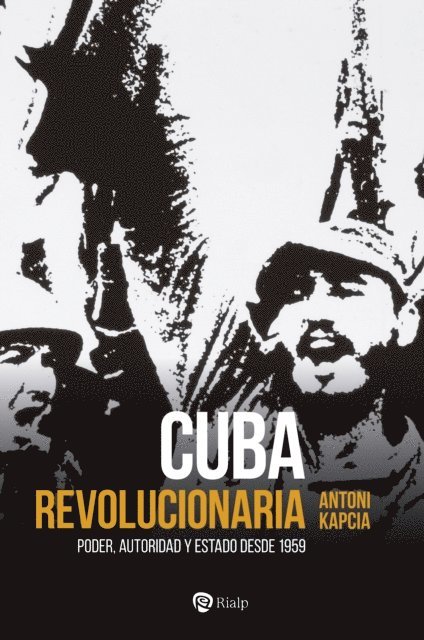
Most conventional readings of the Cuban Revolution have seemed mesmerised by the personality and role of Fidel Castro, often missing a deeper political understanding of the Revolution’s underlying structures, bases of popular loyalty and ethos of participation.In this ground-breaking work, Antoni Kapcia focuses instead on a wider cast of characters. Along with the more obvious, albeit often misunderstood, contributions from Che Guevara and Raúl Castro, Kapcia looks at the many others who, over the decades, have been involved in decision-making and have often made a significant difference. He interprets their various roles within a wider process of nation-building, demonstrating that Cuba has undergone an unusual, if not unique, process of change.Essential reading for anyone interested in Cuba's history and its future.
1 209 kr
Skickas inom 10-15 vardagar
Most conventional readings of the Cuban Revolution have seemed mesmerised by the personality and role of Fidel Castro, often missing a deeper political understanding of the Revolution’s underlying structures, bases of popular loyalty and ethos of participation.In this ground-breaking work, Antoni Kapcia focuses instead on a wider cast of characters. Along with the more obvious, albeit often misunderstood, contributions from Che Guevara and Raúl Castro, Kapcia looks at the many others who, over the decades, have been involved in decision-making and have often made a significant difference. He interprets their various roles within a wider process of nation-building, demonstrating that Cuba has undergone an unusual, if not unique, process of change.Essential reading for anyone interested in Cuba's history and its future.
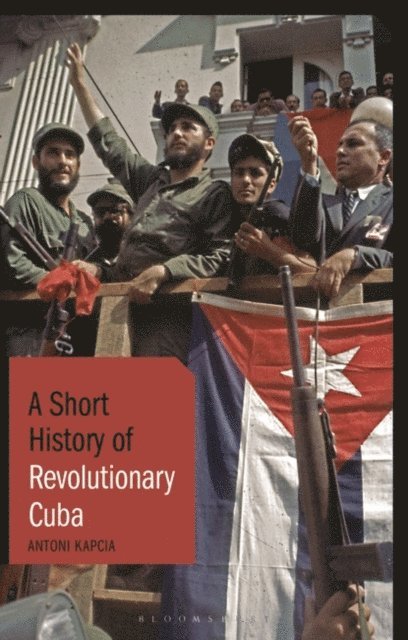
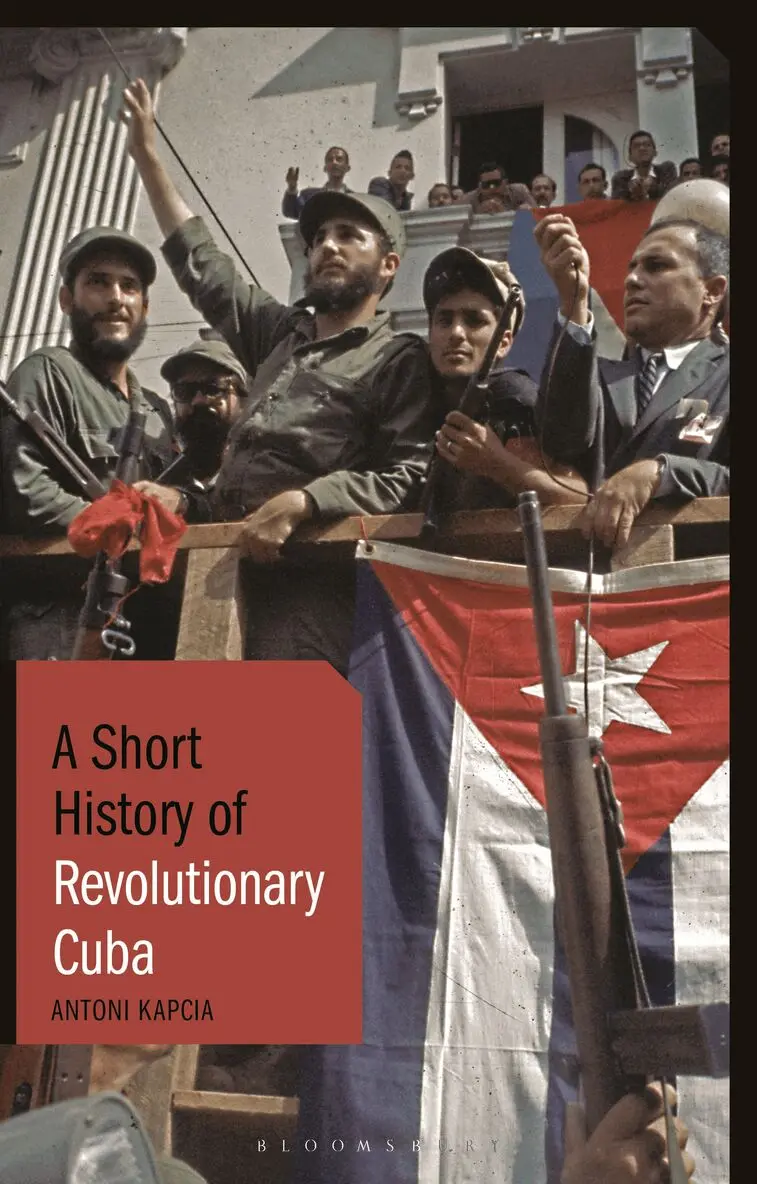
Short History of Revolutionary Cuba
Revolution, Power, Authority and the State from 1959 to the Present Day
Inbunden, Engelska, 2021
833 kr
Skickas inom 10-15 vardagar
Few island nations have stirred the soul like Cuba. From Hemingway’s intoxicating Havana to Ry Cooder’s Buena Vista Social Club, outsiders have persistently been fascinated by Cuba for its music (jazz to rumba), its rich literature, its art and dance (danzón to mambo) and perhaps above all for its bold experiment of a socialist revolution in action. Antoni Kapcia shows how the thaw in relations between Cuba and the USA now makes a fresh appraisal of the country and its modern history essential. He authoritatively explores the ‘essence’ of the Cuban revolution, revealing it to be a maverick phenomenon tied not so much to socialism or Communism for their own sakes but instead to an idealistic vision of postcolonial nationalism. Reassessing the Cuban Missile Crisis of 1962, the author examines the central personalities: not just the famous trio of Che Guevara, Fidel and Raúl Castro in shaping the ideas of the revolution but, still further back, the visionary ideology of José Martí. Kapcia’s book reflects on the future of the revolution as aúl nd his government began to cede power to a new generation.
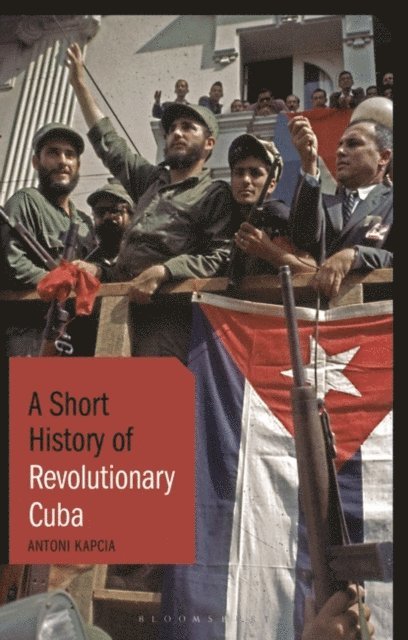
Short History of Revolutionary Cuba
Revolution, Power, Authority and the State from 1959 to the Present Day
Häftad, Engelska, 2021
227 kr
Skickas inom 10-15 vardagar
Few island nations have stirred the soul like Cuba. From Hemingway’s intoxicating Havana to Ry Cooder’s Buena Vista Social Club, outsiders have persistently been fascinated by Cuba for its music (jazz to rumba), its rich literature, its art and dance (danzón to mambo) and perhaps above all for its bold experiment of a socialist revolution in action. Antoni Kapcia shows how the thaw in relations between Cuba and the USA now makes a fresh appraisal of the country and its modern history essential. He authoritatively explores the ‘essence’ of the Cuban revolution, revealing it to be a maverick phenomenon tied not so much to socialism or Communism for their own sakes but instead to an idealistic vision of postcolonial nationalism. Reassessing the Cuban Missile Crisis of 1962, the author examines the central personalities: not just the famous trio of Che Guevara, Fidel and Raúl Castro in shaping the ideas of the revolution but, still further back, the visionary ideology of José Martí. Kapcia’s book reflects on the future of the revolution as Raúl and his government begin to cede power to a new generation.
1 520 kr
Skickas inom 10-15 vardagar
As spiritual home of Che Guevara and arch-enemy of the United States for more than forty years, Cuba exerts a powerful hold over people's imaginations. The Revolution and its leader, Fidel Castro, have survived invasion, repeated external and internal crisis, and most astonishingly, economic collapse and political isolation. What is at the root of the continuity and success of the 'Revolution' and in what sense can it be termed a 'revolution'? This book is the first in-depth study of Cuba to examine its history and revolutionary transformation through the evolution of ideology and myth. Music, political campaigns, street and media propaganda, literature, cinema, and drama have served to establish a cubanista tradition, supported by powerful myths such as Che Guevara and Jose Marti, the New Man, youth, and an Afro-Cuban identity.Challenging preconceptions and conventional wisdoms about Cuba and its leadership, this book presents a remarkable portrait of the distinctive history of the island's culture.The interplay of history, revolutionary action, and ideology through myth and collective experience make this book essential reading for Cuban scholars, Latin American and US historians, political analysts and those generally interested in the history and future of Cuban political culture.
489 kr
Skickas inom 10-15 vardagar
As the spiritual home of Che Guevara and arch-enemy of the USA for more than 40 years, Cuba exerts a powerful hold over people's imaginations. The Revolution and its leader, Fidel Castro, have survived invasion, repeated external and internal crisis, and most astonishingly, economic collapse and political isolation. What is at the root of the continuity and success of the "Revolution" and in what sense can it be termed a "revolution"? This study of Cuba examines its history and revolutionary transformation through the evolution of ideology and myth. Music, political campaigns, street and media propaganda, literature, cinema and drama served to establish a cubanista tradition, supported by powerful myths such as Che Guevara and Jose Marti, the New Man, youth, and an Afro-Cuban identity. Challenging preconceptions and conventional wisdoms about Cuba and its leadership, this book presents a portrait of the distinctive history of the island's culture.
1 703 kr
Skickas inom 10-15 vardagar
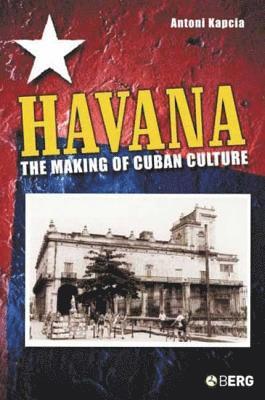
Fat cigars, big cars, dirty money, vibrant music, intellectual ferment. Havana, since its creation in 1535, has long offered a unique, bewildering mix of the backward and the hip, the seedy and the sophisticated. In many respects, it shares the characteristics of other colonial or post-colonial cities of the Caribbean and Latin America. But at the same time, Havana created its own niche both as an international city and a dynamic national capital. Despite Cuba's fluctuating fortunes, Havana has always managed to thrive and develop its own unique character as an urban, social, economic, cultural and political site. Havana offers a sweeping account of the city and its cultural development, focusing especially on the last two centuries and on the role played by the city's cultural communities in the search for national identity. The author introduces us to a marginal city with roots in the sixteenth century, taking us through the periods when it was a sugar boomtown, pulled between empires, a decadent metropolis, a site of both cultural revolution and relative stagnation during the development of the Revolution to its revival in the 1990s.He looks at the often creative tensions between external influences (especially Spain, France and the United States) and indigenous cultural pressures. Areas covered include architecture, literature, music, dance, cinema and the press. Cosmopolitan playground and nationalist vanguard, Havana has developed its own style while at the same time both reflecting and directing the complicated politics of the whole of Cuba. This book offers a concise introduction to one of the most intriguing cities of the twenty-first century.
474 kr
Skickas inom 10-15 vardagar
Fat cigars, big cars, dirty money, vibrant music, intellectual ferment. Havana, since its creation in 1535, has long offered a unique, bewildering mix of the backward and the hip, the seedy and the sophisticated. In many respects, it shares the characteristics of other colonial or post-colonial cities of the Caribbean and Latin America. But at the same time, Havana created its own niche both as an international city and a dynamic national capital. Despite Cuba's fluctuating fortunes, Havana has always managed to thrive and develop its own unique character as an urban, social, economic, cultural and political site. Havana offers a sweeping account of the city and its cultural development, focusing especially on the last two centuries and on the role played by the city's cultural communities in the search for national identity. The author introduces us to a marginal city with roots in the sixteenth century, taking us through the periods when it was a sugar boomtown, pulled between empires, a decadent metropolis, a site of both cultural revolution and relative stagnation during the development of the Revolution to its revival in the 1990s.He looks at the often creative tensions between external influences (especially Spain, France and the United States) and indigenous cultural pressures. Areas covered include architecture, literature, music, dance, cinema and the press. Cosmopolitan playground and nationalist vanguard, Havana has developed its own style while at the same time both reflecting and directing the complicated politics of the whole of Cuba. This book offers a concise introduction to one of the most intriguing cities of the twenty-first century.
297 kr
Skickas inom 7-10 vardagar
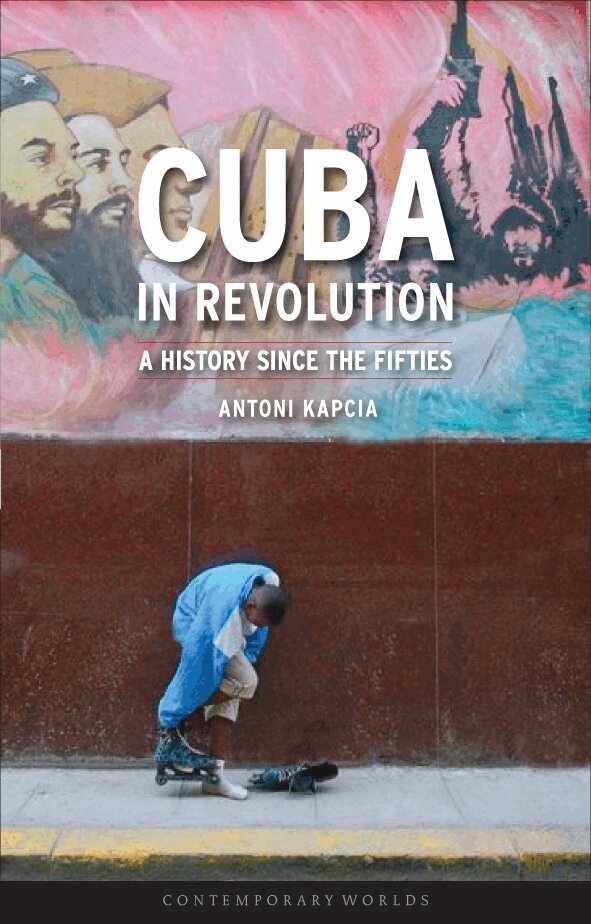
The recent retirement of Fidel Castro turned the world’s attention towards the island nation of Cuba and the question of what its future holds. Amid the talk and hypothesizing, it is worth taking a moment to consider how Cuba reached this point. Antoni Kapcia provides this with his incisive history of Cuba since 1959.Kapcia’s history takes the Cuban Revolution as its starting point, analysing the process of social revolution, its benefits and disadvantages, popular participation in the revolution and the development of its ideology. Kapcia probes Castro’s rapid rise to national leader, exploring his politics of defence and dissent as well as his contentious relationship with the USA from the beginning of his reign. The book also considers the evolution of the revolution’s international profile and Cuba’s foreign relations over the years, investigating issues and events such as the Bay of Pigs crisis, Cuban relations with Communist nations like Russia and China, and the flight of asylum-seeking Cubans to Florida over the decades. The collapse of the Soviet Union between 1989 and 1991 catalysed a severe economic and political crisis in Cuba, but Cuba was surprisingly resilient in the face of the catastrophe, Kapcia notes, and he examines the strategies adopted by Cuba over the last two decades in order to survive America’s longstanding trade embargo.A fascinating and much-needed examination of a country that has served as an important political symbol and diplomatic enigma for the twentieth century, Cuba in Revolution is a critical primer for all those interested in Cuba’s past - or concerned with its future.
446 kr
Skickas inom 5-8 vardagar
494 kr
Tillfälligt slut