Anu Pandita – författare
2 322 kr
Läs direkt efter köp
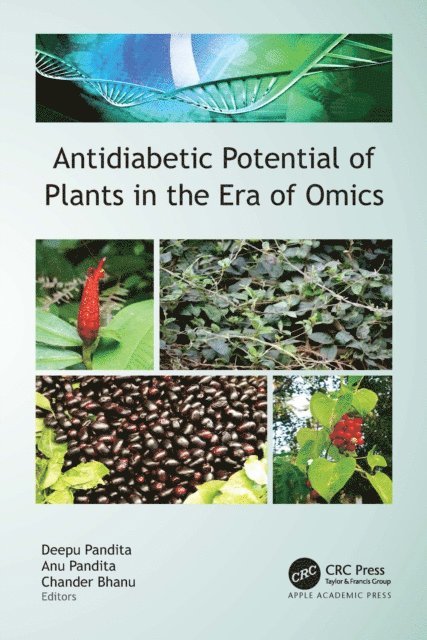
Here is an informative overview of diabetes mellitus in conjunction with plant-based treatments. It discusses available methods for studying the antidiabetic activities of scientifically developed plant products, mechanisms of action, their therapeutic superiority, and current genome editing research perspectives and biotechnological approaches.
The book begins with an introduction to diabetes, giving a brief overview of the history, diagnosis, classification, pathophysiology, and risk factors. It goes on to review traditional uses of plants for diabetes along with ethnobotanical information. The results of scientific studies on the various modes of action of antidiabetic plants are discussed, such as the molecular aspects of active plantbased antidiabetic drug molecules. A section featuring recent biotechnological advancements of antidiabetic plants and plant-based antidiabetic drugs covers advances in molecular breeding and application of molecular markers, biotechnologically engineered transgenic medicinal plants, and advances in genomic editing tools and techniques.
2 322 kr
Läs direkt efter köp
Here is an informative overview of diabetes mellitus in conjunction with plant-based treatments. It discusses available methods for studying the antidiabetic activities of scientifically developed plant products, mechanisms of action, their therapeutic superiority, and current genome editing research perspectives and biotechnological approaches.
The book begins with an introduction to diabetes, giving a brief overview of the history, diagnosis, classification, pathophysiology, and risk factors. It goes on to review traditional uses of plants for diabetes along with ethnobotanical information. The results of scientific studies on the various modes of action of antidiabetic plants are discussed, such as the molecular aspects of active plantbased antidiabetic drug molecules. A section featuring recent biotechnological advancements of antidiabetic plants and plant-based antidiabetic drugs covers advances in molecular breeding and application of molecular markers, biotechnologically engineered transgenic medicinal plants, and advances in genomic editing tools and techniques.
2 322 kr
Läs direkt efter köp
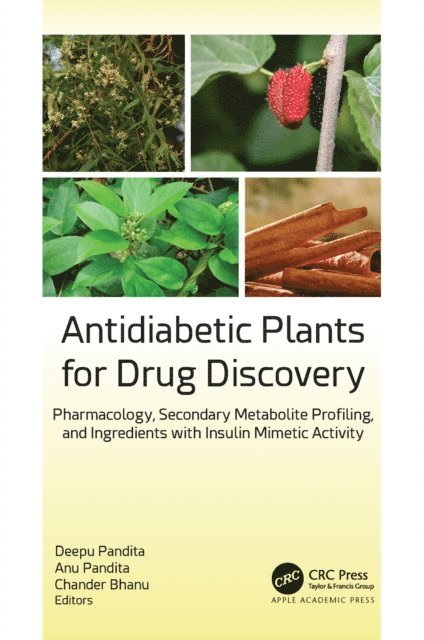
This volume takes an in-depth look at the potential pharmacological applications of 11 important antidiabetic plants, examining their antihyperglycemic, hypoglycemic, and anti-lipidemic properties along with current genome editing research perspectives.
Plant natural products, or phytoconstituents, are promising candidates for antidiabetic pharmacological actions. The phytoconstituents, such as fl avonoids, terpenoids, saponins, carotenoids, alkaloids and glycosides, play vital roles in the current and future potent antidiabetic drug development programs
Each chapter reviews a particular plant with antidiabetic properties, explaining the therapeutic aspects, its active antidiabetic compounds, and relevant genome editing technology. The specific plants discussed include Azadirachta indica (commonly known as neem, nimtree or Indian lilac), Gymnema sylvestre (commonly called gymnema, Australian cowplant, and Periploca of the woods), Syzygium cumini (commonly known as Malabar plum, Java plum, black plum, jamun or jambolana), Ceylon cinnamon (or true cinnamon, as opposed to cassia cinnamon), insulin plant (or Costus pictus), Trigonella foenum-graecum (better known as fenugreek), Mulberry, Nigella sativa L. (black caraway, also known as black cumin, nigella, kalojeera, kalonji or kalanji), Aegle marmelos (L.) (commonly known as bael (or bili or bhel), also Bengal quince, golden apple, Japanese bitter orange, stone apple or wood apple), Ficus benghalensis (the banyan, banyan fig and Indian banyan), and of course, garlic (Allium sativum).
Antidiabetic Plants for Drug Discovery: Pharmacology, Secondary Metabolite Profiling, and Ingredients with Insulin Mimetic Activity will serve as a valuable source of information for students, drug researchers, medical practitioners, diabetic patients, and many others in the effort to gain understand of how these plant drug molecules can help fight diabetes.
2 322 kr
Läs direkt efter köp
This volume takes an in-depth look at the potential pharmacological applications of 11 important antidiabetic plants, examining their antihyperglycemic, hypoglycemic, and anti-lipidemic properties along with current genome editing research perspectives.
Plant natural products, or phytoconstituents, are promising candidates for antidiabetic pharmacological actions. The phytoconstituents, such as fl avonoids, terpenoids, saponins, carotenoids, alkaloids and glycosides, play vital roles in the current and future potent antidiabetic drug development programs
Each chapter reviews a particular plant with antidiabetic properties, explaining the therapeutic aspects, its active antidiabetic compounds, and relevant genome editing technology. The specific plants discussed include Azadirachta indica (commonly known as neem, nimtree or Indian lilac), Gymnema sylvestre (commonly called gymnema, Australian cowplant, and Periploca of the woods), Syzygium cumini (commonly known as Malabar plum, Java plum, black plum, jamun or jambolana), Ceylon cinnamon (or true cinnamon, as opposed to cassia cinnamon), insulin plant (or Costus pictus), Trigonella foenum-graecum (better known as fenugreek), Mulberry, Nigella sativa L. (black caraway, also known as black cumin, nigella, kalojeera, kalonji or kalanji), Aegle marmelos (L.) (commonly known as bael (or bili or bhel), also Bengal quince, golden apple, Japanese bitter orange, stone apple or wood apple), Ficus benghalensis (the banyan, banyan fig and Indian banyan), and of course, garlic (Allium sativum).
Antidiabetic Plants for Drug Discovery: Pharmacology, Secondary Metabolite Profiling, and Ingredients with Insulin Mimetic Activity will serve as a valuable source of information for students, drug researchers, medical practitioners, diabetic patients, and many others in the effort to gain understand of how these plant drug molecules can help fight diabetes.
2 255 kr
Läs direkt efter köp
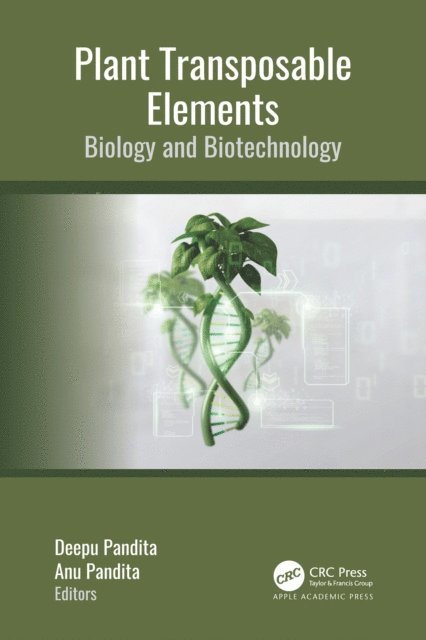
This new volume provides an up-to-date understanding of the numerous classes of plant transposable elements, the mobile units of DNA that comprise large portions of plant genomes, which are an important contributor for gene and genome evolution. Transposable elements (TEs) are major components of large plant genomes and main drivers of genome evolution, known to produce a wide variety of changes in plant gene expression and function.
Providing a systematic interpretation of protocols designed to characterize TEs and their biotechnological roles, the volume explores TEs in plant development, their architecture, their epigenetic regulation, their use in DNA repair, their evolution and speciation, while also highlighting their importance in the approaching epoch of climate change.
The volume begins with introduction of transposable elements, covering their classification and transposition. It delves into protocols designed to characterize TEs and their biotechnological applications. The book includes computational approaches for prediction and analysis, retro-transposon capture sequencing, and more. The section on transposon biology focuses on its role in plant development and as natural genetic engineers of genome mutation, evolution, and speciation. The book looks further into transposon applications in genome editing, exploring tagging and mutagenesis, genome engineering, and more.
2 255 kr
Läs direkt efter köp
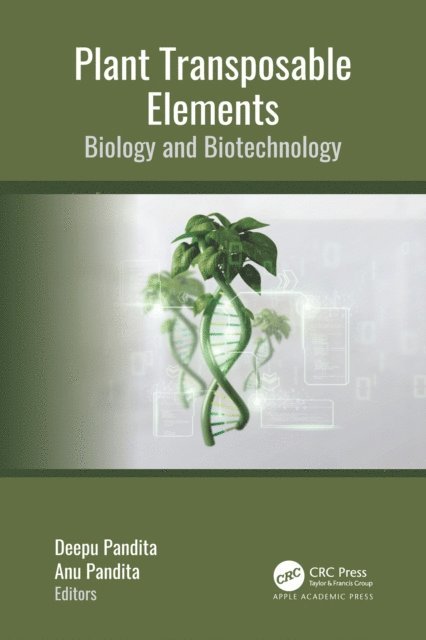
This new volume provides an up-to-date understanding of the numerous classes of plant transposable elements, the mobile units of DNA that comprise large portions of plant genomes, which are an important contributor for gene and genome evolution. Transposable elements (TEs) are major components of large plant genomes and main drivers of genome evolution, known to produce a wide variety of changes in plant gene expression and function.
Providing a systematic interpretation of protocols designed to characterize TEs and their biotechnological roles, the volume explores TEs in plant development, their architecture, their epigenetic regulation, their use in DNA repair, their evolution and speciation, while also highlighting their importance in the approaching epoch of climate change.
The volume begins with introduction of transposable elements, covering their classification and transposition. It delves into protocols designed to characterize TEs and their biotechnological applications. The book includes computational approaches for prediction and analysis, retro-transposon capture sequencing, and more. The section on transposon biology focuses on its role in plant development and as natural genetic engineers of genome mutation, evolution, and speciation. The book looks further into transposon applications in genome editing, exploring tagging and mutagenesis, genome engineering, and more.
2 385 kr
Läs direkt efter köp
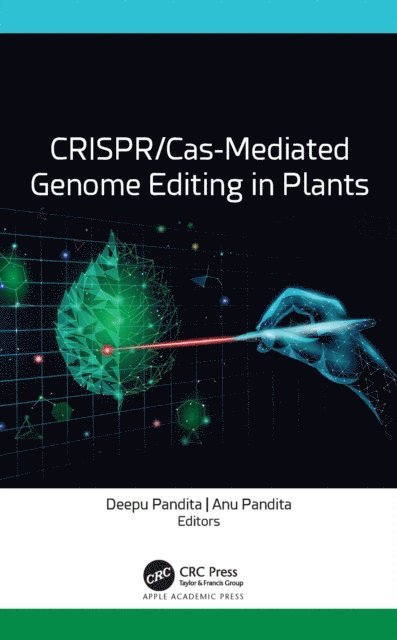
With over 820 million people facing hunger in today’s world, the need of the hour is the design of plant varieties with high yield, improved traits, and resistance properties in order to mitigate the detrimental impacts of biotic and abiotic stress conditions on food crops. This volume highlights the use of Clustered Regularly Interspaced Short Palindromic Repeats (CRISPR) and CRISPR-associated nuclease proteins as a solution for sustainable agriculture. CRISPR/Cas-mediated genome editing (GE) provides a robust, simple, precise, efficient, economical, and revolutionary toolbox that leads to improved plant traits with enhanced yield, quality, and resistance against various stresses, including climate-related stress, insect pests and diseases, pollution-related stresses, etc.
Key features of the book:
Explains the differences between conventional breeding, genetically modified crops, and genome editing approaches using CRISPR/Cas Introduces the tools of genome editing, such as ZFNS (zinc finger nucleases), mega nucleases, and TLENS (transcription activator-like effector nucleases) Covers the history, origin, discovery, structure, and classification of CRISPR/Cas Examines the databases and computational approaches of CRISPR/Cas Highlights genome editing of important crop plants with CRISPR/Cas systems, including wheat, maize. tomato, Brassica crops, rice, fruits Explores potential applications of CRISPR/Cas systems for climate smart crops2 385 kr
Läs direkt efter köp
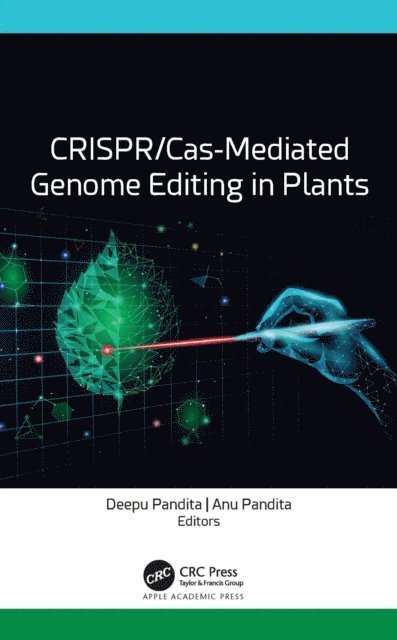
With over 820 million people facing hunger in today’s world, the need of the hour is the design of plant varieties with high yield, improved traits, and resistance properties in order to mitigate the detrimental impacts of biotic and abiotic stress conditions on food crops. This volume highlights the use of Clustered Regularly Interspaced Short Palindromic Repeats (CRISPR) and CRISPR-associated nuclease proteins as a solution for sustainable agriculture. CRISPR/Cas-mediated genome editing (GE) provides a robust, simple, precise, efficient, economical, and revolutionary toolbox that leads to improved plant traits with enhanced yield, quality, and resistance against various stresses, including climate-related stress, insect pests and diseases, pollution-related stresses, etc.
Key features of the book:
Explains the differences between conventional breeding, genetically modified crops, and genome editing approaches using CRISPR/Cas Introduces the tools of genome editing, such as ZFNS (zinc finger nucleases), mega nucleases, and TLENS (transcription activator-like effector nucleases) Covers the history, origin, discovery, structure, and classification of CRISPR/Cas Examines the databases and computational approaches of CRISPR/Cas Highlights genome editing of important crop plants with CRISPR/Cas systems, including wheat, maize. tomato, Brassica crops, rice, fruits Explores potential applications of CRISPR/Cas systems for climate smart crops2 456 kr
Läs direkt efter köp
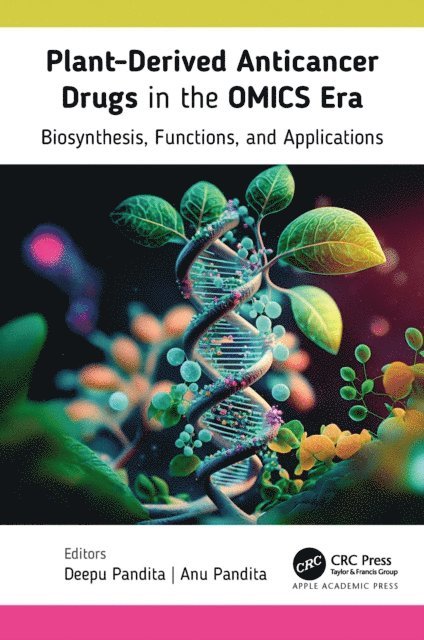
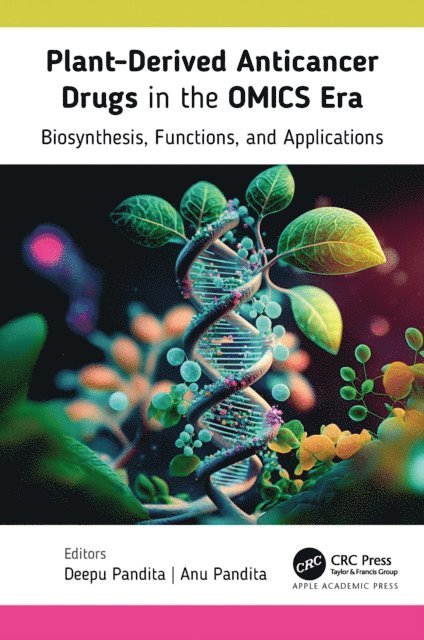
The current anti-cancer synthetic medicines are deemed inefficient and unsafe, state the editors of this new book. Plant-based lead molecules, however, such as taxol, camptothecin, podophyllotoxins, vinblastine, vincristine, homoharringtonine, and numerous other anticancer compounds from nature’s arsenal, are potentially safe and can be powerful alternatives that effectively fight against cancer.
The volume looks at a variety of medicinal plants and approaches that have shown beneficial results against cancer. Topics in the book include Unani approaches of anticancer plants, genetic engineering and CRISPR/CAS-mediated editing to enhance a plant’s anticancer potential, computational approaches used in anticancer plants, and more. The volume also examines the metabolomics of plants that give them anti-cancer properties.
2 456 kr
Läs direkt efter köp
The current anti-cancer synthetic medicines are deemed inefficient and unsafe, state the editors of this new book. Plant-based lead molecules, however, such as taxol, camptothecin, podophyllotoxins, vinblastine, vincristine, homoharringtonine, and numerous other anticancer compounds from nature’s arsenal, are potentially safe and can be powerful alternatives that effectively fight against cancer.
The volume looks at a variety of medicinal plants and approaches that have shown beneficial results against cancer. Topics in the book include Unani approaches of anticancer plants, genetic engineering and CRISPR/CAS-mediated editing to enhance a plant’s anticancer potential, computational approaches used in anticancer plants, and more. The volume also examines the metabolomics of plants that give them anti-cancer properties.
1 022 kr
Läs direkt efter köp
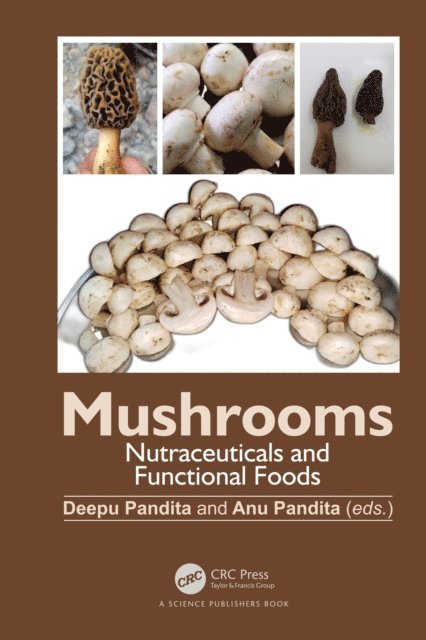
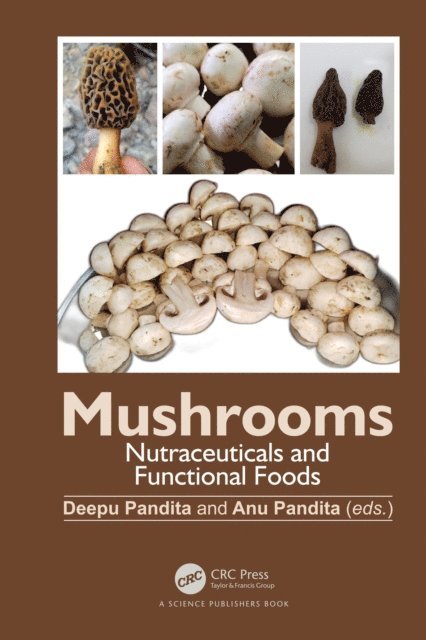
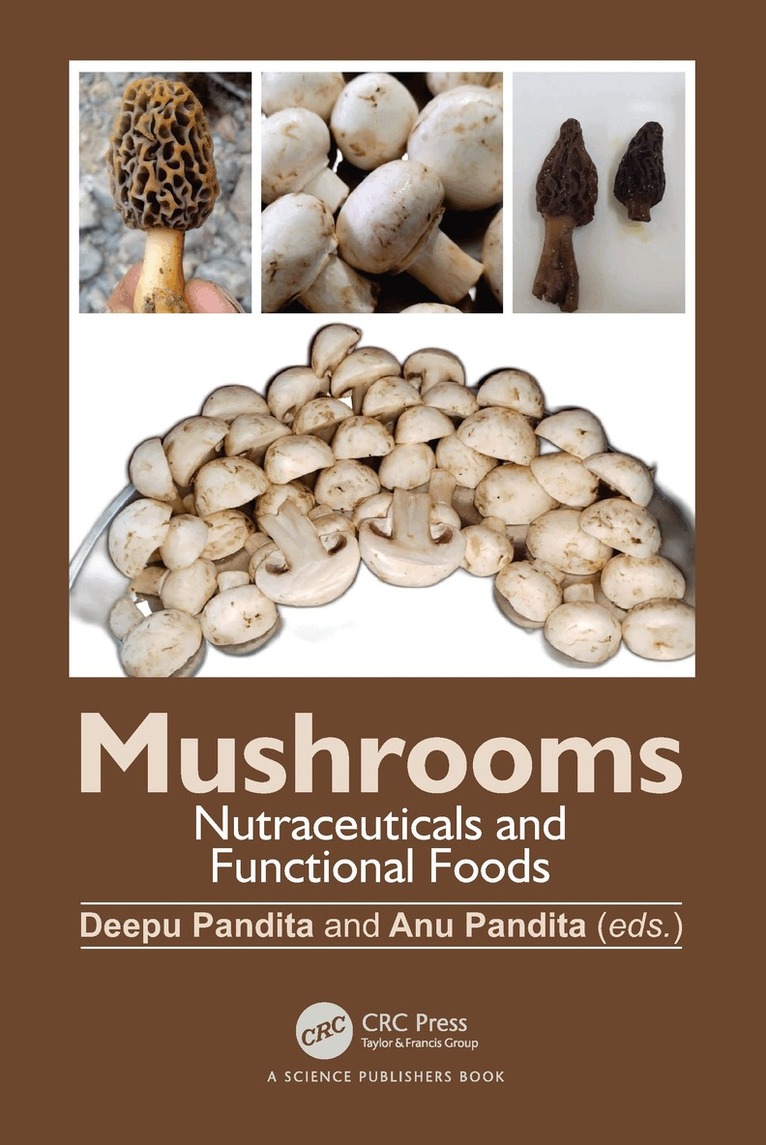
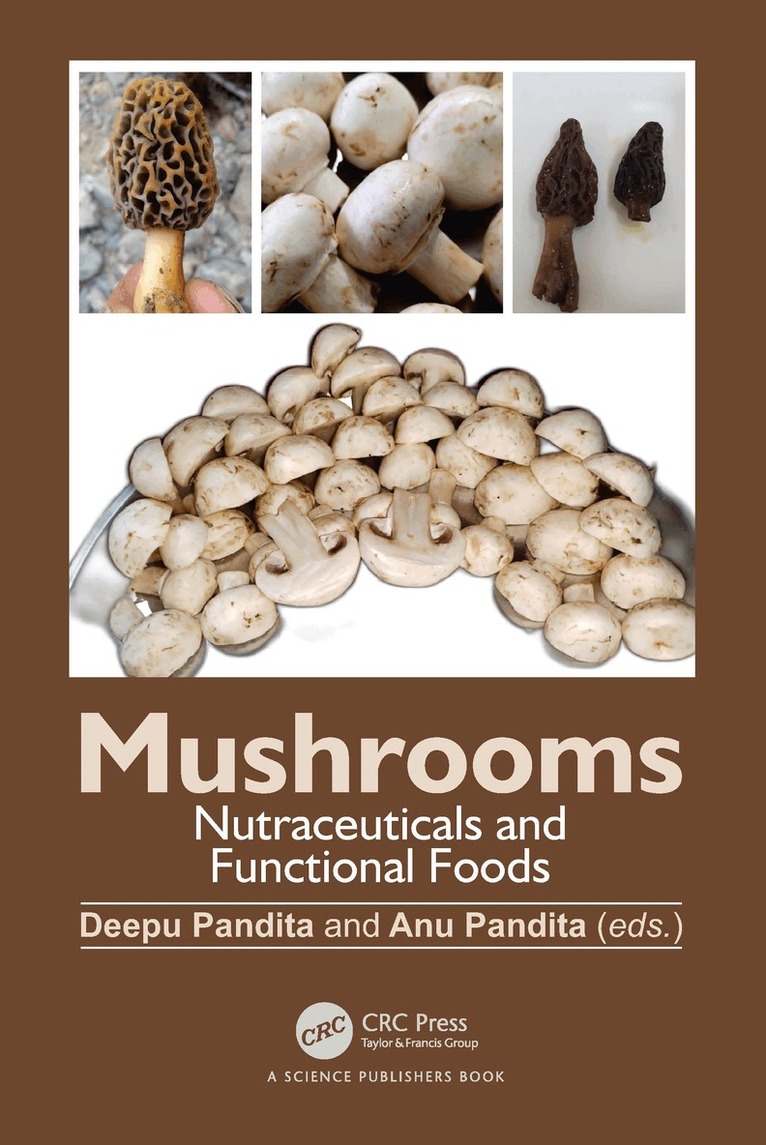
There are around 1.5 million fungal species worldwide. Out of these around 14,000 species produce fruiting bodies known as mushrooms, and around 2000 species are edible, and only 270 are reported to be medicinal. The fungal kingdom is phylogenetically closer to humans than plants, so gives better health benefits to human systems.
This book educates readers on the nutritional, pharmaceutical and medicinal values of different mushrooms and their utilization as nutraceuticals and functional foods for human security. It reviews the current knowledge on the distribution of edible mushrooms, its general characteristics, morphology, nutritional profile and properties, pharmacological importance, and biological activities. Health benefits of mushrooms, antioxidant and secondary metabolite profiling, major biological activities of mushroom-derived secondary metabolites, functional foods based on the mushrooms open doors for therapies, products with added value, toxicology, and side effects if any are also highlighted.
The book is intended for a large and varied audience – researchers, scientists, and scholars in academia, mushroom growers and industries, nutritionists, dietitians, food scientists, clinicians, doctors, drug industries, pharmacy, biotechnologists, biochemists, botanists, mycologists, and general masses.
1 022 kr
Läs direkt efter köp
There are around 1.5 million fungal species worldwide. Out of these around 14,000 species produce fruiting bodies known as mushrooms, and around 2000 species are edible, and only 270 are reported to be medicinal. The fungal kingdom is phylogenetically closer to humans than plants, so gives better health benefits to human systems.
This book educates readers on the nutritional, pharmaceutical and medicinal values of different mushrooms and their utilization as nutraceuticals and functional foods for human security. It reviews the current knowledge on the distribution of edible mushrooms, its general characteristics, morphology, nutritional profile and properties, pharmacological importance, and biological activities. Health benefits of mushrooms, antioxidant and secondary metabolite profiling, major biological activities of mushroom-derived secondary metabolites, functional foods based on the mushrooms open doors for therapies, products with added value, toxicology, and side effects if any are also highlighted.
The book is intended for a large and varied audience – researchers, scientists, and scholars in academia, mushroom growers and industries, nutritionists, dietitians, food scientists, clinicians, doctors, drug industries, pharmacy, biotechnologists, biochemists, botanists, mycologists, and general masses.
974 kr
Läs direkt efter köp
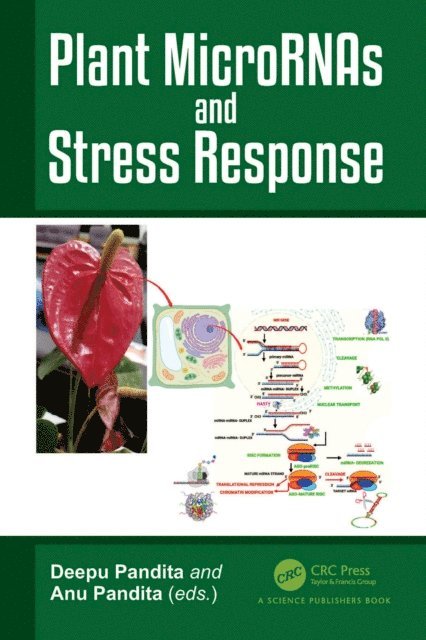
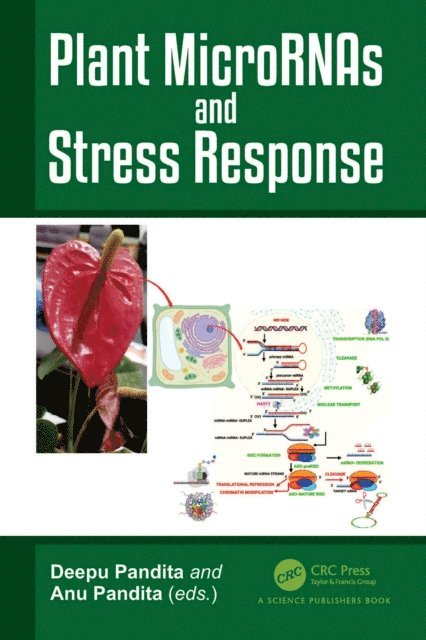
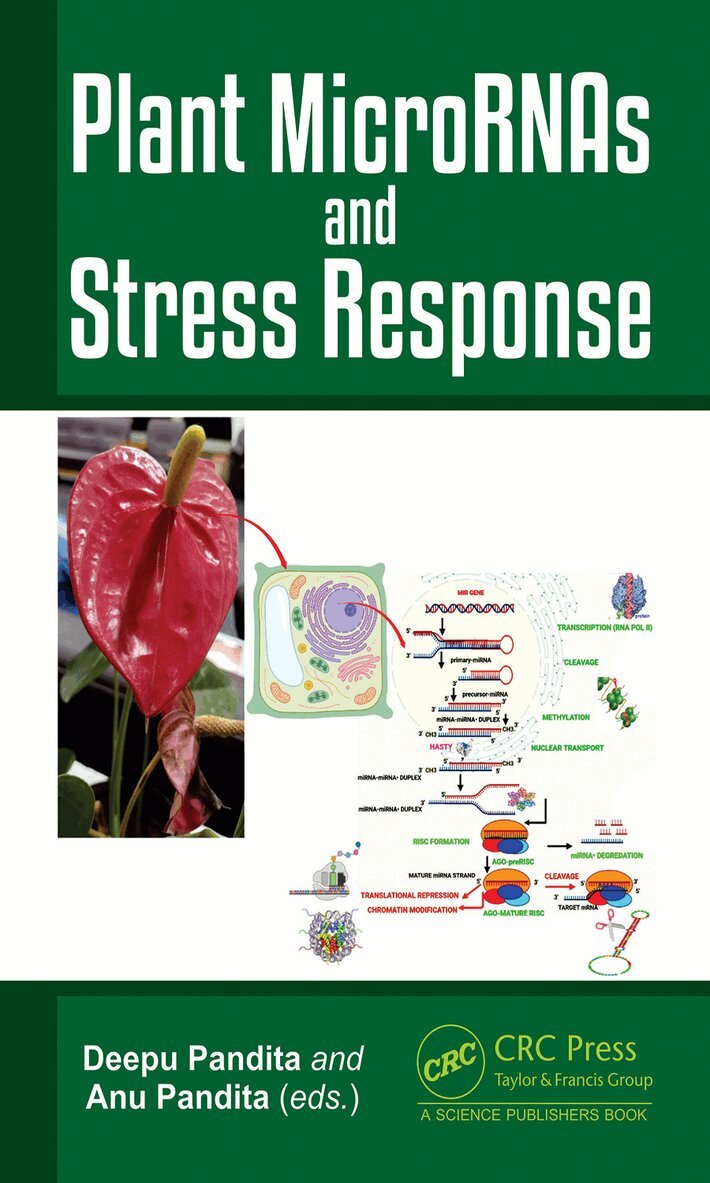
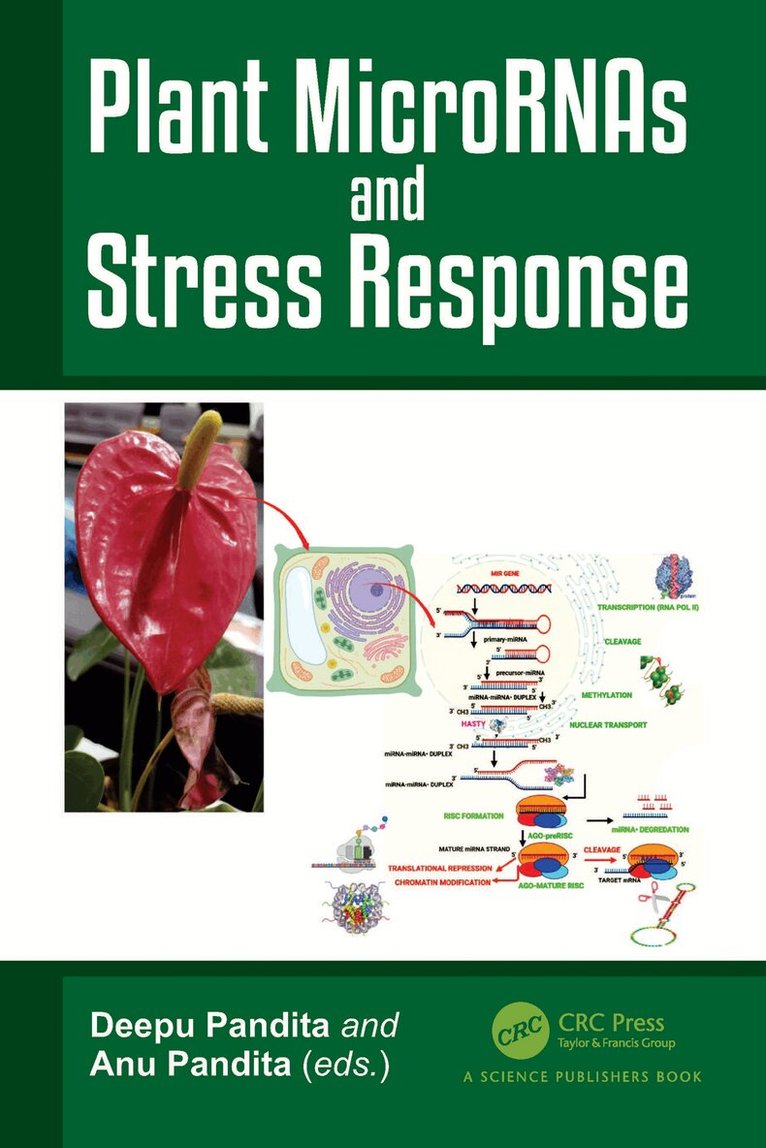
MicroRNAs (miRNAs) are small (20–24 nt), single stranded, regulatory RNA molecules or gene regulators of critical transcriptional or post-transcriptional gene regulation in plants in sequence-specific order that respond to numerous abiotic stresses and animals, non-coding, highly evolutionarily conserved and widely distributed throughout the plant kingdom. MiRNAs are master regulators of plant growth and development, development attenuation under various environmental stresses by stress-responsive miRNAs and plant stress responses and tolerance. Drought, salinity, heat, cold, UV radiation, heavy metal, pathogens, pests and other microbial infections affect survival, growth, development, quality, yield, and production of plants. Stress induced miRNAs down regulate their target miRNAs. This down regulation leads to the accumulation and function of positive regulators, highlighting their roles in stress responses and tolerance. Plant miRNA mediated modifications include overexpression or repression of stress-responsive miRNAs and/or their target complementary or partially complementary gene products, miRNA-resistant target genes, target-mimics and artificial miRNAs. Thus, miRNAs may serve as "genomic gold mines", novel, potent and potential targets in plant genetic manipulations and miRNA-based biotechnology will aid plant improvement and crop-plant tolerance to different environmental stresses.
This book reviews our recent understanding of plant microRNAs, biogenesis and functions, computational tools and bioinformatics, regulation of plant growth and development, expression studies, and the role of plant miRNAs in various biotic and abiotic stress-response regulation in plants.
974 kr
Läs direkt efter köp
MicroRNAs (miRNAs) are small (20–24 nt), single stranded, regulatory RNA molecules or gene regulators of critical transcriptional or post-transcriptional gene regulation in plants in sequence-specific order that respond to numerous abiotic stresses and animals, non-coding, highly evolutionarily conserved and widely distributed throughout the plant kingdom. MiRNAs are master regulators of plant growth and development, development attenuation under various environmental stresses by stress-responsive miRNAs and plant stress responses and tolerance. Drought, salinity, heat, cold, UV radiation, heavy metal, pathogens, pests and other microbial infections affect survival, growth, development, quality, yield, and production of plants. Stress induced miRNAs down regulate their target miRNAs. This down regulation leads to the accumulation and function of positive regulators, highlighting their roles in stress responses and tolerance. Plant miRNA mediated modifications include overexpression or repression of stress-responsive miRNAs and/or their target complementary or partially complementary gene products, miRNA-resistant target genes, target-mimics and artificial miRNAs. Thus, miRNAs may serve as "genomic gold mines", novel, potent and potential targets in plant genetic manipulations and miRNA-based biotechnology will aid plant improvement and crop-plant tolerance to different environmental stresses.
This book reviews our recent understanding of plant microRNAs, biogenesis and functions, computational tools and bioinformatics, regulation of plant growth and development, expression studies, and the role of plant miRNAs in various biotic and abiotic stress-response regulation in plants.
2 456 kr
Läs direkt efter köp
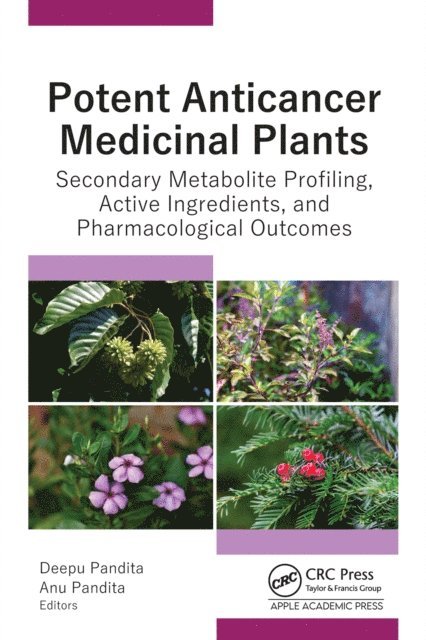
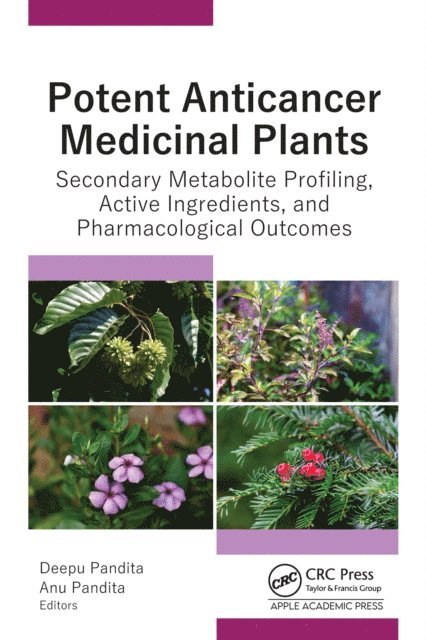
Herbal medicines play a critical role in the prevention and treatment of cancer disorders, which are a foremost cause of human disease and death worldwide. This new volume provides a wealth of valuable information on the most vital plant genera and species that have potent anticancer activities, namely Garcinia indica, Centella asiatica Linn, Nigella sativa, Ocimum sanctum, Boswellia serrata Roxb, Catharanthus roseus, Withania somnifera (Linn.) Dunal, Camptotheca acuminata Decne, Taxus baccata L., Panax ginseng, Tinospora cordifolia (Wild) Miers, Taxus brevifolia, and Glycyrrhiza glabra. These anticancer medicinal plants are bestowed with a novel and essential array of chemotherapeutic complexes, biologically active molecules, and secondary metabolites (such as taxol, vinblastine, vincristine, camptothecin, topotecan, etc.) with promising properties to cure cancer in humans. These plants show a vast potential for new drug discovery in the era of modern medicine to fight against cancer.
Key features of the book:
Provides knowledge of secondary metabolite profiling, active ingredients, modes of action, and pharmacological outcomes of various anticancer plants Discusses the potential of important anticancer plants at the global level Offers information to promote the discovery of new drugs from anticancer plantsThis book will be valuable to oncologists, cancer researchers, biotechnologists, medicinal chemists, pharmacists, pharmacologists, phytochemists, members of biomedical and pharmaceutical sciences working in the areas of cancer treatment, and upper-level students and residents in pharmacy and medicine.
2 456 kr
Läs direkt efter köp
Herbal medicines play a critical role in the prevention and treatment of cancer disorders, which are a foremost cause of human disease and death worldwide. This new volume provides a wealth of valuable information on the most vital plant genera and species that have potent anticancer activities, namely Garcinia indica, Centella asiatica Linn, Nigella sativa, Ocimum sanctum, Boswellia serrata Roxb, Catharanthus roseus, Withania somnifera (Linn.) Dunal, Camptotheca acuminata Decne, Taxus baccata L., Panax ginseng, Tinospora cordifolia (Wild) Miers, Taxus brevifolia, and Glycyrrhiza glabra. These anticancer medicinal plants are bestowed with a novel and essential array of chemotherapeutic complexes, biologically active molecules, and secondary metabolites (such as taxol, vinblastine, vincristine, camptothecin, topotecan, etc.) with promising properties to cure cancer in humans. These plants show a vast potential for new drug discovery in the era of modern medicine to fight against cancer.
Key features of the book:
Provides knowledge of secondary metabolite profiling, active ingredients, modes of action, and pharmacological outcomes of various anticancer plants Discusses the potential of important anticancer plants at the global level Offers information to promote the discovery of new drugs from anticancer plantsThis book will be valuable to oncologists, cancer researchers, biotechnologists, medicinal chemists, pharmacists, pharmacologists, phytochemists, members of biomedical and pharmaceutical sciences working in the areas of cancer treatment, and upper-level students and residents in pharmacy and medicine.
2 319 kr
Skickas inom 10-15 vardagar
848 kr
Skickas inom 10-15 vardagar
2 460 kr
Skickas inom 10-15 vardagar
916 kr
Skickas inom 10-15 vardagar
1 758 kr
Skickas inom 10-15 vardagar
1 666 kr
Skickas inom 10-15 vardagar
1 828 kr
Skickas inom 10-15 vardagar
766 kr
Kommande
2 920 kr
Läs direkt efter köp
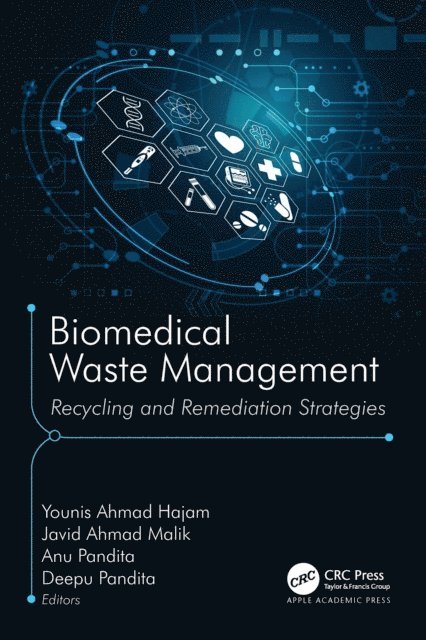
This new volume provides an abundance of updated information on the management of biomedical waste, presenting an overview of the problem of such wastes as well as effective management, the consequences of mismanagement of biomedical waste, and future remediation methods. It presents a plethora of chemical, biochemical, microbiological, and biotechnological approaches for effective biowaste management, such as methods for the detoxification and biodegradation of pharmaceutical compounds, chemicals, and unused drugs; disposal methods of biomedical e-waste; the use of nanotechnology for the degradation of pharmaceutical chemicals from aquatic systems; transportation issues in the management of biomedical waste; and more.
2 920 kr
Läs direkt efter köp
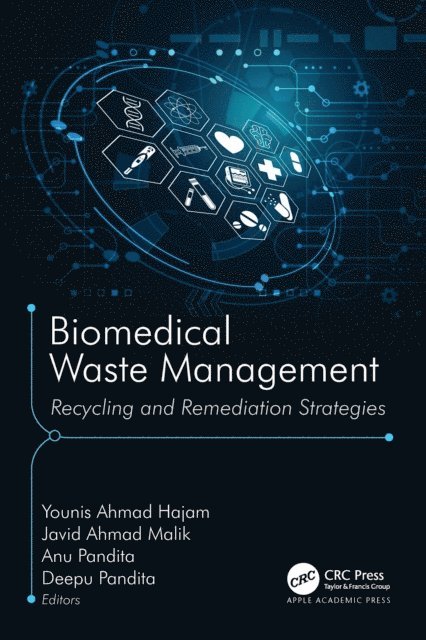
This new volume provides an abundance of updated information on the management of biomedical waste, presenting an overview of the problem of such wastes as well as effective management, the consequences of mismanagement of biomedical waste, and future remediation methods. It presents a plethora of chemical, biochemical, microbiological, and biotechnological approaches for effective biowaste management, such as methods for the detoxification and biodegradation of pharmaceutical compounds, chemicals, and unused drugs; disposal methods of biomedical e-waste; the use of nanotechnology for the degradation of pharmaceutical chemicals from aquatic systems; transportation issues in the management of biomedical waste; and more.
909 kr
Läs direkt efter köp
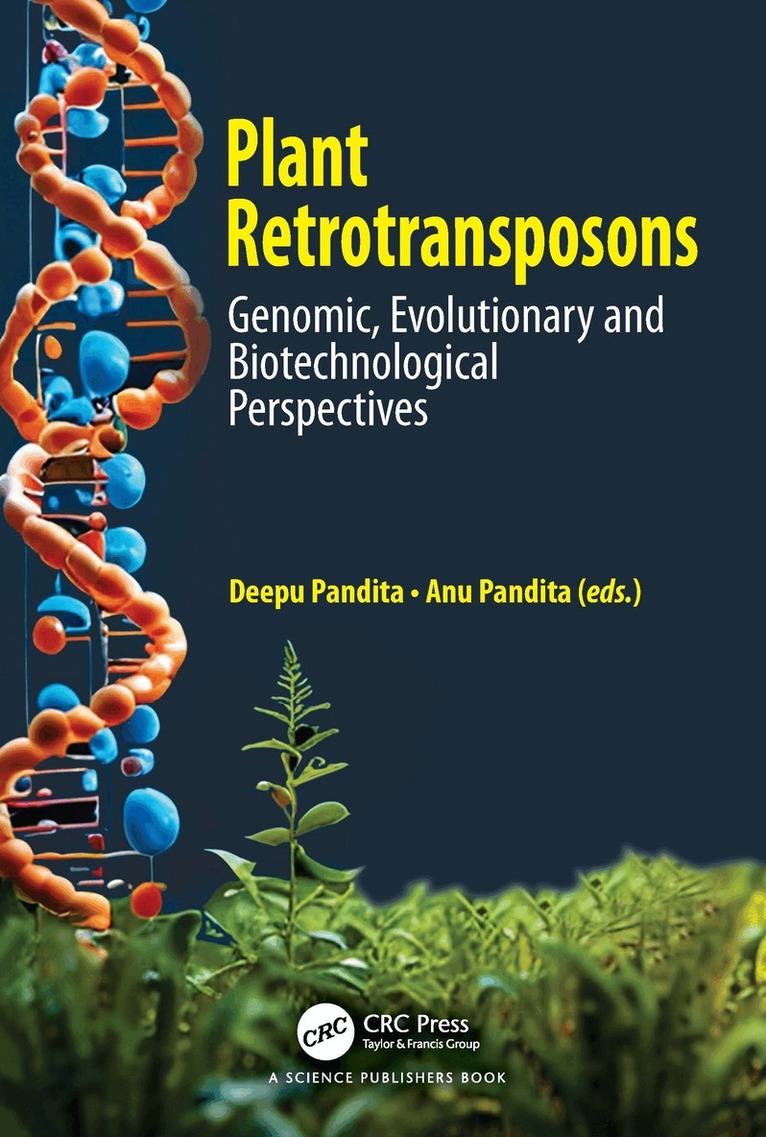
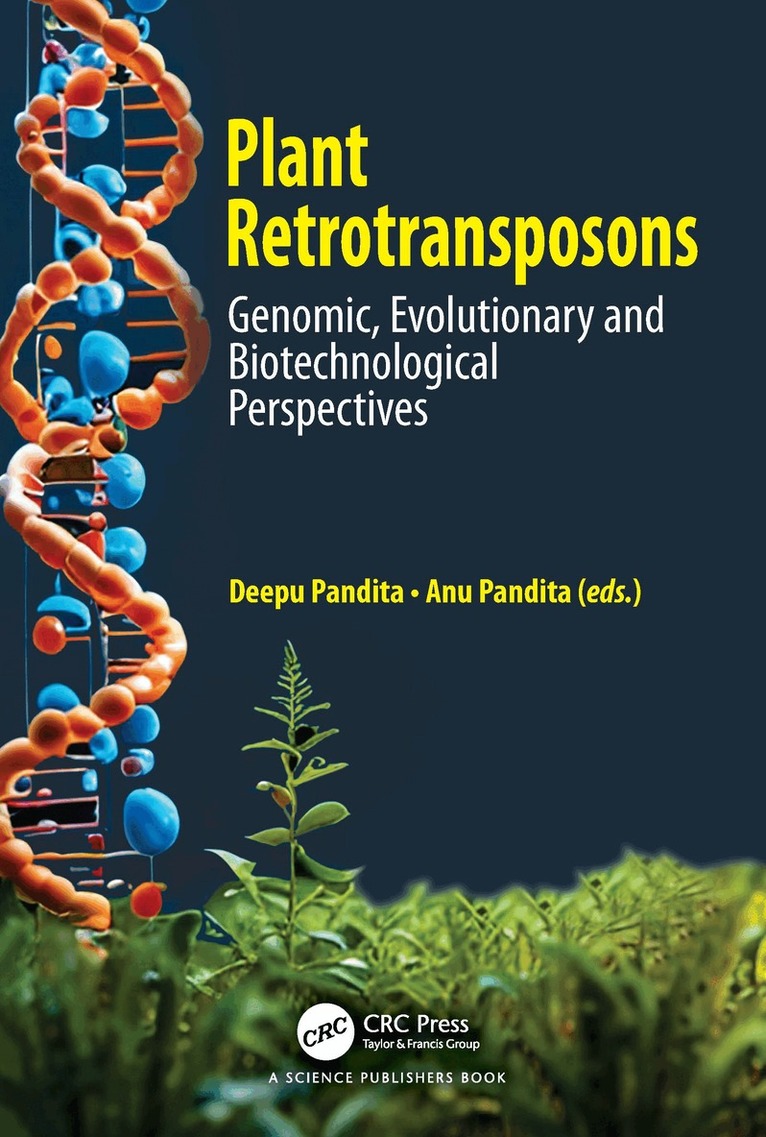
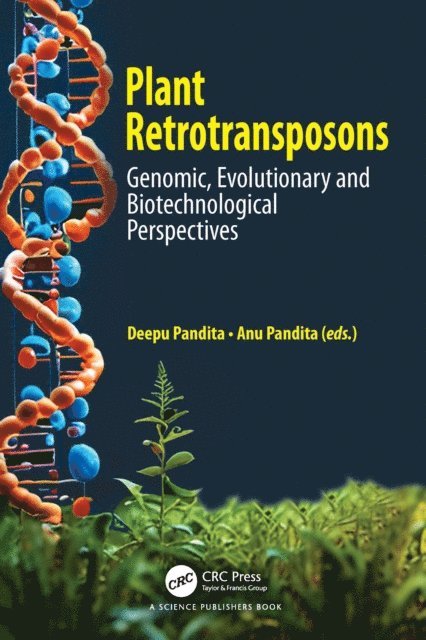
This book provides an up-to-date outlook on the origin, evolution, structure, genomic organization, expression, regulation and transposition mechanism of retrotransposons in the plant genome and computational tools and algorithms to analyze retrotransposons across different species, and their use as genetic tools in crop breeding and improvement. The book also highlights the biotechnological applications of the retrotransposon transposable elements. Previously dismissed as parasites/selfish or JUNK DNA, these elements are now recognized as “Just Unexplored Novel Know-how”. Retrotransposons play crucial roles in gene function, genomic organization, mutations, stress responses, genome regulation, epigenomics, diversity, evolution, and plant speciation. Leveraging these as biotechnological tools can help develop climate-smart crops for sustainable agriculture.
909 kr
Läs direkt efter köp
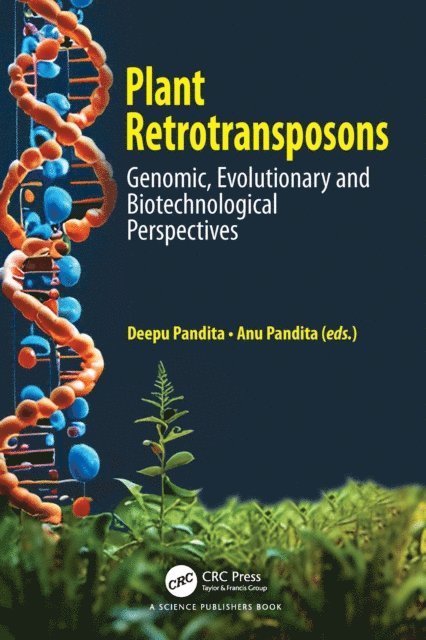
This book provides an up-to-date outlook on the origin, evolution, structure, genomic organization, expression, regulation and transposition mechanism of retrotransposons in the plant genome and computational tools and algorithms to analyze retrotransposons across different species, and their use as genetic tools in crop breeding and improvement. The book also highlights the biotechnological applications of the retrotransposon transposable elements. Previously dismissed as parasites/selfish or JUNK DNA, these elements are now recognized as “Just Unexplored Novel Know-how”. Retrotransposons play crucial roles in gene function, genomic organization, mutations, stress responses, genome regulation, epigenomics, diversity, evolution, and plant speciation. Leveraging these as biotechnological tools can help develop climate-smart crops for sustainable agriculture.
795 kr
Läs direkt efter köp
936 kr
Läs direkt efter köp