Chander Bhanu – författare
2 322 kr
Läs direkt efter köp
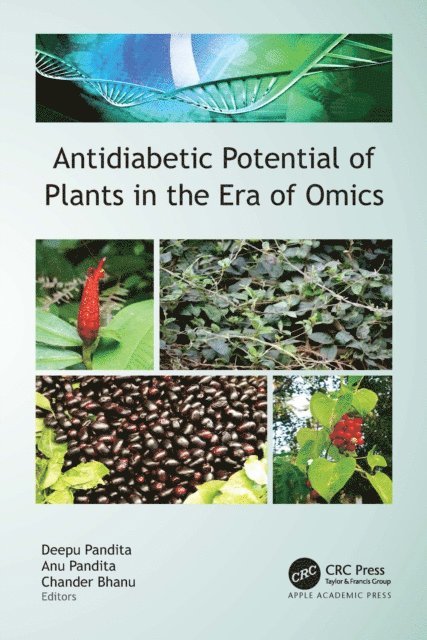
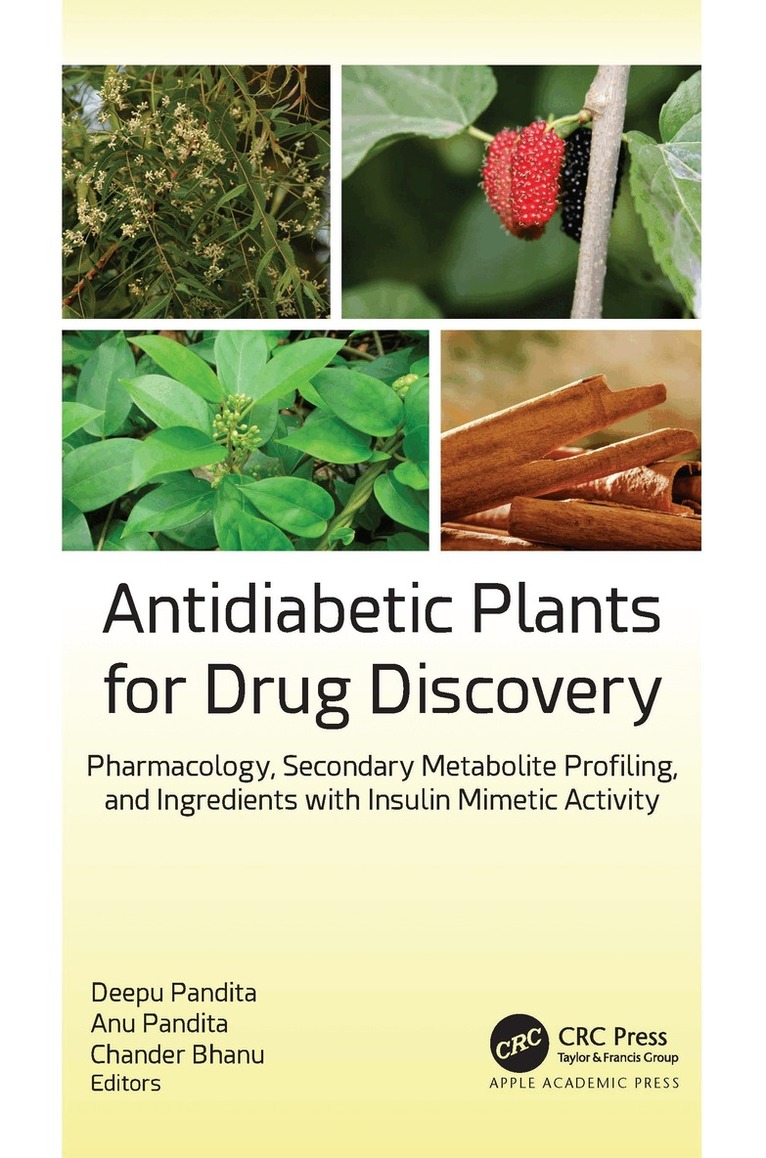
Here is an informative overview of diabetes mellitus in conjunction with plant-based treatments. It discusses available methods for studying the antidiabetic activities of scientifically developed plant products, mechanisms of action, their therapeutic superiority, and current genome editing research perspectives and biotechnological approaches.
The book begins with an introduction to diabetes, giving a brief overview of the history, diagnosis, classification, pathophysiology, and risk factors. It goes on to review traditional uses of plants for diabetes along with ethnobotanical information. The results of scientific studies on the various modes of action of antidiabetic plants are discussed, such as the molecular aspects of active plantbased antidiabetic drug molecules. A section featuring recent biotechnological advancements of antidiabetic plants and plant-based antidiabetic drugs covers advances in molecular breeding and application of molecular markers, biotechnologically engineered transgenic medicinal plants, and advances in genomic editing tools and techniques.
2 322 kr
Läs direkt efter köp
Here is an informative overview of diabetes mellitus in conjunction with plant-based treatments. It discusses available methods for studying the antidiabetic activities of scientifically developed plant products, mechanisms of action, their therapeutic superiority, and current genome editing research perspectives and biotechnological approaches.
The book begins with an introduction to diabetes, giving a brief overview of the history, diagnosis, classification, pathophysiology, and risk factors. It goes on to review traditional uses of plants for diabetes along with ethnobotanical information. The results of scientific studies on the various modes of action of antidiabetic plants are discussed, such as the molecular aspects of active plantbased antidiabetic drug molecules. A section featuring recent biotechnological advancements of antidiabetic plants and plant-based antidiabetic drugs covers advances in molecular breeding and application of molecular markers, biotechnologically engineered transgenic medicinal plants, and advances in genomic editing tools and techniques.
2 322 kr
Läs direkt efter köp
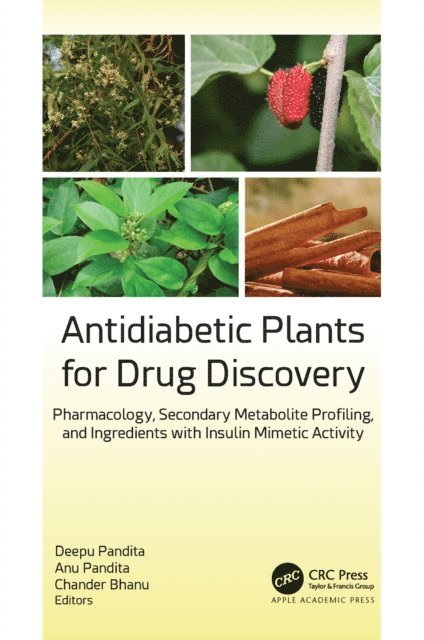
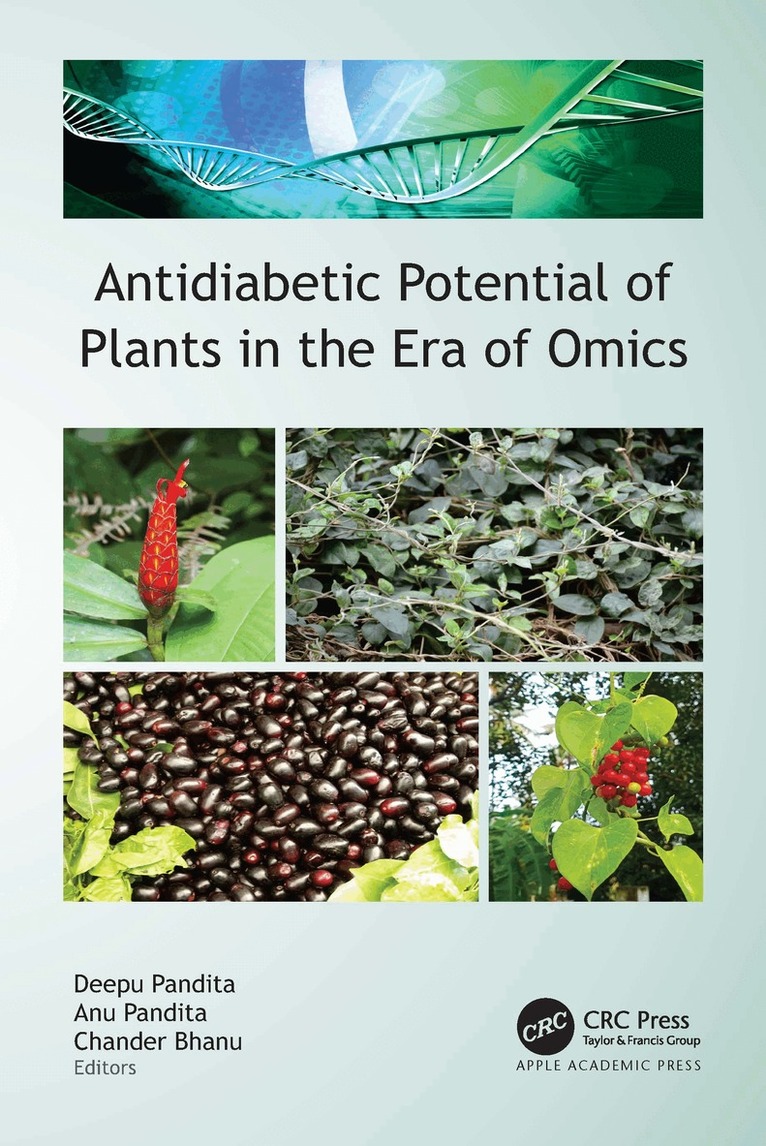
This volume takes an in-depth look at the potential pharmacological applications of 11 important antidiabetic plants, examining their antihyperglycemic, hypoglycemic, and anti-lipidemic properties along with current genome editing research perspectives.
Plant natural products, or phytoconstituents, are promising candidates for antidiabetic pharmacological actions. The phytoconstituents, such as fl avonoids, terpenoids, saponins, carotenoids, alkaloids and glycosides, play vital roles in the current and future potent antidiabetic drug development programs
Each chapter reviews a particular plant with antidiabetic properties, explaining the therapeutic aspects, its active antidiabetic compounds, and relevant genome editing technology. The specific plants discussed include Azadirachta indica (commonly known as neem, nimtree or Indian lilac), Gymnema sylvestre (commonly called gymnema, Australian cowplant, and Periploca of the woods), Syzygium cumini (commonly known as Malabar plum, Java plum, black plum, jamun or jambolana), Ceylon cinnamon (or true cinnamon, as opposed to cassia cinnamon), insulin plant (or Costus pictus), Trigonella foenum-graecum (better known as fenugreek), Mulberry, Nigella sativa L. (black caraway, also known as black cumin, nigella, kalojeera, kalonji or kalanji), Aegle marmelos (L.) (commonly known as bael (or bili or bhel), also Bengal quince, golden apple, Japanese bitter orange, stone apple or wood apple), Ficus benghalensis (the banyan, banyan fig and Indian banyan), and of course, garlic (Allium sativum).
Antidiabetic Plants for Drug Discovery: Pharmacology, Secondary Metabolite Profiling, and Ingredients with Insulin Mimetic Activity will serve as a valuable source of information for students, drug researchers, medical practitioners, diabetic patients, and many others in the effort to gain understand of how these plant drug molecules can help fight diabetes.
2 322 kr
Läs direkt efter köp
This volume takes an in-depth look at the potential pharmacological applications of 11 important antidiabetic plants, examining their antihyperglycemic, hypoglycemic, and anti-lipidemic properties along with current genome editing research perspectives.
Plant natural products, or phytoconstituents, are promising candidates for antidiabetic pharmacological actions. The phytoconstituents, such as fl avonoids, terpenoids, saponins, carotenoids, alkaloids and glycosides, play vital roles in the current and future potent antidiabetic drug development programs
Each chapter reviews a particular plant with antidiabetic properties, explaining the therapeutic aspects, its active antidiabetic compounds, and relevant genome editing technology. The specific plants discussed include Azadirachta indica (commonly known as neem, nimtree or Indian lilac), Gymnema sylvestre (commonly called gymnema, Australian cowplant, and Periploca of the woods), Syzygium cumini (commonly known as Malabar plum, Java plum, black plum, jamun or jambolana), Ceylon cinnamon (or true cinnamon, as opposed to cassia cinnamon), insulin plant (or Costus pictus), Trigonella foenum-graecum (better known as fenugreek), Mulberry, Nigella sativa L. (black caraway, also known as black cumin, nigella, kalojeera, kalonji or kalanji), Aegle marmelos (L.) (commonly known as bael (or bili or bhel), also Bengal quince, golden apple, Japanese bitter orange, stone apple or wood apple), Ficus benghalensis (the banyan, banyan fig and Indian banyan), and of course, garlic (Allium sativum).
Antidiabetic Plants for Drug Discovery: Pharmacology, Secondary Metabolite Profiling, and Ingredients with Insulin Mimetic Activity will serve as a valuable source of information for students, drug researchers, medical practitioners, diabetic patients, and many others in the effort to gain understand of how these plant drug molecules can help fight diabetes.
2 013 kr
Skickas inom 10-15 vardagar
2 013 kr
Skickas inom 10-15 vardagar