Ariadna García-Bryce – författare
Visar alla böcker från författaren Ariadna García-Bryce. Handla med fri frakt och snabb leverans.
6 produkter
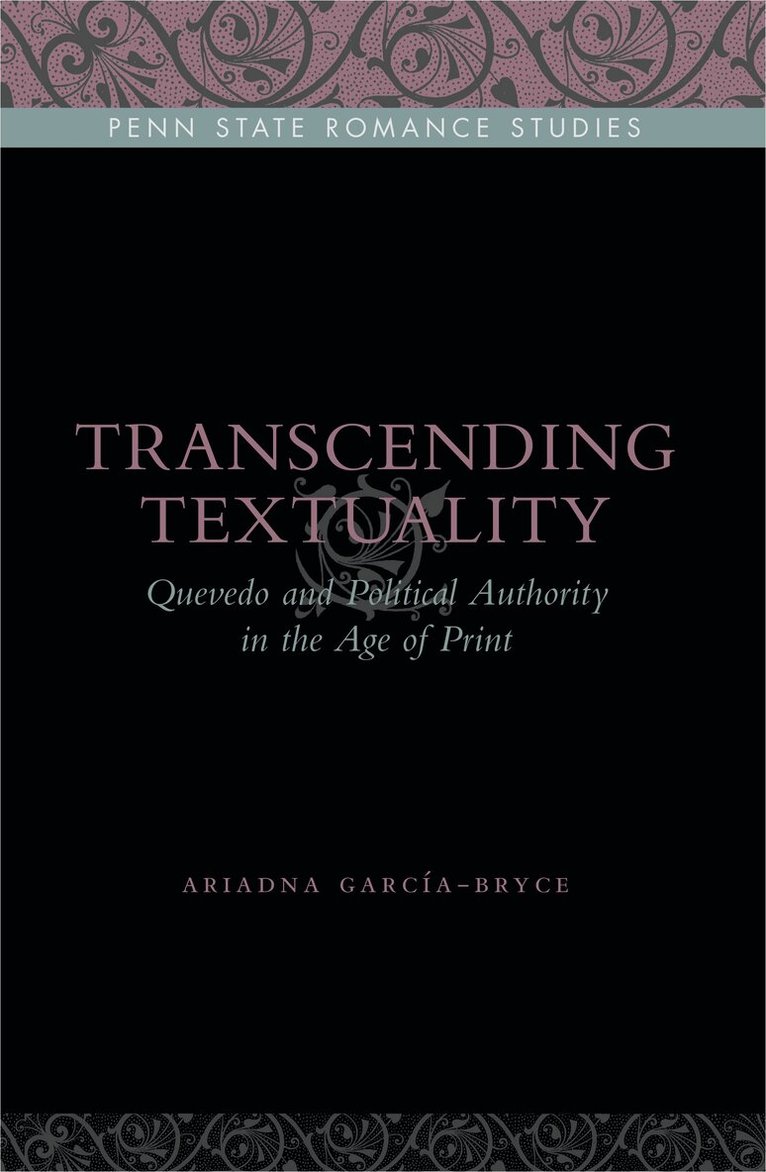
Transcending Textuality
Quevedo and Political Authority in the Age of Print
Inbunden, 2011
968 kr
Lägg i varukorg
In Transcending Textuality, Ariadna García-Bryce provides a fresh look at post-Trent political culture and Francisco de Quevedo’s place within it by examining his works in relation to two potentially rival means of transmitting authority: spectacle and print. Quevedo’s highly theatrical conceptions …
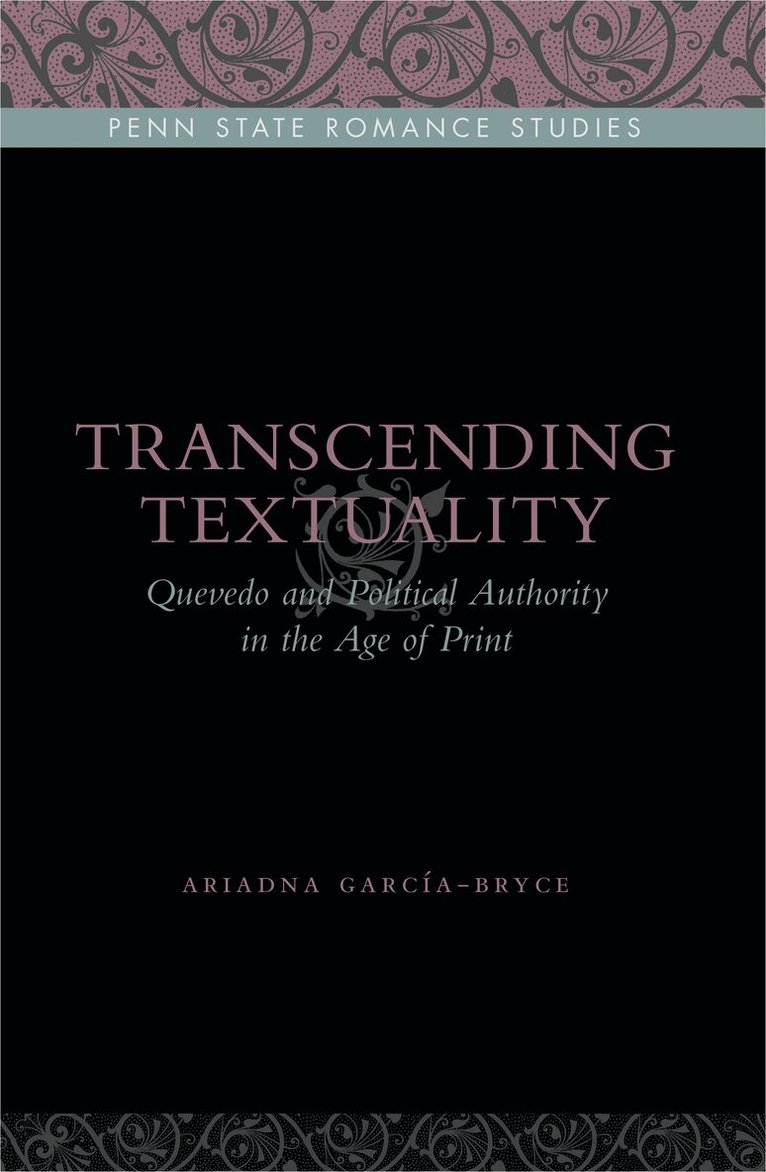
Transcending Textuality
Quevedo and Political Authority in the Age of Print
Häftad, 2011
691 kr
Lägg i varukorg
In Transcending Textuality, Ariadna García-Bryce provides a fresh look at post-Trent political culture and Francisco de Quevedo’s place within it by examining his works in relation to two potentially rival means of transmitting authority: spectacle and print. Quevedo’s highly theatrical conceptions …
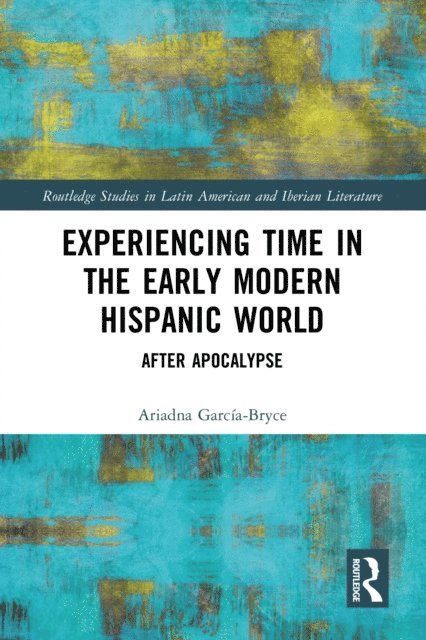
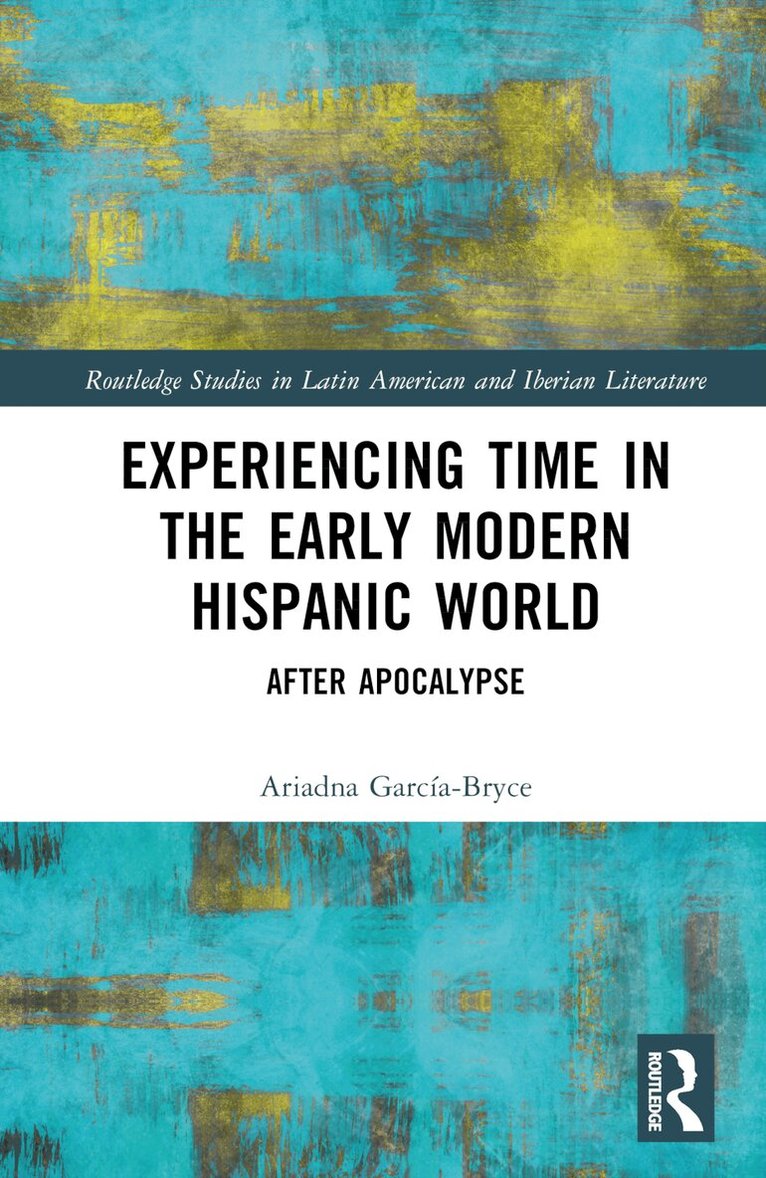
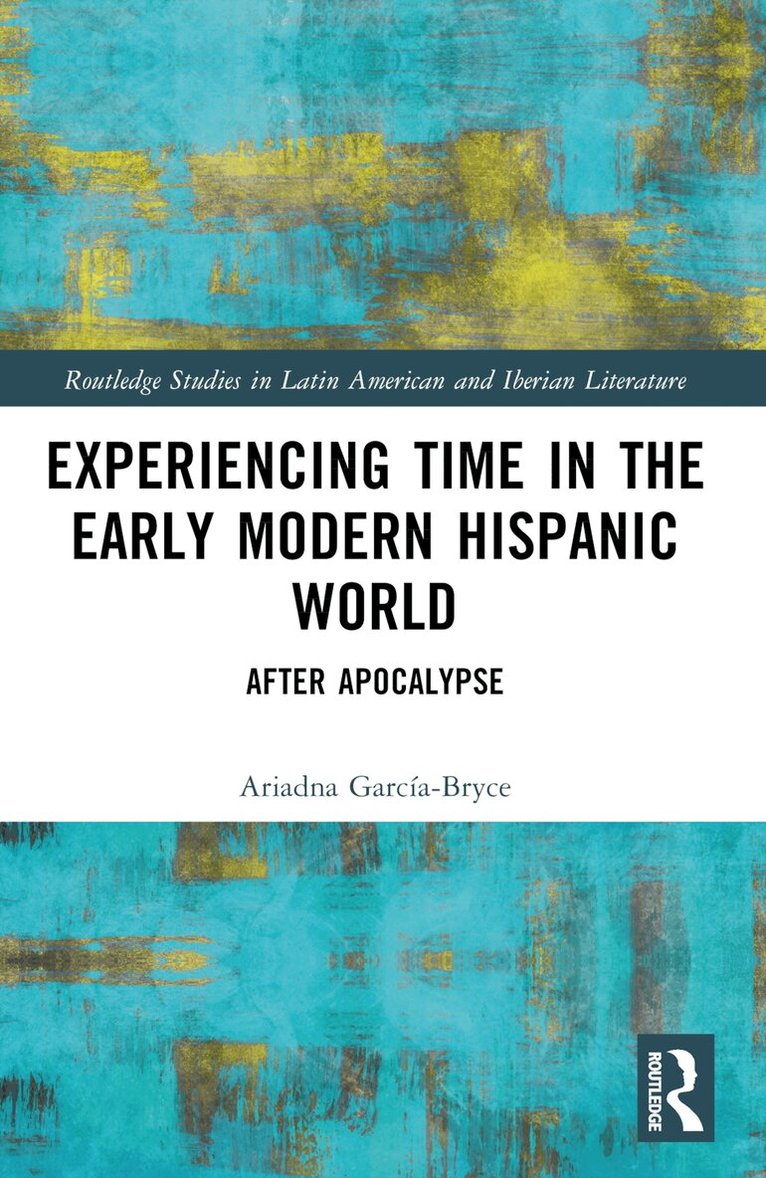
Experiencing Time in the Early Modern Hispanic World
After Apocalypse
E-bok, 2023
876 kr
Lägg i varukorg
This book considers the new ways time was experienced in the sixteenth- and seventeeth-century Hispanic world in the framework of global Catholicism. It underscores the crucial role that the imitation of Christ plays in modeling how representative writers physically and mentally interiorize …
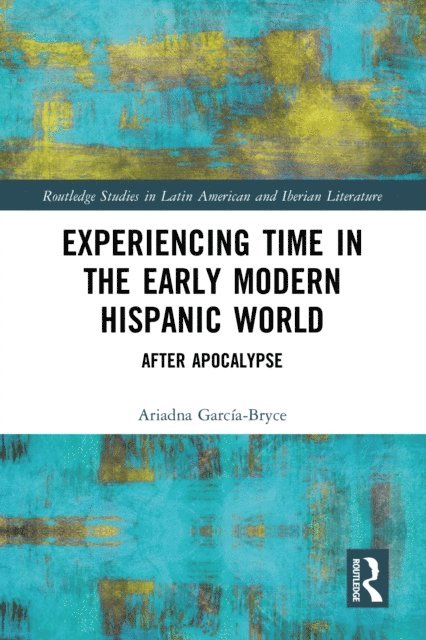
Experiencing Time in the Early Modern Hispanic World
After Apocalypse
E-bok, 2023
857 kr
Lägg i varukorg
This book considers the new ways time was experienced in the sixteenth- and seventeeth-century Hispanic world in the framework of global Catholicism. It underscores the crucial role that the imitation of Christ plays in modeling how representative writers physically and mentally interiorize …
Experiencing Time in the Early Modern Hispanic World
After Apocalypse
Inbunden, 2023
2879 kr
Lägg i varukorg
This book considers the new ways time was experienced in the sixteenth- and seventeeth-century Hispanic world in the framework of global Catholicism. It underscores the crucial role that the imitation of Christ plays in modeling how representative writers physically and mentally interiorize …
Experiencing Time in the Early Modern Hispanic World
After Apocalypse
Häftad, 2024
742 kr
Lägg i varukorg
This book considers the new ways time was experienced in the sixteenth- and seventeeth-century Hispanic world in the framework of global Catholicism. It underscores the crucial role that the imitation of Christ plays in modeling how representative writers physically and mentally interiorize …