Arnold A. Offner - Böcker
Visar alla böcker från författaren Arnold A. Offner. Handla med fri frakt och snabb leverans.
3 produkter
3 produkter
444 kr
Tillfälligt slut
671 kr
Skickas inom 10-15 vardagar
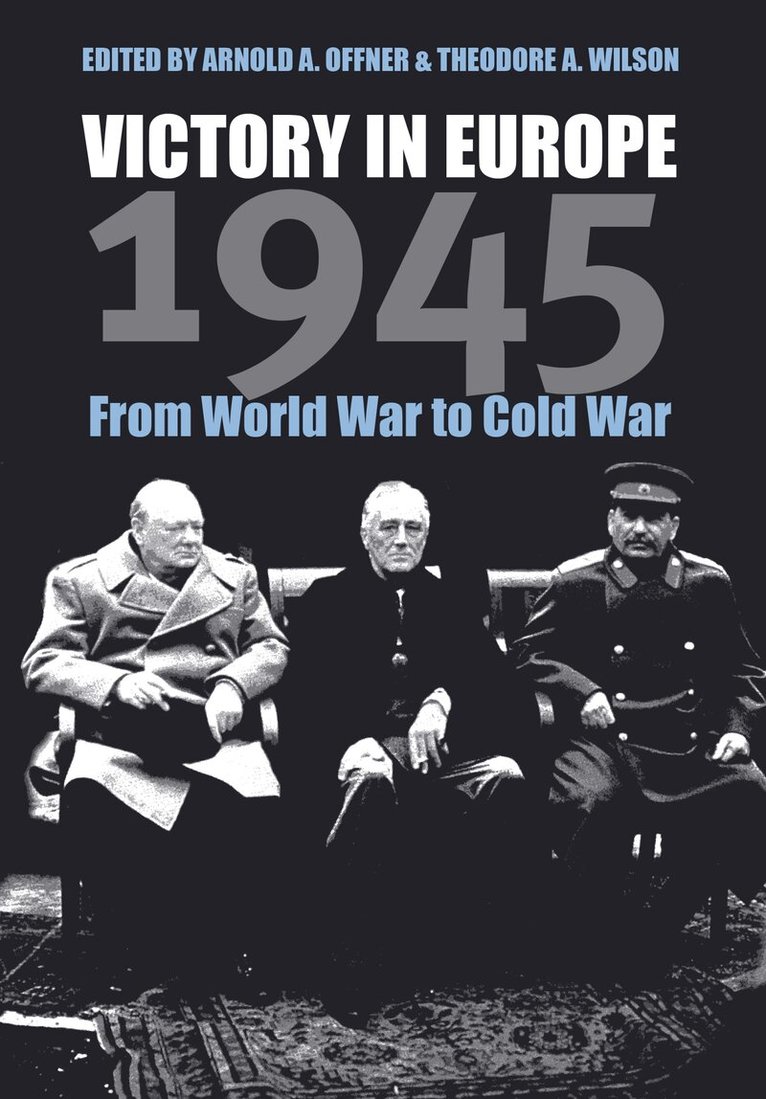
At the end of World War II in Europe, peace had finally come but at a terrible price: its cities and countryside were devastated, 35 million lay dead, and those who did survive faced extreme economic hardship and the threat of starvation. Ending the war was more than a matter of defeating the German army; it was about a new world order emerging in fits and starts from the smouldering ruins of a continent. In this provocative collection, 11 senior scholars explore the transition from war to uneasy peace. Authorities such as Warren Kimball, Randall Woods and Garry Clifford examine how and why the war ended as it did, whether a different resolution was possible and what the victors actually won. They also consider whether the circumstances surrounding war termination made inevitable the ensuing Cold War. Some examine the often-tragic results of actions taken to deal with such immediate circumstances as the food crisis. Others assess the roles of key players, such as the joint chiefs of staff, during the transition from shooting war to cold war. Other issues that have preoccupied scholars and policy makers since 1945 regarding the chaotic termination of the war, such as Eisenhower's decision to stop at the Elbe, are also discussed.
588 kr
Skickas inom 10-15 vardagar
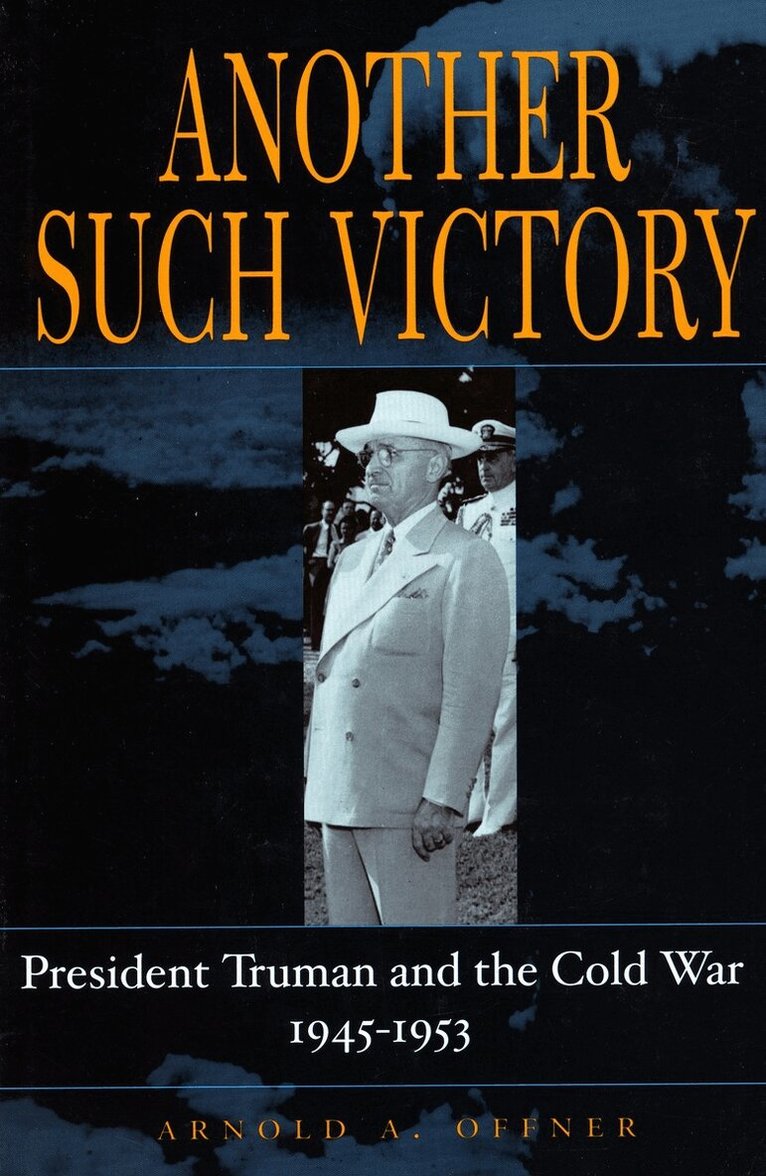
This book is a provocative, forcefully argued, and thoroughly documented reassessment of President Truman's profound influence on U.S. foreign policy and the Cold War. The author contends that throughout his presidency, Truman remained a parochial nationalist who lacked the vision and leadership to move the United States away from conflict and toward détente. Instead, he promoted an ideology and politics of Cold War confrontation that set the pattern for successor administrations.This study sharply challenges the prevailing view of historians who have uncritically praised Truman for repulsing the Soviet Union. Based on exhaustive research and including many documents that have come to light since the end of the Cold War, the book demonstrates how Truman's simplistic analogies, exaggerated beliefs in U.S. supremacy, and limited grasp of world affairs exacerbated conflicts with the Soviet Union and the People's Republic of China. For example, Truman's decision at the Potsdam Conference to engage in "atomic poker" and outmaneuver the Soviets in Europe and Asia led him to brush aside all proposals to forgo the use of atomic bombs on Japan.Truman's insecurity also reinforced his penchant to view conflict in black-and-white terms, to categorize all nations as either free or totalitarian, to demonize his opponents, and to ignore the complexities of historic national conflicts. Truman was unable to view China's civil war apart from the U.S.-Soviet Cold War. Belittling critics of his support for the corrupt Guomindang government, he refused to negotiate with the emergent PRC. Though he did preserve South Korea's independence after North Korea's attack, he blamed the conflict solely on Soviet-inspired aggression, instead of a bitter dispute between two rival regimes. Truman's decision to send troops across the 38th parallel to destroy the North Korean regime, combined with his disdain for PRC security concerns, brought about a tragic wider war.In sum, despite Truman's claim to have "knocked the socks off the communists," he left the White House with his presidency in tatters, military spending at a record high, McCarthyism rampant, and the United States on Cold War footing at home and abroad.