Arthur D. Fisk - Böcker
Visar alla böcker från författaren Arthur D. Fisk. Handla med fri frakt och snabb leverans.
3 produkter
3 produkter
520 kr
Skickas inom 10-15 vardagar
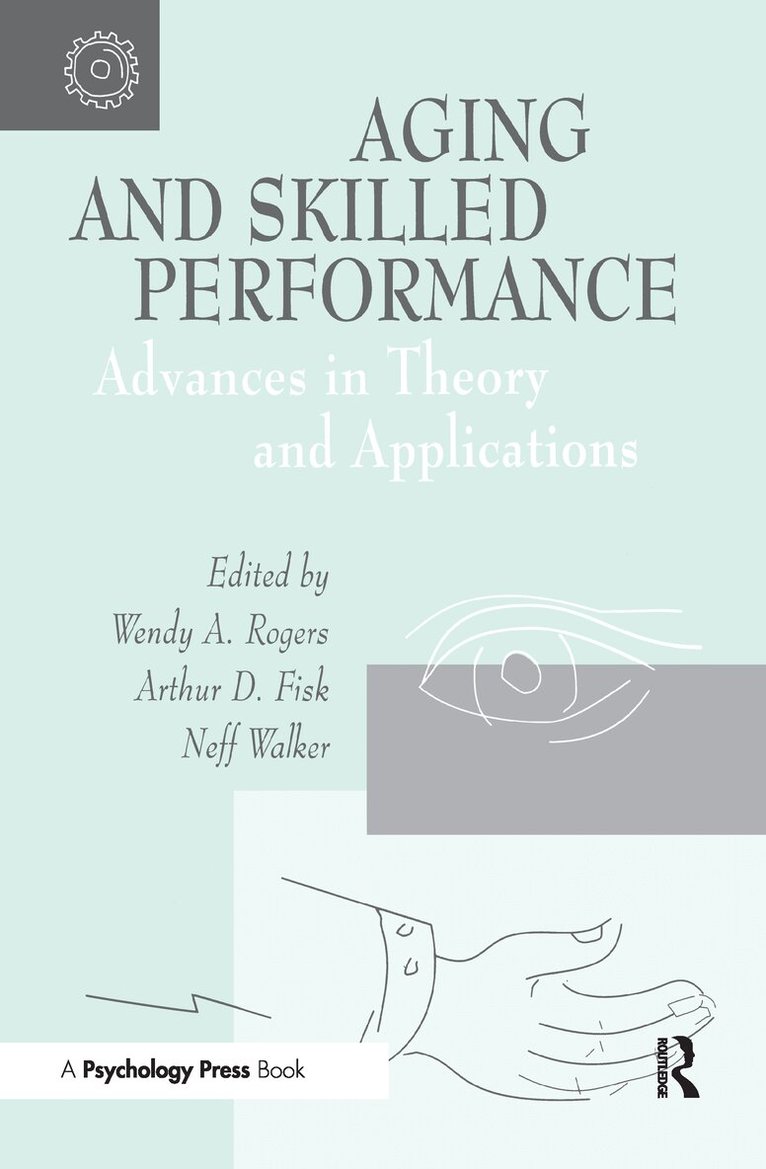
The term "skill" encompasses an array of topics and issues. For example, individuals are skilled in a variety of domains such as chess, typing, air traffic control, or knitting; researchers study skill in a variety of ways, including speed of acquisition, accuracy of performance, and retention over time; and there are a variety of approaches to the study of skill such as computer modeling or experimental analysis. Contributing to the understanding of whether, how, when, and why skills may decline as a function of age is the goal of this volume. This book is based on the Aging and Skill Conference sponsored by the Center for Applied Cognitive Research on Aging. The broad focus of the conference was to discuss cognitive theories underlying age-related skill acquisition, transfer, and retention and to discuss applications of these theories to such issues as age-adaptive training, compensatory strategies and devices, and utilization of new and existing technology. The contributors were asked to discuss the cognitive theory relevant to their topic, explain how the theory informs the field about aging, examine where gaps exist among general cognitive theory in this area and theories of aging, and demonstrate the practical relevance of the theory to enhancing or enabling activities of daily living--for work, home, or leisure--for older adults. This is the first book to focus exclusively on aging and skill. It covers a range of abilities, provides the theoretical basis for the current status of age-related differences in skill, and offers direct evidence of the applicability of research on proficiency to aspects of daily living. Each chapter was written either by an expert in the field of aging, or by an expert in the field of skill--many expert in both areas.
323 kr
Skickas inom 10-15 vardagar
The term "skill" encompasses an array of topics and issues. For example, individuals are skilled in a variety of domains such as chess, typing, air traffic control, or knitting; researchers study skill in a variety of ways, including speed of acquisition, accuracy of performance, and retention over time; and there are a variety of approaches to the study of skill such as computer modeling or experimental analysis. Contributing to the understanding of whether, how, when, and why skills may decline as a function of age is the goal of this volume. This book is based on the Aging and Skill Conference sponsored by the Center for Applied Cognitive Research on Aging. The broad focus of the conference was to discuss cognitive theories underlying age-related skill acquisition, transfer, and retention and to discuss applications of these theories to such issues as age-adaptive training, compensatory strategies and devices, and utilization of new and existing technology. The contributors were asked to discuss the cognitive theory relevant to their topic, explain how the theory informs the field about aging, examine where gaps exist among general cognitive theory in this area and theories of aging, and demonstrate the practical relevance of the theory to enhancing or enabling activities of daily living--for work, home, or leisure--for older adults. This is the first book to focus exclusively on aging and skill. It covers a range of abilities, provides the theoretical basis for the current status of age-related differences in skill, and offers direct evidence of the applicability of research on proficiency to aspects of daily living. Each chapter was written either by an expert in the field of aging, or by an expert in the field of skill--many expert in both areas.
Designing for Older Adults
Principles and Creative Human Factors Approaches, Second Edition
Inbunden, Engelska, 2017
2 046 kr
Tillfälligt slut
The first edition of Designing for Older Adults: Principles and Creative Human Factors Approaches broke ground as an easily accessible source of information, a primer on designing for older adults. In this second edition, the authors, as any good human factors practitioner would, have considered comments from readers. They have revised and updated each of the original chapters, rearranged some of them for a more natural flow, added a new section of tutorials, and provided updated recommended readings. New in the Second Edition:Two new applications chapters: Transportation and Aging-in-PlaceNew Tutorials section provides hands-on guidance for critical issuesRe-organization of Design Guidelines section allows for better flow of topicsThe new Tutorials section begins by focusing on general issues that need to be considered when involving older adults generally in research and usability studies and more specifically in focus group studies. It elucidates statistical considerations relevant to user testing with older adults and modeling approaches such as task analysis, error prediction, and GOMS analysis. Given the prevalence of multimedia in today�s world, the authors include a tutorial on design considerations for multimedia products in general but especially for older adults. Meet the Needs of Older Adults through Proper DesignReflecting the multidisciplinary nature of the field, this multidisciplinary author team translates a vast array of academic literature into guidelines without losing its strong grounding in science. They discuss the role the field of human factors plays in creating technology that is effective and safe to use. This book provides information specific enough to be immediately applicable yet general enough to be relevant to technologies of the futur