Aryadeep Roychoudhury – författare
1 798 kr
Skickas inom 10-15 vardagar
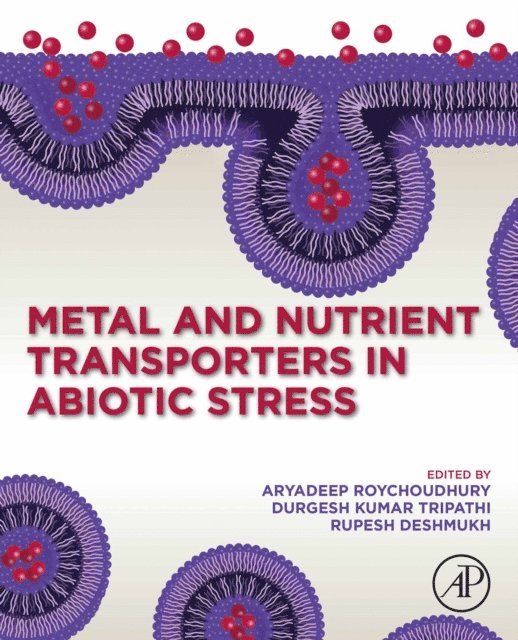
Metal and Nutrient Transporters in Abiotic Stress focuses on the different forms of environmental stress related to heavy metal, metalloid and nutrient deficiency that have the potential to inflict major damages to crop plants, leading to a massive decrease in crop yield and productivity. The book presents the current state of knowledge of the biochemical and molecular regulation of several classes of membrane transporters related to the uptake of metals/metalloids and nutrient elements during different stresses and their probable mechanisms of operation in plant stress tolerance.
Metal and Nutrient Transporters in Abiotic Stress provides a comprehensive discussion that will help in mitigating multiple forms of stresses utilizing transporter proteins. Edited by leading experts and written by a global team of knowledgeable contributors, this book will further stimulate research in the field of transporter proteins and will foster further interests for researchers, academicians and scientists worldwide. It is complimented by its companion book titled Transporters and Plant Osmotic Stress.
Focuses exclusively on metal and nutrient transporters involved in multiple environmental stresses in plants Explains exploiting transporters in crop improvement programs through transgenic technology against different stresses such as heavy metal, metalloid and nutrient deficiency Serves as an important source of information in the field of abiotic stress3 006 kr
Läs direkt efter köp
2 123 kr
Skickas inom 10-15 vardagar
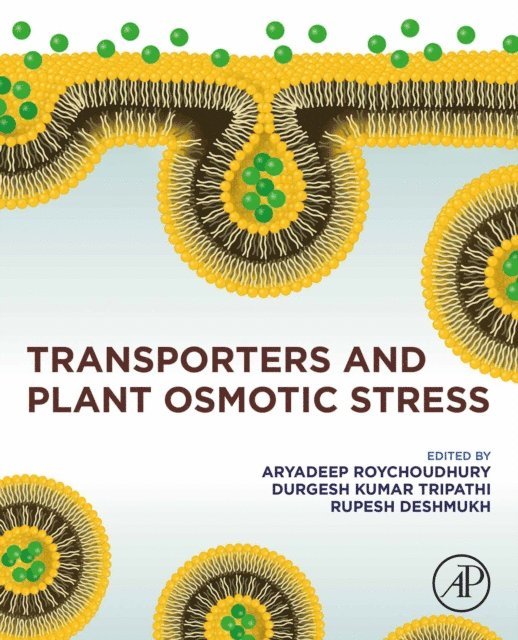
Transporters and Plant Osmotic Stress focuses on the potential negative impact of abiotic stresses on plant health and crop yield. The book focuses on the current state of knowledge of the biochemical and molecular regulation of several classes of membrane transporters during different osmotic stresses and their probable mechanisms of operation in plant stress tolerance. The comprehensive discussion presented in this book highlights steps appropriate for mitigating multiple forms of abiotic stresses utilizing transporter proteins.
Edited by leading experts and authored by top researchers from around the world, Transporters and Plant Osmotic Stress will be valuable to researchers, academicians, and scientists to enhance their knowledge and inspire further research in the field of transporters with respect to abiotic stress responses. It is complimented by its companion book titled Metal and Nutrient Transporters in Abiotic Stress.
Focuses exclusively on transporter proteins involved in multiple environmental stresses in plants Explains exploiting transporters in crop improvement programs through transgenic technology against different stresses like salt, dehydration and temperature impacts Serves as an important source of information in the field of osmotic stress3 006 kr
Läs direkt efter köp
1 871 kr
Skickas inom 10-15 vardagar
Plant Perspectives to Global Climate Changes: Developing Climate-Resilient Plants reviews and integrates currently available information on the impact of the environment on functional and adaptive features of plants from the molecular, biochemical and physiological perspectives to the whole plant level. The book also provides a direction towards implementation of programs and practices that will enable sustainable production of crops resilient to climatic alterations. This book will be beneficial to academics and researchers working on stress physiology, stress proteins, genomics, proteomics, genetic engineering, and other fields of plant physiology.
Advancing ecophysiological understanding and approaches to enhance plant responses to new environmental conditions is critical to developing meaningful high-throughput phenotyping tools and maintaining humankind's supply of goods and services as global climate change intensifies.
Illustrates the central role for plant ecophysiology in applying basic research to address current and future challenges for humans Brings together global leaders working in the area of plant-environment interactions and shares research findings Presents current scenarios and future plans of action for the management of stresses through various approaches2 662 kr
Läs direkt efter köp
1 967 kr
Skickas inom 10-15 vardagar
2 412 kr
Läs direkt efter köp
2 118 kr
Skickas
2 255 kr
Läs direkt efter köp
This new volume aims to be the single source that discusses in a comprehensive and elaborate way the photosynthetic and respiratory mechanisms in plants under hostile situations and the proper mitigating strategies to continue uninterrupted photosynthesis and respiration under such situations. Photosynthesis and respiration are the two main physiological processes for sugar biosynthesis and mobilization for driving all other vital functions. This volume delivers a wealth of sound information on these processes for scientists, researchers, and academicians.With chapters from renowned scientists, researchers, and global leaders, this volume focuses on the effect of environmental stressors on photosynthetic pigments, photosystems, activities of photosynthetic enzymes and protein complexes, PSII photochemistry, carbon fixation pathways, photosynthetic efficiency, glycolytic and Krebs cycle pathways, and ATP production and electron transport chain of plants. The recovery of photosynthesis and respiration through application of phytohormones, signaling molecules, and other protective agents are also emphasized. Genetic engineering to enhance photosynthetic efficiency is highlighted as well.
2 255 kr
Läs direkt efter köp
This new volume aims to be the single source that discusses in a comprehensive and elaborate way the photosynthetic and respiratory mechanisms in plants under hostile situations and the proper mitigating strategies to continue uninterrupted photosynthesis and respiration under such situations. Photosynthesis and respiration are the two main physiological processes for sugar biosynthesis and mobilization for driving all other vital functions. This volume delivers a wealth of sound information on these processes for scientists, researchers, and academicians.With chapters from renowned scientists, researchers, and global leaders, this volume focuses on the effect of environmental stressors on photosynthetic pigments, photosystems, activities of photosynthetic enzymes and protein complexes, PSII photochemistry, carbon fixation pathways, photosynthetic efficiency, glycolytic and Krebs cycle pathways, and ATP production and electron transport chain of plants. The recovery of photosynthesis and respiration through application of phytohormones, signaling molecules, and other protective agents are also emphasized. Genetic engineering to enhance photosynthetic efficiency is highlighted as well.
2 385 kr
Läs direkt efter köp
Abiotic stresses such as drought, high salt, cold, heat, UV radiation, heavy metal pollution, etc., are increasingly responsible for restricting plant growth and agricultural production and are becoming more alarming due to threats from global climate change. To combat these threats, this new 3-volume set provides a comprehensive understanding of the mechanisms that mediate biosynthesis, accumulation, and degradation of plant metabolites to improve crop production and enhance abiotic stress tolerance in plants.
Volume 1: Secondary Metabolites in Environmental Stress Tolerance focuses exclusively on the diverse secondary metabolites that play a major role in the adaptation of plants to the environment and in overcoming stress conditions as well as their implications for enhancing tolerance mechanisms. The book presents available information on the protective roles rendered by a wide array of antioxidative secondary metabolites and their regulation during diverse environmental stress.
Volume 2: Trace Elements in Environmental Stress Tolerance throws light on the different inorganic trace elements, including metal nanoparticles, that help to deal with environmental stresses. While these elements at high level create considerable phytotoxicity and halt metabolic and enzymatic activity, they also promote growth and development in limited quantity, so that they have significant potential in revamping plant morphology and physiology under stressed conditions. Hence, optimum concentration management of these elements can help to mitigate world hunger and contribute toward sustainable agriculture and food security under challenging environments.
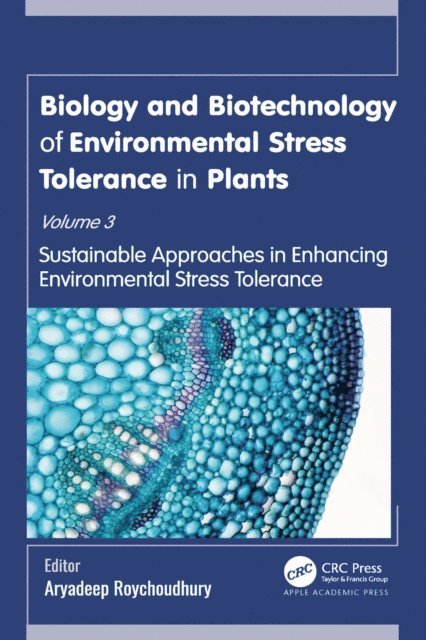
Volume 3: Sustainable Approaches for Enhancing Environmental Stress Tolerance focuses on the agronomic and biochemical approaches as well as biotechnological and high-throughput technologies, including the prospects of genetic engineering, epigenetics and the latest CRISPR/Cas technology, in generating stress-tolerant plants. The volume provides a clear roadmap for the implementation of techniques for improving abiotic stress tolerance in plants for better sustenance.
2 385 kr
Läs direkt efter köp
Abiotic stresses such as drought, high salt, cold, heat, UV radiation, heavy metal pollution, etc., are increasingly responsible for restricting plant growth and agricultural production and are becoming more alarming due to threats from global climate change. To combat these threats, this new 3-volume set provides a comprehensive understanding of the mechanisms that mediate biosynthesis, accumulation, and degradation of plant metabolites to improve crop production and enhance abiotic stress tolerance in plants.
Volume 1: Secondary Metabolites in Environmental Stress Tolerance focuses exclusively on the diverse secondary metabolites that play a major role in the adaptation of plants to the environment and in overcoming stress conditions as well as their implications for enhancing tolerance mechanisms. The book presents available information on the protective roles rendered by a wide array of antioxidative secondary metabolites and their regulation during diverse environmental stress.
Volume 2: Trace Elements in Environmental Stress Tolerance throws light on the different inorganic trace elements, including metal nanoparticles, that help to deal with environmental stresses. While these elements at high level create considerable phytotoxicity and halt metabolic and enzymatic activity, they also promote growth and development in limited quantity, so that they have significant potential in revamping plant morphology and physiology under stressed conditions. Hence, optimum concentration management of these elements can help to mitigate world hunger and contribute toward sustainable agriculture and food security under challenging environments.
Volume 3: Sustainable Approaches for Enhancing Environmental Stress Tolerance focuses on the agronomic and biochemical approaches as well as biotechnological and high-throughput technologies, including the prospects of genetic engineering, epigenetics and the latest CRISPR/Cas technology, in generating stress-tolerant plants. The volume provides a clear roadmap for the implementation of techniques for improving abiotic stress tolerance in plants for better sustenance.
2 385 kr
Läs direkt efter köp
Abiotic stresses such as drought, high salt, cold, heat, UV radiation, heavy metal pollution, etc., are increasingly responsible for restricting plant growth and agricultural production and are becoming more alarming due to threats from global climate change. To combat these threats, this new 3-volume set provides a comprehensive understanding of the mechanisms that mediate biosynthesis, accumulation, and degradation of plant metabolites to improve crop production and enhance abiotic stress tolerance in plants.
Volume 1: Secondary Metabolites in Environmental Stress Tolerance focuses exclusively on the diverse secondary metabolites that play a major role in the adaptation of plants to the environment and in overcoming stress conditions as well as their implications in enhancing tolerance mechanisms. The book presents information on the protective roles rendered by a wide array of antioxidative secondary metabolites and their regulation during diverse environmental stress.
Volume 2: Trace Elements in Environmental Stress Tolerance throws light on the different inorganic trace elements, including metal nanoparticles, that help to deal with various environmental stresses. While these elements at high level create considerable phytotoxicity and halt metabolic and enzymatic activity, they also promote growth and development in limited quantity, so that they have significant potential in revamping plant morphology and physiology under stressed conditions. Hence, optimum concentration management of these elements can help to mitigate world hunger and contribute toward sustainable agriculture and food security under challenging environments.
Volume 3: Sustainable Approaches for Enhancing Environmental Stress Tolerance focuses on agronomic and biochemical approaches as well as biotechnological and high-throughput technologies, including the prospects of genetic engineering, epigenetics and the latest CRISPR/Cas technology in generating stress-tolerant plants. The volume provides a clear roadmap for the implementation of techniques for improving abiotic stress tolerance in plants for better sustenance.
2 406 kr
Läs direkt efter köp
Abiotic stresses such as drought, high salt, cold, heat, UV radiation, heavy metal pollution, etc., are increasingly responsible for restricting plant growth and agricultural production and are becoming more alarming due to threats from global climate change. To combat these threats, this new 3-volume set provides a comprehensive understanding of the mechanisms that mediate biosynthesis, accumulation, and degradation of plant metabolites to improve crop production and enhance abiotic stress tolerance in plants.
Volume 1: Secondary Metabolites in Environmental Stress Tolerance focuses exclusively on the diverse secondary metabolites that play a major role in the adaptation of plants to the environment and in overcoming stress conditions as well as their implications in enhancing tolerance mechanisms. The book presents information on the protective roles rendered by a wide array of antioxidative secondary metabolites and their regulation during diverse environmental stress.
Volume 2: Trace Elements in Environmental Stress Tolerance throws light on the different inorganic trace elements, including metal nanoparticles, that help to deal with various environmental stresses. While these elements at high level create considerable phytotoxicity and halt metabolic and enzymatic activity, they also promote growth and development in limited quantity, so that they have significant potential in revamping plant morphology and physiology under stressed conditions. Hence, optimum concentration management of these elements can help to mitigate world hunger and contribute toward sustainable agriculture and food security under challenging environments.
Volume 3: Sustainable Approaches for Enhancing Environmental Stress Tolerance focuses on agronomic and biochemical approaches as well as biotechnological and high-throughput technologies, including the prospects of genetic engineering, epigenetics and the latest CRISPR/Cas technology in generating stress-tolerant plants. The volume provides a clear roadmap for the implementation of techniques for improving abiotic stress tolerance in plants for better sustenance.
2 385 kr
Läs direkt efter köp
Abiotic stresses such as drought, high salt, cold, heat, UV radiation, heavy metal pollution, etc., are increasingly responsible for restricting plant growth and agricultural production and are becoming more alarming due to threats from global climate change. To combat these threats, this new 3-volume set provides a comprehensive understanding of the mechanisms that mediate biosynthesis, accumulation, and degradation of plant metabolites to improve crop production and enhance abiotic stress tolerance in plants.
Volume 1: Secondary Metabolites in Environmental Stress Tolerance focuses exclusively on the diverse secondary metabolites that play a major role in the adaptation of plants to the environment and in overcoming stress conditions as well as their implications for enhancing tolerance mechanisms. The book presents information on the protective role rendered by a wide array of antioxidative secondary metabolites and their regulation during diverse environmental stress.
Volume 2: Trace Elements in Environmental Stress Tolerance throws light on the different inorganic trace elements, including metal nanoparticles, that help to deal with environmental stresses. While these elements at high level create considerable phytotoxicity and halt metabolic and enzymatic activity, they also promote growth and development in limited quantity, so that they have significant potential in revamping plant morphology and physiology under stressed conditions. Hence, optimum concentration management of these elements can help to mitigate world hunger and contribute toward sustainable agriculture and food security under challenging environments.
Volume 3: Sustainable Approaches for Enhancing Environmental Stress Tolerance focuses on the agronomic and biochemical approaches as well as biotechnological and high-throughput technologies, including the prospects of genetic engineering, epigenetics and the latest CRISPR/Cas technology, in generating stress-tolerant plants. The volume provides a clear roadmap for the implementation of techniques for improving abiotic stress tolerance in plants for better sustenance.
2 385 kr
Läs direkt efter köp
Abiotic stresses such as drought, high salt, cold, heat, UV radiation, heavy metal pollution, etc., are increasingly responsible for restricting plant growth and agricultural production and are becoming more alarming due to threats from global climate change. To combat these threats, this new 3-volume set provides a comprehensive understanding of the mechanisms that mediate biosynthesis, accumulation, and degradation of plant metabolites to improve crop production and enhance abiotic stress tolerance in plants.
Volume 1: Secondary Metabolites in Environmental Stress Tolerance focuses exclusively on the diverse secondary metabolites that play a major role in the adaptation of plants to the environment and in overcoming stress conditions as well as their implications for enhancing tolerance mechanisms. The book presents information on the protective role rendered by a wide array of antioxidative secondary metabolites and their regulation during diverse environmental stress.
Volume 2: Trace Elements in Environmental Stress Tolerance throws light on the different inorganic trace elements, including metal nanoparticles, that help to deal with environmental stresses. While these elements at high level create considerable phytotoxicity and halt metabolic and enzymatic activity, they also promote growth and development in limited quantity, so that they have significant potential in revamping plant morphology and physiology under stressed conditions. Hence, optimum concentration management of these elements can help to mitigate world hunger and contribute toward sustainable agriculture and food security under challenging environments.
Volume 3: Sustainable Approaches for Enhancing Environmental Stress Tolerance focuses on the agronomic and biochemical approaches as well as biotechnological and high-throughput technologies, including the prospects of genetic engineering, epigenetics and the latest CRISPR/Cas technology, in generating stress-tolerant plants. The volume provides a clear roadmap for the implementation of techniques for improving abiotic stress tolerance in plants for better sustenance.
909 kr
Läs direkt efter köp
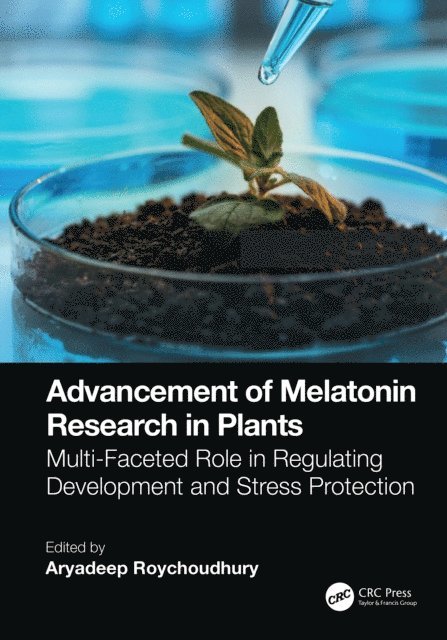
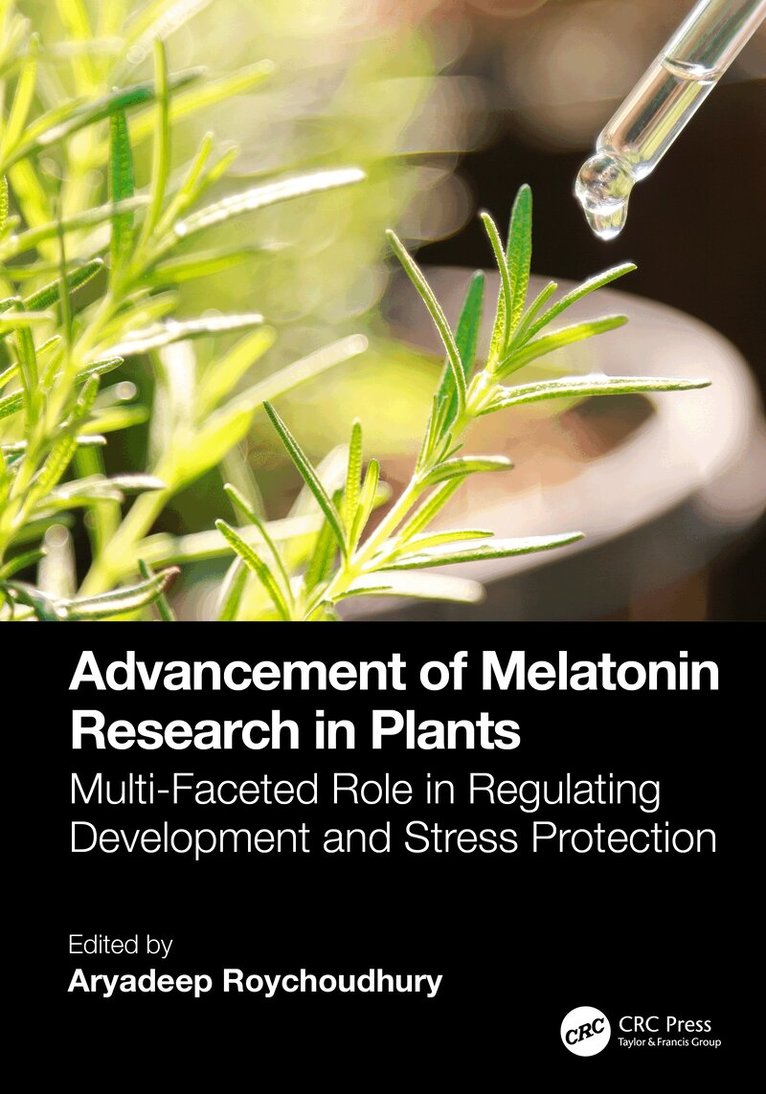
Melatonin (N-acetyl-5-methoxytryptamine) is a widely studied biomolecule, and its function has been investigated in bacteria, mammals, birds, amphibians, reptiles, fish and plants. Melatonin research in plants the last five years has attained an exponential growth phase and the number of publications related to phytomelatonin has significantly increased in present times. All this research is directed towards establishing multifarious roles of melatonin in plants, including the promotion of seed germination and seedling growth, influencing plant development and senescence, alteration of flowering and fruiting time and grain yield, modulating circadian rhythms, improving resistance against biotic stress as well as tolerance to abiotic stress, reducing oxidative stress, and stimulating plant immune response. However, to date, an exhaustive book, solely and exclusively dedicated to melatonin research on various aspects of plant biology, has not been published by any renowned publisher or is available in the market. Keeping all these facts in mind, this book aims to compile the most recent developments in the arena of melatonin-mediated regulation of plant physiology under optimal and sub-optimal conditions. This book will initiate and introduce the readers to the state-of-the-art developments and trends in this field of study and will largely cater to the scientific need of scientists engaged in melatonin research across the globe. The book will be unique of its kind and will draw the attention of scientific and research communities engaged in the field of melatonin research.
The key features of this book:
Authors will address the topics which would provide advances in the understanding of diverse functions of melatonin in plants, encompassing almost all the aspects that have been investigated so far Integrate the overall mechanistic function of melatonin, genomics and proteomics tools, and genetic engineering to manipulate endogenous melatonin levels, thus giving a holistic view of plant-level studies under normal or challenging situations Largely help the readers to design future research programs in exploiting melatonin as a protective agent to develop climate-resilient and pathogen-resistant plants Benefit the crop protection program and ensure food security Chapters will be supplemented with ample illustrations and figuresThis book will be beneficial to research scholars and Ph.D. students involved in melatonin research and working on stress physiology, stress proteins, genomics, proteomics and genetic engineering in different universities and research institutes all over the world. The book can also be used as an advanced reference book for the coursework of research and master’s level students. It will be of use to people involved in improving plant growth and yield, as well as the performance of plant species in the face of climate change and pathogen infection, using melatonin as the prime protective agent and signaling molecule. Although the book will directly benefit the academic and scientific community, it will also indirectly draw the attention of industries or companies that manufacture or sell chemical products, since the book will highlight in detail the antioxidative potential of melatonin. This will create impetus at the industrial level for the isolation and synthesis of melatonin as a beneficial chemical agent. Applying melatonin as an ameliorating agent against different stresses at the field level will also increase the demand for this chemical among the farmers and will promote large-scale sales and utilization of melatonin for ensuring crop protection and increasing yield.
909 kr
Läs direkt efter köp
Melatonin (N-acetyl-5-methoxytryptamine) is a widely studied biomolecule, and its function has been investigated in bacteria, mammals, birds, amphibians, reptiles, fish and plants. Melatonin research in plants the last five years has attained an exponential growth phase and the number of publications related to phytomelatonin has significantly increased in present times. All this research is directed towards establishing multifarious roles of melatonin in plants, including the promotion of seed germination and seedling growth, influencing plant development and senescence, alteration of flowering and fruiting time and grain yield, modulating circadian rhythms, improving resistance against biotic stress as well as tolerance to abiotic stress, reducing oxidative stress, and stimulating plant immune response. However, to date, an exhaustive book, solely and exclusively dedicated to melatonin research on various aspects of plant biology, has not been published by any renowned publisher or is available in the market. Keeping all these facts in mind, this book aims to compile the most recent developments in the arena of melatonin-mediated regulation of plant physiology under optimal and sub-optimal conditions. This book will initiate and introduce the readers to the state-of-the-art developments and trends in this field of study and will largely cater to the scientific need of scientists engaged in melatonin research across the globe. The book will be unique of its kind and will draw the attention of scientific and research communities engaged in the field of melatonin research.
The key features of this book:
Authors will address the topics which would provide advances in the understanding of diverse functions of melatonin in plants, encompassing almost all the aspects that have been investigated so far Integrate the overall mechanistic function of melatonin, genomics and proteomics tools, and genetic engineering to manipulate endogenous melatonin levels, thus giving a holistic view of plant-level studies under normal or challenging situations Largely help the readers to design future research programs in exploiting melatonin as a protective agent to develop climate-resilient and pathogen-resistant plants Benefit the crop protection program and ensure food security Chapters will be supplemented with ample illustrations and figuresThis book will be beneficial to research scholars and Ph.D. students involved in melatonin research and working on stress physiology, stress proteins, genomics, proteomics and genetic engineering in different universities and research institutes all over the world. The book can also be used as an advanced reference book for the coursework of research and master’s level students. It will be of use to people involved in improving plant growth and yield, as well as the performance of plant species in the face of climate change and pathogen infection, using melatonin as the prime protective agent and signaling molecule. Although the book will directly benefit the academic and scientific community, it will also indirectly draw the attention of industries or companies that manufacture or sell chemical products, since the book will highlight in detail the antioxidative potential of melatonin. This will create impetus at the industrial level for the isolation and synthesis of melatonin as a beneficial chemical agent. Applying melatonin as an ameliorating agent against different stresses at the field level will also increase the demand for this chemical among the farmers and will promote large-scale sales and utilization of melatonin for ensuring crop protection and increasing yield.
1 957 kr
Skickas inom 10-15 vardagar
2 742 kr
Skickas inom 10-15 vardagar
694 kr
Skickas inom 10-15 vardagar
1 760 kr
Skickas inom 10-15 vardagar
2 462 kr
Skickas inom 10-15 vardagar
795 kr
Läs direkt efter köp
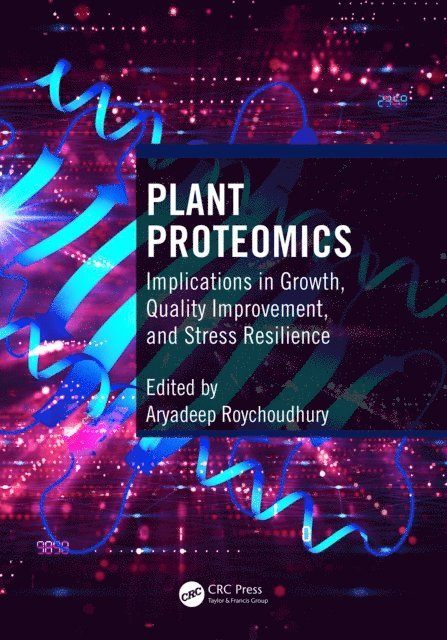
There have been several advancements made in high-throughput protein technologies creating immense possibilities for studying proteomics on a large scale. Researchers are exploring various proteomic techniques to unravel the mystery of plant stress tolerance mechanisms. Plant Proteomics: Implications in Growth, Quality Improvement, and Stress Resilience introduces readers to techniques and methodologies of proteomics and explains different physiological phenomena in plants and their responses to various environmental cues and defense mechanisms against pathogens. The main emphasis is on research involving applications of proteomics to understand different aspects of the life cycle of plant species including dormancy, flowering, photosynthetic efficiency, nitrogen assimilation, accumulation of nutritional parameters, secondary metabolite production, reproduction and grain yield as well as signalling responses during abiotic and biotic stresses. The book takes a unique approach, encompassing high throughput and sophisticated proteomic techniques while integrating proteomics with other “omics.”
Features:
Integrates the branch of proteomics with other “omics” approaches including genomics and metabolomics, giving a holistic view of the overall “omics” approaches Covers various proteomics approaches for the identification of biological processes, future perspectives, and upcoming applications to identify diverse genes in plants Presents readers with various proteomics tools for the improvement of plant growth, quality, and resilience against climate change, and pathogen infection Enables researchers in identifying novel proteins that could be used as target to generate plants with improved traits795 kr
Läs direkt efter köp
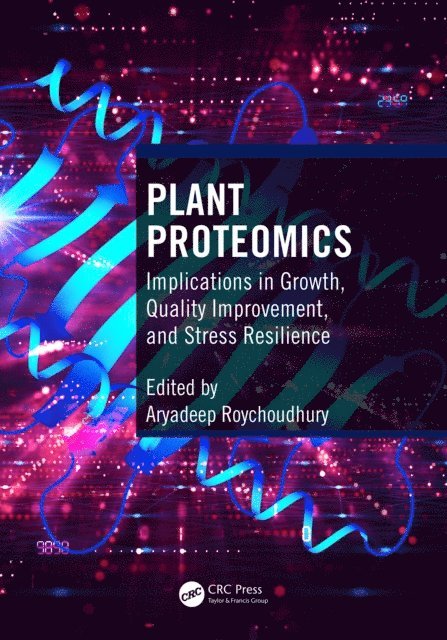
There have been several advancements made in high-throughput protein technologies creating immense possibilities for studying proteomics on a large scale. Researchers are exploring various proteomic techniques to unravel the mystery of plant stress tolerance mechanisms. Plant Proteomics: Implications in Growth, Quality Improvement, and Stress Resilience introduces readers to techniques and methodologies of proteomics and explains different physiological phenomena in plants and their responses to various environmental cues and defense mechanisms against pathogens. The main emphasis is on research involving applications of proteomics to understand different aspects of the life cycle of plant species including dormancy, flowering, photosynthetic efficiency, nitrogen assimilation, accumulation of nutritional parameters, secondary metabolite production, reproduction and grain yield as well as signalling responses during abiotic and biotic stresses. The book takes a unique approach, encompassing high throughput and sophisticated proteomic techniques while integrating proteomics with other “omics.”
Features:
Integrates the branch of proteomics with other “omics” approaches including genomics and metabolomics, giving a holistic view of the overall “omics” approaches Covers various proteomics approaches for the identification of biological processes, future perspectives, and upcoming applications to identify diverse genes in plants Presents readers with various proteomics tools for the improvement of plant growth, quality, and resilience against climate change, and pathogen infection Enables researchers in identifying novel proteins that could be used as target to generate plants with improved traits909 kr
Läs direkt efter köp
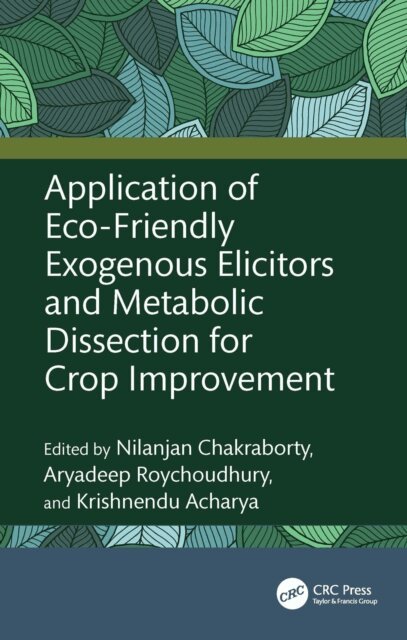
Due to the alarming increase in human population and global food demand, farmers are looking for a better option that can provide them huge benefits within a short period of time. The use of chemical pesticides, fungicides, or other chemical fertilizers altogether causes a huge adverse impact on the environment. Using environmentally safe elicitor molecules can solve this problem in two ways. First, their application is a cost-effective process, which can provide maximum benefit to the farmers. Second, they are safe to apply directly to the environment.
Key features of the book:
1) It covers a vast area of research undertaken on elicitation processes.
2) It comprises both biotic and abiotic stress tolerance through elicitation.
3) It highlights a low-cost technology for adoption in future for larger benefits for a better future.
4) Omics approaches are highlighted.
5) The chapters are supported by sufficient illustrations.
This book comprises aspects of elicitation or elicitor-mediated research undertaken so far, to provide a direction toward a chemical-hazard-free world without compromising the yield and market value of the plant-based products. This book aims to guide students at the undergraduate and postgraduate levels as well as researchers, academicians and other industry professionals.
909 kr
Läs direkt efter köp
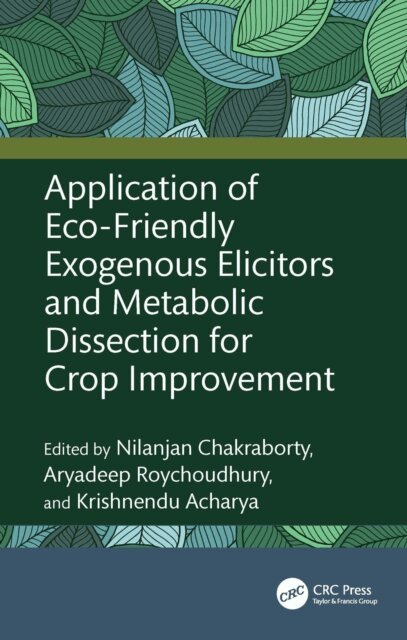
Due to the alarming increase in human population and global food demand, farmers are looking for a better option that can provide them huge benefits within a short period of time. The use of chemical pesticides, fungicides, or other chemical fertilizers altogether causes a huge adverse impact on the environment. Using environmentally safe elicitor molecules can solve this problem in two ways. First, their application is a cost-effective process, which can provide maximum benefit to the farmers. Second, they are safe to apply directly to the environment.
Key features of the book:
1) It covers a vast area of research undertaken on elicitation processes.
2) It comprises both biotic and abiotic stress tolerance through elicitation.
3) It highlights a low-cost technology for adoption in future for larger benefits for a better future.
4) Omics approaches are highlighted.
5) The chapters are supported by sufficient illustrations.
This book comprises aspects of elicitation or elicitor-mediated research undertaken so far, to provide a direction toward a chemical-hazard-free world without compromising the yield and market value of the plant-based products. This book aims to guide students at the undergraduate and postgraduate levels as well as researchers, academicians and other industry professionals.
2 839 kr
Läs direkt efter köp
2 839 kr
Läs direkt efter köp