Asher Kaufman – författare
Visar alla böcker från författaren Asher Kaufman. Handla med fri frakt och snabb leverans.
6 produkter
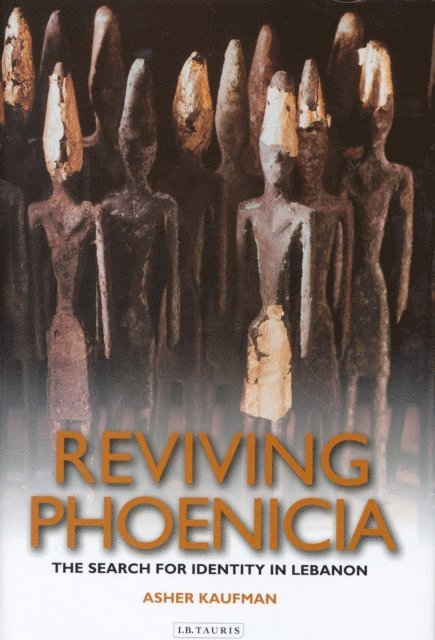
Reviving Phoenicia
The Search for Identity in Lebanon
E-bok, 2014
434 kr
Lägg i varukorg
Reviving Phoenicia follows the social, intellectual and political development of the Phoenician myth of origin in Lebanon from the middle of the nineteenth century to the end of the twentieth. Asher Kaufman demonstrates the role played by the lay, liberal Syrian-Lebanese who resided in Beirut, …
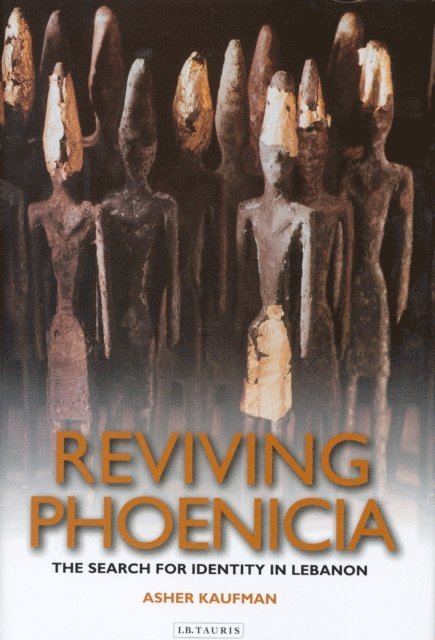
Reviving Phoenicia
The Search for Identity in Lebanon
E-bok, 2014
434 kr
Lägg i varukorg
Reviving Phoenicia follows the social, intellectual and political development of the Phoenician myth of origin in Lebanon from the middle of the nineteenth century to the end of the twentieth. Asher Kaufman demonstrates the role played by the lay, liberal Syrian-Lebanese who resided in Beirut, …
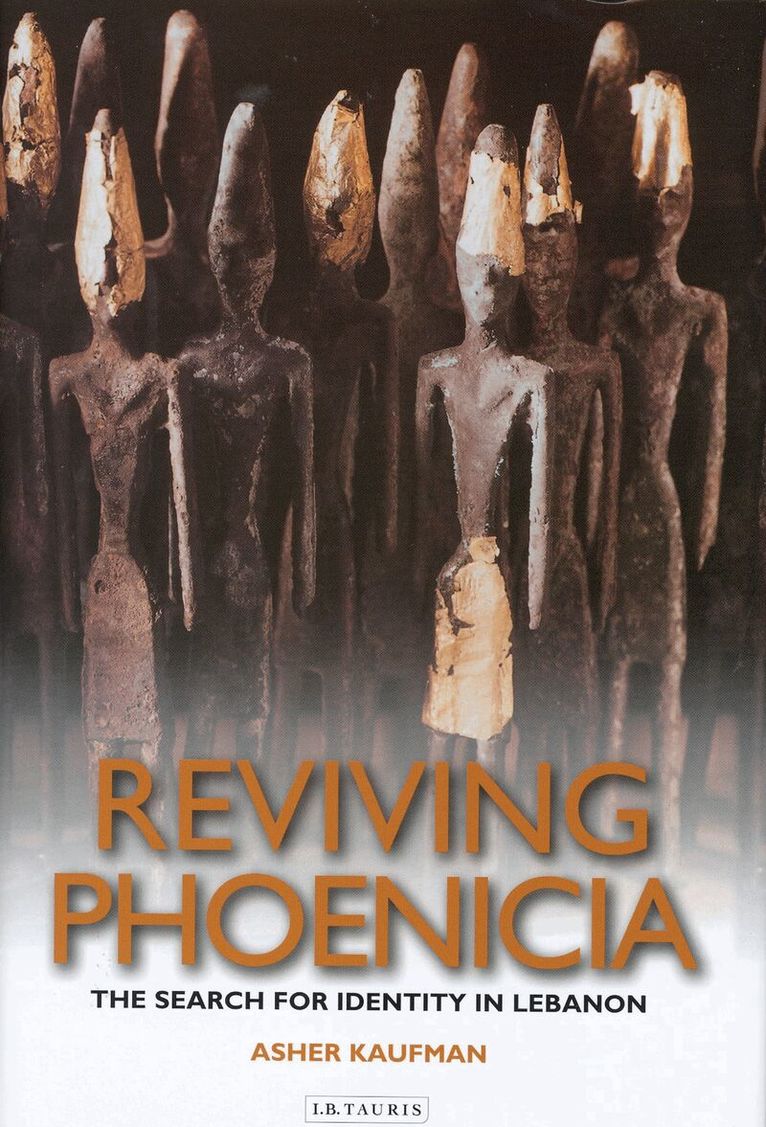
Reviving Phoenicia
The Search for Identity in Lebanon
Häftad, 2014
399 kr
Lägg i varukorg
Reviving Phoenicia follows the social, intellectual and political development of the Phoenician myth of origin in Lebanon from the middle of the nineteenth century to the end of the twentieth. Asher Kaufman demonstrates the role played by the lay, liberal Syrian-Lebanese who resided in Beirut, …
Reviving Phoenicia
The Search for Identity in Lebanon
Inbunden, 2004
2365 kr
Lägg i varukorg
This study follows the social, intellectual and political development of the Phoenician myth of origin in Lebanon from the middle of the 19th century to the end of the 20th. Asher Kaufman demonstrates the role played by the lay, liberal Syrian-Lebanese who resided in Beirut, Alexandria and America …
Contested Frontiers in the Syria-Lebanon-Israel Region
Cartography, Sovereignty, and Conflict
Inbunden, 2014
633 kr
Tillfälligt slut
Contested Frontiers in the Syria-Lebanon-Israel Region studies one of the flash points of the Middle East since the 1960s - a tiny region of roughly 100 square kilometers where Syria, Lebanon, and Israel come together but where the borders have never been clearly marked. This was the scene of …
Arab-Jewish Relations
From Conflict to Resolution?
Inbunden, 2005
1896 kr
Tillfälligt slut
Distinguished American, Canadian, Palestinian and Israeli contributors illuminate the building blocks on the possible path from conflict to reconciliation between Jews and Arabs. The book is divided into three parts: Part I looks at the Arab-Jewish Conflict, from early Zionism to the 1967 …