Ashley Jackson – författare
Visar alla böcker från författaren Ashley Jackson. Handla med fri frakt och snabb leverans.
44 produkter
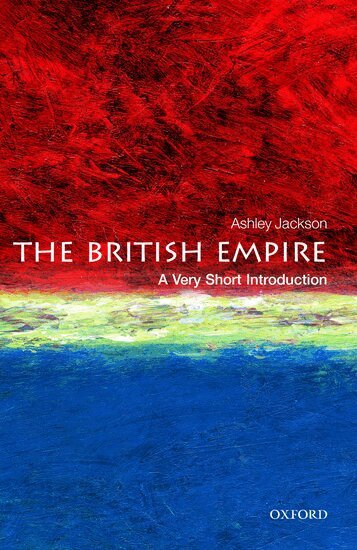
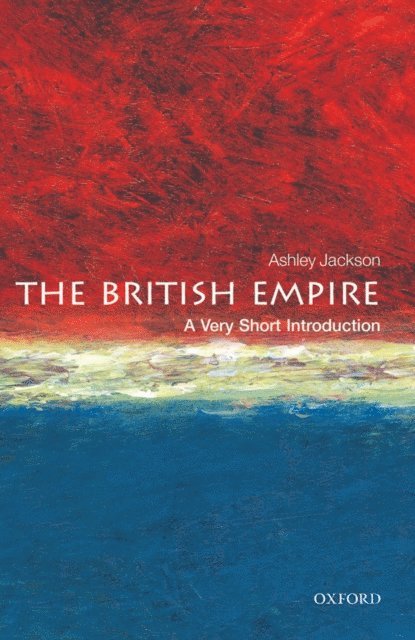
The British Empire
A Very Short Introduction
Häftad, 2013
116 kr
Lägg i varukorg
From the eighteenth century until the 1950s the British Empire was the biggest political entity in the world. The territories forming this empire ranged from tiny islands to vast segments of the world's major continental land masses. The British Empire left its mark on the world in a multitude of …
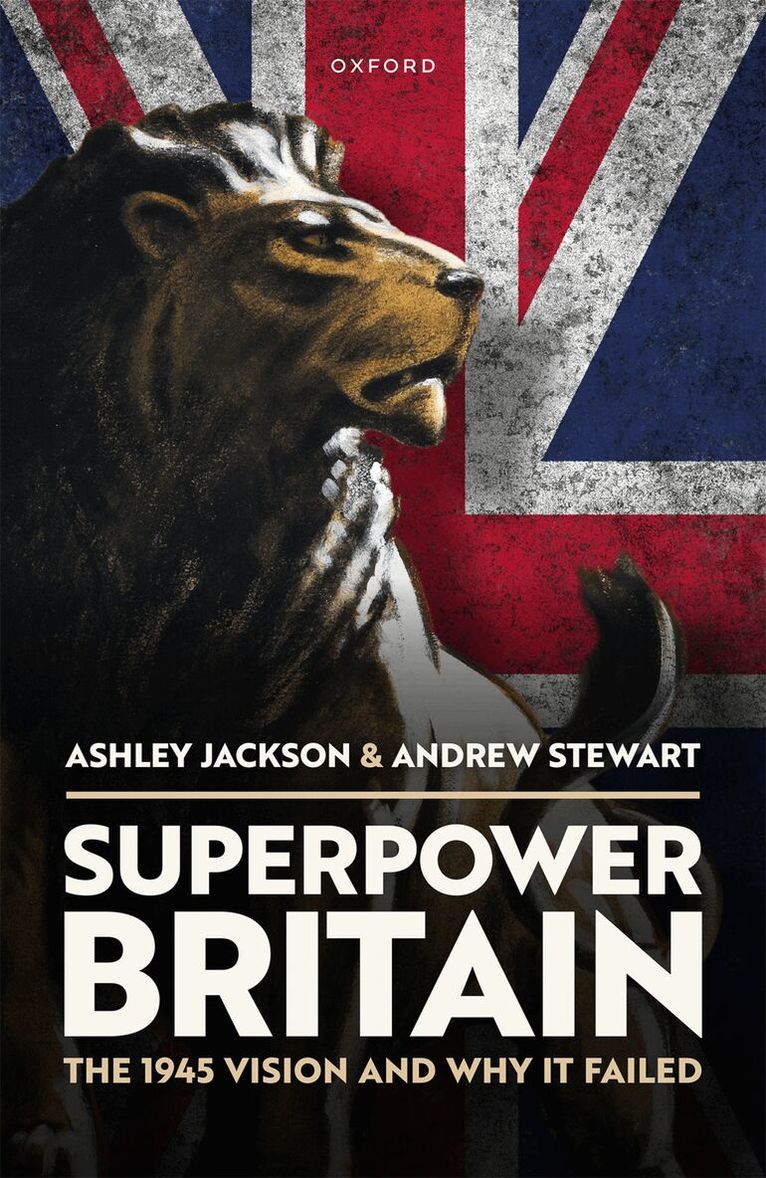
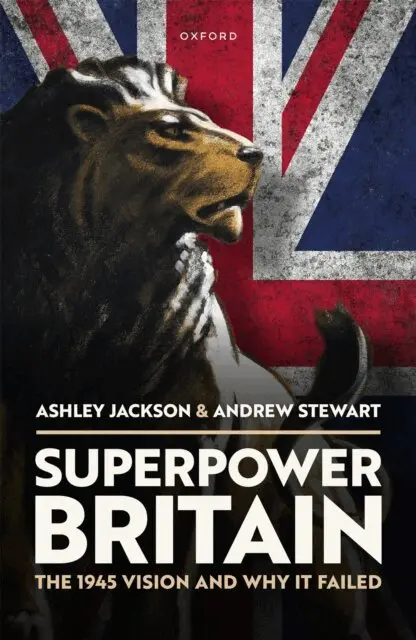
Superpower Britain
The 1945 Vision and Why it Failed
Av Ashley Jackson, Andrew Stewart
Inbunden, 2025
531 kr
Lägg i varukorg
History tells us that the Second World War broke Britain as a great power, diminishing its military strength, ruining its economy, and precipitating a striking wave of decolonization. Nationalists and new superpowers dominated the post-war landscape, and the country was on the slide. But no one …
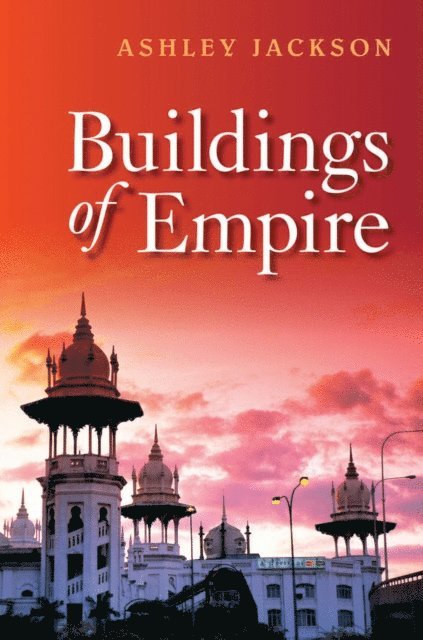
Buildings of Empire
E-bok, 2013
277 kr
Lägg i varukorg
Buildings of Empire takes the reader on an exciting journey through thirteen territories of the British Empire. From Dublin Castle to the glass and steel of Sir Norman Foster''s Hong Kong and Shanghai Bank skyscraper, these buildings capture the essence of the imperial experience, painting an …
Buildings of Empire
E-bok, 2013
277 kr
Lägg i varukorg
Buildings of Empire takes the reader on an exciting journey through thirteen territories of the British Empire. From Dublin Castle to the glass and steel of Sir Norman Foster''s Hong Kong and Shanghai Bank skyscraper, these buildings capture the essence of the imperial experience, painting an …
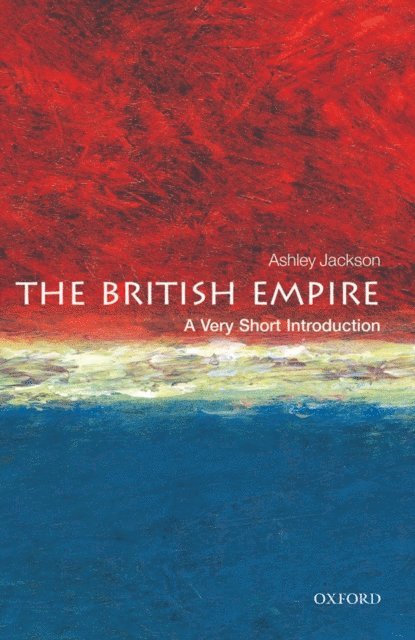
British Empire
A Very Short Introduction
E-bok, 2013
95 kr
Lägg i varukorg
From the eighteenth century until the 1950s the British Empire was the biggest political entity in the world. The territories forming this empire ranged from tiny islands to vast segments of the world''s major continental land masses. The British Empire left its mark on the world in a multitude of …
British Empire
A Very Short Introduction
E-bok, 2013
89 kr
Lägg i varukorg
From the eighteenth century until the 1950s the British Empire was the biggest political entity in the world. The territories forming this empire ranged from tiny islands to vast segments of the world''s major continental land masses. The British Empire left its mark on the world in a multitude of …
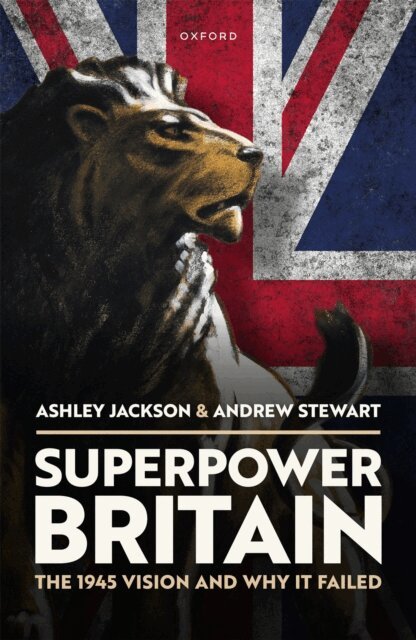
Superpower Britain
The 1945 Vision and Why it Failed
Av Andrew Stewart, Ashley Jackson
E-bok, 2025
420 kr
Lägg i varukorg
History tells us that the Second World War broke Britain as a great power, diminishing its military strength, ruining its economy, and precipitating a striking wave of decolonization. Nationalists and new superpowers dominated the post-war landscape, and the country was on the slide. But no one …
Superpower Britain
The 1945 Vision and Why it Failed
Av Andrew Stewart, Ashley Jackson
E-bok, 2025
420 kr
Lägg i varukorg
History tells us that the Second World War broke Britain as a great power, diminishing its military strength, ruining its economy, and precipitating a striking wave of decolonization. Nationalists and new superpowers dominated the post-war landscape, and the country was on the slide. But no one …
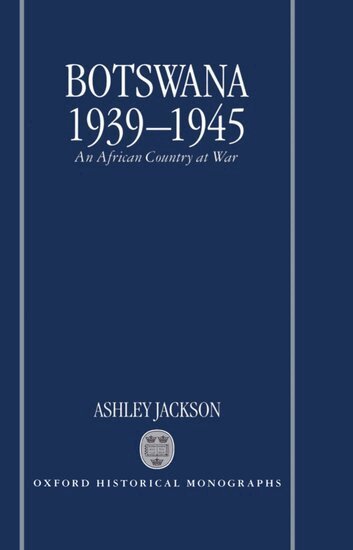
Botswana 1939-1945
An African Country at War
Inbunden, 1999
981 kr
Lägg i varukorg
This is the first full study of an African country during the Second World War. Unusually, it provides both an Africanist and an imperial perspective. Using extensive archival and oral evidence, Ashley Jackson explores the social, economic, political, agricultural, and military history of Botswana. …
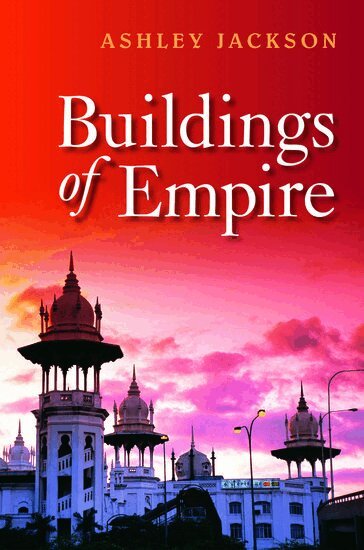
Buildings of Empire
Inbunden, 2013
602 kr
Lägg i varukorg
Buildings of Empire takes the reader on an exciting journey through thirteen territories of the British Empire. From Dublin Castle to the glass and steel of Sir Norman Foster's Hong Kong and Shanghai Bank skyscraper, these buildings capture the essence of the imperial experience, painting an …
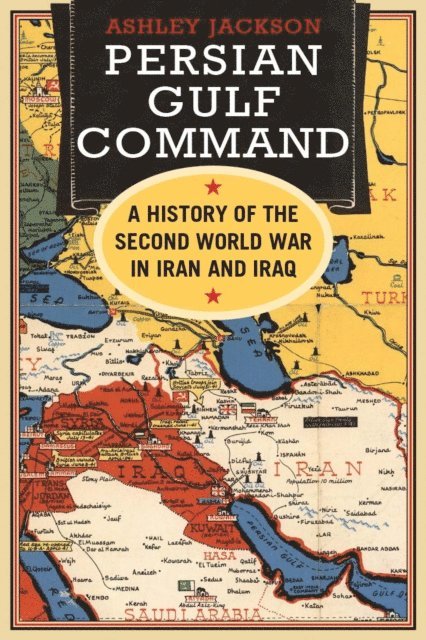
Persian Gulf Command
A History of the Second World War in Iran and Iraq
E-bok, 2018
221 kr
Lägg i varukorg
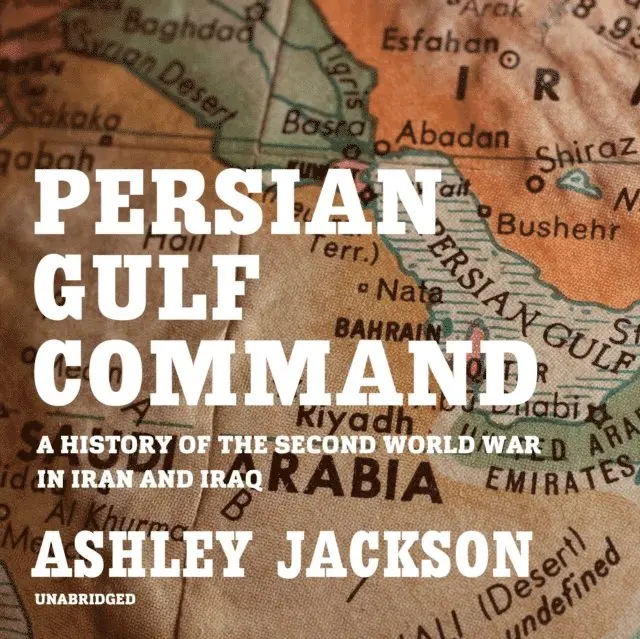
"Offers us a fascinating new perspective on the Second World War—its impact on local societies in the Middle East." (Richard J. Aldrich, author of The Black Door) This dynamic history is the first to construct a total picture of the experience and impact of World War II in Iran and Iraq. Contending …
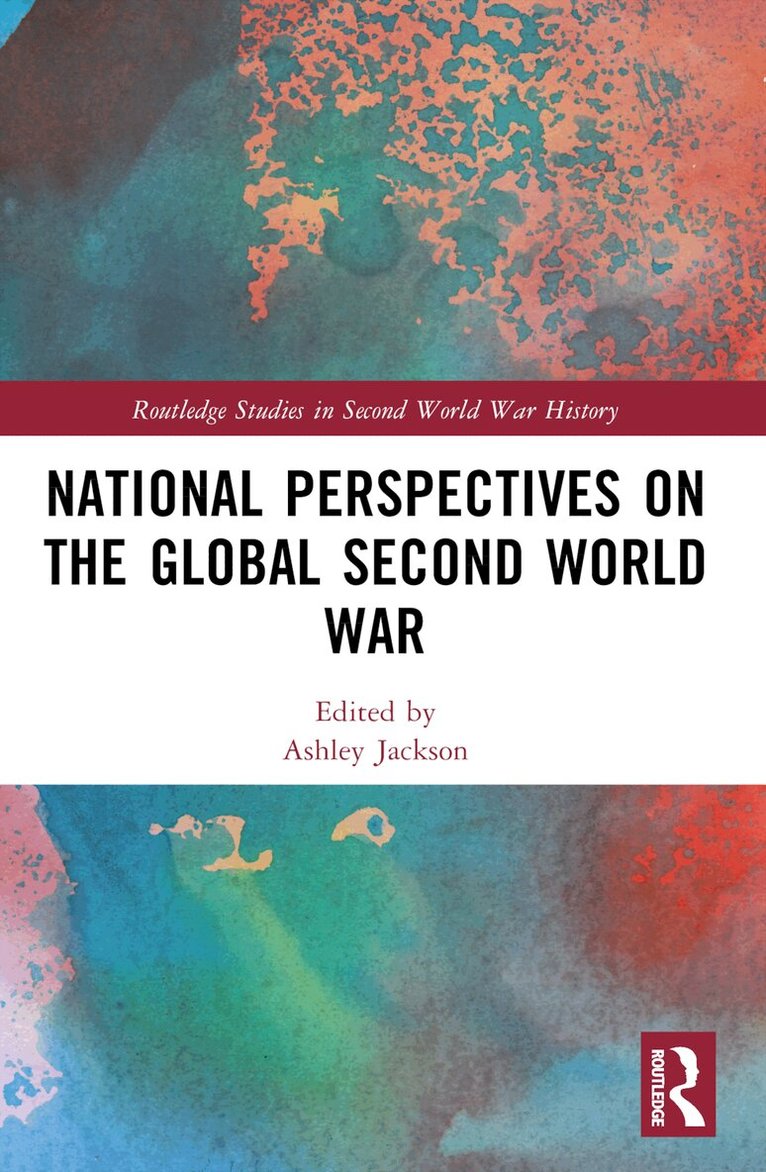
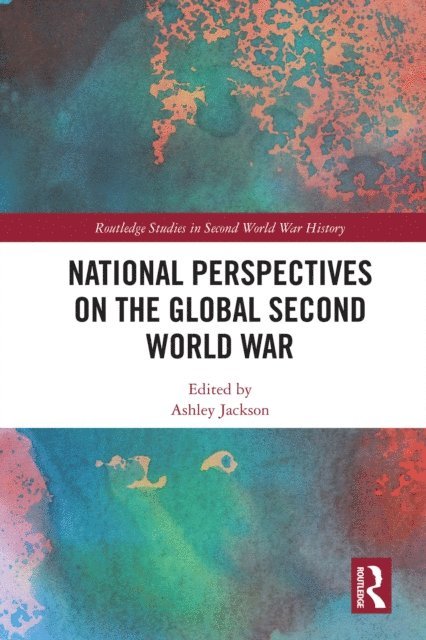
National Perspectives on the Global Second World War
Inbunden, 2023
2585 kr
Lägg i varukorg
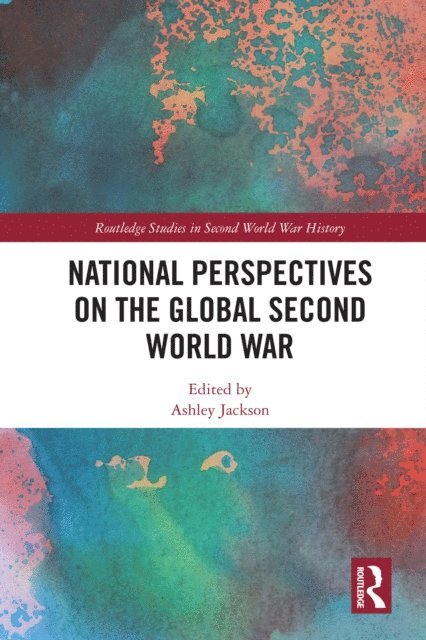
This collection of essays, written by authors of different nationalities, explores the experiences of the countries that were not numbered among the Second World War’s major belligerents, including colonies, 'lesser' powers, and neutral nation states. The story of the war is often dominated by the …
National Perspectives on the Global Second World War
Häftad, 2024
667 kr
Lägg i varukorg
This collection of essays, written by authors of different nationalities, explores the experiences of the countries that were not numbered among the Second World War’s major belligerents, including colonies, 'lesser' powers, and neutral nation states. The story of the war is often dominated by the …
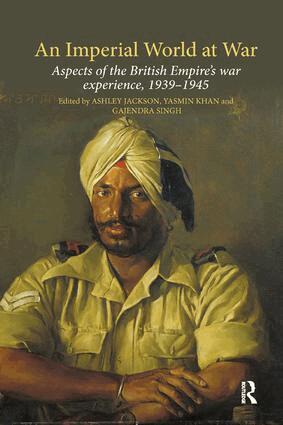
Imperial World at War
The British Empire, 1939–45
Av Ashley Jackson, Yasmin Khan m. fl.
Häftad, 2017
788 kr
Lägg i varukorg
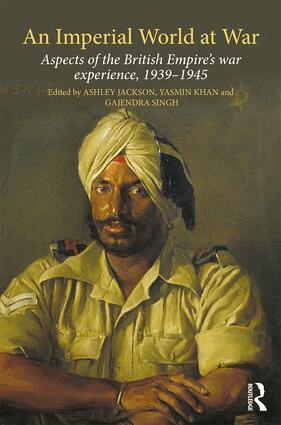
At the start of the Second World War, Britain was at the height of its imperial power, and it is no surprise that it drew upon the global resources of the Empire once war had been declared. Whilst this international aspect of Britain’s war effort has been well-studied in relation to the military …
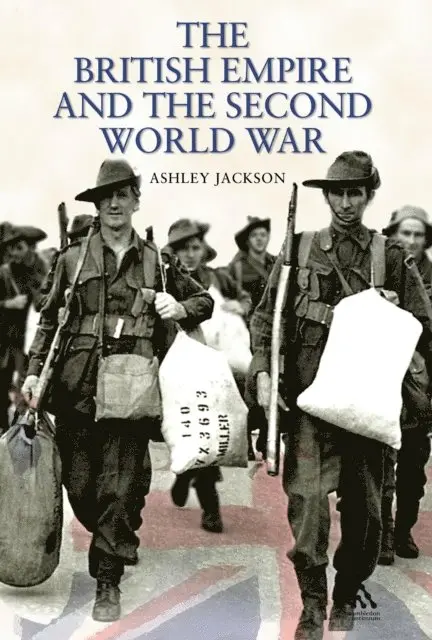
British Empire and the Second World War
E-bok, 2006
1099 kr
Lägg i varukorg
In 1939 Hitler went to war not just with Great Britain; he also went to war with the whole of the British Empire, the greatest empire that there had ever been. In the years since 1945 that empire has disappeared, and the crucial fact that the British Empire fought together as a whole during the war …
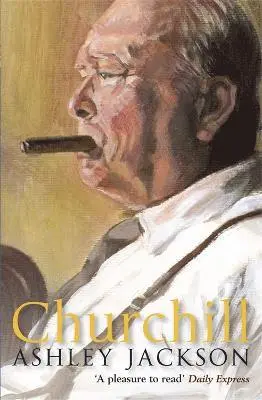
Churchill
Häftad, 2012
168 kr
Lägg i varukorg
Winston Churchill attracted far more criticism alive than he has since his death. He was, according to Evelyn Waugh, 'always in the wrong, surrounded by crooks, a terrible father, a radio personality'. Whatever one's view of 'the greatest Briton', and despite the best efforts of an army of writers …
National Perspectives on the Global Second World War
E-bok, 2023
785 kr
Lägg i varukorg
This collection of essays, written by authors of different nationalities, explores the experiences of the countries that were not numbered among the Second World War’s major belligerents, including colonies, ''lesser'' powers, and neutral nation states. The story of the war is often dominated by …
National Perspectives on the Global Second World War
E-bok, 2023
785 kr
Lägg i varukorg
This collection of essays, written by authors of different nationalities, explores the experiences of the countries that were not numbered among the Second World War’s major belligerents, including colonies, ''lesser'' powers, and neutral nation states. The story of the war is often dominated by …
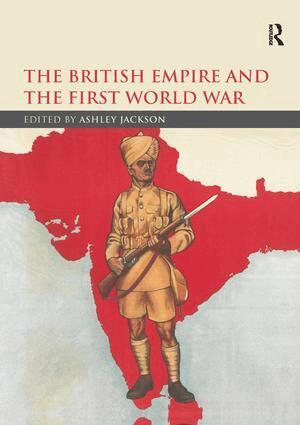
British Empire and the First World War
Häftad, 2017
845 kr
Lägg i varukorg
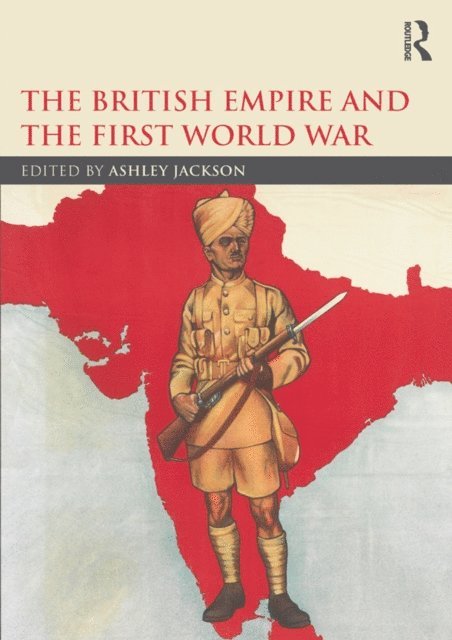
The British Empire played a crucial part in the First World War, supplying hundreds of thousands of soldiers and labourers as well as a range of essential resources, from foodstuffs to minerals, mules, and munitions. In turn, many imperial territories were deeply affected by wartime phenomena, such …
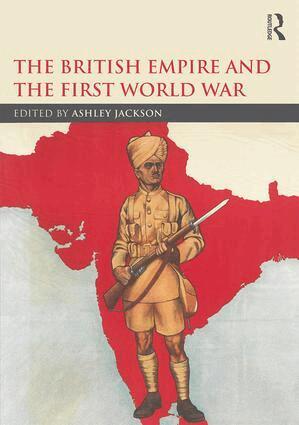
British Empire and the First World War
Inbunden, 2015
2581 kr
Lägg i varukorg
The British Empire played a crucial part in the First World War, supplying hundreds of thousands of soldiers and labourers as well as a range of essential resources, from foodstuffs to minerals, mules, and munitions. In turn, many imperial territories were deeply affected by wartime phenomena, such …
Spiritual Enrichment
A Call to Deepen Your Relationship with the Lord and Walk Fully in His Spirit
E-bok, 2025
106 kr
Lägg i varukorg
Are you ready to go deeper with God, beyond religion, beyond routine, and into real relationship?Spiritual Enrichment is more than a devotional or a guidebook—it’s a heart invitation to pursue intimacy with the One who created you. In these pages, Ashley walks you through the foundational truths of …
Imperial World at War
The British Empire, 1939–45
Av Gajendra Singh, Yasmin Khan m. fl.
E-bok, 2016
927 kr
Lägg i varukorg
At the start of the Second World War, Britain was at the height of its imperial power, and it is no surprise that it drew upon the global resources of the Empire once war had been declared. Whilst this international aspect of Britain’s war effort has been well-studied in relation to the military …
Imperial World at War
The British Empire, 1939–45
Av Gajendra Singh, Yasmin Khan m. fl.
E-bok, 2016
927 kr
Lägg i varukorg
At the start of the Second World War, Britain was at the height of its imperial power, and it is no surprise that it drew upon the global resources of the Empire once war had been declared. Whilst this international aspect of Britain’s war effort has been well-studied in relation to the military …
British Empire and the First World War
E-bok, 2017
999 kr
Lägg i varukorg
The British Empire played a crucial part in the First World War, supplying hundreds of thousands of soldiers and labourers as well as a range of essential resources, from foodstuffs to minerals, mules, and munitions. In turn, many imperial territories were deeply affected by wartime phenomena, such …
British Empire and the First World War
E-bok, 2017
999 kr
Lägg i varukorg
The British Empire played a crucial part in the First World War, supplying hundreds of thousands of soldiers and labourers as well as a range of essential resources, from foodstuffs to minerals, mules, and munitions. In turn, many imperial territories were deeply affected by wartime phenomena, such …
Imperial World at War
The British Empire, 1939–45
Av Ashley Jackson, Yasmin Khan m. fl.
Inbunden, 2016
2581 kr
Lägg i varukorg
At the start of the Second World War, Britain was at the height of its imperial power, and it is no surprise that it drew upon the global resources of the Empire once war had been declared. Whilst this international aspect of Britain’s war effort has been well-studied in relation to the military …
Ashley Jackson's Watercolour Sketches
Inbunden, 2019
225 kr
Lägg i varukorg
I am not one for pretty pictures.' Perhaps when I am long gone this will be a quote that I am remembered for alongside my paintings. For you will mostly find me in the gallery on a sunny day and out on the moors when it is at its most inhospitable, for these are the days that captivate me. All your …
Persian Gulf Command
A History of the Second World War in Iran and Iraq
Ljudbok, 2018
359 kr
Lägg i varukorg
A new history of the long-overlooked WWII theater in Iran and Iraq, its unrecognized significance, and its impact on society and politics This dynamic history is the first to construct a total picture of the experience and impact of World War II in Iran and Iraq. Contending that these two countries …
Flowers Will Never Die
Written to Inspire Women with a Focus on Motivation, Execution, Leadership, Growth, Success, Money, and Mindset
E-bok, 2022
129 kr
Lägg i varukorg
This book is to give women a different perspective on life, relationships, business, personal development, branding, and just being a better version of themselves. The flowers represent on how you die from things that no longer serves a purpose in your life. When you blossom to a beautiful flower …