Ashok Kapur – författare
Visar alla böcker från författaren Ashok Kapur. Handla med fri frakt och snabb leverans.
19 produkter
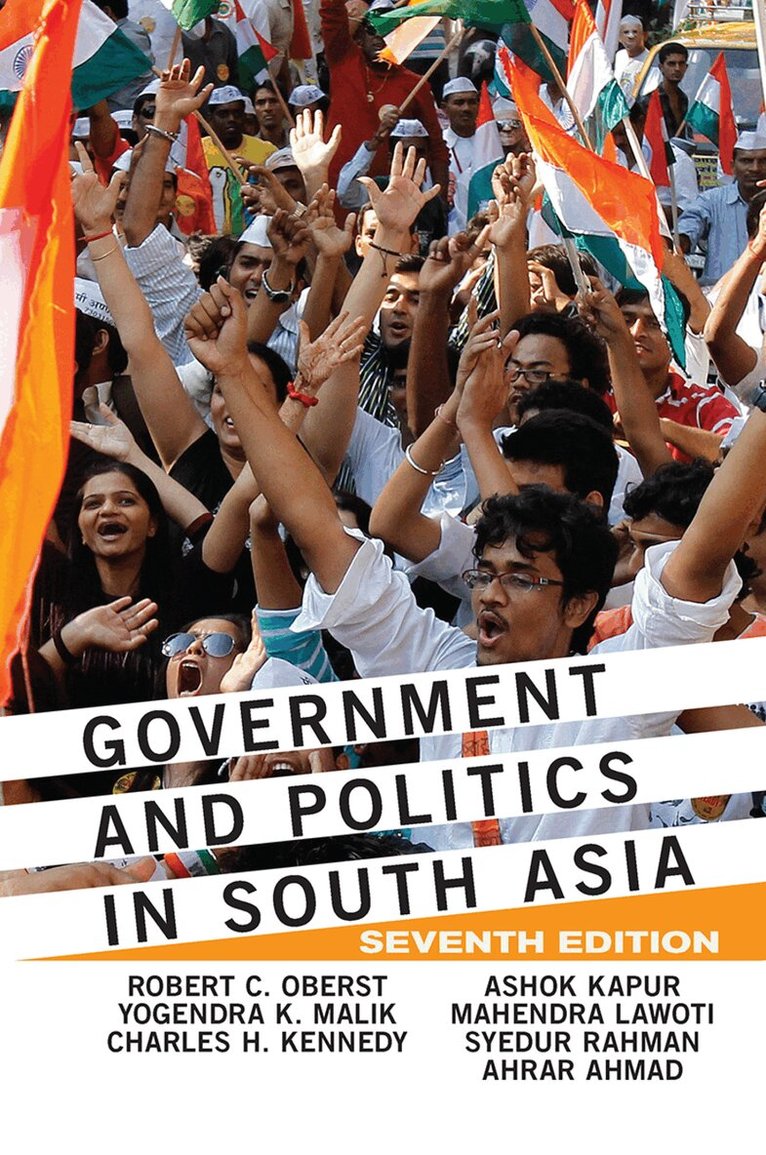
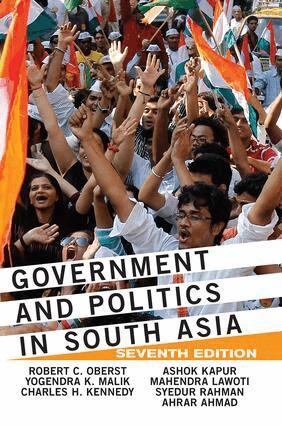
Government and Politics in South Asia
Av Robert C Oberst, Yogendra K Malik m. fl.
Inbunden, 2019
2257 kr
Lägg i varukorg
This comprehensive but accessible text provides students with a systematic introduction to the comparative political study of the leading nations of South Asia: India, Pakistan, Bangladesh, Sri Lanka, and Nepal. The seventh edition is extensively revised and updated, benefiting from the fresh …
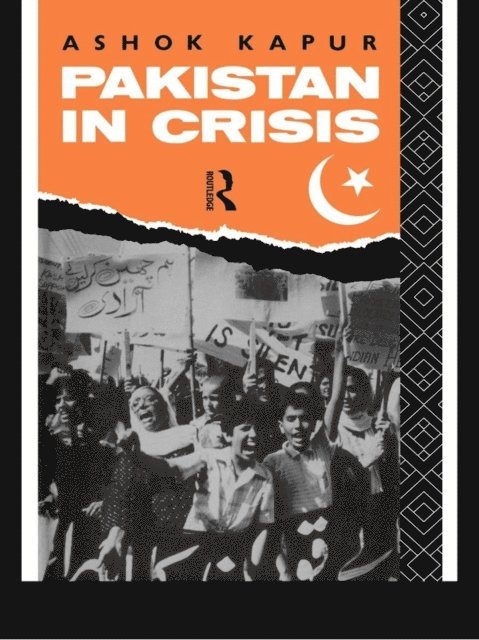
Pakistan in Crisis
Av Ashok Kapur
Inbunden, 1991
789 kr
Lägg i varukorg
With these questions in mind Professor Kapur charts the continuous power struggles of Pakistan's ruling elites. Using a historical and comparative approach he shows how the search for democracy and national identity has been hindered by army intervention, political intrigue and the failure of Islam …
India - From Regional to World Power
Av Ashok Kapur
Inbunden, 2006
2504 kr
Lägg i varukorg
This book provides an in-depth account of India's role in world politics at the beginning of the twenty-first century. The author shows how the approach laid down by Nehru and followed by his successors (an approach that included nuclear self-restraint, the search for friendly relations with …
India - From Regional to World Power
Av Ashok Kapur
Häftad, 2007
750 kr
Lägg i varukorg
This book examines the rise of India to the status of a world power capable of dealing with the full spectrum of international and regional issues in a critical part of the world. It traces the evolution of Indian diplomacy in the hands of key Indian practitioners comparing Nehru, the founder of …
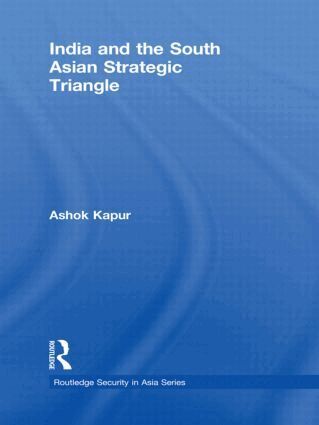
India and the South Asian Strategic Triangle
Av Ashok Kapur
Inbunden, 2010
2512 kr
Lägg i varukorg
This book traces the triangular strategic relationship of India, Pakistan and China over the second half of the twentieth century, and shows how two enmities – Sino-Indian and Indo-Pakistani – and one friendship – Sino-Pakistani – defined the distribution of power and the patterns of relationships …
Government and Politics in South Asia
Av Robert C Oberst, Yogendra K Malik m. fl.
Häftad, 2013
883 kr
Lägg i varukorg
This comprehensive but accessible text provides students with a systematic introduction to the comparative political study of the leading nations of South Asia: India, Pakistan, Bangladesh, Sri Lanka, and Nepal. The seventh edition is extensively revised and updated, benefiting from the fresh …
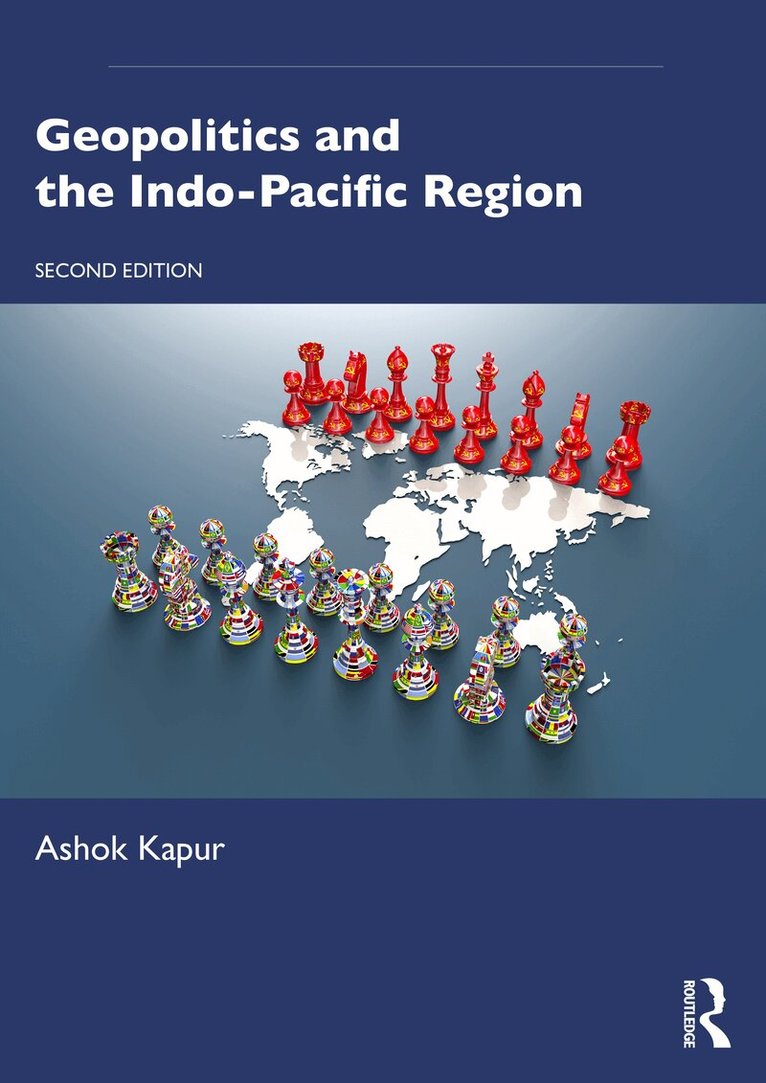
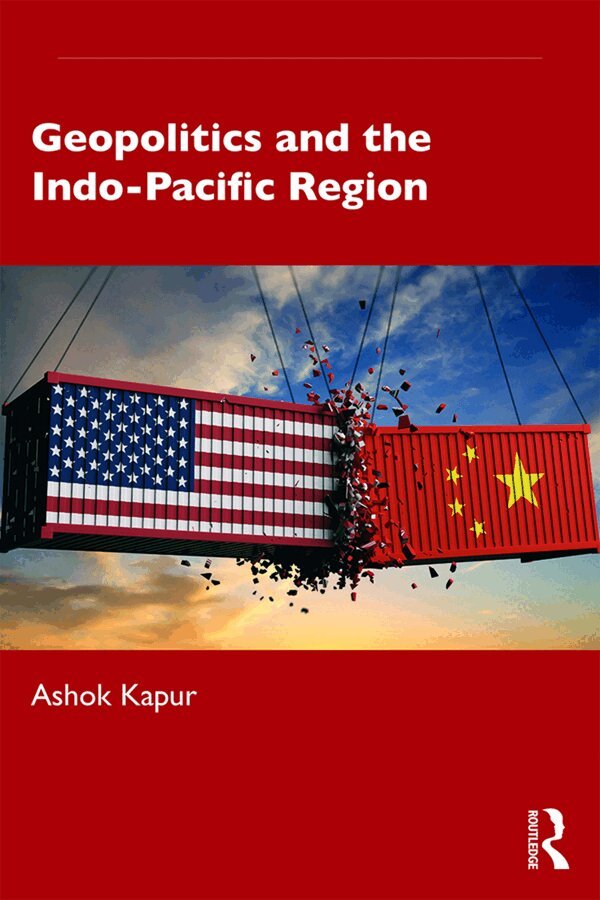
Geopolitics and the Indo-Pacific Region
Av Ashok Kapur
Häftad, 2024
635 kr
Lägg i varukorg
Exploring geopolitics of the Indo-Pacific Region, a major hub of global, economic, commercial, military, diplomatic, and cultural activities in the 21st century, this textbook provides students with an introduction to the existing debates, frameworks, and issues surrounding the Indo-Pacific.The …
Geopolitics and the Indo-Pacific Region
Av Ashok Kapur
Inbunden, 2024
2519 kr
Lägg i varukorg
Exploring geopolitics of the Indo-Pacific Region, a major hub of global, economic, commercial, military, diplomatic, and cultural activities in the 21st century, this textbook provides students with an introduction to the existing debates, frameworks, and issues surrounding the Indo-Pacific.The …
Geopolitics and the Indo-Pacific Region
Av Ashok Kapur
E-bok, 2024
745 kr
Lägg i varukorg
Exploring geopolitics of the Indo-Pacific Region, a major hub of global, economic, commercial, military, diplomatic, and cultural activities in the 21st century, this textbook provides students with an introduction to the existing debates, frameworks, and issues surrounding the Indo-Pacific. The …
Geopolitics and the Indo-Pacific Region
Av Ashok Kapur
E-bok, 2024
721 kr
Lägg i varukorg
Exploring geopolitics of the Indo-Pacific Region, a major hub of global, economic, commercial, military, diplomatic, and cultural activities in the 21st century, this textbook provides students with an introduction to the existing debates, frameworks, and issues surrounding the Indo-Pacific. The …
India - From Regional to World Power
Av Ashok Kapur
E-bok, 2006
858 kr
Lägg i varukorg
This book provides an in-depth account of India''s role in world politics at the beginning of the twenty-first century. The author shows how the approach laid down by Nehru and followed by his successors (an approach that included nuclear self-restraint, the search for friendly relations with …
India - From Regional to World Power
Av Ashok Kapur
E-bok, 2006
883 kr
Lägg i varukorg
This book provides an in-depth account of India''s role in world politics at the beginning of the twenty-first century. The author shows how the approach laid down by Nehru and followed by his successors (an approach that included nuclear self-restraint, the search for friendly relations with …
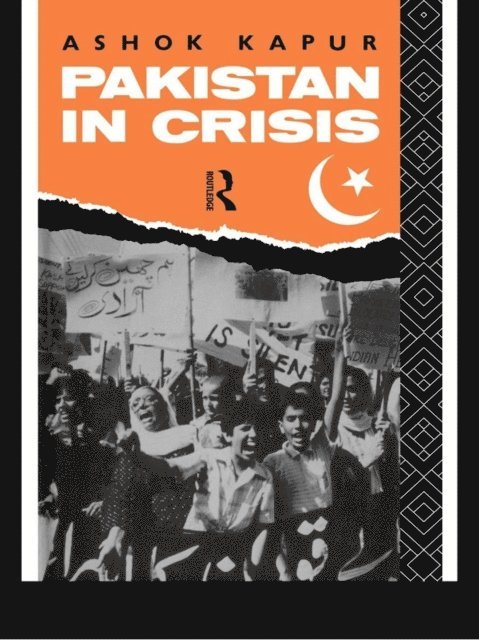
Pakistan in Crisis
Av Ashok Kapur
E-bok, 2006
856 kr
Lägg i varukorg
With these questions in mind Professor Kapur charts the continuous power struggles of Pakistan''s ruling elites. Using a historical and comparative approach he shows how the search for democracy and national identity has been hindered by army intervention, political intrigue and the failure of …
Pakistan in Crisis
Av Ashok Kapur
E-bok, 2006
838 kr
Lägg i varukorg
With these questions in mind Professor Kapur charts the continuous power struggles of Pakistan''s ruling elites. Using a historical and comparative approach he shows how the search for democracy and national identity has been hindered by army intervention, political intrigue and the failure of …
India and the South Asian Strategic Triangle
Av Ashok Kapur
E-bok, 2010
883 kr
Lägg i varukorg
This book traces the triangular strategic relationship of India, Pakistan and China over the second half of the twentieth century, and shows how two enmities – Sino-Indian and Indo-Pakistani – and one friendship – Sino-Pakistani – defined the distribution of power and the patterns of relationships …
India and the South Asian Strategic Triangle
Av Ashok Kapur
E-bok, 2010
883 kr
Lägg i varukorg
This book traces the triangular strategic relationship of India, Pakistan and China over the second half of the twentieth century, and shows how two enmities – Sino-Indian and Indo-Pakistani – and one friendship – Sino-Pakistani – defined the distribution of power and the patterns of relationships …
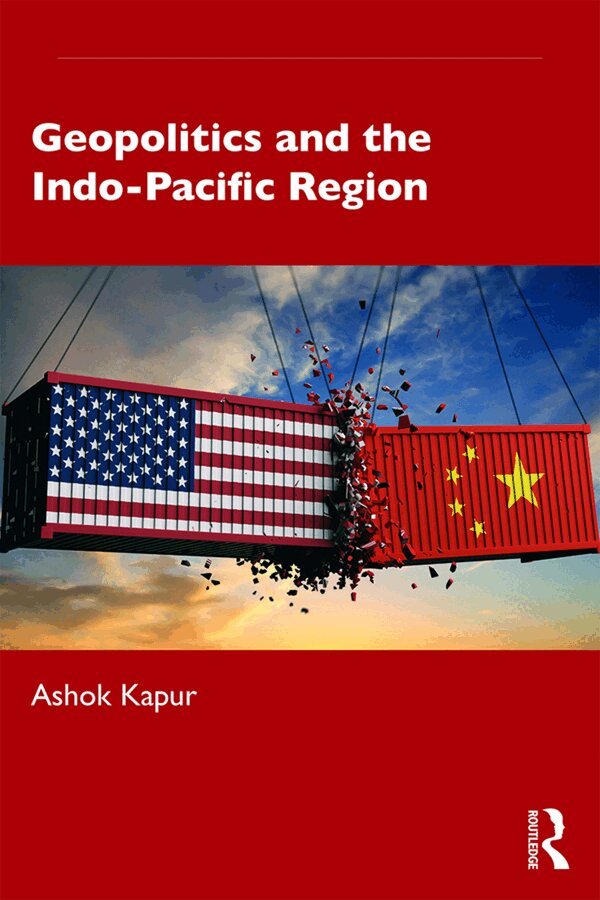
Geopolitics and the Indo-Pacific Region
Av Ashok Kapur
Inbunden, 2019
2052 kr
Lägg i varukorg
Exploring the geopolitics of the Indo-Pacific region, a major hub of global economic/commercial, military, diplomatic and cultural activities in the 21st century, this textbook provides students with an introduction to the existing debates, frameworks and issues surrounding the Indo-Pacific.The …
Geopolitics and the Indo-Pacific Region
Av Ashok Kapur
Häftad, 2019
558 kr
Lägg i varukorg
Exploring the geopolitics of the Indo-Pacific region, a major hub of global economic/commercial, military, diplomatic and cultural activities in the 21st century, this textbook provides students with an introduction to the existing debates, frameworks and issues surrounding the Indo-Pacific.The …
India and the South Asian Strategic Triangle
Av Ashok Kapur
Häftad, 2016
752 kr
Lägg i varukorg
This book traces the triangular strategic relationship of India, Pakistan and China over the second half of the twentieth century, and shows how two enmities – Sino-Indian and Indo-Pakistani – and one friendship – Sino-Pakistani – defined the distribution of power and the patterns of relationships …