Mahendra Lawoti – författare
Visar alla böcker från författaren Mahendra Lawoti. Handla med fri frakt och snabb leverans.
11 produkter
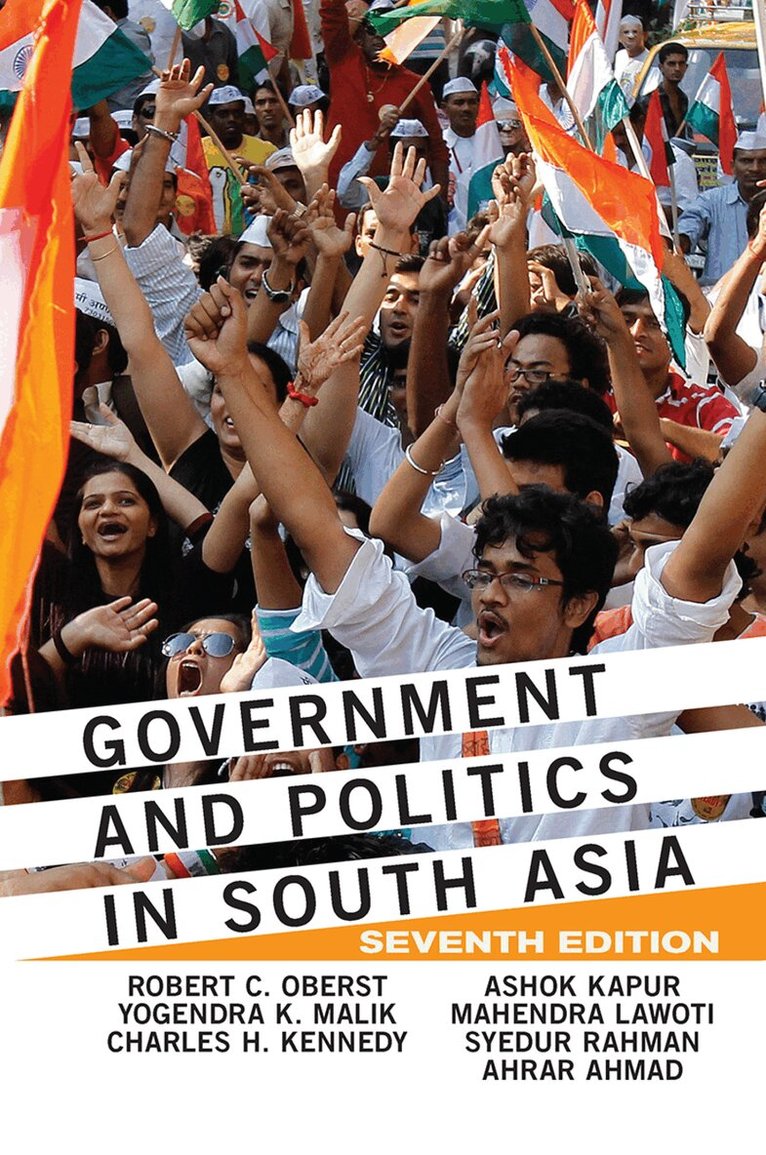
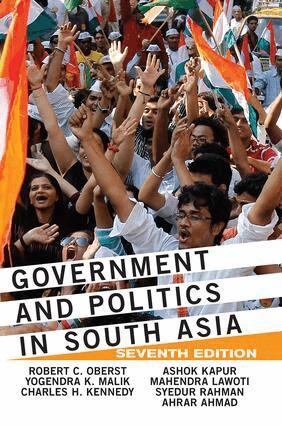
Government and Politics in South Asia
Av Robert C Oberst, Yogendra K Malik m. fl.
Inbunden, 2019
2257 kr
Lägg i varukorg
This comprehensive but accessible text provides students with a systematic introduction to the comparative political study of the leading nations of South Asia: India, Pakistan, Bangladesh, Sri Lanka, and Nepal. The seventh edition is extensively revised and updated, benefiting from the fresh …
Maoist Insurgency in Nepal
Revolution in the Twenty-first Century
Av Mahendra Lawoti, Anup Kumar Pahari
Inbunden, 2009
2578 kr
Lägg i varukorg
The book deals with the dynamics and growth of a violent 21st century communist rebellion initiated in Nepal by the Communist Party of Nepal (Maoist) – CPN(M). It contextualizes and explains why and how a violent Maoist insurgency grew in Nepal after the end of the Cold War, in contrast to the …
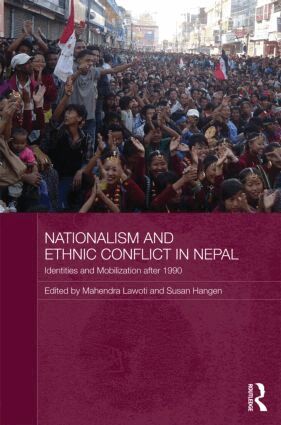
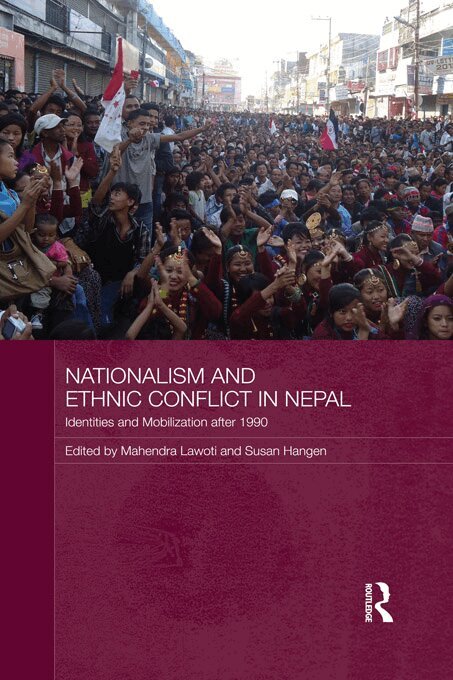
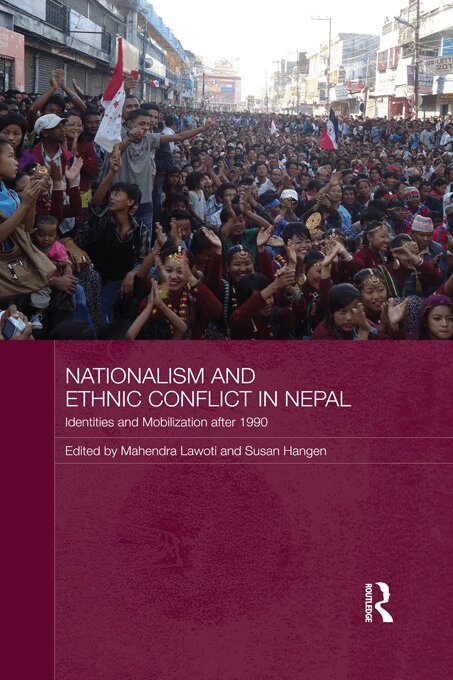
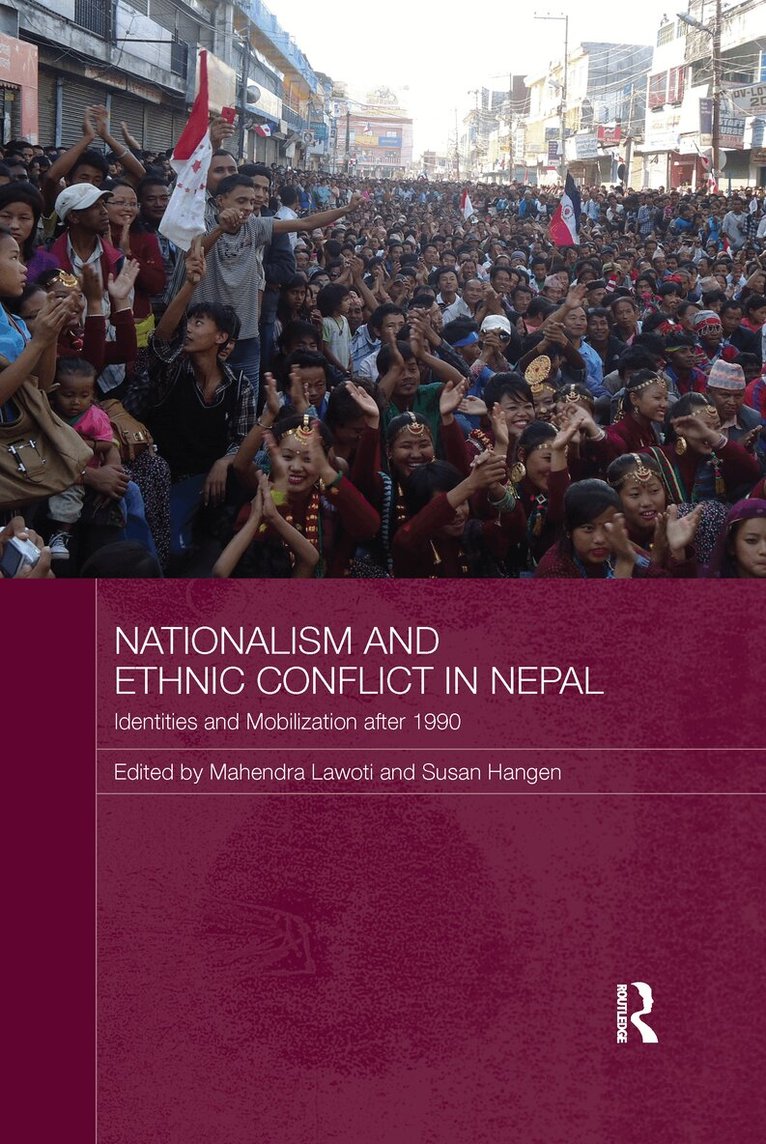
Nationalism and Ethnic Conflict in Nepal
Identities and Mobilization after 1990
Av Mahendra Lawoti, Susan Hangen
Inbunden, 2012
2504 kr
Lägg i varukorg
Identity movements, based on ethnicity, caste, language, religion and regional identity, have become increasingly significant in Nepal, reshaping debates on the definition of the nation, nationalism and the structure of the state. This book analyzes the rapid rise in ethnic and nationalist …
Maoist Insurgency in Nepal
Revolution in the Twenty-first Century
Av Mahendra Lawoti, Anup Kumar Pahari
Häftad, 2012
949 kr
Lägg i varukorg
The book deals with the dynamics and growth of a violent 21st century communist rebellion initiated in Nepal by the Communist Party of Nepal (Maoist) – CPN(M). It contextualizes and explains why and how a violent Maoist insurgency grew in Nepal after the end of the Cold War, in contrast to the …
Government and Politics in South Asia
Av Robert C Oberst, Yogendra K Malik m. fl.
Häftad, 2013
883 kr
Lägg i varukorg
This comprehensive but accessible text provides students with a systematic introduction to the comparative political study of the leading nations of South Asia: India, Pakistan, Bangladesh, Sri Lanka, and Nepal. The seventh edition is extensively revised and updated, benefiting from the fresh …
Maoist Insurgency in Nepal
Revolution in the Twenty-first Century
Av Mahendra Lawoti, Anup Kumar Pahari
E-bok, 2009
1099 kr
Lägg i varukorg
The book deals with the dynamics and growth of a violent 21st century communist rebellion initiated in Nepal by the Communist Party of Nepal (Maoist) – CPN(M). It contextualizes and explains why and how a violent Maoist insurgency grew in Nepal after the end of the Cold War, in contrast to the …
Maoist Insurgency in Nepal
Revolution in the Twenty-first Century
Av Mahendra Lawoti, Anup Kumar Pahari
E-bok, 2009
1124 kr
Lägg i varukorg
The book deals with the dynamics and growth of a violent 21st century communist rebellion initiated in Nepal by the Communist Party of Nepal (Maoist) – CPN(M). It contextualizes and explains why and how a violent Maoist insurgency grew in Nepal after the end of the Cold War, in contrast to the …
Nationalism and Ethnic Conflict in Nepal
Identities and Mobilization after 1990
Av Mahendra Lawoti, Susan Hangen
E-bok, 2012
883 kr
Lägg i varukorg
Identity movements, based on ethnicity, caste, language, religion and regional identity, have become increasingly significant in Nepal, reshaping debates on the definition of the nation, nationalism and the structure of the state. This book analyzes the rapid rise in ethnic and nationalist …
Nationalism and Ethnic Conflict in Nepal
Identities and Mobilization after 1990
Av Mahendra Lawoti, Susan Hangen
E-bok, 2012
883 kr
Lägg i varukorg
Identity movements, based on ethnicity, caste, language, religion and regional identity, have become increasingly significant in Nepal, reshaping debates on the definition of the nation, nationalism and the structure of the state. This book analyzes the rapid rise in ethnic and nationalist …
Nationalism and Ethnic Conflict in Nepal
Identities and Mobilization after 1990
Av Mahendra Lawoti, Susan Hangen
Häftad, 2017
752 kr
Lägg i varukorg
Identity movements, based on ethnicity, caste, language, religion and regional identity, have become increasingly significant in Nepal, reshaping debates on the definition of the nation, nationalism and the structure of the state. This book analyzes the rapid rise in ethnic and nationalist …
Contentious Politics and Democratization in Nepal
Inbunden, 2007
830 kr
Tillfälligt slut
After the restoration of democracy in 1990, Nepal witnessed collective political struggles-identity and gender movements, public protests and strikes, and the Maoist rebellion. This volume examines the causes, consequences and effectiveness of such contentious politics, and their relationship to …