Ashootosh Mandpe – författare
Visar alla böcker från författaren Ashootosh Mandpe. Handla med fri frakt och snabb leverans.
9 produkter
9 produkter
Inbunden, Engelska, 2025
1 958 kr
Skickas inom 10-15 vardagar
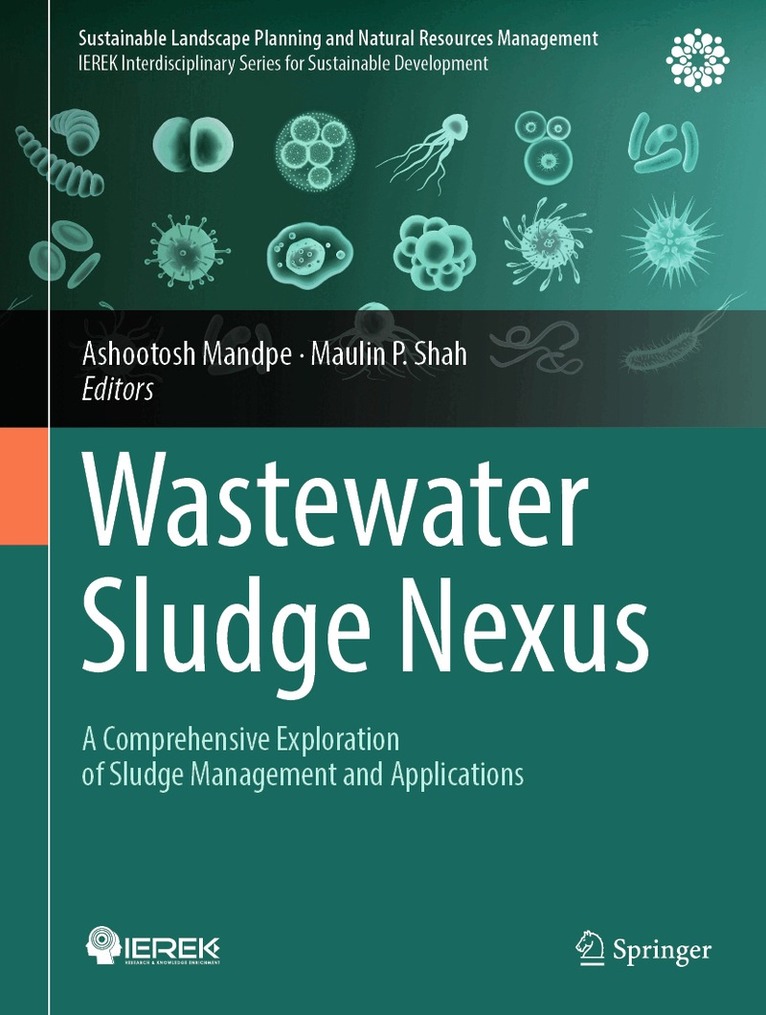
This book is a groundbreaking book that explores the critical issue of managing and handling industrial sludge in wastewater treatment facilities. The proposed book addresses the urgent need for a comprehensive understanding of sludge management practices and introduces innovative solutions. The proposed book highlights the significance of industrial sludge management in ensuring sustainable and environmentally friendly wastewater treatment processes. It sheds light on the complex nexus between wastewater treatment plants, industries, and the resulting sludge generation. Through meticulous research and expert insights, this book explores various aspects of industrial sludge management, including sludge characterization, treatment technologies, disposal methods, resource recovery, and environmental sustainability. It presents a balanced approach, focusing on practical applications while emphasizing the importance of scientific understanding and innovation. By providing an in-depth analysis of the challenges and opportunities in this area, it becomes an indispensable resource for professionals, researchers, policymakers, and students alike. What sets this book apart is its unique content, which covers a wide range of topics related to industrial sludge management. It explores the latest advances in sludge treatment technologies, emphasizing their efficiency, cost-effectiveness, and environmental impact. Additionally, the book examines strategies for sludge minimization, resource recovery, and the utilization of sludge by-products in various industrial applications. The authors also discussed the regulatory frameworks and guidelines governing sludge management, ensuring that readers have a comprehensive understanding of the legal aspects surrounding this critical issue. Furthermore, the book explores the potential risks associated with improper sludge management and offers practical solutions to mitigate them. Overall, the proposed book fills a significant gap in the literature by providing a holistic and up-to-date account of this crucial field. It serves as a valuable guide, inspiring sustainable practices, promoting innovation, and ultimately contributing to the advancement of sludge management in wastewater treatment processes
E-bok
Engelska, 20252 435 kr
Läs direkt efter köp
?This book is a groundbreaking book that explores the critical issue of managing and handling industrial sludge in wastewater treatment facilities. The proposed book addresses the urgent need for a comprehensive understanding of sludge management practices and introduces innovative solutions. The proposed book highlights the significance of industrial sludge management in ensuring sustainable and environmentally friendly wastewater treatment processes. It sheds light on the complex nexus between wastewater treatment plants, industries, and the resulting sludge generation. Through meticulous research and expert insights, this book explores various aspects of industrial sludge management, including sludge characterization, treatment technologies, disposal methods, resource recovery, and environmental sustainability. It presents a balanced approach, focusing on practical applications while emphasizing the importance of scientific understanding and innovation. By providing an in-depth analysis of the challenges and opportunities in this area, it becomes an indispensable resource for professionals, researchers, policymakers, and students alike. What sets this book apart is its unique content, which covers a wide range of topics related to industrial sludge management. It explores the latest advances in sludge treatment technologies, emphasizing their efficiency, cost-effectiveness, and environmental impact. Additionally, the book examines strategies for sludge minimization, resource recovery, and the utilization of sludge by-products in various industrial applications. The authors also discussed the regulatory frameworks and guidelines governing sludge management, ensuring that readers have a comprehensive understanding of the legal aspects surrounding this critical issue. Furthermore, the book explores the potential risks associated with improper sludge management and offers practical solutions to mitigate them. Overall, the proposed book fills a significant gap in the literature by providing a holistic and up-to-date account of this crucial field. It serves as a valuable guide, inspiring sustainable practices, promoting innovation, and ultimately contributing to the advancement of sludge management in wastewater treatment processes
Inbunden, Engelska, 2025
2 393 kr
Skickas inom 10-15 vardagar
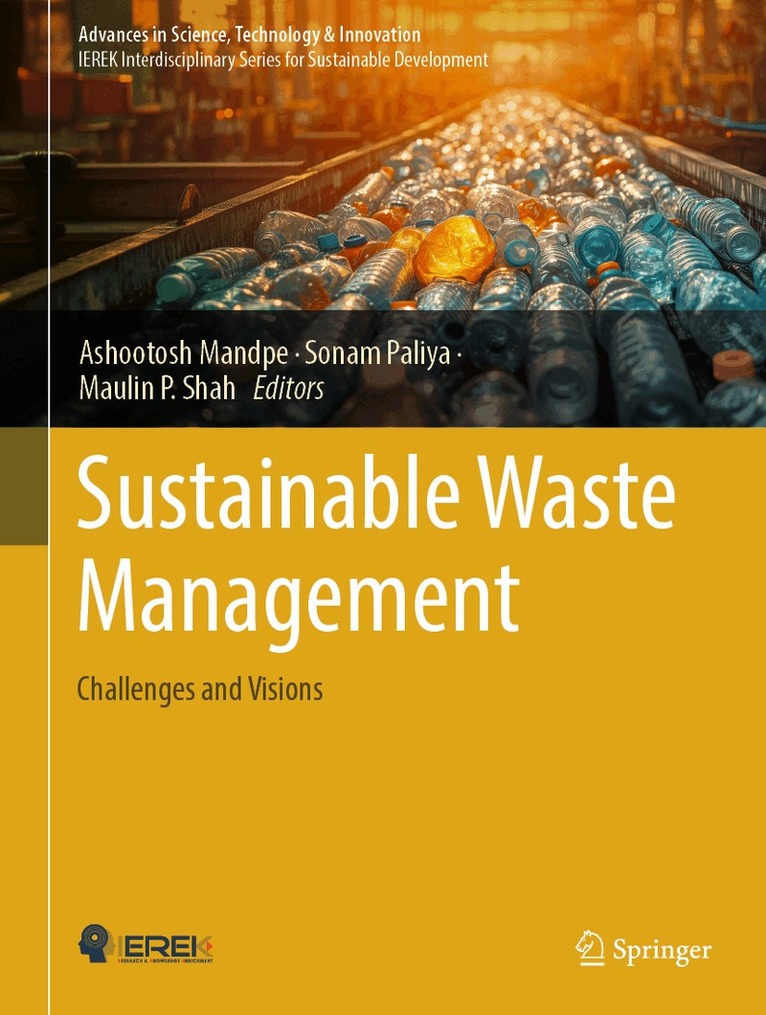
This book explores different aspects associated with the genesis of solid waste management problems and brings forward the challenges posed by the solid waste management sector and its impact on the environment. Additionally, the book discusses various effects of improper waste management practices considering the environmental, social, governance, engineering, and management aspects emphasizing on waste minimization strategies and circular economy approaches.This book encapsulates numerous ideas for developing novel strategies towards sustainable waste management, incorporating technology transfer and capacity building for sustainable waste management, and enforcing the stringent policy framework for environmental protection from improper waste management practices. This book is an essential resource for researchers and students studying solid waste management, waste valorization, biorefineries, biofuels/products/processes, as well as for geo-environmental engineers, biochemical/chemical engineers, and biotechnologists working in industries and government agencies, policy makers, conservationists, NGOs working for environment protection, etc.
E-bok
Engelska, 20253 046 kr
Läs direkt efter köp
This book explores different aspects associated with the genesis of solid waste management problems and brings forward the challenges posed by the solid waste management sector and its impact on the environment. Additionally, the book discusses various effects of improper waste management practices considering the environmental, social, governance, engineering, and management aspects emphasizing on waste minimization strategies and circular economy approaches.This book encapsulates numerous ideas for developing novel strategies towards sustainable waste management, incorporating technology transfer and capacity building for sustainable waste management, and enforcing the stringent policy framework for environmental protection from improper waste management practices. This book is an essential resource for researchers and students studying solid waste management, waste valorization, biorefineries, biofuels/products/processes, as well as for geo-environmental engineers, biochemical/chemical engineers, and biotechnologists working in industries and government agencies, policy makers, conservationists, NGOs working for environment protection, etc.
Inbunden, Engelska, 2025
2 393 kr
Skickas inom 10-15 vardagar
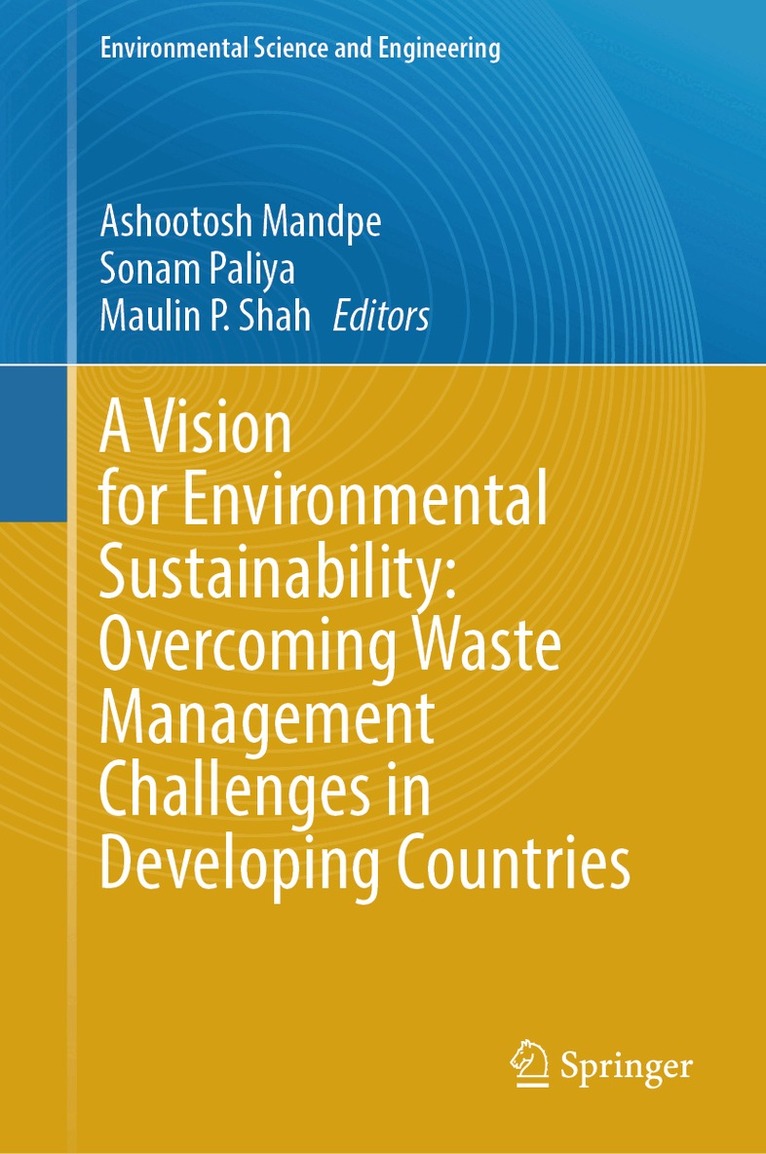
This book encapsulates numerous ideas for developing novel strategies toward sustainable waste management, incorporating technology transfer and capacity building for sustainable waste management, and enforcing the stringent policy framework for environmental protection from improper waste management practices. Sustainable waste management is a complex issue that is of increasing concern in developing countries. In these countries, waste management often faces significant challenges due to factors such as inadequate infrastructure, lack of funding and resources, and limited public awareness of the importance of waste management. However, there are also significant opportunities to improve waste management practices and create a more sustainable future. One of the major challenges of waste management in developing countries is inadequate infrastructure. Many developing countries lack the necessary infrastructure to properly manage waste, including landfills, recycling facilities, and waste treatment plants. This leads to significant environmental and health problems, including water pollution, soil contamination, and the spread of disease.This book is an essential resource for researchers and students studying solid waste management, waste valorization, biorefineries, biofuels/products/processes, as well as for geo-environmental engineers, biochemical/chemical engineers, and biotechnologists working in industries and government agencies, policymakers, conservationists, NGOs working for environment protection, etc. The authors are thankful to the contributors of these books for their cooperation and patience in the compilation of this task. The authors are also thankful to Springer team, for their constant support in the publication of this work.
E-bok
Engelska, 20253 137 kr
Läs direkt efter köp
This book encapsulates numerous ideas for developing novel strategies toward sustainable waste management, incorporating technology transfer and capacity building for sustainable waste management, and enforcing the stringent policy framework for environmental protection from improper waste management practices. Sustainable waste management is a complex issue that is of increasing concern in developing countries. In these countries, waste management often faces significant challenges due to factors such as inadequate infrastructure, lack of funding and resources, and limited public awareness of the importance of waste management. However, there are also significant opportunities to improve waste management practices and create a more sustainable future. One of the major challenges of waste management in developing countries is inadequate infrastructure. Many developing countries lack the necessary infrastructure to properly manage waste, including landfills, recycling facilities, and waste treatment plants. This leads to significant environmental and health problems, including water pollution, soil contamination, and the spread of disease.This book is an essential resource for researchers and students studying solid waste management, waste valorization, biorefineries, biofuels/products/processes, as well as for geo-environmental engineers, biochemical/chemical engineers, and biotechnologists working in industries and government agencies, policymakers, conservationists, NGOs working for environment protection, etc. The authors are thankful to the contributors of these books for their cooperation and patience in the compilation of this task. The authors are also thankful to Springer team, for their constant support in the publication of this work.
Inbunden, Engelska, 2026
2 894 kr
Kommande
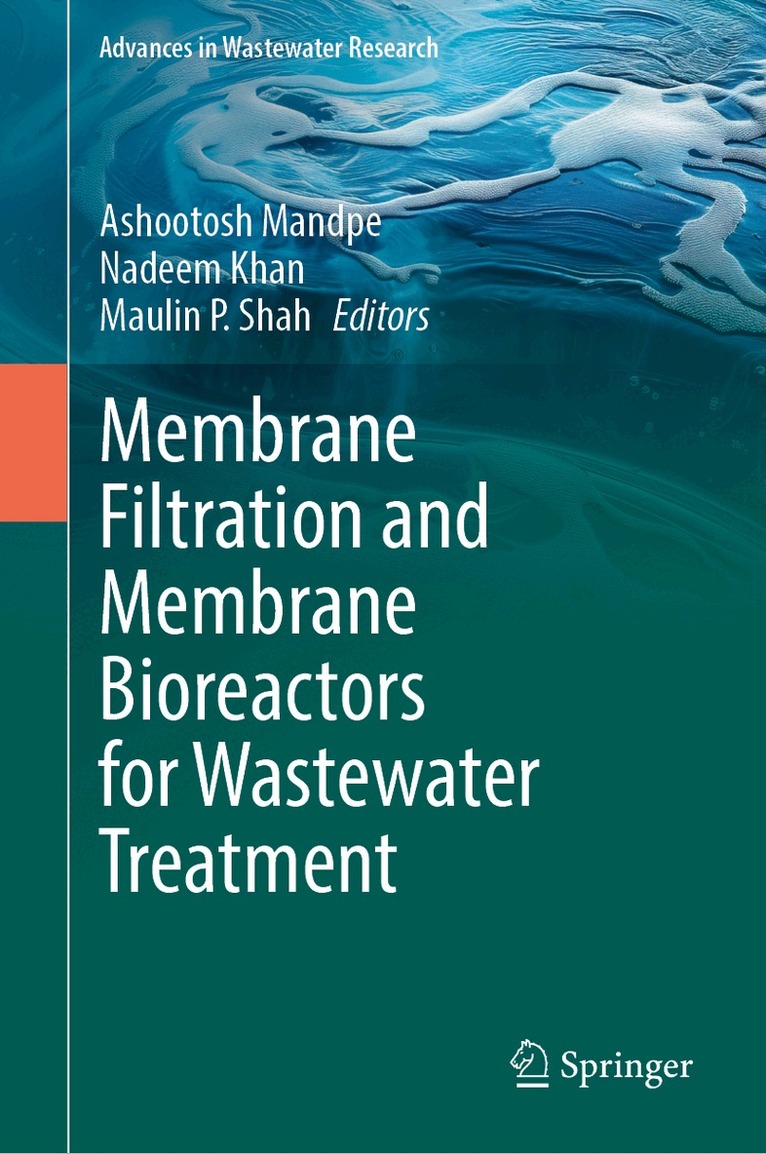
This book offers precise guidelines and exemplary design instances of membrane filtration and membrane bioreactors (MBR) for wastewater treatment. In addition, the book presents some real-world insights into the technology. Delving into the intricacies of MBR technology such as biological treatment and membrane fouling, the primary focus remains on membrane filtration and its application in wastewater treatment. The content extends to practical aspects of MBR utilization in daily life, including maintenance, design intricacies, and illustrative case studies. Tailored for students and wastewater engineers, the book seamlessly includes foundational chapters, which are supplemented with examples and problem-solving exercises, to facilitate a thorough understanding of MBR technology. Addressing both the scientific and technological facets, the book presents extensive insights into MBR applications and practices with foundational principles. The book consists of eighteen chapters, encompassing membrane basics, contemporary membrane types, characterization techniques, fouling dynamics, diverse configurations, practical applications, and case studies.
Inbunden, Engelska, 2025
2 166 kr
Skickas inom 5-8 vardagar
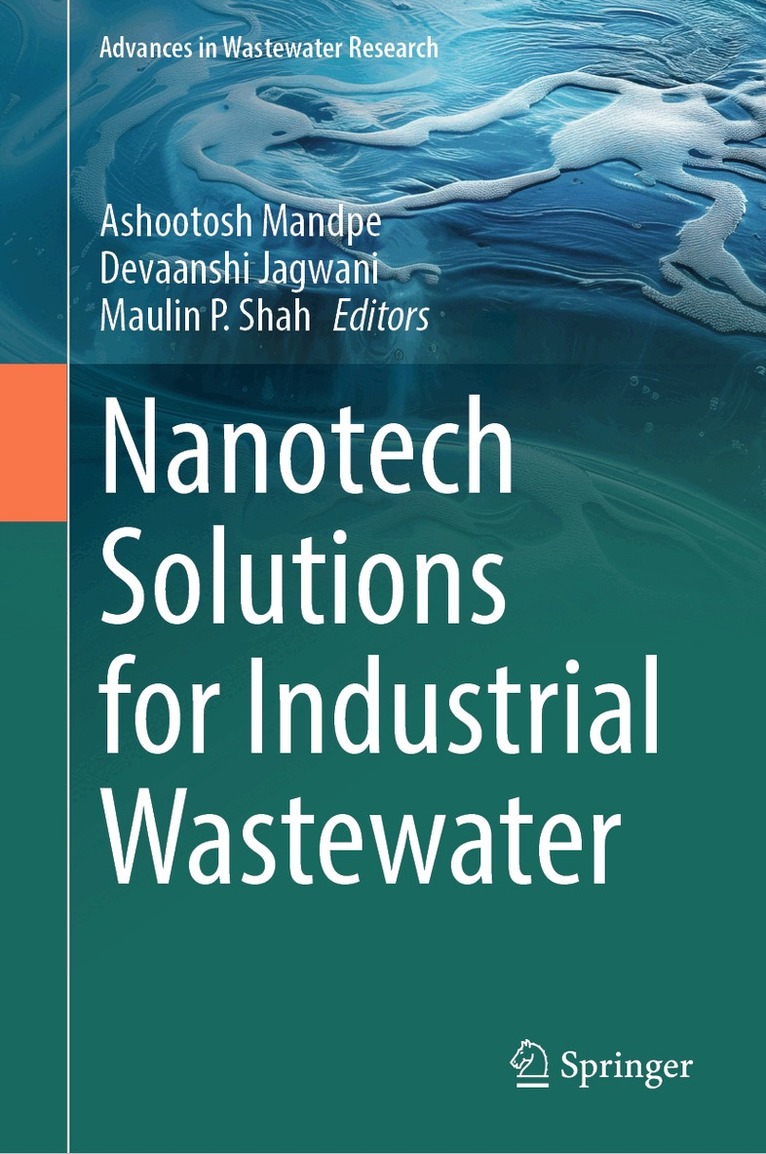
This book explores the transformative field of nanotechnology in wastewater treatment and emphasizes state-of-the-art strategies to address intricate challenges. The volume is a valuable guide for professionals, researchers, and students involved in industrial waste management. Distinguishing itself by providing detailed insights into the application of nanomaterials, the book highlights their unique properties, including high surface area, reactivity, and selectivity owing to nanoscale dimensions. It meticulously examines nanomaterials' efficacy in adsorption, catalysis, and pollutant transformation, which are faster and more efficient treatment than conventional methods. The volume encompasses customized nanomaterials for specific pollutants, reducing resource consumption in line with sustainability principles. The book also explores the compact designs for nanomaterial-based treatment systems, particularly beneficial for space-constrained industries.The book bridges a gap between scientific insights and practical applications, offering a thorough exploration of waste management methodologies, policy frameworks, and circular economy integration. With a focus on technology transfer, capacity building, and governance, the book shows professionals and stakeholders to implement nanomaterial-based approaches. Overall, it stands as a concise and practical guide, seamlessly blending scientific rigor with real-world relevance in the field of industrial wastewater treatment.
E-bok
Engelska, 20252 741 kr
Läs direkt efter köp
This book explores the transformative field of nanotechnology in wastewater treatment and emphasizes state-of-the-art strategies to address intricate challenges. The volume is a valuable guide for professionals, researchers, and students involved in industrial waste management. Distinguishing itself by providing detailed insights into the application of nanomaterials, the book highlights their unique properties, including high surface area, reactivity, and selectivity owing to nanoscale dimensions. It meticulously examines nanomaterials' efficacy in adsorption, catalysis, and pollutant transformation, which are faster and more efficient treatment than conventional methods. The volume encompasses customized nanomaterials for specific pollutants, reducing resource consumption in line with sustainability principles. The book also explores the compact designs for nanomaterial-based treatment systems, particularly beneficial for space-constrained industries.The book bridges a gap between scientific insights and practical applications, offering a thorough exploration of waste management methodologies, policy frameworks, and circular economy integration. With a focus on technology transfer, capacity building, and governance, the book shows professionals and stakeholders to implement nanomaterial-based approaches. Overall, it stands as a concise and practical guide, seamlessly blending scientific rigor with real-world relevance in the field of industrial wastewater treatment.