Asli M. Colpan – författare
Visar alla böcker från författaren Asli M. Colpan. Handla med fri frakt och snabb leverans.
11 produkter
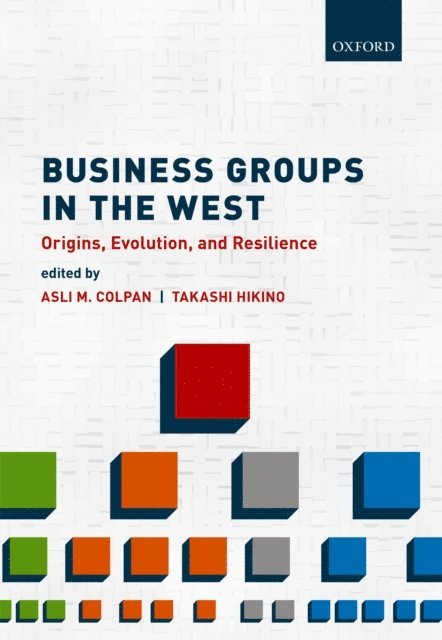
Business Groups in the West
Origins, Evolution, and Resilience
Av Takashi Hikino, Asli M. Colpan
E-bok, 2018
1737 kr
Lägg i varukorg
This volume aims to explore the long-term evolution of different varieties of large enterprises in today''s developed economies. It focuses on the economic institution of business groups and attempts to comprehend the factors behind their rise, growth, struggle, and resilience; their behavioral and …
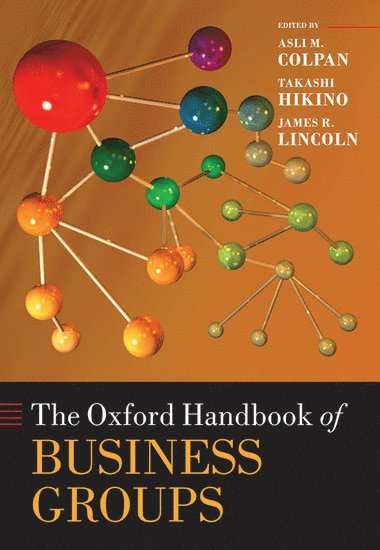
Oxford Handbook of Business Groups
Av James R. Lincoln, Takashi Hikino m. fl.
E-bok, 2010
586 kr
Lägg i varukorg
Business groups - large, diversified, often family-controlled organizations with pyramidal ownership structure, such as the Japanese zaibatsu , the Korean chaebol and the grupos economicos in Latin America - have played a significant role in national economic growth, especially in emerging …
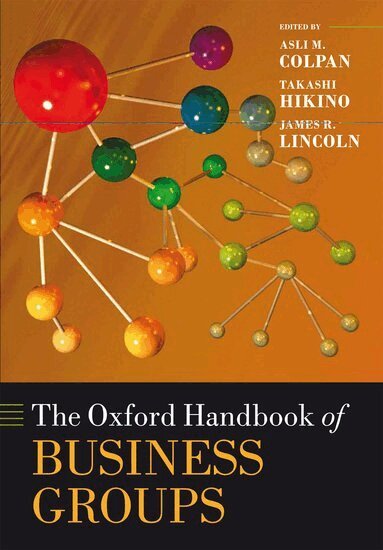
Oxford Handbook of Business Groups
Av James R. Lincoln, Takashi Hikino m. fl.
E-bok, 2010
586 kr
Lägg i varukorg
Business groups - large, diversified, often family-controlled organizations with pyramidal ownership structure, such as the Japanese zaibatsu , the Korean chaebol and the grupos economicos in Latin America - have played a significant role in national economic growth, especially in emerging …
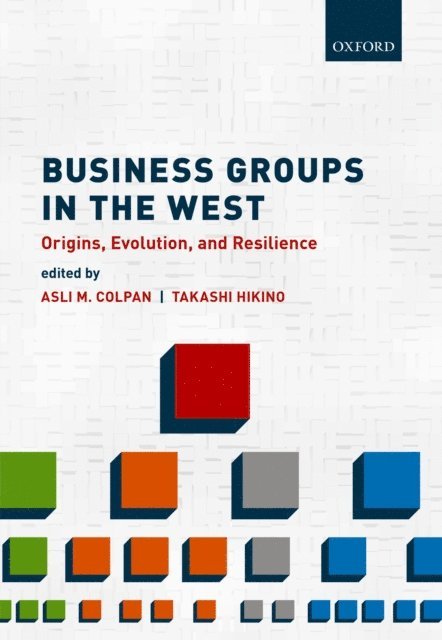
Business Groups in the West
Origins, Evolution, and Resilience
Av Takashi Hikino, Asli M. Colpan
E-bok, 2018
1737 kr
Lägg i varukorg
This volume aims to explore the long-term evolution of different varieties of large enterprises in today''s developed economies. It focuses on the economic institution of business groups and attempts to comprehend the factors behind their rise, growth, struggle, and resilience; their behavioral and …
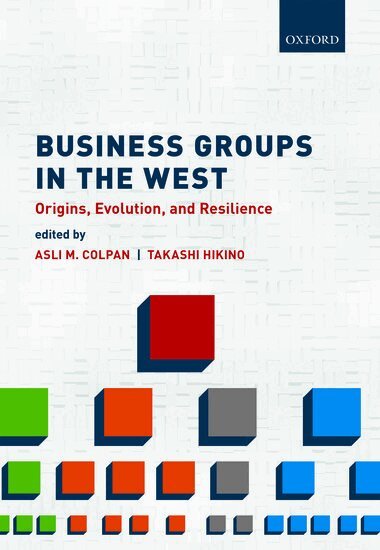
Business Groups in the West
Origins, Evolution, and Resilience
Av Asli M. Colpan, Asli M. Colpan m. fl.
Inbunden, 2018
2783 kr
Lägg i varukorg
This volume aims to explore the long-term evolution of different varieties of large enterprises in today's developed economies. It focuses on the economic institution of business groups and attempts to comprehend the factors behind their rise, growth, struggle, and resilience; their behavioral and …
The Oxford Handbook of Business Groups
Av Asli M. Colpan, Takashi Hikino m. fl.
Inbunden, 2010
2357 kr
Lägg i varukorg
Business groups - large, diversified, often family-controlled organizations with pyramidal ownership structure, such as the Japanese zaibatsu, the Korean chaebol and the grupos economicos in Latin America - have played a significant role in national economic growth, especially in emerging …
The Oxford Handbook of Business Groups
Av Asli M. Colpan, Takashi Hikino m. fl.
Häftad, 2012
762 kr
Lägg i varukorg
Business groups - large, diversified, often family-controlled organizations with pyramidal ownership structure, such as the Japanese zaibatsu, the Korean chaebol and the grupos economicos in Latin America - have played a significant role in national economic growth, especially in emerging …
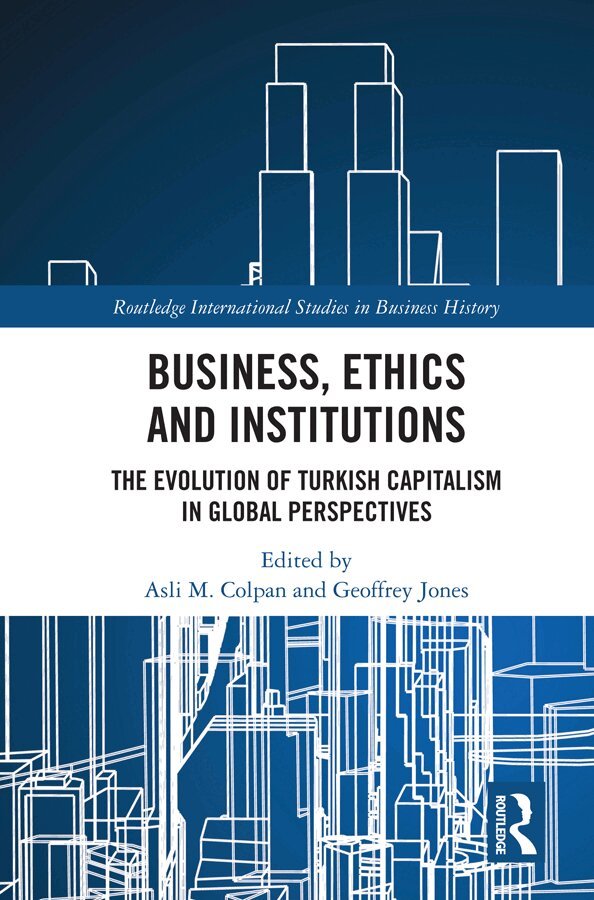
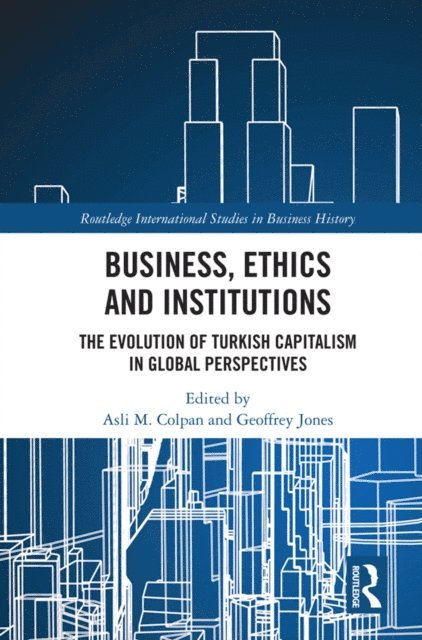
Business, Ethics and Institutions
The Evolution of Turkish Capitalism in Global Perspectives
Av Asli M. Colpan, Geoffrey Jones
Inbunden, 2019
2585 kr
Lägg i varukorg
This book is the first systematic scholarly study on the business history of Turkey from the nineteenth century until the present. It aims to place the distinctive characteristics of capitalism in Turkey within a global and comparative perspective, dealing with three related issues. First, it …
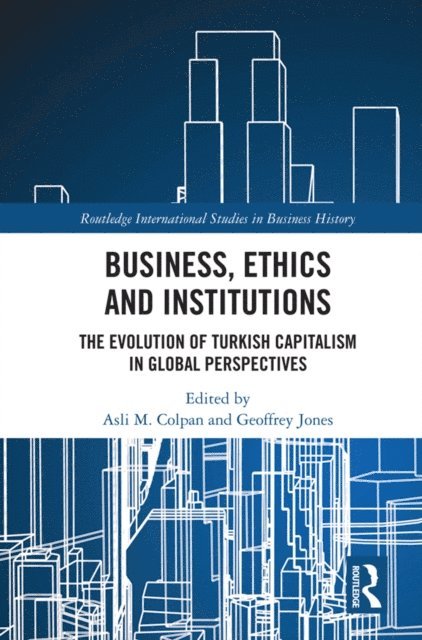
Business, Ethics and Institutions
The Evolution of Turkish Capitalism in Global Perspectives
Av Asli M. Colpan, Geoffrey Jones
Häftad, 2021
742 kr
Lägg i varukorg
This book is the first systematic scholarly study on the business history of Turkey from the nineteenth century until the present. It aims to place the distinctive characteristics of capitalism in Turkey within a global and comparative perspective, dealing with three related issues. First, it …
Business, Ethics and Institutions
The Evolution of Turkish Capitalism in Global Perspectives
Av Geoffrey Jones, Asli M. Colpan
E-bok, 2019
874 kr
Lägg i varukorg
This book is the first systematic scholarly study on the business history of Turkey from the nineteenth century until the present. It aims to place the distinctive characteristics of capitalism in Turkey within a global and comparative perspective, dealing with three related issues. First, it …
Business, Ethics and Institutions
The Evolution of Turkish Capitalism in Global Perspectives
Av Geoffrey Jones, Asli M. Colpan
E-bok, 2019
874 kr
Lägg i varukorg
This book is the first systematic scholarly study on the business history of Turkey from the nineteenth century until the present. It aims to place the distinctive characteristics of capitalism in Turkey within a global and comparative perspective, dealing with three related issues. First, it …