Takashi Hikino – författare
Visar alla böcker från författaren Takashi Hikino. Handla med fri frakt och snabb leverans.
12 produkter
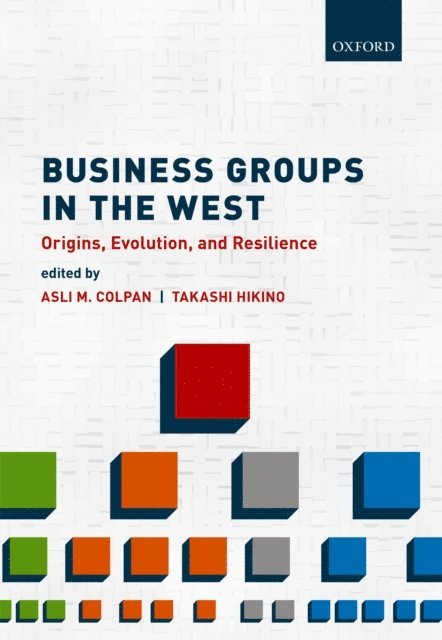
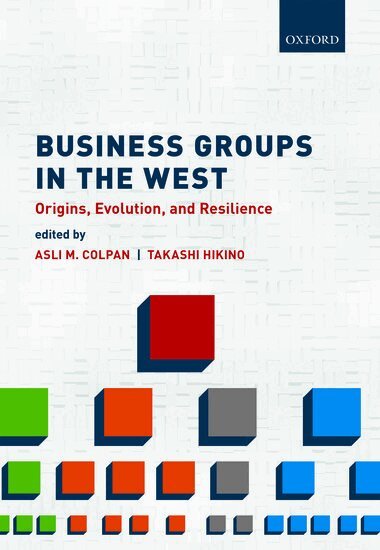
Business Groups in the West
Origins, Evolution, and Resilience
Av Takashi Hikino, Asli M. Colpan
E-bok, 2018
1737 kr
Lägg i varukorg
This volume aims to explore the long-term evolution of different varieties of large enterprises in today''s developed economies. It focuses on the economic institution of business groups and attempts to comprehend the factors behind their rise, growth, struggle, and resilience; their behavioral and …
Oxford Handbook of Business Groups
Av James R. Lincoln, Takashi Hikino m. fl.
E-bok, 2010
586 kr
Lägg i varukorg
Business groups - large, diversified, often family-controlled organizations with pyramidal ownership structure, such as the Japanese zaibatsu , the Korean chaebol and the grupos economicos in Latin America - have played a significant role in national economic growth, especially in emerging …
Oxford Handbook of Business Groups
Av James R. Lincoln, Takashi Hikino m. fl.
E-bok, 2010
586 kr
Lägg i varukorg
Business groups - large, diversified, often family-controlled organizations with pyramidal ownership structure, such as the Japanese zaibatsu , the Korean chaebol and the grupos economicos in Latin America - have played a significant role in national economic growth, especially in emerging …
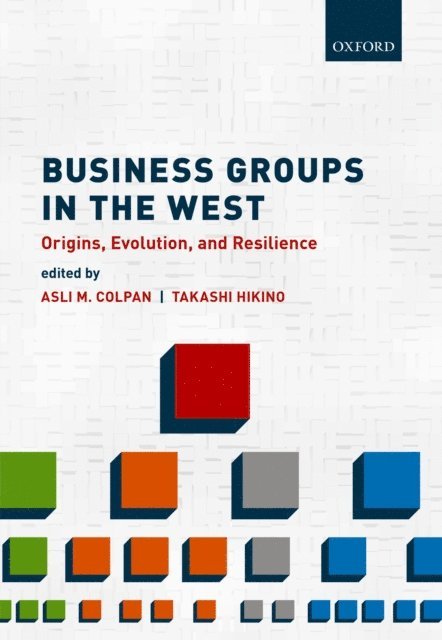
Business Groups in the West
Origins, Evolution, and Resilience
Av Takashi Hikino, Asli M. Colpan
E-bok, 2018
1737 kr
Lägg i varukorg
This volume aims to explore the long-term evolution of different varieties of large enterprises in today''s developed economies. It focuses on the economic institution of business groups and attempts to comprehend the factors behind their rise, growth, struggle, and resilience; their behavioral and …
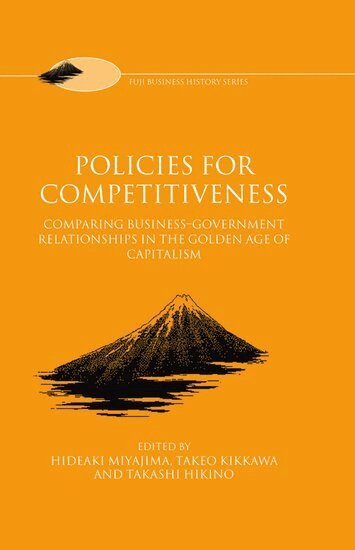
Policies for Competitiveness
Comparing Business-Government Relationships in the Golden Age of Capitalism
Av Hideaki Miyajima, Takeo Kikkawa m. fl.
Inbunden, 1999
1376 kr
Lägg i varukorg
All over the world proactive public policy in business is now under siege. Economists and policy-makers claim that the era of `Big Government' is over. However, nobody denies the fact that government has historically played a critical role in modern economic development. Given the profound changes …
Business Groups in the West
Origins, Evolution, and Resilience
Av Asli M. Colpan, Asli M. Colpan m. fl.
Inbunden, 2018
2783 kr
Lägg i varukorg
This volume aims to explore the long-term evolution of different varieties of large enterprises in today's developed economies. It focuses on the economic institution of business groups and attempts to comprehend the factors behind their rise, growth, struggle, and resilience; their behavioral and …
The Oxford Handbook of Business Groups
Av Asli M. Colpan, Takashi Hikino m. fl.
Inbunden, 2010
2357 kr
Lägg i varukorg
Business groups - large, diversified, often family-controlled organizations with pyramidal ownership structure, such as the Japanese zaibatsu, the Korean chaebol and the grupos economicos in Latin America - have played a significant role in national economic growth, especially in emerging …
The Oxford Handbook of Business Groups
Av Asli M. Colpan, Takashi Hikino m. fl.
Häftad, 2012
762 kr
Lägg i varukorg
Business groups - large, diversified, often family-controlled organizations with pyramidal ownership structure, such as the Japanese zaibatsu, the Korean chaebol and the grupos economicos in Latin America - have played a significant role in national economic growth, especially in emerging …
Big Business and the Wealth of Nations
Av Alfred D. Chandler Jr, Franco Amatori m. fl.
Inbunden, 1997
1249 kr
Lägg i varukorg
Written in non-technical terms, this book explains how the dynamics of big business have influenced national and international economies. A path-breaking study, it provides the first systematic treatment of big business in advanced, emerging, and centrally-planned economies from the late nineteenth …
Big Business and the Wealth of Nations
Av Alfred D. Chandler Jr, Franco Amatori m. fl.
Häftad, 1999
836 kr
Lägg i varukorg
Written in non-technical terms, this book explains how the dynamics of big business have influenced national and international economies. A path-breaking study, it provides the first systematic treatment of big business in advanced, emerging, and centrally-planned economies from the late nineteenth …
The Global Chemical Industry in the Age of the Petrochemical Revolution
Av Louis Galambos, Takashi Hikino m. fl.
Inbunden, 2006
2214 kr
Lägg i varukorg
This book, first published in 2007, presents research by leading scholars to an international audience of academics, business executives, and policy makers. This research is presented in two clusters. The first cluster of studies explores four cross-cutting topics, including surveys of the changes …
The Global Chemical Industry in the Age of the Petrochemical Revolution
Av Louis Galambos, Takashi Hikino m. fl.
Häftad, 2013
935 kr
Lägg i varukorg
This book, first published in 2007, presents research by leading scholars to an international audience of academics, business executives, and policy makers. This research is presented in two clusters. The first cluster of studies explores four cross-cutting topics, including surveys of the changes …