Aspasius – författare
Visar alla böcker från författaren Aspasius. Handla med fri frakt och snabb leverans.
7 produkter
Michael of Ephesus/Aspasius/Anonymus
On Aristotle "Nicomachean"
Av Michael Of Ephesus, Aspasius
Inbunden, 2001
2132 kr
Lägg i varukorg
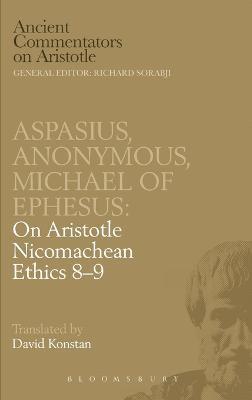
Aristotle devotes books 8-9 of the "Nicomachean Ethics" to friendship, distinguishing three kinds: a primary kind motivated by the other's character; and other kinds motivated by utility or pleasure. He takes up Plato's idea that one knows oneself better as reflected in another's eyes, as providing …
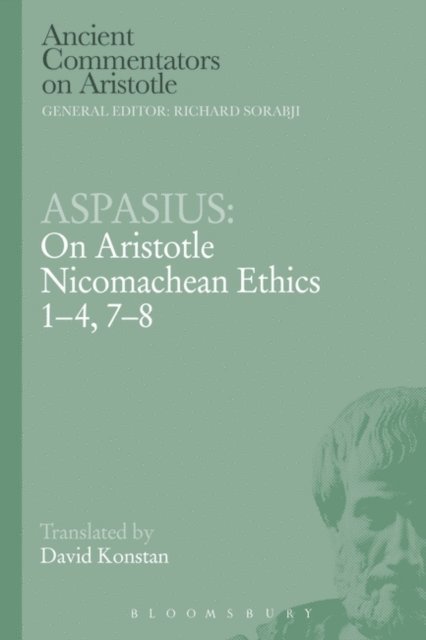
Aspasius: On Aristotle Nicomachean Ethics 1-4, 7-8
Av Aspasius
E-bok, 2014
608 kr
Lägg i varukorg
Until the launch of this series nearly twenty years ago, the 15,000 volumes of the ancient Greek commentators on Aristotle, written mainly between 200 and 600 AD, constituted the largest corpus of extant Greek philosophical writings not translated into English or other European languages. …
Aspasius: On Aristotle Nicomachean Ethics 1-4, 7-8
Häftad, 2014
556 kr
Lägg i varukorg
Until the launch of this series nearly twenty years ago, the 15,000 volumes of the ancient Greek commentators on Aristotle, written mainly between 200 and 600 AD, constituted the largest corpus of extant Greek philosophical writings not translated into English or other European languages. Aspasius' …
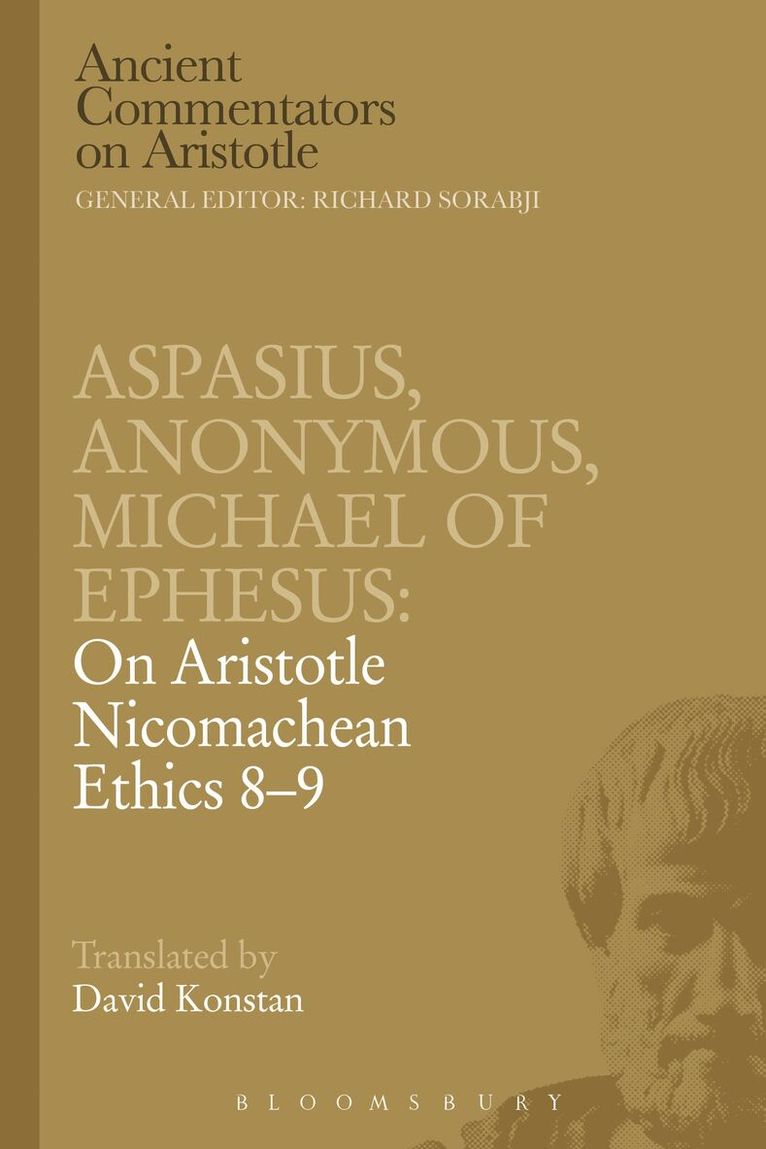
Aspasius, Michael of Ephesus, Anonymous: On Aristotle Nicomachean Ethics 8-9
Av Michael of Ephesus, Aspasius
E-bok, 2014
608 kr
Lägg i varukorg
Aristotle devotes books 8-9 of the Nicomachean Ethics to friendship, distinguishing three kinds: a primary kind motivated by the other''s character; and other kinds motivated by utility or pleasure. He takes up Plato''s idea that one knows oneself better as reflected in another''s eyes, as …
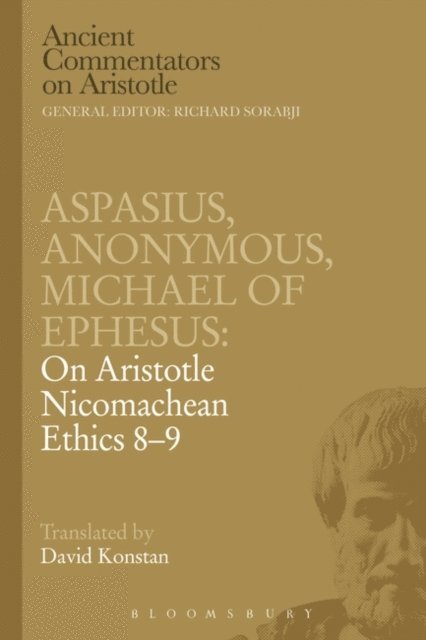
Aspasius, Michael of Ephesus, Anonymous: On Aristotle Nicomachean Ethics 8-9
Av Michael of Ephesus, Aspasius m. fl.
Häftad, 2014
559 kr
Lägg i varukorg
Aristotle devotes books 8-9 of the Nicomachean Ethics to friendship, distinguishing three kinds: a primary kind motivated by the other's character; and other kinds motivated by utility or pleasure. He takes up Plato's idea that one knows oneself better as reflected in another's eyes, as providing …