Augendra Bhukuth – författare
Visar alla böcker från författaren Augendra Bhukuth. Handla med fri frakt och snabb leverans.
6 produkter
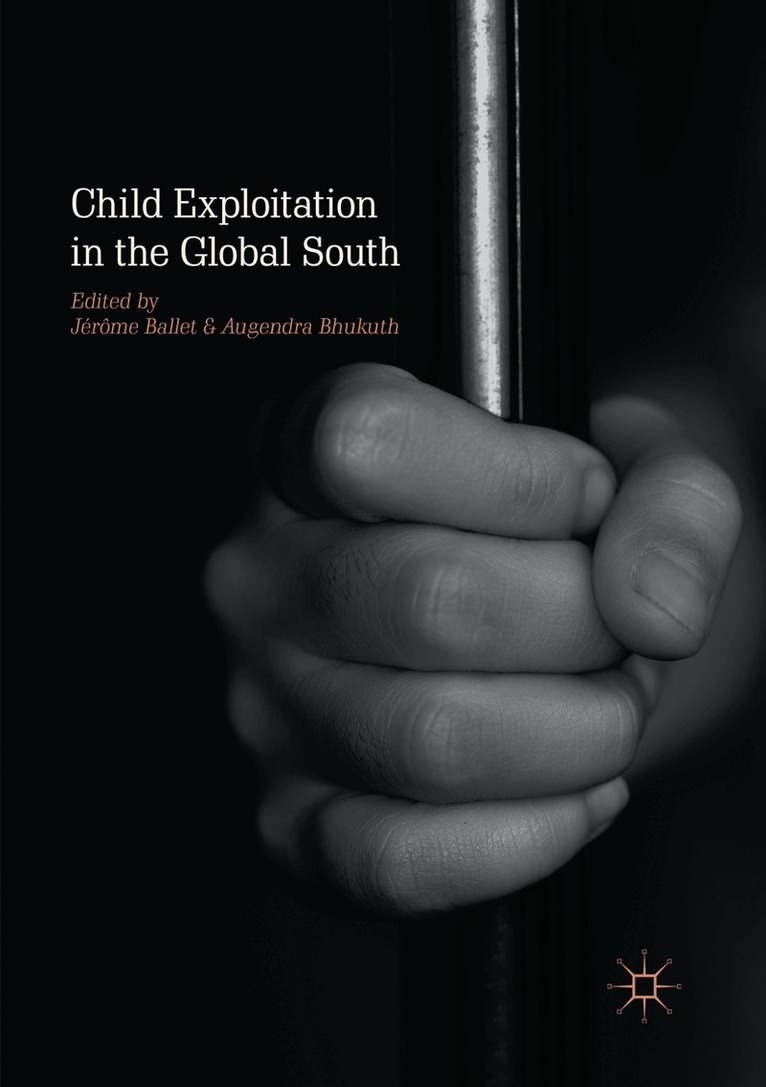
Child Exploitation in the Global South
Av Jérôme Ballet, Augendra Bhukuth
Häftad, 2019
552 kr
Lägg i varukorg
This edited volume examines child exploitation in the Global South. It introduces several case studies and interviews articulated around two features: exploitation within the family and exploitation in relation to social contexts. The research shows that both of the features are linked and, …
Child Exploitation in the Global South
Av Jérôme Ballet, Augendra Bhukuth
Inbunden, 2018
552 kr
Lägg i varukorg
This edited volume examines child exploitation in the Global South. It introduces several case studies and interviews articulated around two features: exploitation within the family and exploitation in relation to social contexts. The research shows that both of the features are linked and, …
Child Exploitation in the Global South
Av Augendra Bhukuth, Jerome Ballet
E-bok, 2018
734 kr
Lägg i varukorg
This edited volume examines child exploitation in the Global South. It introduces several case studies and interviews articulated around two features: exploitation within the family and exploitation in relation to social contexts. The research shows that both of the features are linked and, …
Le liberalisme ou le protectionnisme
Les deux faces d'une meme medaille
E-bok, 2026
139 kr
Lägg i varukorg
Depuis deux siecles, economistes et dirigeants politiques s'affrontent sur une question qui semble simple : faut-il ouvrir les frontieres ou les fermer ? Faut-il faire confiance aux marches ou proteger les industries nationales ? A travers une relecture rigoureuse et derangeante de l'histoire …