Avinash K. Dixit – författare
Visar alla böcker från författaren Avinash K. Dixit. Handla med fri frakt och snabb leverans.
11 produkter
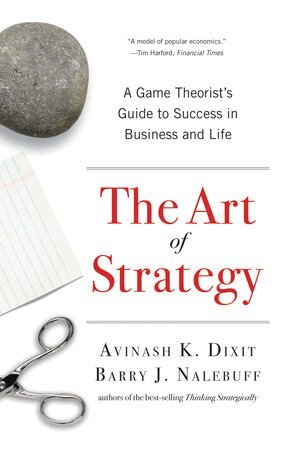
Art of Strategy
A Game Theorist's Guide to Success in Business and Life
Av Avinash K. Dixit, Barry J. Nalebuff
Häftad, 2010
222 kr
Lägg i varukorg
Game theory means rigorous strategic thinking. It’s the art of anticipating your opponent’s next moves, knowing full well that your rival is trying to do the same thing to you. Though parts of game theory involve simple common sense, much is counterintuitive, and it can only be mastered by …
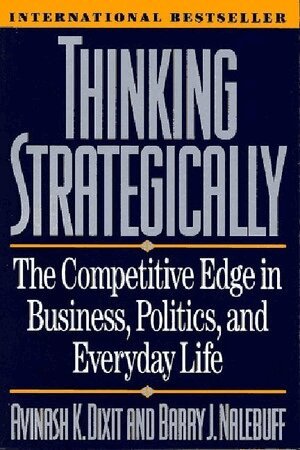
Thinking Strategically
The Competitive Edge in Business, Politics, and Everyday Life
Av Avinash K. Dixit, Barry J. Nalebuff
Häftad, 1993
198 kr
Lägg i varukorg
A major bestseller in Japan, Financial Times Top Ten book of the year, Book-of-the-Month Club bestseller, and required reading at the best business schools, Thinking Strategically is a crash course in outmaneuvering any rival. This entertaining guide builds on scores of case studies taken from …
Optimization in Economic Theory
Häftad, 1990
1316 kr
Lägg i varukorg
* This is the new edition of a popular student textbook. The first edition was well-received. The author has made revisions and additions to enhance the book's usefulness without destroying its distinctive character as a lucid, thorough, and readable text. It gives a broad treatment of optimization …
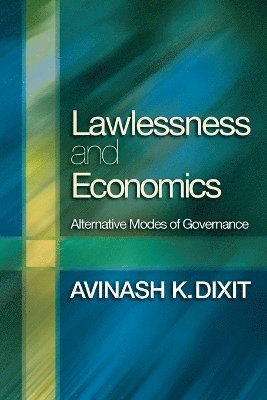
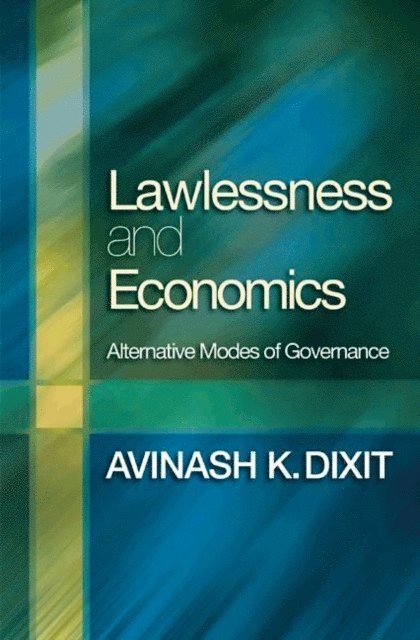
Lawlessness and Economics
Alternative Modes of Governance
Häftad, 2007
471 kr
Lägg i varukorg
How can property rights be protected and contracts be enforced in countries where the rule of law is ineffective or absent? How can firms from advanced market economies do business in such circumstances? In Lawlessness and Economics, Avinash Dixit examines the theory of private institutions that …
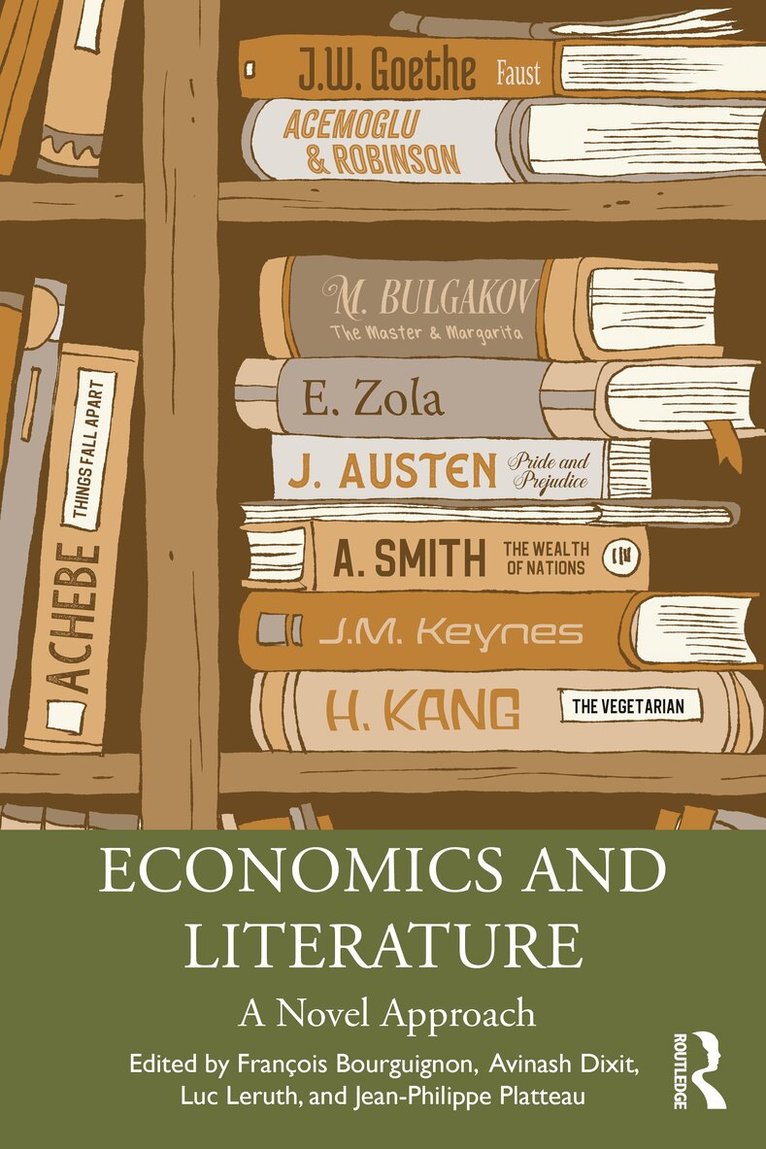
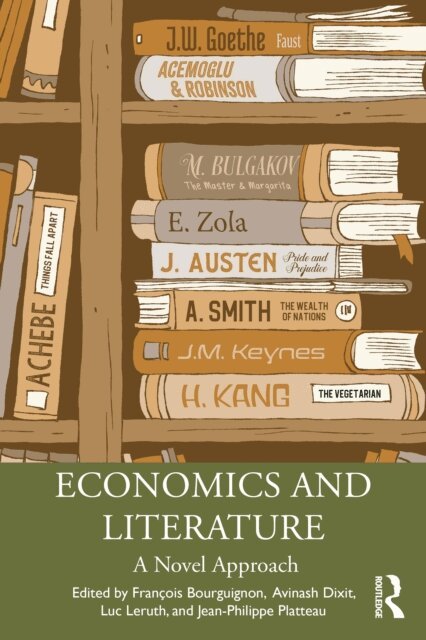
Economics and Literature
A Novel Approach
Av François Bourguignon, Avinash K Dixit m. fl.
Häftad, 2025
744 kr
Lägg i varukorg
Economics and fiction often pursue parallel objectives. Economists analyze human decisions and interactions in markets and other institutions. Fiction writers also provide keen insights into individual minds and motives, examining how their characters respond to conflict and tensions in varied …
Economics and Literature
A Novel Approach
Av François Bourguignon, Avinash K Dixit m. fl.
Inbunden, 2025
2886 kr
Lägg i varukorg
Economics and fiction often pursue parallel objectives. Economists analyze human decisions and interactions in markets and other institutions. Fiction writers also provide keen insights into individual minds and motives, examining how their characters respond to conflict and tensions in varied …
Economics and Literature
A Novel Approach
Av Jean-Philippe Platteau, Luc Leruth m. fl.
E-bok, 2025
857 kr
Lägg i varukorg
Economics and fiction often pursue parallel objectives. Economists analyze human decisions and interactions in markets and other institutions. Fiction writers also provide keen insights into individual minds and motives, examining how their characters respond to conflict and tensions in varied …
Economics and Literature
A Novel Approach
Av Jean-Philippe Platteau, Luc Leruth m. fl.
E-bok, 2025
876 kr
Lägg i varukorg
Economics and fiction often pursue parallel objectives. Economists analyze human decisions and interactions in markets and other institutions. Fiction writers also provide keen insights into individual minds and motives, examining how their characters respond to conflict and tensions in varied …
Games of Strategy
Av Avinash K. Dixit, Susan Skeath m. fl.
Häftad, 2025
838 kr
Lägg i varukorg
From the minds of renowned economists Avinash Dixit, Susan Skeath, and David McAdams comes the Sixth Edition of the most approachable game theory text, rooted in rigorous research and engaging examples. Assuming no prior knowledge of game theory—only a principles level of economic education—and …
Lawlessness and Economics
Alternative Modes of Governance
E-bok, 2011
647 kr
Lägg i varukorg
How can property rights be protected and contracts be enforced in countries where the rule of law is ineffective or absent? How can firms from advanced market economies do business in such circumstances? In Lawlessness and Economics , Avinash Dixit examines the theory of private institutions that …