Aviva Briefel - Böcker
Visar alla böcker från författaren Aviva Briefel. Handla med fri frakt och snabb leverans.
7 produkter
7 produkter
635 kr
Skickas inom 10-15 vardagar
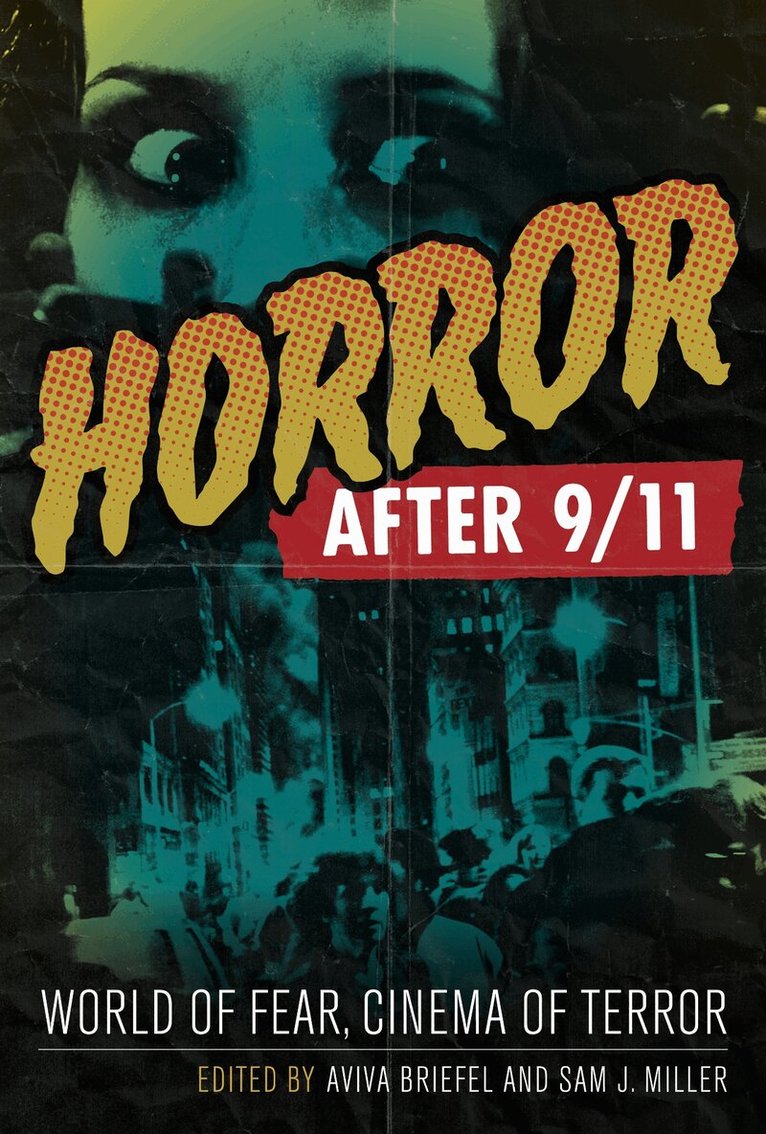
Horror films have exploded in popularity since the tragic events of September 11, 2001, many of them breaking box-office records and generating broad public discourse. These films have attracted A-list talent and earned award nods, while at the same time becoming darker, more disturbing, and increasingly apocalyptic. Why has horror suddenly become more popular, and what does this say about us? What do specific horror films and trends convey about American society in the wake of events so horrific that many pundits initially predicted the death of the genre? How could American audiences, after tasting real horror, want to consume images of violence on screen? Horror after 9/11 represents the first major exploration of the horror genre through the lens of 9/11 and the subsequent transformation of American and global society. Films discussed include the Twilight saga; the Saw series; Hostel; Cloverfield; 28 Days Later; remakes of The Texas Chainsaw Massacre, Dawn of the Dead, and The Hills Have Eyes; and many more. The contributors analyze recent trends in the horror genre, including the rise of 'torture porn,' the big-budget remakes of classic horror films, the reinvention of traditional monsters such as vampires and zombies, and a new awareness of visual technologies as sites of horror in themselves. The essays examine the allegorical role that the horror film has held in the last ten years, and the ways that it has been translating and reinterpreting the discourses and images of terror into its own cinematic language.
278 kr
Skickas inom 10-15 vardagar
Horror films have exploded in popularity since the tragic events of September 11, 2001, many of them breaking box-office records and generating broad public discourse. These films have attracted A-list talent and earned award nods, while at the same time becoming darker, more disturbing, and increasingly apocalyptic. Why has horror suddenly become more popular, and what does this say about us? What do specific horror films and trends convey about American society in the wake of events so horrific that many pundits initially predicted the death of the genre? How could American audiences, after tasting real horror, want to consume images of violence on screen? Horror after 9/11 represents the first major exploration of the horror genre through the lens of 9/11 and the subsequent transformation of American and global society. Films discussed include the Twilight saga; the Saw series; Hostel; Cloverfield; 28 Days Later; remakes of The Texas Chainsaw Massacre, Dawn of the Dead, and The Hills Have Eyes; and many more. The contributors analyze recent trends in the horror genre, including the rise of 'torture porn,' the big-budget remakes of classic horror films, the reinvention of traditional monsters such as vampires and zombies, and a new awareness of visual technologies as sites of horror in themselves. The essays examine the allegorical role that the horror film has held in the last ten years, and the ways that it has been translating and reinterpreting the discourses and images of terror into its own cinematic language.
734 kr
Skickas inom 10-15 vardagar
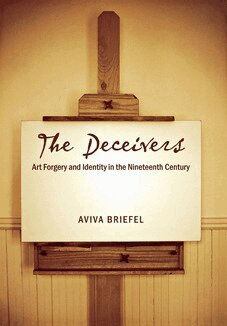
The nineteenth century witnessed an unprecedented increase in art forgery, caused both by the advent of national museums and by a rapidly growing bourgeois interest in collecting objects from the past. This rise had profound repercussions on notions of selfhood and national identity within and outside the realm of art. Although art critics denounced forgery for its affront to artistic traditions, they were fascinated by its power to shape the human and object worlds and adopted a language of art forgery to articulate a link between the making of fakes and the making of selves. The Deceivers explores the intersections among artistic crime, literary narrative, and the definition of identity.Literary texts joined more specialized artistic discourses in describing the various identities associated with art forgery: the forger, the copyist, the art expert, the dealer, the restorer. Built into new characters were assumptions about gender, sexuality, race, and nationality that themselves would come to be presented in a language of artistic authenticity. Aviva Briefel places special emphasis on the gendered distinction between male forgers and female copyists. "Copying," a benign occupation when undertaken by a woman, became "forgery," laden with criminal intent, when performed by men. Those who could successfully produce, handle, or detect spurious things and selves were distinguished from others who were incapable of distinguishing the authentic from the artistic and human forgeries. Through close reading of literary narratives such as Trilby and The Marble Faun as well as newspaper accounts of forgery scandals, The Deceivers reveals the identities—both authentic and fake—that emerged from the Victorian culture of forgery.
Del 102 - Cambridge Studies in Nineteenth-Century Literature and Culture
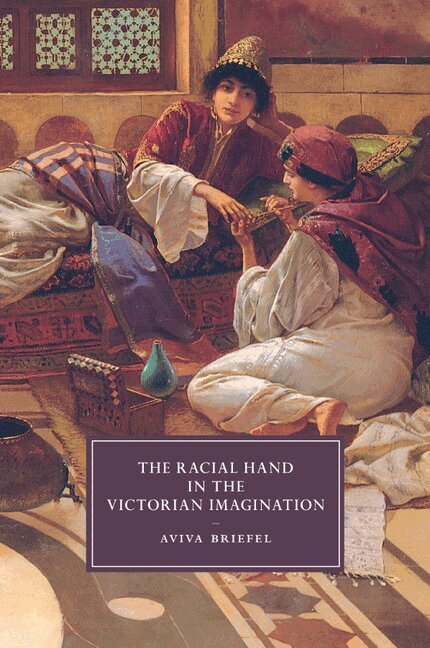
The Racial Hand in the Victorian Imagination
Inbunden, Engelska, 2015
1 371 kr
Skickas inom 7-10 vardagar
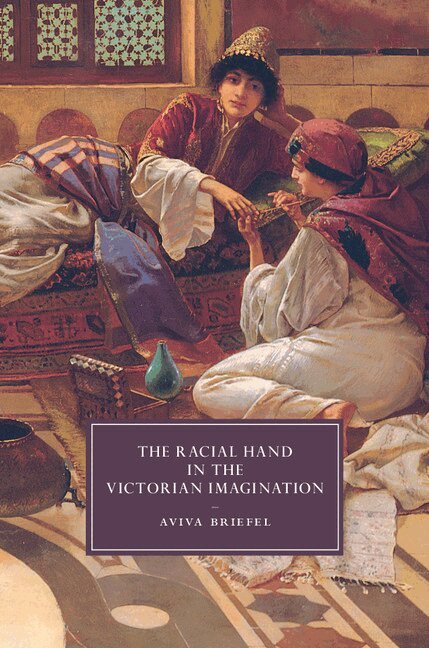
The hands of colonized subjects - South Asian craftsmen, Egyptian mummies, harem women, and Congolese children - were at the crux of Victorian discussions of the body that tried to come to terms with the limits of racial identification. While religious, scientific, and literary discourses privileged hands as sites of physiognomic information, none of these found plausible explanations for what these body parts could convey about ethnicity. As compensation for this absence, which might betray the fact that race was not actually inscribed on the body, fin-de-siècle narratives sought to generate models for how non-white hands might offer crucial means of identifying and theorizing racial identity. They removed hands from a holistic corporeal context and allowed them to circulate independently from the body to which they originally belonged. Severed hands consequently served as 'human tools' that could be put to use in a number of political, aesthetic, and ideological contexts.
Del 102 - Cambridge Studies in Nineteenth-Century Literature and Culture
The Racial Hand in the Victorian Imagination
Häftad, Engelska, 2017
436 kr
Skickas
The hands of colonized subjects - South Asian craftsmen, Egyptian mummies, harem women, and Congolese children - were at the crux of Victorian discussions of the body that tried to come to terms with the limits of racial identification. While religious, scientific, and literary discourses privileged hands as sites of physiognomic information, none of these found plausible explanations for what these body parts could convey about ethnicity. As compensation for this absence, which might betray the fact that race was not actually inscribed on the body, fin-de-siècle narratives sought to generate models for how non-white hands might offer crucial means of identifying and theorizing racial identity. They removed hands from a holistic corporeal context and allowed them to circulate independently from the body to which they originally belonged. Severed hands consequently served as 'human tools' that could be put to use in a number of political, aesthetic, and ideological contexts.
626 kr
Skickas inom 7-10 vardagar
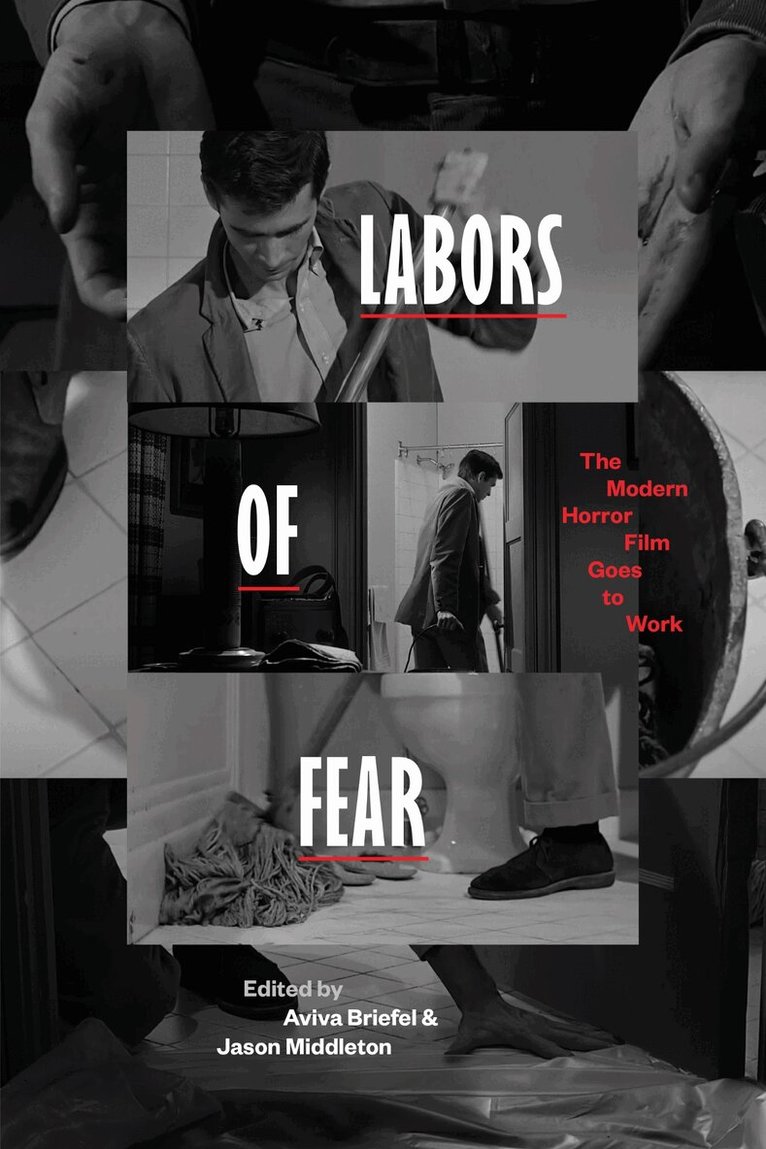
2024 Best Edited Collection, Midwest Popular Culture Association / Midwest American Culture Association (MPCA/ACA)How work and capitalism inspire horror in modern film.American ideals position work as a source of pride, opportunity, and meaning. Yet the ravages of labor are constant grist for horror films. Going back decades to the mad scientists of classic cinema, the menial motel job that prepares Norman Bates for his crimes in Psycho, and the unemployed slaughterhouse workers of The Texas Chain Saw Massacre, horror movies have made the case that work is not so much a point of pride as a source of monstrosity. Editors Aviva Briefel and Jason Middleton assemble the first study of horror’s critique of labor. In the 1970s and 1980s, films such as The Shining and Dawn of the Dead responded to deindustrialization, automation, globalization, and rising numbers of women in the workforce. Labors of Fear explores these critical issues and extends them in discussions of recent works such as The Autopsy of Jane Doe, Midsommar, Survival of the Dead, It Follows, Get Out, and Us. Covering films ranging from the 1970s onward, these essays address novel and newly recognized modes and conditions of labor: reproductive labor, emotion work and emotional labor, social media and self-branding, intellectual labor, service work, precarity, and underemployment. In its singular way, horror continues to make spine-tingling sense of what is most destructive in the wider sociopolitical context of US capitalism.
672 kr
Skickas inom 10-15 vardagar
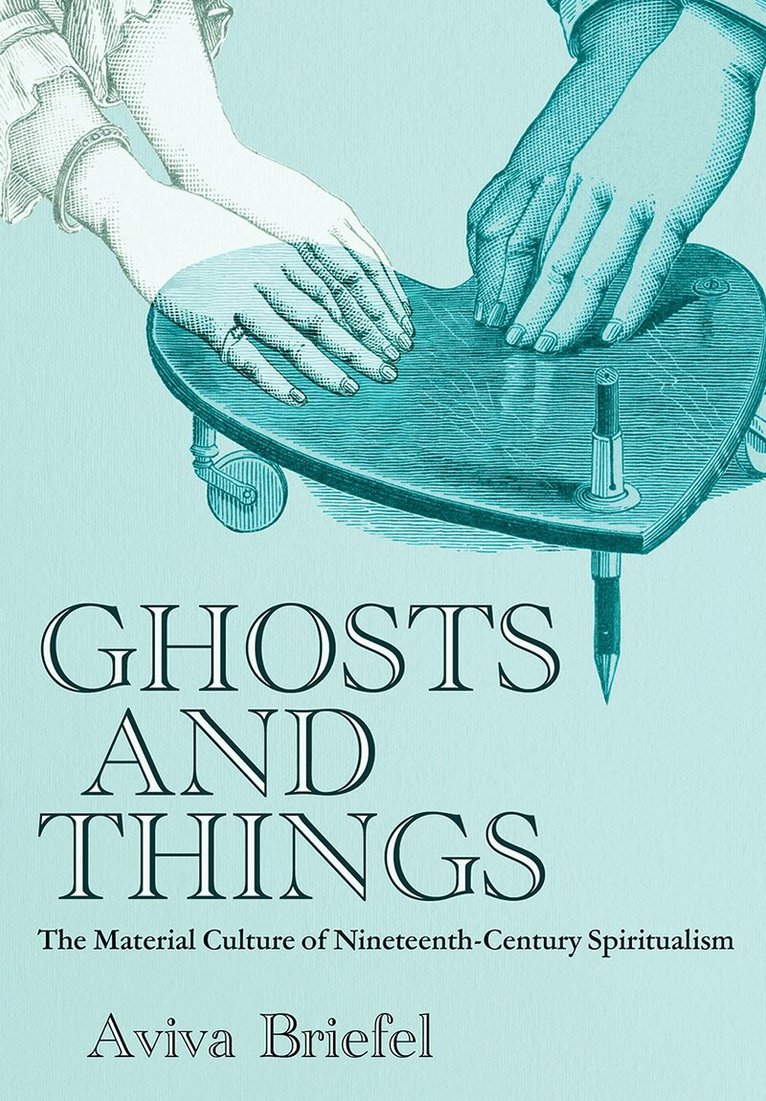
Ghosts and Things argues that Victorians turned to the dead to understand the material culture of their present. With the rise of spiritualism in Britain in the early 1850s, séances invited participants to contact ghosts using material things, from ordinary household furniture to specialized technologies invented to register the presence of spirits. In its supernatural object lessons, Victorian spiritualism was not just a mystical movement centered on the dead but also a practical resource for learning how to negotiate the uncanniness of life under capitalism. Aviva Briefel explores how spiritualism compelled séance participants to speculate on the manufacture of spectral clothing; ponder the hidden histories and energies of parlor furniture; confront the humiliations of consumerism as summoned spirits pelted them with exotic fruits; and comprehend modes of mechanical reproduction, like photography and electrotyping, that had the power to shape identities. Briefel argues that spiritualist practices and the objects they employed offered both believers and skeptics unexpected frameworks for grappling with the often-invisible forces of labor, consumption, exploitation, and exchange that haunted their everyday lives.Ghosts and Things reveals how spiritualism's explorations of the borderland between life and death, matter and spirit, produced a strange and seductive combination of wonder and discomfort that allowed participants to experience the possibilities and precarities of industrial modernity in novel ways.