Avnish Chauhan – författare
Visar alla böcker från författaren Avnish Chauhan. Handla med fri frakt och snabb leverans.
15 produkter
15 produkter
Inbunden, Engelska, 2026
2 359 kr
Skickas inom 10-15 vardagar
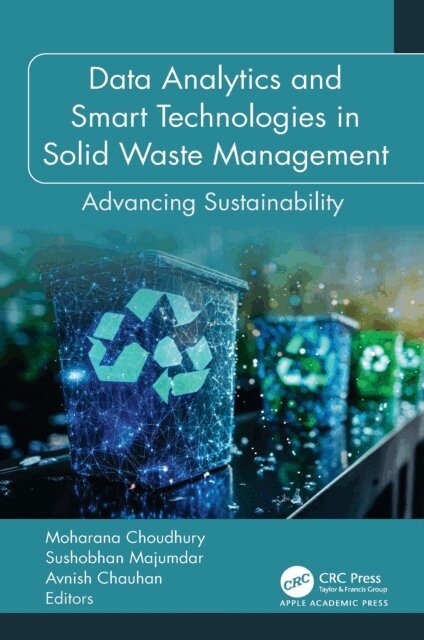
In an era marked by unprecedented technological advancement and heightened environmental awareness, this new volume, Data Analytics and Smart Technologies in Solid Waste Management: Advancing Sustainability, offers a crucial and timely exploration of how modern innovations and technologies can transform waste management practices. This book bridges the gap between cutting-edge data analytics and sustainable environmental practices, presenting a comprehensive examination of how smart technologies can enhance the efficiency, effectiveness, and ecological impact of solid waste management systems. As the world grapples with mounting waste generation and its adverse effects on ecosystems and human health, this volume underscores the urgent need for innovative solutions that leverage big data, machine learning, IoT, and other technological advancements.The insightful chapters, authored by leading experts in this field, provide a deep understanding of the current landscape, emerging trends, and future directions of waste management practices. The volume first provides an introduction to solid waste management, covering why it matters, its diversity, and the environmental and health impacts of inadequate management. The volume looks a waste generation and management trends, including techniques and technologies for material recovery, waste segregation, etc.Responsible waste disposal, treatment, and recycling strategies are discussed, including managing landfills, anaerobic digestion and composting, hazardous and special wastes, incineration processes and emission control, and energy recovery. The volume also addresses the policies, regulations, and outlook in environmental management focusing on cutting-edge technologies and innovative approaches to waste management for sustainable practices that involve data-driven solutions and smart waste technologies. Chapters also cover management of macro-plastic/micro-plastic waste, waste management in a changing climate, and more. Case studies of waste management in specific areas of the world are presented as well.By highlighting real-world case studies and practical applications, this book addresses the theoretical aspects and also provides actionable insights for researchers, practitioners, decision makers, and policymakers. The volume aims to inspire and empower stakeholders across the globe to adopt sustainable practices, ultimately contributing to a cleaner, healthier planet for future generations.
Inbunden, Engelska, 2026
1 727 kr
Skickas inom 10-15 vardagar
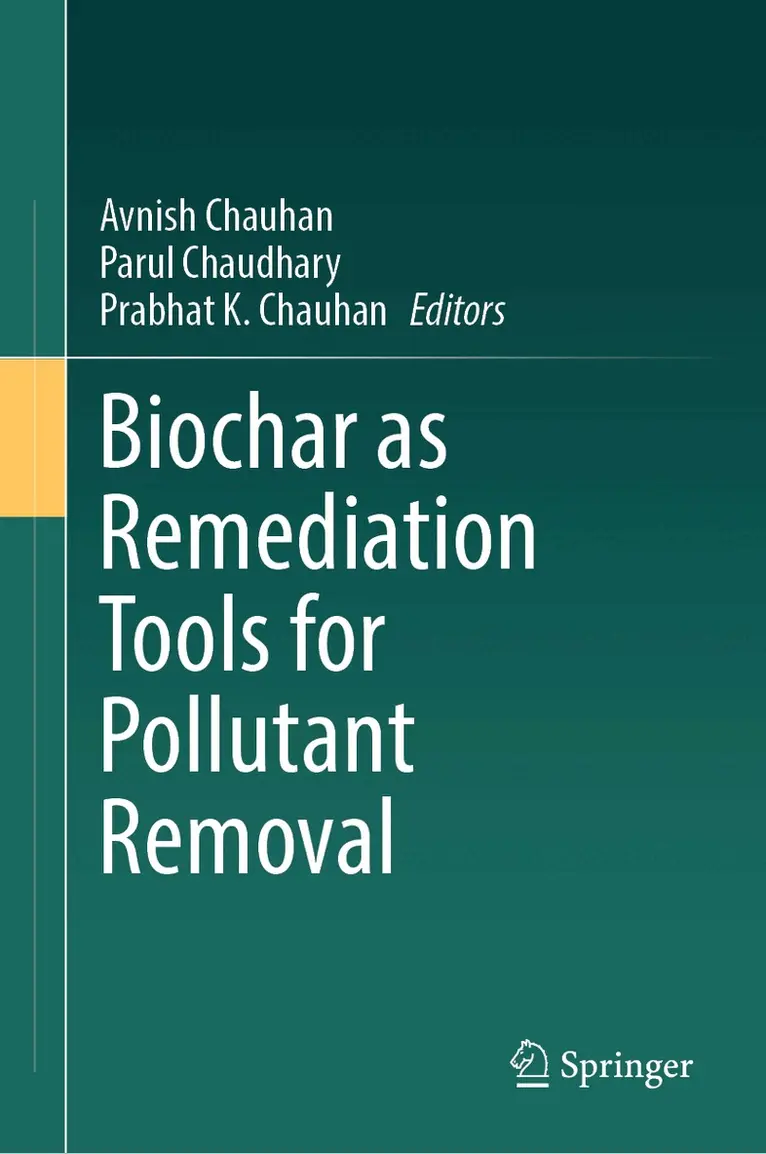
This book is to bridge the knowledge gap between biochar research and practical applications, catering to researchers, environmental scientists, agronomists, and policymakers interested in sustainable agricultural practices and environmental conservation.The book begins with an in-depth exploration of biochar production techniques and its historical significance. It discusses the global strategies for biochar development and innovations in biochar engineering, providing readers with a solid foundation in the physical and chemical properties of biochar. Subsequent chapters delve into the global utilization of biochar for soil health, especially under stressful environmental conditions. This includes its application for enhancing soil nutrients, managing biotic and abiotic stresses, and promoting sustainable agricultural practices.The book examines the interactions between biochar and soil microbial activity, highlighting its impact on soil enzymes and agriculturally important microorganisms.It explores the synergistic effects of co-biochar-microbes in environmental stress management, pollutant removal, and sustainable agriculture. The discussion extends to the role of biochar in mitigating greenhouse gases. Challenges in large-scale implementation and socio-economic issues related to its accessibility are also addressed. Cutting-edge innovations such as nano-biochar and smart biochar are covered. The effects of biochar on biogeochemical cycles and its role in circular economies are examined. The book concludes by addressing the negative impacts, limitations, and future research prospects, providing a balanced perspective on the potential and challenges of biochar technology.
Häftad, Engelska, 2012
669 kr
Skickas inom 5-8 vardagar
Inbunden, Engelska, 2014
1 337 kr
Skickas inom 5-8 vardagar
Inbunden, Engelska, 2011
1 442 kr
Skickas inom 5-8 vardagar
Inbunden, Engelska, 2016
1 312 kr
Skickas inom 5-8 vardagar
Inbunden, Engelska, 2015
1 312 kr
Skickas inom 5-8 vardagar
Inbunden, Engelska, 2016
1 338 kr
Skickas inom 5-8 vardagar
Inbunden, Engelska, 2011
1 364 kr
Skickas inom 5-8 vardagar
Inbunden, Engelska, 2017
1 338 kr
Skickas inom 5-8 vardagar
Inbunden, Engelska, 2016
1 481 kr
Skickas inom 5-8 vardagar
Inbunden, Engelska, 2016
1 455 kr
Skickas inom 5-8 vardagar
Inbunden, Engelska, 2018
1 389 kr
Skickas inom 5-8 vardagar
Inbunden, Engelska, 2022
1 362 kr
Skickas inom 5-8 vardagar
Inbunden, Engelska, 2026
2 308 kr
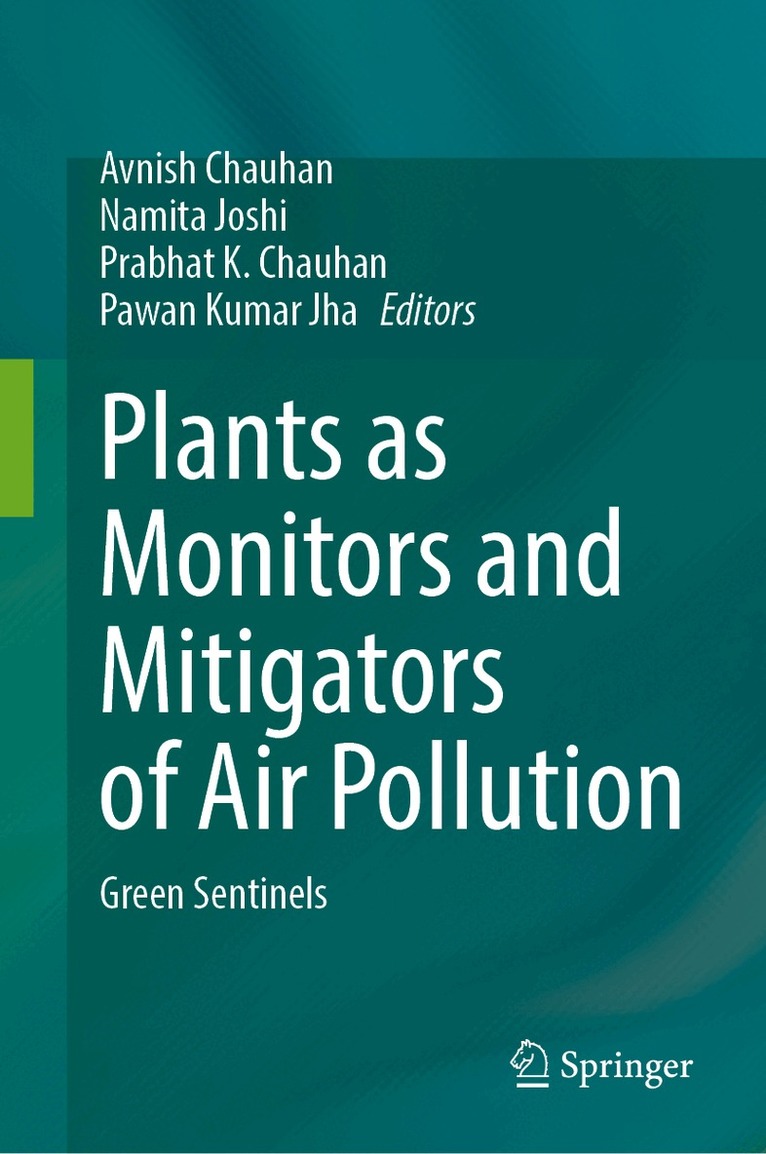
Kommande
This book explores the intricate relationship between air pollutants and plant responses, highlighting the role of plants as bioindicators, biomarkers and active agents in pollution mitigation. The chapters present the physiological, biochemical and molecular responses of plants to various pollutants, including gaseous substances, heavy metals, particulate matter and acid deposition. The book further addresses the impact of these pollutants on crop yield, food security and rural livelihoods, offering insights into plant-based monitoring of air quality and advancements in bioengineered phytoremediators. Innovative strategies for enhancing air pollution mitigation through the use of plants, moss, algae and trees designed for maximum pollutant sequestration are also discussed.By bridging fundamental plant science with applied environmental research, this volume provides a vital resource for those seeking sustainable solutions to air quality management. The book is a must-read for researchers, policymakers and environmental practitioners, offering a guide to harnessing plant-based strategies in the fight against air pollution.