Avrum I. Gotlieb - Böcker
Visar alla böcker från författaren Avrum I. Gotlieb. Handla med fri frakt och snabb leverans.
3 produkter
3 produkter
385 kr
Skickas inom 7-10 vardagar
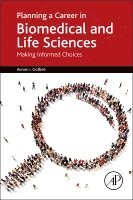
Planning a Career in Biomedical and Life Sciences presents useful information, insights, and tips to those pursuing a career in the biomedical and life sciences. The book focuses on making educated choices during schooling, training, and job searching in both the academic and non-academic sectors. The premise of Planning a Career in Biomedical and Life Sciences is that by understanding the full path of a career in either the biomedical or life science fields, you can proactively plan your career, recognize any opportunities that present themselves, and be well prepared to address important aspects of your own professional development. Topics include choosing your training path, selecting the best supervisor/mentor, and negotiating a job offer. Provides strategies on evaluating biomedical and life sciences education and professional development opportunities in a thorough and systematic fashion. Discusses possible pitfalls and offers insight into how to navigate them successfully at various points of a scientist's career. Offers valuable advice on how to make the best choices for yourself at any stage in your career.
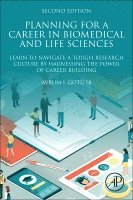
Planning for a Career in Biomedical and Life Sciences
Learn to Navigate a Tough Research Culture by Harnessing the Power of Career Building
Häftad, Engelska, 2018
635 kr
Skickas inom 7-10 vardagar
Planning for a Career in Biomedical and Life Sciences:Learn to Navigate a Tough Research Culture by Harnessing the Power of Career Building, Second Edition, presents useful information, insights and tips to those pursuing a career in the biomedical and life sciences. The book focuses on making educated choices during schooling, training, and the job search in both the academic and non-academic sectors. The book's premise lies in the notion that if users understand the full path of a career in either the biomedical or life science fields, they can proactively plan their career, recognize any opportunities that present themselves, and be well prepared to address important aspects of their own professional development.Topics include choosing a training path, selecting the best supervisor/mentor, and negotiating a job offer. Updates to this edition include an outline of core competencies to achieve success, how to build soft skills and tailor them to specific job opportunities, and how to increase collaborations across disciplines. Additionally, coverage on issues around diversity, health, wellness and work/life balance are expanded. This book is a valuable resource for undergraduate, graduate, medical and postdoctoral students in the biomedical and life sciences, as well as academic faculty and advisors. Revised and updated to address dealing with student failure and rejection and developing resilience Provides strategies on evaluating biomedical and life sciences education and professional development opportunities in a thorough and systematic fashion Discusses possible pitfalls and offers insight into how to navigate successfully at various points of a scientist's career Offers valuable advice on how to make the best choices for yourself at any stage in your career and how to choose supervisors and mentors who will support your career goals
Del 1 - Altschul Symposia Series
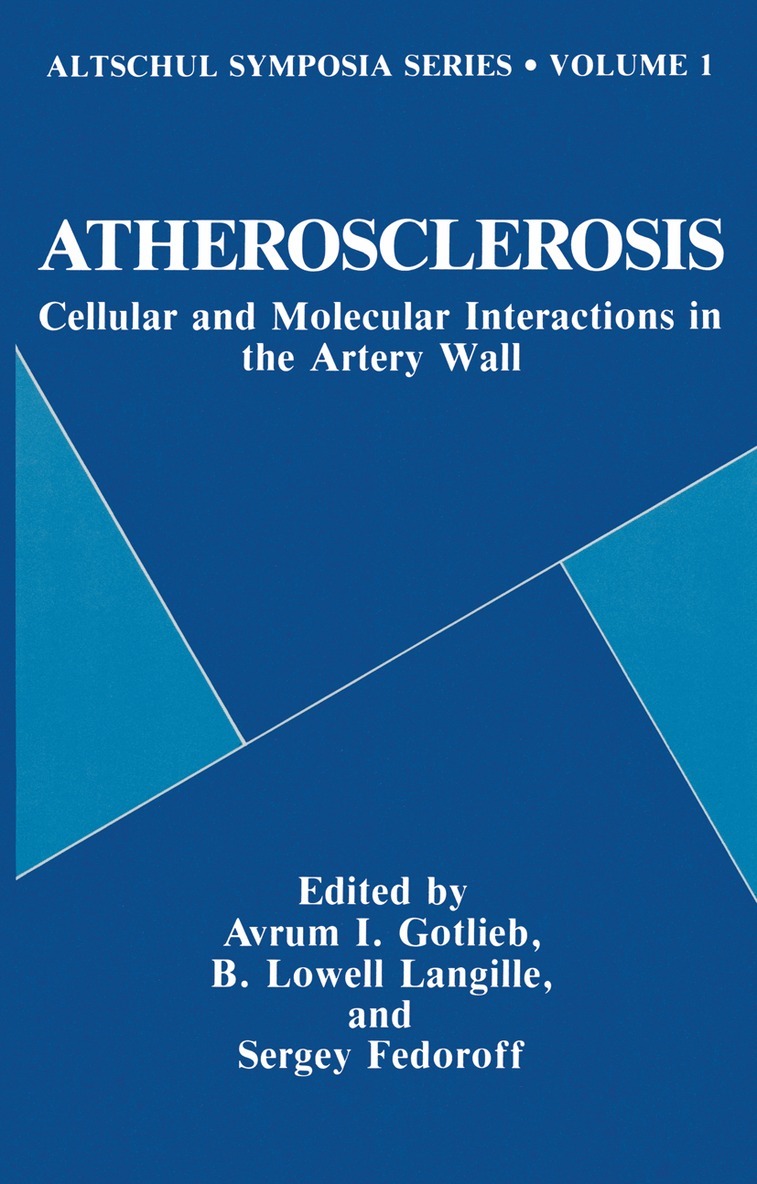
Atherosclerosis
Cellular and Molecular Interactions in the Artery Wall
Häftad, Engelska, 2012
534 kr
Skickas inom 10-15 vardagar
This volume contains the papers which were presented at the First Altschul Symposium, Atherosclerosis: Cellular and Molecular Interactions in the Artery Wall. The symposium was held in Saskatoon, at the University of Saskatchewan in May 1990 in memory of Dr. Rudolph Altschul, a pioneer in the field of vascular biology and the prevention of atherosclerosis. Dr. Altschul was Professor and Head of the Department of Anatomy at the University of Saskatchewan from 1955 to 1963. The challenge for biomedical scientists is to unravel the multifactorial etiology of atherosclerosis. For the last hundred and sixty years, anatomical pathologists have carefully studied the morphological changes of the human vascular wall during the initiation and evolution of the fibrofatty atherosclerotic plaque. Based on these elegant morphological observations, theories on atherogenesis were put forth by pathologists in the 1840's. Rudolf Virchow suggested that the movement of substances from the blood into the vessel wall was important for atherogenesis while Carl von Rokitansky felt that the deposition of substances on the lumenal surface of the artery resulted in the formation of atherosclerotic plaque. Since these original theories, it has become apparent that the pathogenesis of atherosclerosis is multifactorial and the disease evolves in stages. It is also likely that not all plaques arise through the same sequence of events and that many steps are involved in the development of each plaque. Today, our understanding of the complicated processes of atherogenesis is still incomplete.