Ayesha Jalal – författare
Visar alla böcker från författaren Ayesha Jalal. Handla med fri frakt och snabb leverans.
27 produkter
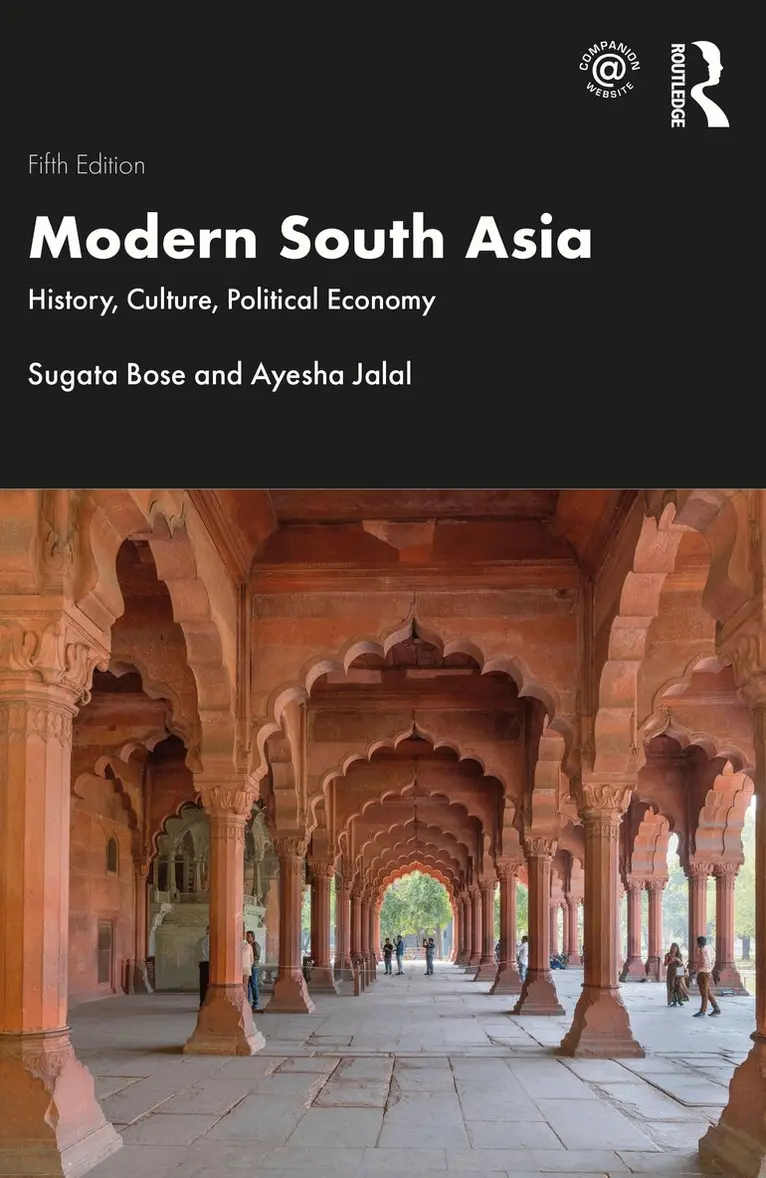
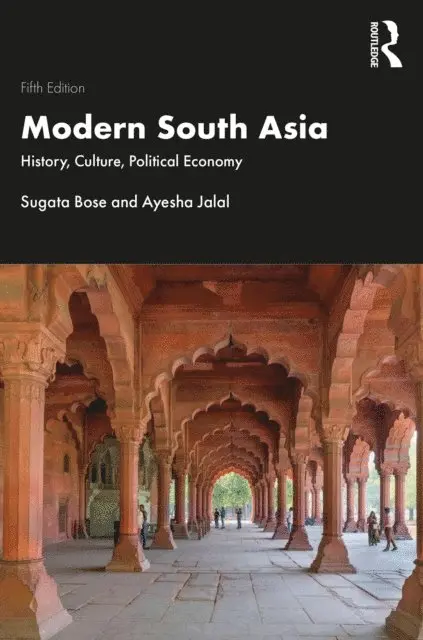
Modern South Asia
History, Culture, Political Economy
Häftad, 2022
577 kr
Lägg i varukorg
The fifth edition of Modern South Asia draws on the newest historical research and scholarship in the field to interpret and debate key developments in modern South Asian history and historical writing, covering the diverse spectrum of the subcontinent’s social, economic and political past.Jointly …
Kashmir and the Future of South Asia
Inbunden, 2020
2578 kr
Lägg i varukorg
This book uses an innovative people-centered approach to the Kashmir problem to shed new light on why postcolonial partitions remain unfinished and why the wounds of postcolonial nation-state formation in South Asia continue to fester."Kashmir" is viewed as a metaphor for the permanent internal …
Kashmir and the Future of South Asia
Häftad, 2022
710 kr
Lägg i varukorg
This book uses an innovative people-centered approach to the Kashmir problem to shed new light on why postcolonial partitions remain unfinished and why the wounds of postcolonial nation-state formation in South Asia continue to fester."Kashmir" is viewed as a metaphor for the permanent internal …
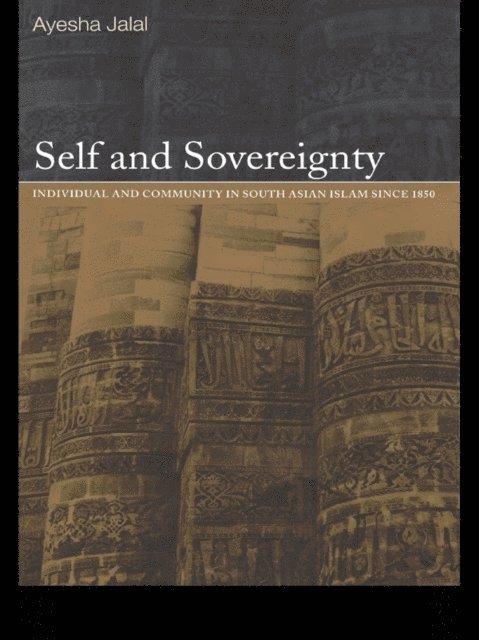
Self and Sovereignty
Individual and Community in South Asian Islam Since 1850
Av Ayesha Jalal
Häftad, 2000
762 kr
Lägg i varukorg
Self and Sovereignty surveys the role of individual Muslim men and women within India and Pakistan from 1850 through to decolonisation and the partition period.Commencing in colonial times, this book explores and interprets the historical processes through which the perception of the Muslim …
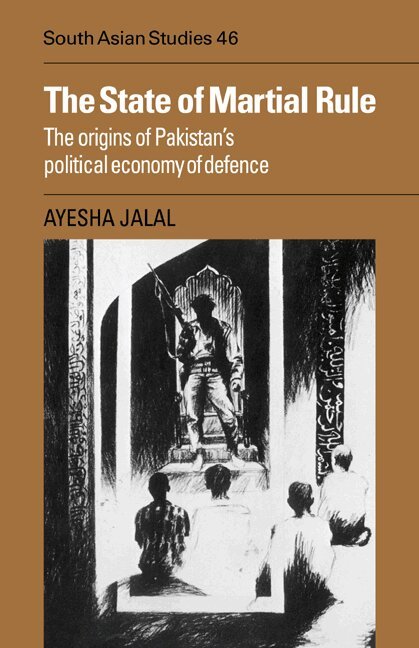
The State of Martial Rule
The Origins of Pakistan's Political Economy of Defence
Av Ayesha Jalal
Häftad, 2007
668 kr
Lägg i varukorg
When the British dismantled their Raj in 1947 India, as the 'successor' state, inherited the colonial unitary central apparatus whereas Pakistan, as the 'seceding' state, had no semblance of a central government. In The State of Martial Rule Ayesha Jalal analyses the dialectic between state …
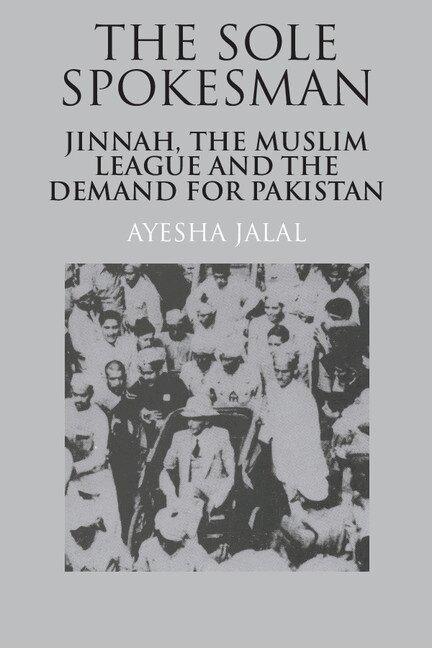
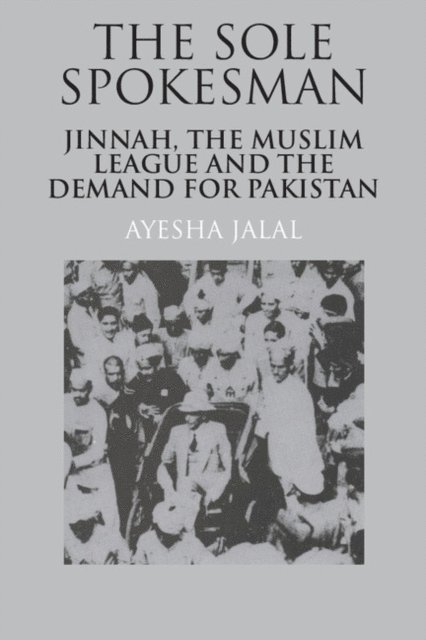
The Sole Spokesman
Jinnah, the Muslim League and the Demand for Pakistan
Av Ayesha Jalal
Häftad, 1994
485 kr
Lägg i varukorg
In 1940 the All-India Muslim League orchestrated the demand for independent Muslim states in India. Seven years later Pakistan was created amidst a communal holocaust of unprecedented proportions. Concentrating on the All-India Muslim League and its leader, Mohammed Ali Jinnah, The Sole Spokesman …
Democracy and Authoritarianism in South Asia
A Comparative and Historical Perspective
Häftad, 1995
569 kr
Lägg i varukorg
In a comparative and historical study of the interplay between democratic politics and authoritarian states in South Asia, Ayesha Jalal explains how a shared colonial legacy led to apparently contrasting patterns of political development - democracy in India and authoritarianism in Pakistan and …
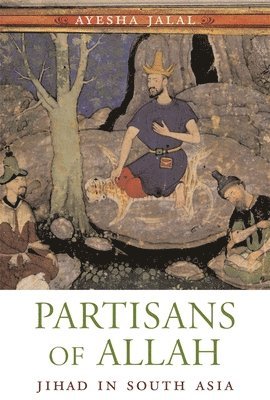
Partisans of Allah
Jihad in South Asia
Av Ayesha Jalal
Häftad, 2010
315 kr
Lägg i varukorg
The idea of jihad is central to Islamic faith and ethics, and yet its meanings have been highly contested over time. They have ranged from the philosophical struggle to live an ethical life to the political injunction to wage war against enemies of Islam. Today, more than ever, jihad signifies the …
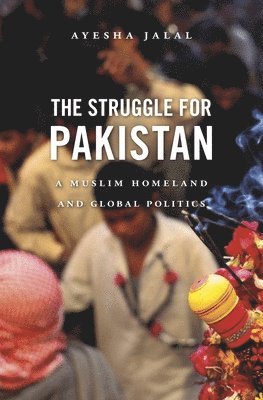
Struggle for Pakistan
A Muslim Homeland and Global Politics
Av Ayesha Jalal
Häftad, 2017
219 kr
Lägg i varukorg
Established as a homeland for India’s Muslims in 1947, Pakistan has had a tumultuous history. Beset by assassinations, coups, ethnic strife, and the breakaway of Bangladesh in 1971, the country has found itself too often contending with religious extremism and military authoritarianism. Now, in a …
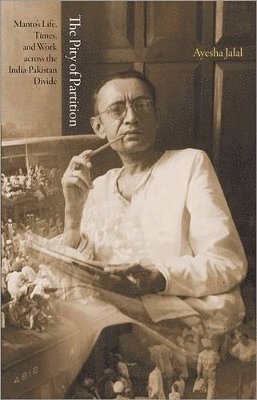
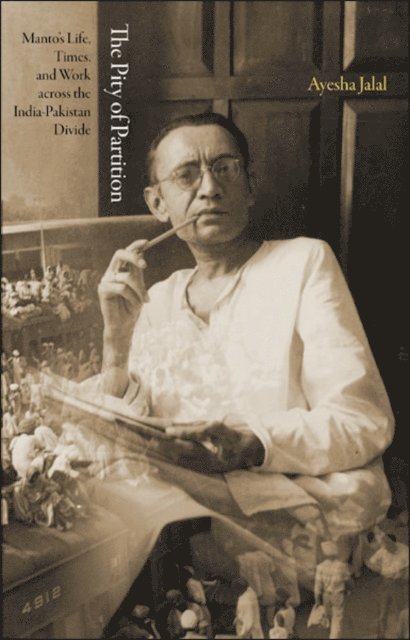
Pity of Partition
Manto's Life, Times, and Work across the India-Pakistan Divide
Av Ayesha Jalal
Inbunden, 2013
381 kr
Lägg i varukorg
Saadat Hasan Manto (1912-1955) was an established Urdu short story writer and a rising screenwriter in Bombay at the time of India's partition in 1947, and he is perhaps best known for the short stories he wrote following his migration to Lahore in newly formed Pakistan. Today Manto is an …
Kashmir and the Future of South Asia
E-bok, 2020
820 kr
Lägg i varukorg
This book uses an innovative people-centered approach to the Kashmir problem to shed new light on why postcolonial partitions remain unfinished and why the wounds of postcolonial nation-state formation in South Asia continue to fester. "Kashmir" is viewed as a metaphor for the permanent internal …
Kashmir and the Future of South Asia
E-bok, 2020
820 kr
Lägg i varukorg
This book uses an innovative people-centered approach to the Kashmir problem to shed new light on why postcolonial partitions remain unfinished and why the wounds of postcolonial nation-state formation in South Asia continue to fester. "Kashmir" is viewed as a metaphor for the permanent internal …
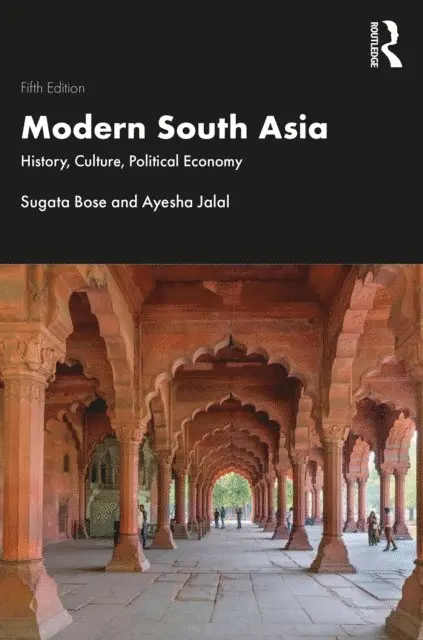
Modern South Asia
History, Culture, Political Economy
E-bok, 2022
678 kr
Lägg i varukorg
The fifth edition of Modern South Asia draws on the newest historical research and scholarship in the field to interpret and debate key developments in modern South Asian history and historical writing, covering the diverse spectrum of the subcontinent’s social, economic and political past. Jointly …
Modern South Asia
History, Culture, Political Economy
E-bok, 2022
678 kr
Lägg i varukorg
The fifth edition of Modern South Asia draws on the newest historical research and scholarship in the field to interpret and debate key developments in modern South Asian history and historical writing, covering the diverse spectrum of the subcontinent’s social, economic and political past. Jointly …
Modern South Asia
History, Culture, Political Economy
Inbunden, 2022
2107 kr
Lägg i varukorg
The fifth edition of Modern South Asia draws on the newest historical research and scholarship in the field to interpret and debate key developments in modern South Asian history and historical writing, covering the diverse spectrum of the subcontinent’s social, economic and political past.Jointly …
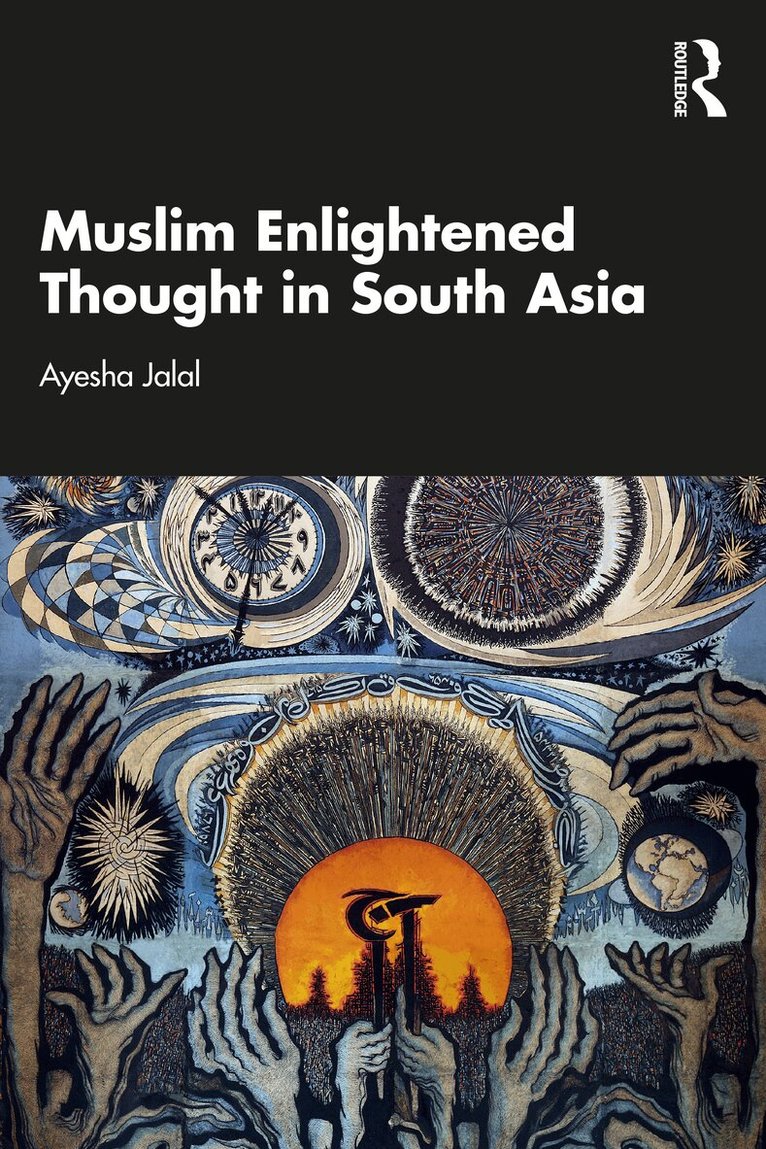
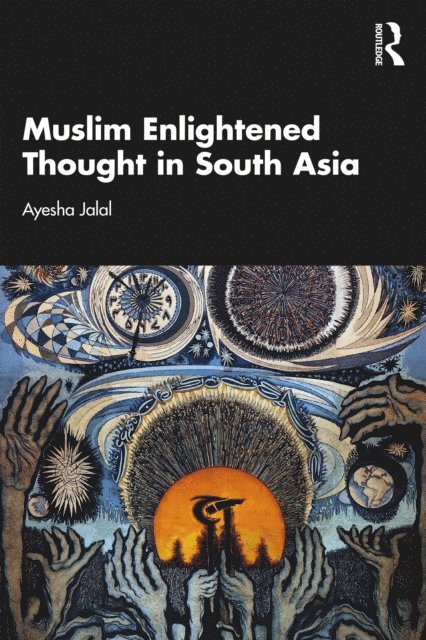
Muslim Enlightened Thought in South Asia
Av Ayesha Jalal
Häftad, 2024
648 kr
Lägg i varukorg
Muslim Enlightened Thought in South Asia is an engaging history of the enlightened liberality of modern Muslim poets, philosophers, educationists, novelists, historians, artists and public intellectuals who drew on a long Muslim intellectual tradition beyond the “Western” liberalism of …
Muslim Enlightened Thought in South Asia
Av Ayesha Jalal
Inbunden, 2024
2597 kr
Lägg i varukorg
Muslim Enlightened Thought in South Asia is an engaging history of the enlightened liberality of modern Muslim poets, philosophers, educationists, novelists, historians, artists and public intellectuals who drew on a long Muslim intellectual tradition beyond the “Western” liberalism of …
Muslim Enlightened Thought in South Asia
Av Ayesha Jalal
E-bok, 2024
762 kr
Lägg i varukorg
Muslim Enlightened Thought in South Asia is an engaging history of the enlightened liberality of modern Muslim poets, philosophers, educationists, novelists, historians, artists and public intellectuals who drew on a long Muslim intellectual tradition beyond the “Western” liberalism of empire. …
Muslim Enlightened Thought in South Asia
Av Ayesha Jalal
E-bok, 2024
768 kr
Lägg i varukorg
Muslim Enlightened Thought in South Asia is an engaging history of the enlightened liberality of modern Muslim poets, philosophers, educationists, novelists, historians, artists and public intellectuals who drew on a long Muslim intellectual tradition beyond the “Western” liberalism of empire. …
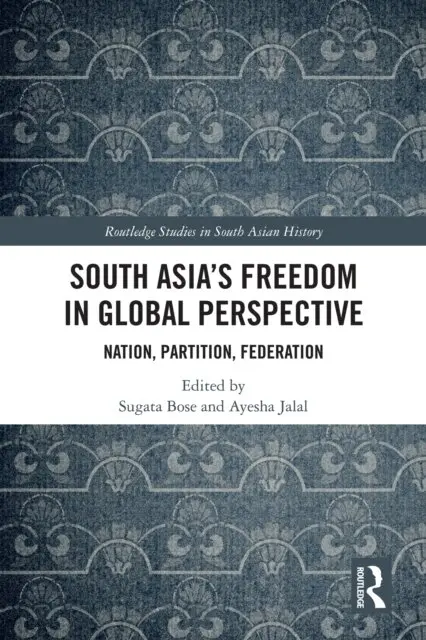
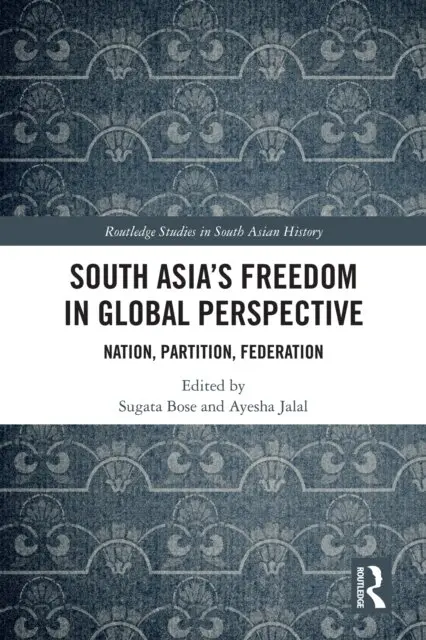
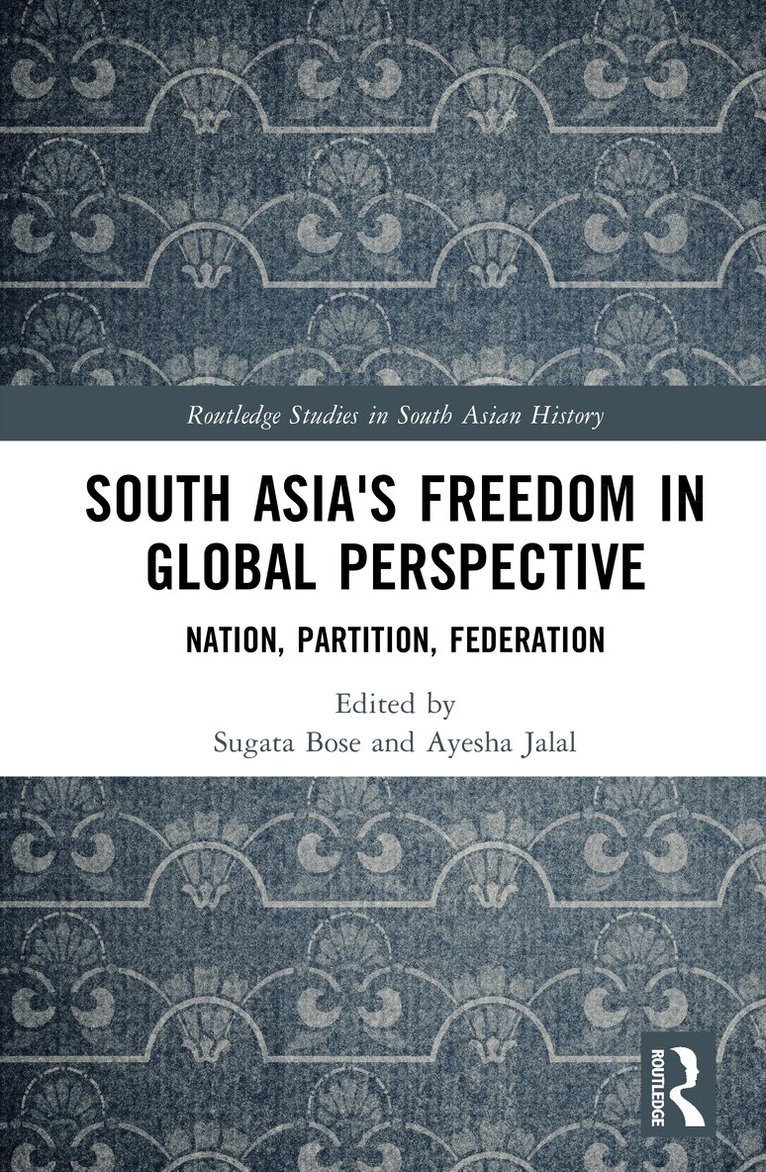
South Asia's Freedom in Global Perspective
Nation, Partition, Federation
E-bok, 2025
767 kr
Lägg i varukorg
This book engages in a creative process of historical retrieval of visions for substantive democracy and federal union during the struggle for freedom that remained unrealized during the postcolonial transition.Structured in three parts, the book examines the historical trajectory of South Asia in …
South Asia's Freedom in Global Perspective
Nation, Partition, Federation
E-bok, 2025
767 kr
Lägg i varukorg
This book engages in a creative process of historical retrieval of visions for substantive democracy and federal union during the struggle for freedom that remained unrealized during the postcolonial transition.Structured in three parts, the book examines the historical trajectory of South Asia in …
South Asia's Freedom in Global Perspective
Nation, Partition, Federation
Inbunden, 2025
2586 kr
Lägg i varukorg
This book engages in a creative process of historical retrieval of visions for substantive democracy and federal union during the struggle for freedom that remained unrealized during the postcolonial transition.Structured in three parts, the book examines the historical trajectory of South Asia in …
Self and Sovereignty
Individual and Community in South Asian Islam Since 1850
Av Ayesha Jalal
E-bok, 2002
820 kr
Lägg i varukorg
Self and Sovereignty surveys the role of individual Muslim men and women within India and Pakistan from 1850 through to decolonisation and the partition period. Commencing in colonial times, this book explores and interprets the historical processes through which the perception of the Muslim …
Self and Sovereignty
Individual and Community in South Asian Islam Since 1850
Av Ayesha Jalal
E-bok, 2002
820 kr
Lägg i varukorg
Self and Sovereignty surveys the role of individual Muslim men and women within India and Pakistan from 1850 through to decolonisation and the partition period. Commencing in colonial times, this book explores and interprets the historical processes through which the perception of the Muslim …
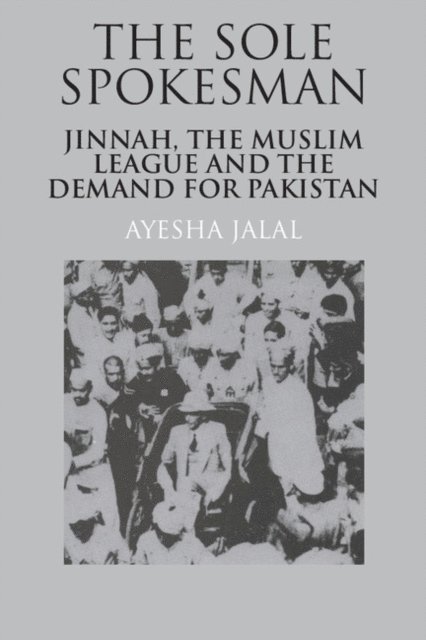
Sole Spokesman
Jinnah, the Muslim League and the Demand for Pakistan
Av Ayesha Jalal
E-bok, 1994
470 kr
Lägg i varukorg
In 1940 the All-India Muslim League orchestrated the demand for independent Muslim states in India. Seven years later Pakistan was created amidst a communal holocaust of unprecedented proportions. Concentrating on the All-India Muslim League and its leader, Mohammed Ali Jinnah, The Sole Spokesman …
Sole Spokesman
Jinnah, the Muslim League and the Demand for Pakistan
Av Ayesha Jalal
E-bok, 1994
470 kr
Lägg i varukorg
In 1940 the All-India Muslim League orchestrated the demand for independent Muslim states in India. Seven years later Pakistan was created amidst a communal holocaust of unprecedented proportions. Concentrating on the All-India Muslim League and its leader, Mohammed Ali Jinnah, The Sole Spokesman …
Pity of Partition
Manto''s Life, Times, and Work across the India-Pakistan Divide
Av Ayesha Jalal
E-bok, 2013
530 kr
Lägg i varukorg
A history of partition seen through the life and fiction of one of the subcontinent''s most important modern writers Saadat Hasan Manto (1912-1955) was an established Urdu short story writer and a rising screenwriter in Bombay at the time of India''s partition in 1947, and he is perhaps best known …