B. Nagachaitanya - Böcker
Visar alla böcker från författaren B. Nagachaitanya. Handla med fri frakt och snabb leverans.
4 produkter
4 produkter
709 kr
Skickas inom 7-10 vardagar
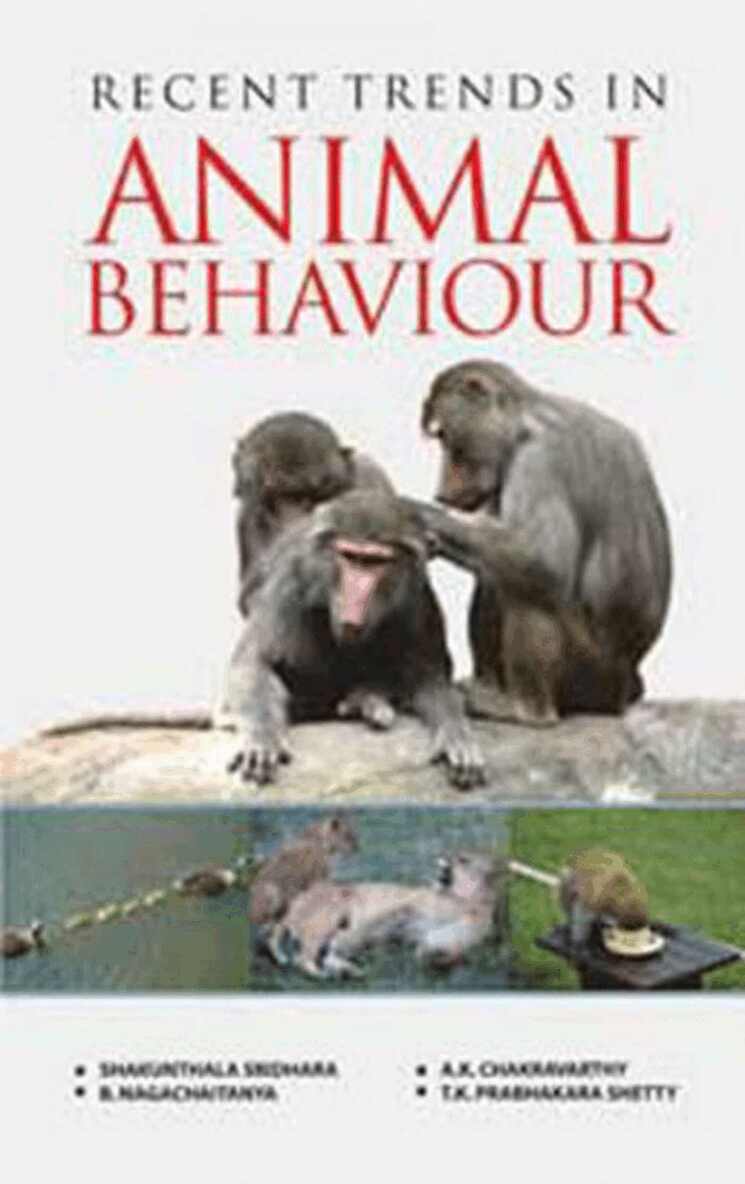
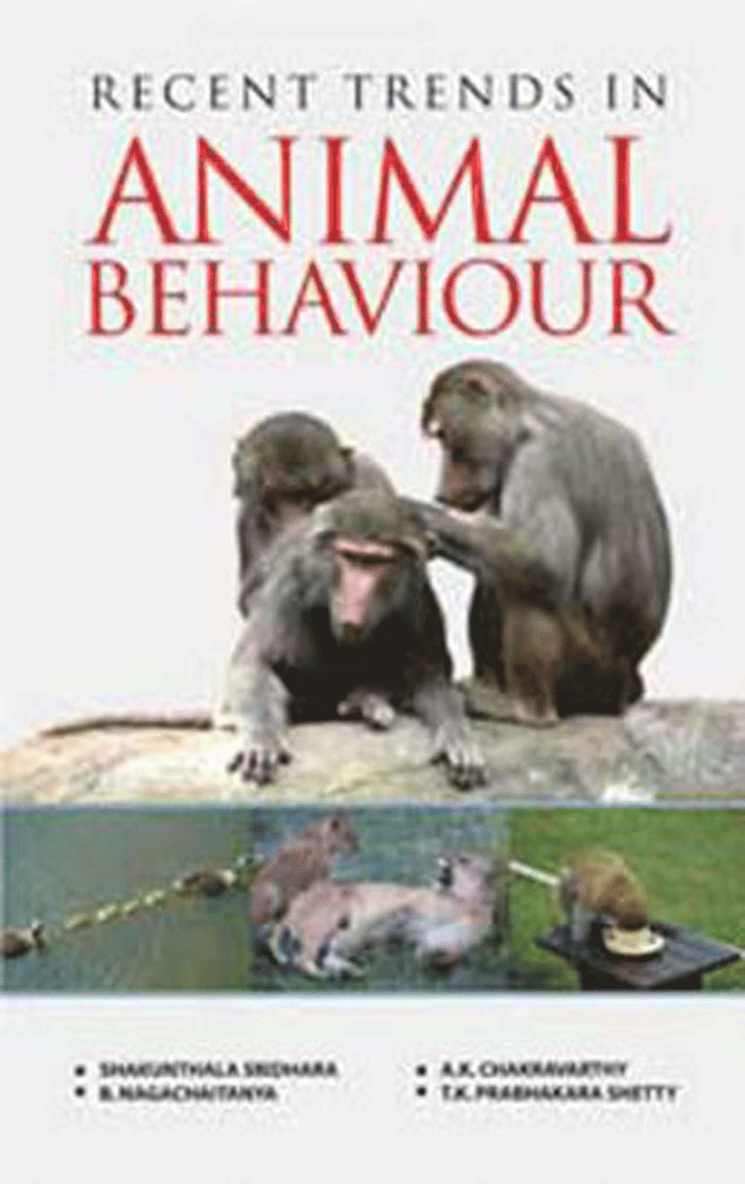
Animal behavior studies are essential for various reasons, primarily in conservation, livestock and wildlife management, animal welfare, sustainable utilization of animal and human resources, and ultimately, enhancing our understanding of human behavior. Early on, these studies were mostly observational, until Lorenz, tin Bergen, and Frischs groundbreaking work catapulted the field into the Nobel laureates realm. This led to extensive research in several areas of animal behavior, including information acquisition (neuroethology) and transfer (communication), ecological aspects (habitat-related, foraging strategies, migration, predator-prey interactions, population ecology, etc.), socio-biology (parent-filial interaction, cooperation, and conflict, grouping and dispersion, social organization, etc.), reproductive strategies, evolutionary aspects (kin selection, altruism, life history strategies, etc.), physiology (behavioral endocrinology, rhythms, neurobiology), and applied behavior (conservation, animal welfare, livestock production, wildlife management, man-animal conflict, etc.).
1 397 kr
Skickas inom 7-10 vardagar
Animal behavior is a critical area of study with multiple applications, including conservation, livestock and wildlife management, animal welfare, sustainable resource utilization, and human behavior comprehension. The early days of behavioral research were largely observational, but the groundbreaking work of Lorenz, Tinbergen, and Frisch elevated the field and led to Nobel recognition. This paved the way for extensive research in various areas of behavior, such as information acquisition and transfer, ecological aspects, socio-biology, reproductive strategies, evolutionary dynamics, physiology, and applied behavior. These areas include conservation, animal welfare, livestock production, wildlife management, and human-animal interactions.
1 291 kr
Skickas inom 7-10 vardagar
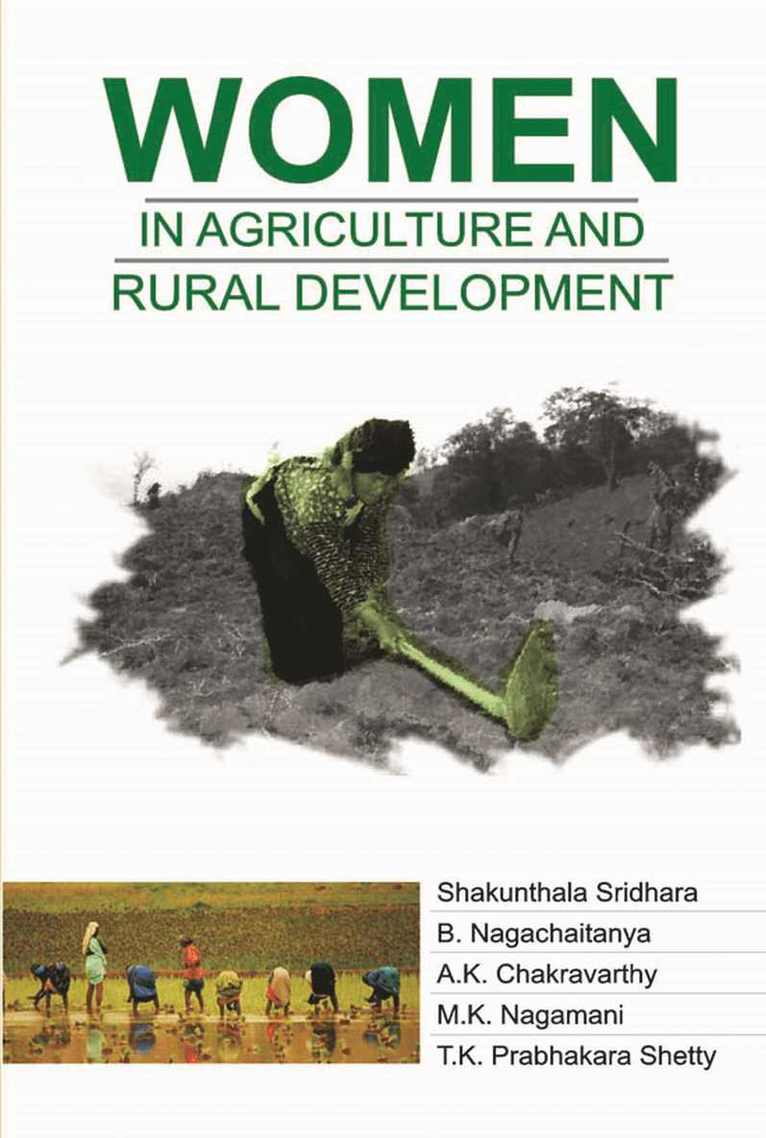
Traditionally women role in agriculture is staggering with nearly half of the population involved in agriculture and its related activities. Most of the agricultural activities are women specific but tragically worldwide women mostly end up as hired agricultural labourers with substantial gender disparity in wages earning far less than men in the same job. To add to her economic woes, inadequate education, less than satisfactory dissemination of technology, globalization, economic liberalization, commercialization, urbanization, political instability, natural disasters, mechanization of agriculture, decreased agriculture, migration of men to urban areas, and occupational health hazards such as prolonged hours of physical labour resulting in musculo-skeletal injuries, pesticide poisoning also make the life of rural women miserable. True, there are policies and programmes of central and state government to alleviate their problems but they are proportionately insufficient and their execution far from satisfactory. Much needs to be done in disseminating gender segregated data and gender bias in all aspects of agriculture, access to resources including land and natural resources, drudgery reduction, assuring nutritional security, diversification of activities of Self Health Groups and Street Shakti groups with emphasis on productivity including post harvest technology, creation of marketing facilities, ownership to land and other allied resources rural electrification, outreach from the media, collectives of women and inter linking of SHGs, adult literacy, health awareness, gender sensitization of extension functionaries and financials institutions, awareness about pesticide hazard etc. Tragically rural women are not vociferous on issues like foetal killing of female unborn, high rate of female mortality, creation of Special Economic Zones replacing productive lands, farmer suicide and the plight of their widows, fate of pavement vendors and petty shop keepers replaced by retail outlets of big business houses, etc. The struggle cannot be won by only educated and Non Government Organizations on their behalf. The affected and victimized have to fight directly against the injustice they are facing. Extension workers and NGOs need to help them to become aware of their rights and government programmes specially designed for them and motivate them to redress their problems on their own. This needs scientifically collected information on their problems and relief measures available. The book, Women in Agriculture and Rural Development is a sincere attempt in this endeavour. It has valuable s on gender inequality in agriculture, technological and economic empowerment of women, poverty alleviation and training programmes, role of SHGs and Street Shakti Groups in rural development, capacity building, nutritional profile of rural women, drudgery and its reduction, natural resources conservation and food security

649 kr
Skickas inom 7-10 vardagar
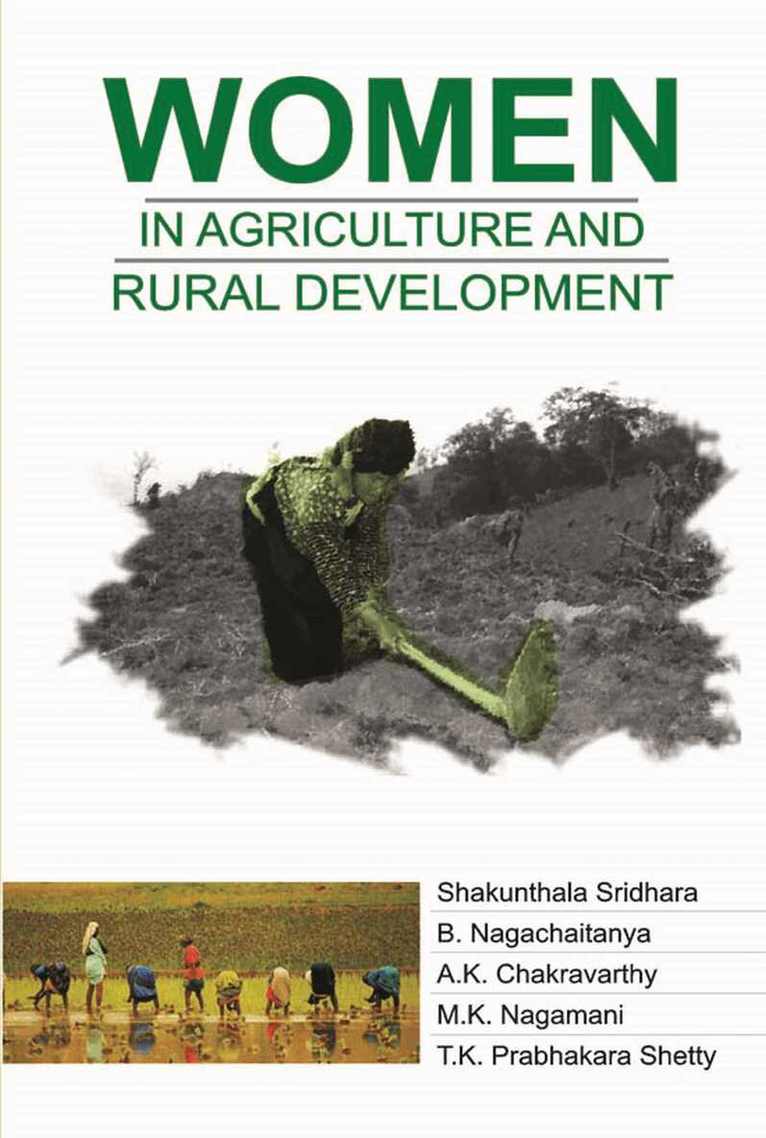
Traditionally womens role in agriculture is staggering with nearly half of the population involved in agriculture and its related activities. Most of the agricultural activities are women specific but tragically worldwide women mostly end up as hired agricultural labourers with substantial gender disparity in wages earning far less than men in the same job. To add to her economic woes, inadequate education, less than satisfactory dissemination of technology, globalization, economic liberalization, commercialization, urbanization, political instability, natural disasters, mechanization of agriculture, decreased agriculture, migration of men to urban areas, and occupational health hazards such as prolonged hours of physical labour resulting in musculo-skeletal injuries, pesticide poisoning also make the life of rural women miserable. True, there are policies and programmes of central and state government to alleviate their problems but they are proportionately insufficient and their execution far from satisfactory. Much needs to be done in disseminating gender segregated data and gender bias in all aspects of agriculture, access to resources including land and natural resources, drudgery reduction, assuring nutritional security, diversification of activities of Self Health Groups and Street Shakti groups with emphasis on productivity including post harvest technology, creation of marketing facilities, ownership to land and other allied resources rural electrification, outreach from the media, collectives of women and inter linking of SHGs, adult literacy, health awareness, gender sensitization of extension functionaries and financials institutions, awareness about pesticide hazard etc. Tragically rural women are not vociferous on issues like foetal killing of female unborn, high rate of female mortality, creation of Special Economic Zones replacing productive lands, farmers suicide and the plight of their widows, fate of pavement vendors and petty shop keepers replaced by retail outlets of big business houses, etc. The struggle cannot be won by only educated and Non Government Organizations on their behalf. The affected and victimized have to fight directly against the injustice they are facing. Extension workers and NGOs need to help them to become aware of their rights and government programmes specially designed for them and motivate them to redress their problems on their own. This needs scientifically collected information on their problems and relief measures available. The book, Women in Agriculture and Rural Development is a sincere attempt in this endeavour. It has valuable s on gender inequality in agriculture, technological and economic empowerment of women, poverty alleviation and training programmes, role of SHGs and Street Shakti Groups in rural development, capacity building, nutritional profile of rural women, drudgery and its reduction, natural resources conservation and food security.