B. Tibi – författare
Visar alla böcker från författaren B. Tibi. Handla med fri frakt och snabb leverans.
8 produkter
8 produkter
E-bok
PDF, Engelska, 19971 416 kr
Läs direkt efter köp
The third edition includes a new Part Five on the tensions between Arab nationalism and Islam arising from the crisis of the nation-state and of the de-legitimisation of Pan-Arab regimes. The effects of the Arab defeat in the Six-Day War 1967 and the rise of political Islam in the 1970s are the focus of the new part. The background of the analysis of the impact and function of nationalism and its contribution to social and political change in the Third World, taking the rise of nationalism in the Middle East as a historical example. Professor Tibi concentrates on the period after the First World War, when many Arab intellectuals became disillusioned with Britain and France as a result of the occupation of their countries. One focus of this study are the writings and influence of Sati'' al-Husri on Middle Eastern politics. Professor Tibi illustrates the connection between modern Arab nationalism and nineteenth-century German Romantic nationalism, which will be of particular interest to the English reader. Professor Tibi concludes that while nationalism has played a necessary and important role in the movement for national independence in the Middle East, it has since developed into an ideology which seems to obstruct further social and political emancipation. This third edition, brought completely up to date by a substantial new introduction and two new concluding chapters, will be of particular interest to historians and social scientists dealing with nationalism and crises of the nation-state as well as to students of the Middle East and contemporary Islam.
E-bok
PDF, Engelska, 20011 416 kr
Läs direkt efter köp
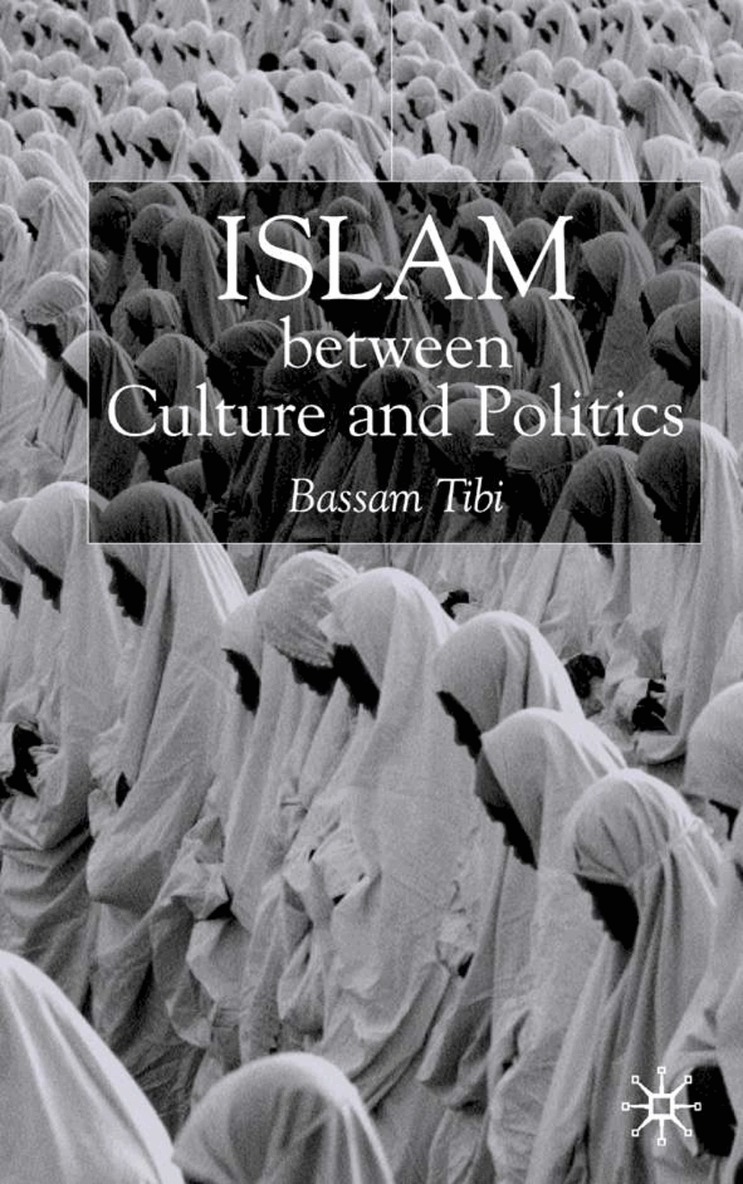
Bassam Tibi offers a radical solution to the problems faced by Islam in a rapidly changing and globalizing world. He proposes a depoliticization of the faith and the introduction of reforms to embrace secular democracy, pluralism, civil society and individual human rights. The alternative to this is the impasse of fundamentalism. The pivotal argument is that Islam is being torn between the pressure for cultural innovation and a defensive move towards the politicization of its symbols for non-religious ends.
Häftad, Engelska, 1997
832 kr
Skickas
The third edition includes a new Part Five on the tensions between Arab nationalism and Islam arising from the crisis of the nation-state and of the de-legitimisation of Pan-Arab regimes. The effects of the Arab defeat in the Six-Day War 1967 and the rise of political Islam in the 1970s are the focus of the new part. The background of the analysis of the impact and function of nationalism and its contribution to social and political change in the Third World, taking the rise of nationalism in the Middle East as a historical example. Professor Tibi concentrates on the period after the First World War, when many Arab intellectuals became disillusioned with Britain and France as a result of the occupation of their countries. One focus of this study are the writings and influence of Sati' al-Husri on Middle Eastern politics. Professor Tibi illustrates the connection between modern Arab nationalism and nineteenth-century German Romantic nationalism, which will be of particular interest to the English reader. Professor Tibi concludes that while nationalism has played a necessary and important role in the movement for national independence in the Middle East, it has since developed into an ideology which seems to obstruct further social and political emancipation. This third edition, brought completely up to date by a substantial new introduction and two new concluding chapters, will be of particular interest to historians and social scientists dealing with nationalism and crises of the nation-state as well as to students of the Middle East and contemporary Islam.
Inbunden, Engelska, 1997
1 112 kr
Skickas inom 10-15 vardagar
The third edition includes a new Part Five on the tensions between Arab nationalism and Islam arising from the crisis of the nation-state and of the de-legitimisation of Pan-Arab regimes. The effects of the Arab defeat in the Six-Day War 1967 and the rise of political Islam in the 1970s are the focus of the new part. The background of the analysis of the impact and function of nationalism and its contribution to social and political change in the Third World, taking the rise of nationalism in the Middle East as a historical example. Professor Tibi concentrates on the period after the First World War, when many Arab intellectuals became disillusioned with Britain and France as a result of the occupation of their countries. One focus of this study are the writings and influence of Sati' al-Husri on Middle Eastern politics. Professor Tibi illustrates the connection between modern Arab nationalism and nineteenth-century German Romantic nationalism, which will be of particular interest to the English reader. Professor Tibi concludes that while nationalism has played a necessary and important role in the movement for national independence in the Middle East, it has since developed into an ideology which seems to obstruct further social and political emancipation. This third edition, brought completely up to date by a substantial new introduction and two new concluding chapters, will be of particular interest to historians and social scientists dealing with nationalism and crises of the nation-state as well as to students of the Middle East and contemporary Islam.
Inbunden, Engelska, 2001
1 079 kr
Skickas inom 10-15 vardagar
Bassam Tibi offers a radical solution to the problems faced by Islam in a rapidly changing and globalizing world. He proposes a depoliticization of the faith and the introduction of reforms to embrace secular democracy, pluralism, civil society and individual human rights. The alternative to this is the impasse of fundamentalism. The pivotal argument is that Islam is being torn between the pressure for cultural innovation and a defensive move towards the politicization of its symbols for non-religious ends.
Häftad, Engelska, 2001
1 079 kr
Skickas inom 10-15 vardagar
Bassam Tibi offers a radical solution to the problems faced by Islam in a rapidly changing and globalizing world. He proposes a depoliticization of the faith and the introduction of reforms to embrace secular democracy, pluralism, civil society and individual human rights. The alternative to this is the impasse of fundamentalism. The pivotal argument is that Islam is being torn between the pressure for cultural innovation and a defensive move towards the politicization of its symbols for non-religious ends.
E-bok
PDF, Engelska, 1990665 kr
Läs direkt efter köp
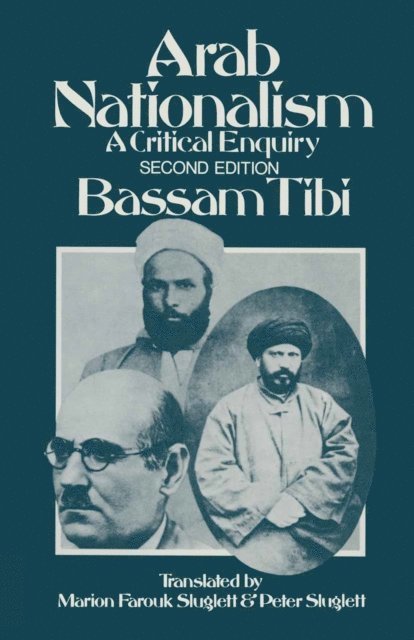
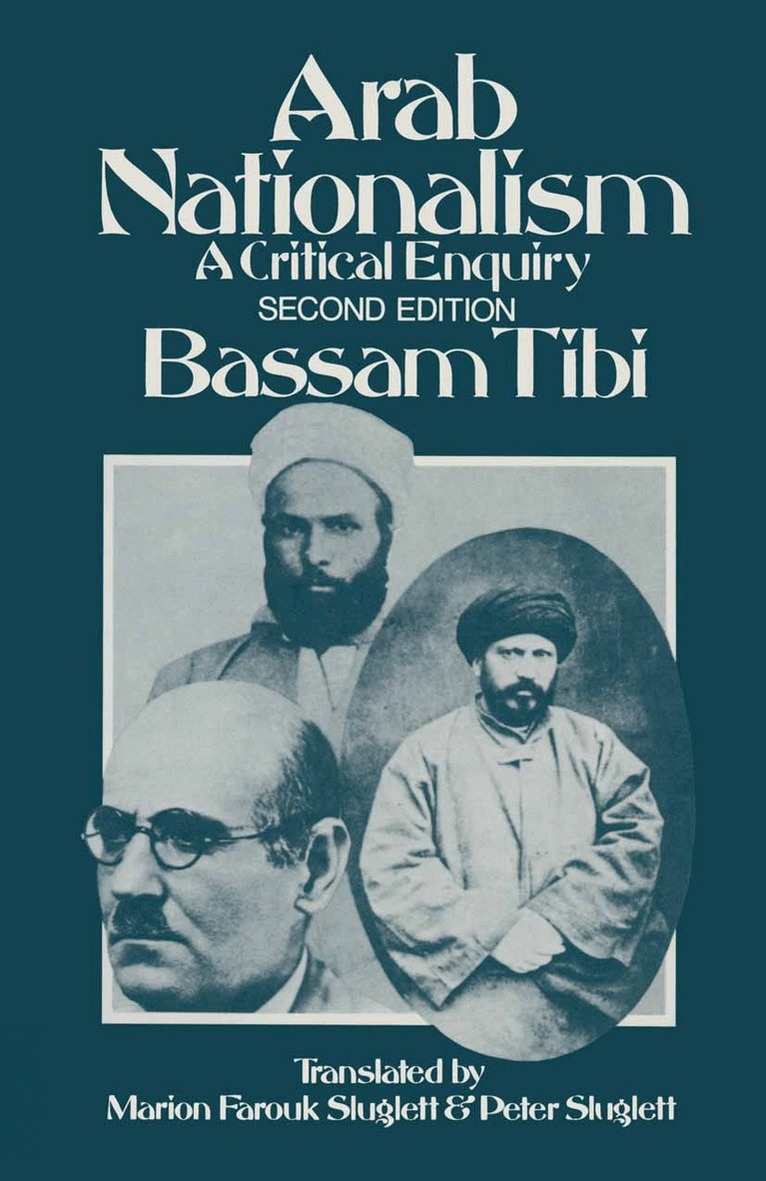
In this new edition Professor Tibi analyses the impact and function of nationalism and its contribution to social and political change in the Third World, taking the rise of nationalism in the Middle East as a historical example. He concentrates on the period after the First World War, when many Arab intellectuals became disillusioned with Britain and France as a result of the occupation of their countries. Professor Tibi''s careful study of the writings and influence of Sati'' al-Husri illustrates the connection between modern Arab nationalism and nineteenth century German Romantic nationalism, which will be of particular interest to the English reader. Professor Tibi concludes that while nationalism has played a necessary and important role in the movement for national independence in the Middle East, it has since developed into an ideology which seems to obstruct further social and political emancipation. This book will be of particular interest to historians and social scientists as well as to specialists in the area itself.
Häftad, Engelska, 1990
511 kr
Skickas inom 10-15 vardagar
In this new edition Professor Tibi analyses the impact and function of nationalism and its contribution to social and political change in the Third World, taking the rise of nationalism in the Middle East as a historical example. He concentrates on the period after the First World War, when many Arab intellectuals became disillusioned with Britain and France as a result of the occupation of their countries. Professor Tibi's careful study of the writings and influence of Sati' al-Husri illustrates the connection between modern Arab nationalism and nineteenth century German Romantic nationalism, which will be of particular interest to the English reader. Professor Tibi concludes that while nationalism has played a necessary and important role in the movement for national independence in the Middle East, it has since developed into an ideology which seems to obstruct further social and political emancipation. This book will be of particular interest to historians and social scientists as well as to specialists in the area itself.