Bálint Magyar – författare
Visar alla böcker från författaren Bálint Magyar. Handla med fri frakt och snabb leverans.
15 produkter
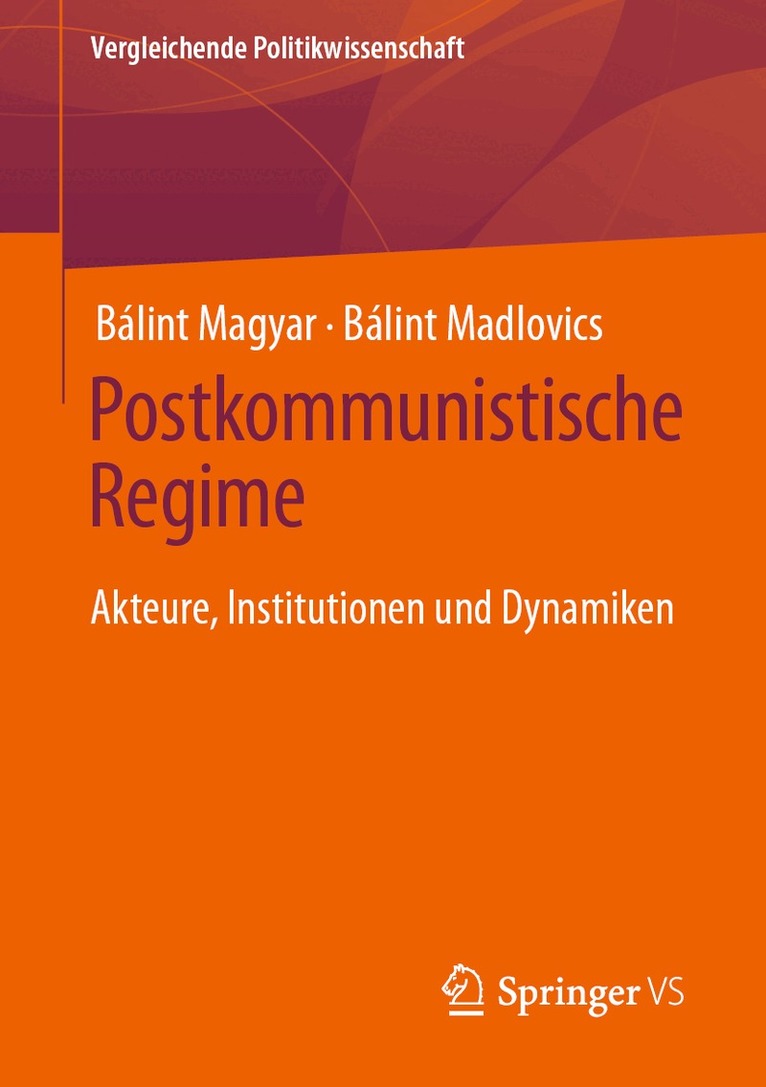
Postkommunistische Regime
Akteure, Institutionen und Dynamiken
Av Bálint Magyar, Bálint Madlovics
Häftad, 2023
793 kr
Lägg i varukorg
In 120 Thesen entwickelt das Buch einen konzeptionellen Rahmen mit einer Typologie post-kommunistischer Regime und einer detaillierten Darstellung von idealtypischen Akteuren und den politischen, wirtschaftlichen und sozialen Phänomenen in diesen Regimen. Befreit von den impliziten Annahmen der …
Postkommunistische Regime
Akteure, Institutionen und Dynamiken
Av Balint Madlovics, Balint Magyar
E-bok, 2023
766 kr
Lägg i varukorg
In 120 Thesen entwickelt das Buch einen konzeptionellen Rahmen mit einer Typologie post-kommunistischer Regime und einer detaillierten Darstellung von idealtypischen Akteuren und den politischen, wirtschaftlichen und sozialen Phänomenen in diesen Regimen. Befreit von den impliziten Annahmen der …
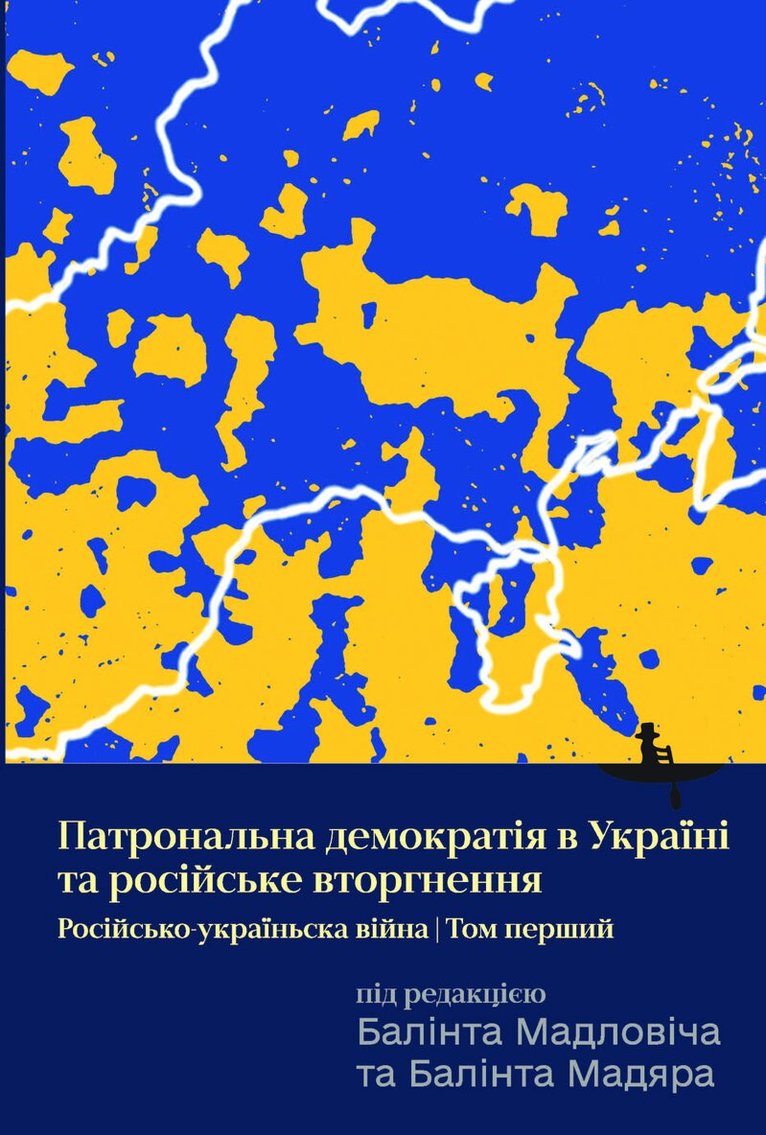
Patronal'naya demokratiya v Ukraine i rossiyskoye vtorzheniye
Av Bálint Madlovics, Bálint Magyar
Häftad, 2024
856 kr
Lägg i varukorg
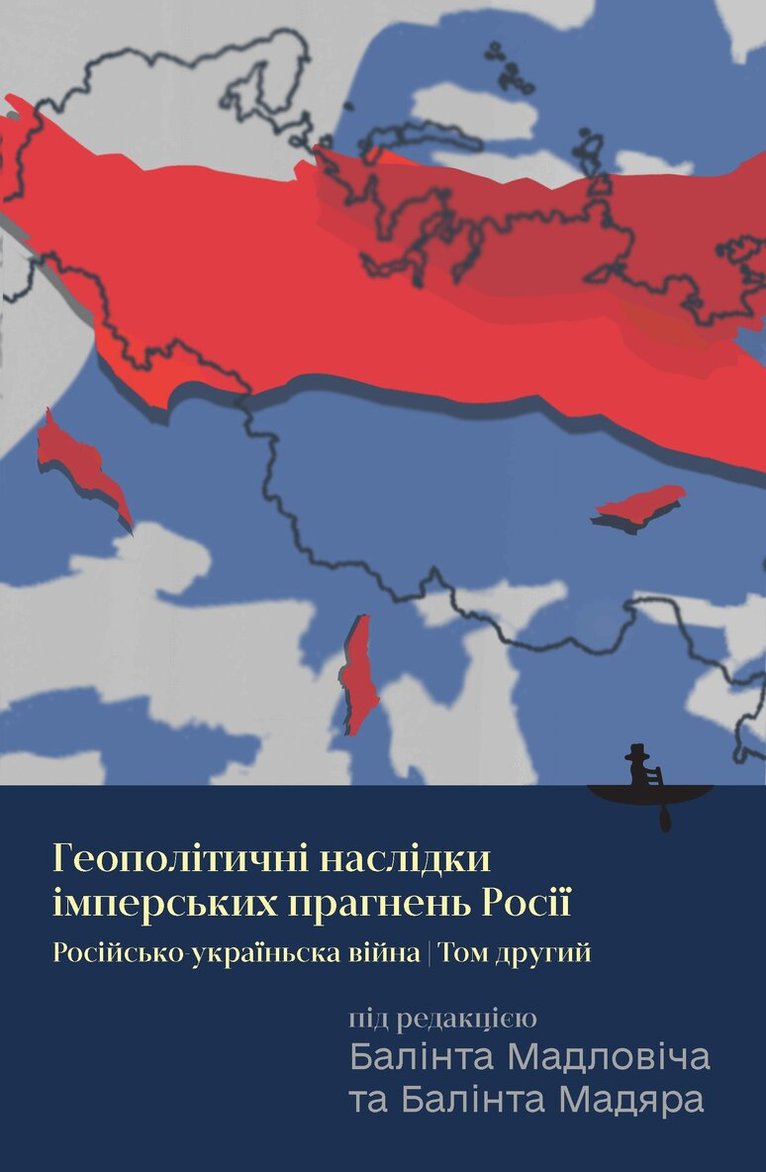
Imperskiye prityazaniya Rossii i ikh geopoliticheskiye posledstviya
Av Bálint Madlovics, Bálint Magyar
Häftad, 2024
856 kr
Lägg i varukorg
Post-Communist Mafia State
The Case of Hungary
Häftad, 2016
951 kr
Lägg i varukorg
In an article in 2001 the author analyzed the way Fidesz, the party on government for the first time then, was eliminating the institutional system of the rule of law. At that time, many readers doubted the legitimacy of the new approach, whose key categories were the 'organized over-world', the …
Twenty–Five Sides of a Post–Communist Mafia State
Av Bálint Magyar, Julia Vasarhelyi m. fl.
Häftad, 2017
1490 kr
Lägg i varukorg
The twenty-four essays accompany, illustrate and underpin the conceptual framework elaborated in Post-Communist Mafia State, published in conjunction with this volume. Leading specialists analyze the manifestations of the current political regime in Hungary from twenty-four angles.
Stubborn Structures
Reconceptualizing Post-Communist Regimes
Av Bálint Magyar, Balint Magyar
Häftad, 2019
1447 kr
Lägg i varukorg
The editor of this book has brought together contributions designed to capture the essence of post-communist politics in East-Central Europe and Eurasia. Rather than on the surface structures of nominal democracies, the nineteen essays focus on the informal, often intentionally hidden, disguised …
Anatomy of Post-Communist Regimes
A Conceptual Framework
Av Bálint Magyar, Bálint Madlovics
Häftad, 2020
1447 kr
Lägg i varukorg
Offering a single, coherent framework of the political, economic, and social phenomena that characterize post-communist regimes, this is the most comprehensive work on the subject to date. Focusing on Central Europe, the post-Soviet countries and China, the study provides a systematic mapping of …
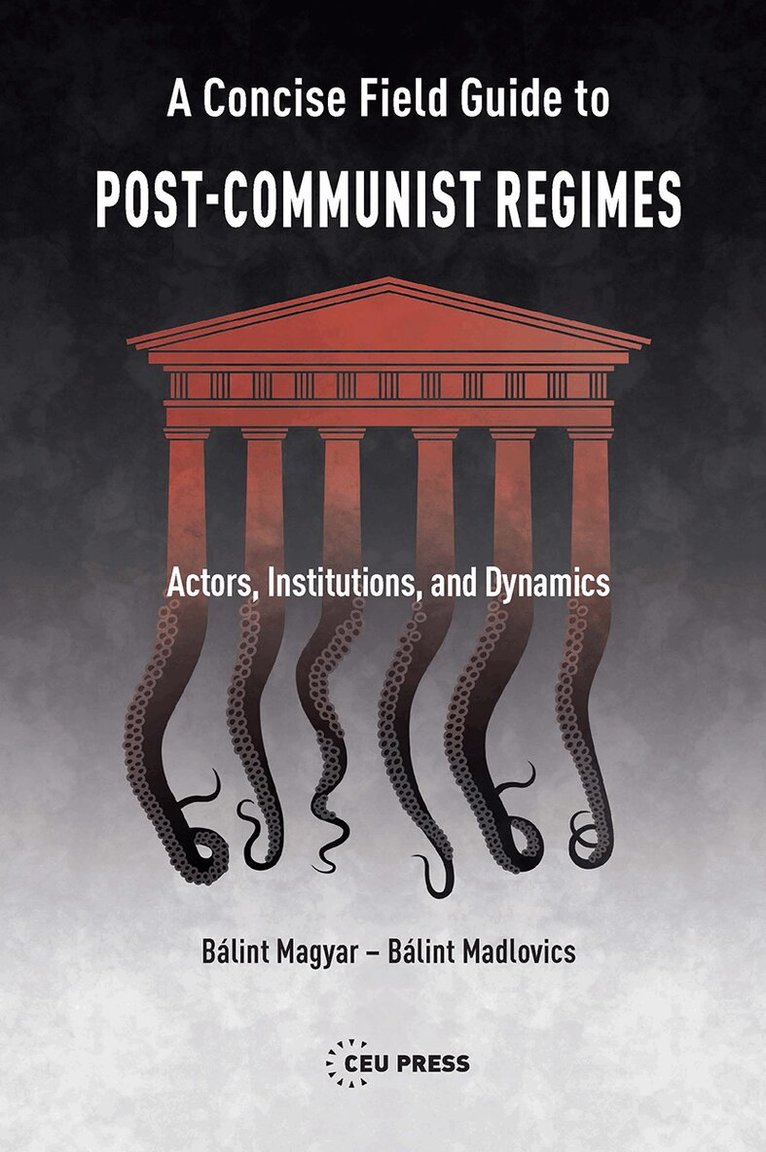
Concise Field Guide to Post-Communist Regimes
Actors, Institutions, and Dynamics
Av Bálint Magyar, Bálint Madlovics
Häftad, 2022
690 kr
Lägg i varukorg
While the literature of hybrid regimes has given up the presumption that post-communist countries must democratize, its language and concepts still mostly relate to Western democracies. Magyar and Madlovics strongly argue for a vocabulary and grammar tailored to the specifics of the region. In 120 …
Russia's Imperial Endeavor and Its Geopolitical Consequences
The Russia-Ukraine War, Volume Two
Av Bálint Madlovics, Bálint Magyar
Häftad, 2023
416 kr
Lägg i varukorg
Aside from the near-complete devastation of a sovereign state and reversal of the global balance of power, the Russian invasion of Ukraine in 2022 is leading to a radical transformation in the Eastern European and Eurasian regions – including Russia itself.The 13 chapters in this volume examine the …
Ukraine's Patronal Democracy and the Russian Invasion
The Russia-Ukraine War, Volume One
Av Bálint Madlovics, Bálint Magyar
Häftad, 2023
479 kr
Lägg i varukorg
The Russian invasion of Ukraine in 2022 jeopardizes the country's independence and its chances for Western-style development. However, the heroic attitude of the Ukrainian people, combined with a solidifying national identity, makes the domestic foundations for a western turn stronger than ever. …
Concise Field Guide to Post-Communist Regimes
Av Bálint Magyar, Bálint Madlovics
Häftad, 2025
365 kr
Lägg i varukorg
EN: The unanticipated and unsolicited Russian aggression against Ukraine in February 2022 highlighted the urgency of updating general assumptions about post-communist countries. The war has revealed the inadequacy of the terms and concepts employed for western democracies for describing, …
Ukraine’s Patronal Democracy and the Russian Invasion
The Russia-Ukraine War, Volume One
Av Bálint Magyar, Bálint Madlovics
Häftad, 2025
373 kr
Lägg i varukorg
Патрональна демократія в Україні та російське вторгнення. Російсько-українська війна. Том першийEN: The Russian invasion of Ukraine in 2022 jeopardizes the country's independence and its chances for Western-style development. However, the heroic attitude of the Ukrainian people, combined with a …
Russia's Imperial Endeavor and Its Geopolitical Consequences
The Russia-Ukraine War, Volume Two
Av Magyar, Bálint Madlovics m. fl.
Häftad, 2025
376 kr
Lägg i varukorg
Геополітичні наслідки імперських прагнень Росії. Російсько-українська війна. Том другий ENGAside from the near-complete devastation of a sovereign state and reversal of the global balance of power, the Russian invasion of Ukraine in 2022 is leading to a radical transformation in the Eastern …
Anatomy of Post-Communist Regimes
A Conceptual Framework
Av Bálint Magyar, Bálint Madlovics
Inbunden, 2020
1565 kr
Tillfälligt slut
Offering a single, coherent framework of the political, economic, and social phenomena that characterize post-communist regimes, this is the most comprehensive work on the subject to date. Focusing on Central Europe, the post-Soviet countries and China, the study provides a systematic mapping of …