Barbara C. Ewell – författare
Visar alla böcker från författaren . Handla med fri frakt och snabb leverans.
6 produkter
6 produkter
Inbunden, Engelska, 2017
1 040 kr
Skickas inom 10-15 vardagar
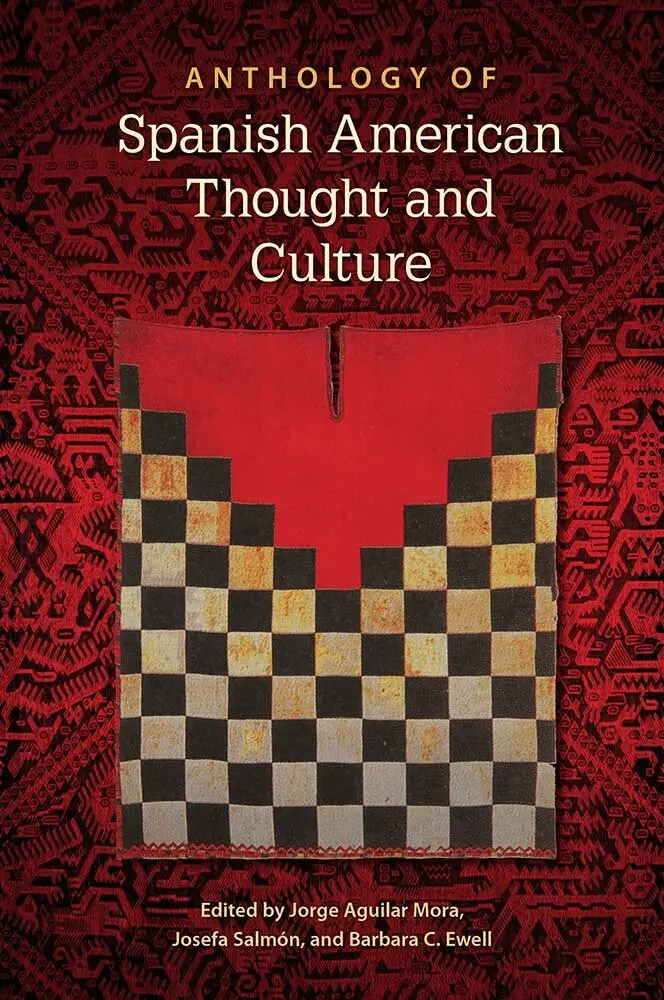
This anthology brings together more than sixty primary texts to offer an ambitious introduction to Spanish American thought and culture. Myths, poetry, memoirs, manifestos, and fiction are translated from Spanish to English, some for the first time. From disciplines including history, politics, anthropology, religion, literature, art, and architecture and written by famous historical figures such as Simón Bolívar, José Martí, and Che Guevara alongside lesser-known individuals, the texts are united by a shared quest for cultural identity. Representing many different moments in the complex history of an extraordinary region, the key question the texts in this volume confront is “Who are we?” The answers are often surprising.
Häftad, Engelska, 2020
337 kr
Skickas inom 10-15 vardagar
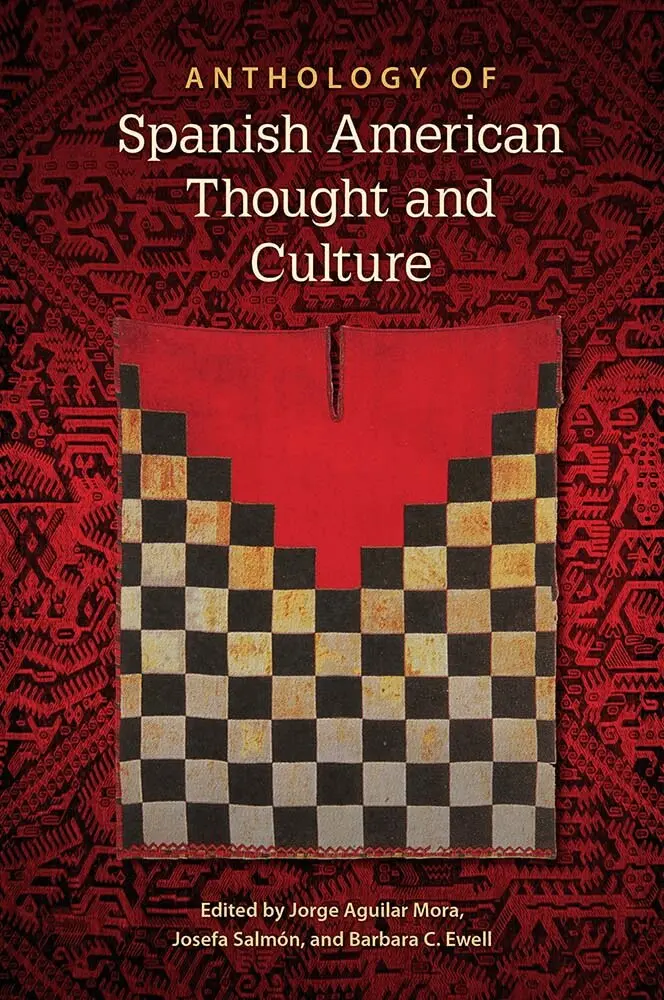
This anthology brings together more than sixty primary texts to offer an ambitious introduction to Spanish American thought and culture. Myths, poetry, memoirs, manifestos, and fiction are translated from Spanish to English, some for the first time.
Häftad, Engelska, 2002
665 kr
Skickas inom 3-6 vardagar
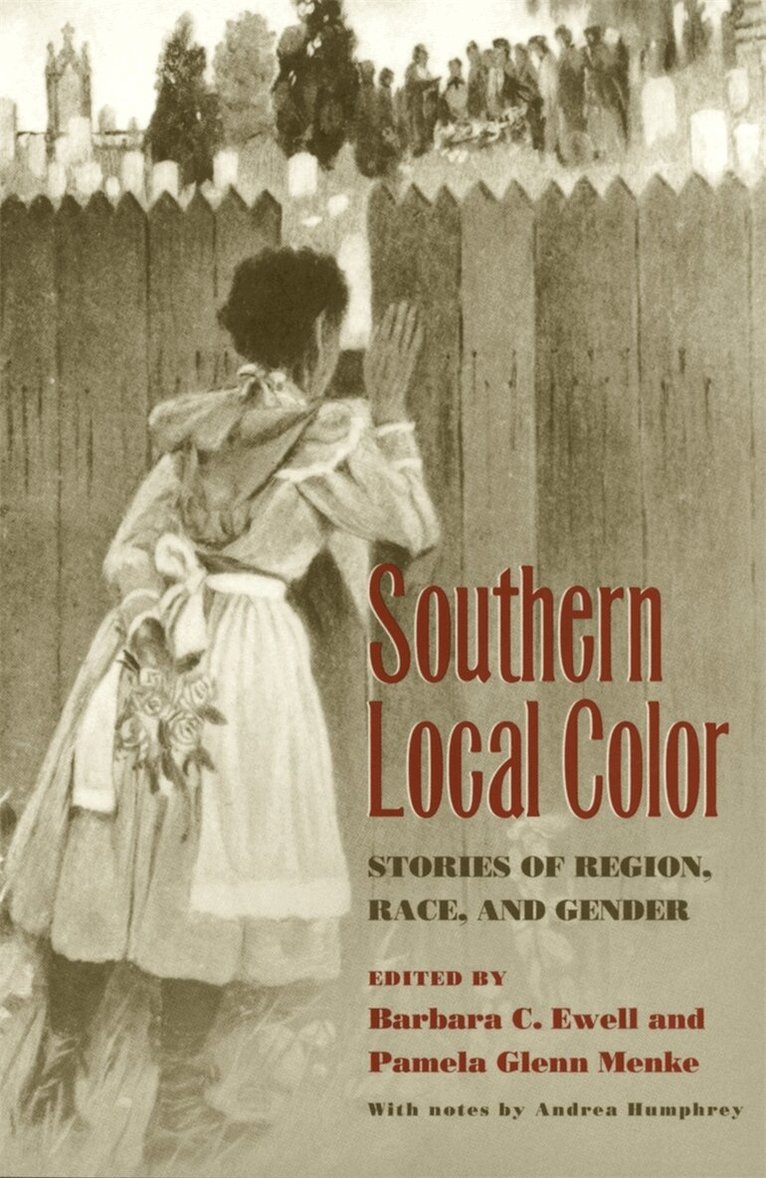
Conflict, exoticism, sensuality, eccentricity, and the sheer differences of the American South pervade this lively anthology, the first in fifty years to focus exclusively on the nineteenth-century tradition of southern local color. Its thirty-one stories, spanning the 1870s through the early 1900s, represent some of the best southern fiction to appear during the great flowering of American local color writing.The fifteen authors included here are those most admired by their contemporaries. Modern readers may recognize Kate Chopin, author of The Awakening; Charles Chesnutt, the courageous and gifted African American writer; or Joel Chandler Harris, whose Uncle Remus and Br'er Rabbit tales have remained continually in print. However some authors like suffragist Sarah Barnwell Elliott, are virtually unknown today, while others, like African Americans Paul Laurence Dunbar and Alice Dunbar-Nelson, are known primarily as poets or diarists.The editors' extensive introduction locates the stories in the context of contemporary and current history and culture, and each selection of tales begins with detailed information on the author. Also included are bibliographies and extensive notes. Showcasing the many styles, topics, and settings of southern local color, the anthology reconnects us to an unjustly neglected literary tradition. As the editors make clear, such tales of the South were essential to post-Civil War America's struggle to address—yet contain—cultural and geographic variety, racial mixtures, and the just clamor of women and African Americans for equality.From George Washington Cable's New Orleans to Thomas Nelson Page's Tidewater Virginia to the Appalachians imagined by Sherwood Bonner, these stories engage nation-shaping themes—war, segregation, immigration, depression, and suffrage—at the personal and community levels. In Southern Local Color we have a unique forum for pondering a timeless American question: how to reconcile our diversities with a unified national identity.
Inbunden, Engelska, 2017
1 794 kr
Skickas inom 3-6 vardagar
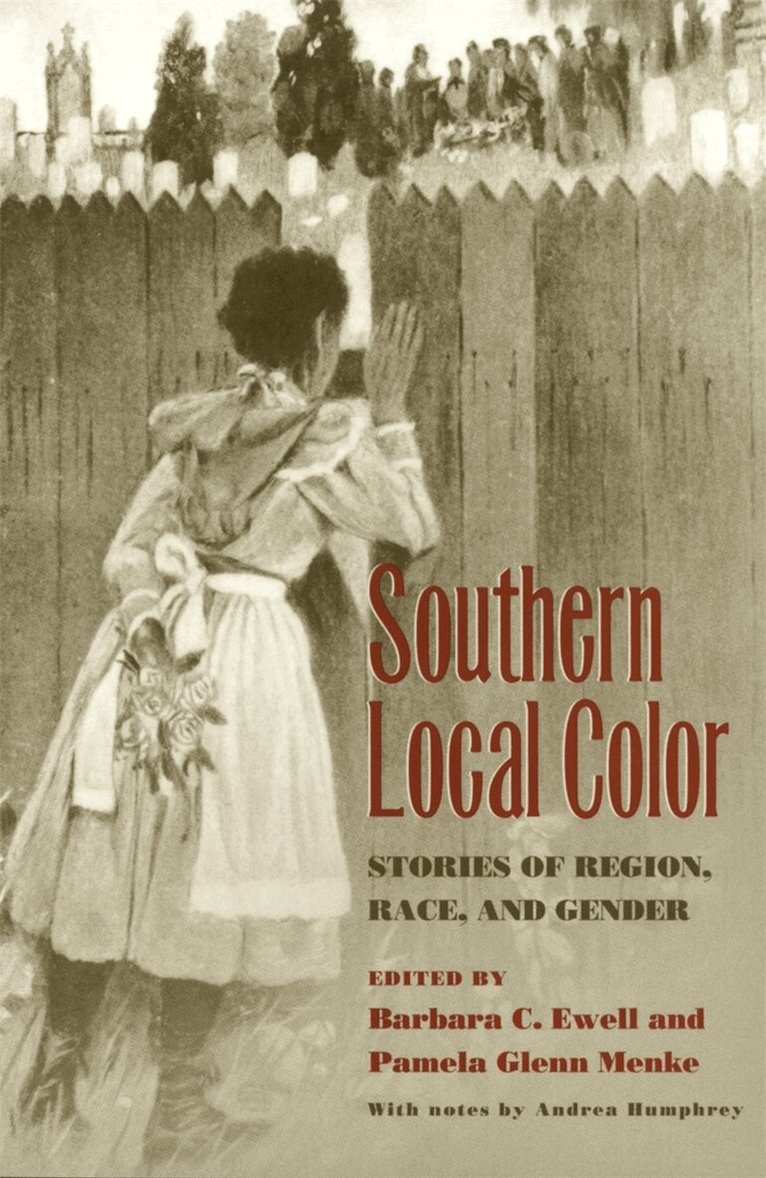
Conflict, exoticism, sensuality, eccentricity, and the sheer differences of the American South pervade this lively anthology, the first in fifty years to focus exclusively on the nineteenth-century tradition of southern local color. Its thirty-one stories, spanning the 1870s through the early 1900s, represent some of the best southern fiction to appear during the great flowering of American local color writing.The fifteen authors included here are those most admired by their contemporaries. Modern readers may recognize Kate Chopin, author of The Awakening; Charles Chesnutt, the courageous and gifted African American writer; or Joel Chandler Harris, whose Uncle Remus and Br'er Rabbit tales have remained continually in print. However some authors like suffragist Sarah Barnwell Elliott, are virtually unknown today, while others, like African Americans Paul Laurence Dunbar and Alice Dunbar-Nelson, are known primarily as poets or diarists.The editors' extensive introduction locates the stories in the context of contemporary and current history and culture, and each selection of tales begins with detailed information on the author. Also included are bibliographies and extensive notes. Showcasing the many styles, topics, and settings of southern local color, the anthology reconnects us to an unjustly neglected literary tradition. As the editors make clear, such tales of the South were essential to post-Civil War America's struggle to address—yet contain—cultural and geographic variety, racial mixtures, and the just clamor of women and African Americans for equality.From George Washington Cable's New Orleans to Thomas Nelson Page's Tidewater Virginia to the Appalachians imagined by Sherwood Bonner, these stories engage nation-shaping themes—war, segregation, immigration, depression, and suffrage—at the personal and community levels. In Southern Local Color we have a unique forum for pondering a timeless American question: how to reconcile our diversities with a unified national identity.
Inbunden, Engelska, 2018
1 269 kr
Skickas inom 10-15 vardagar
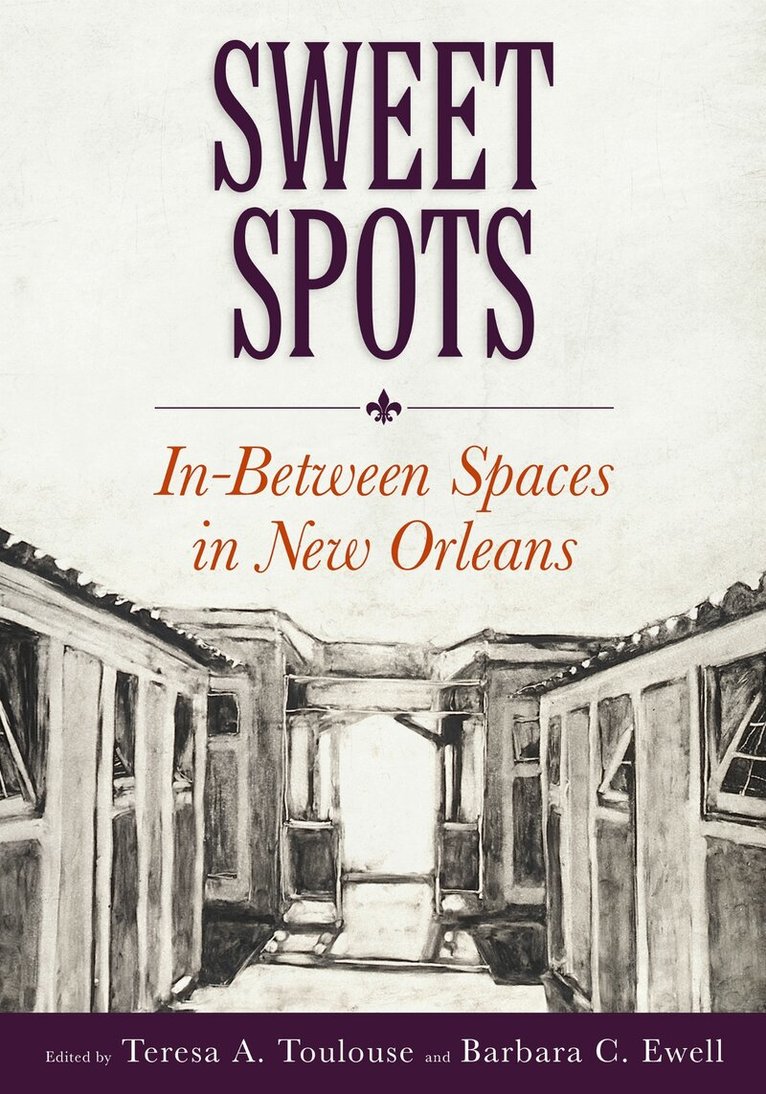
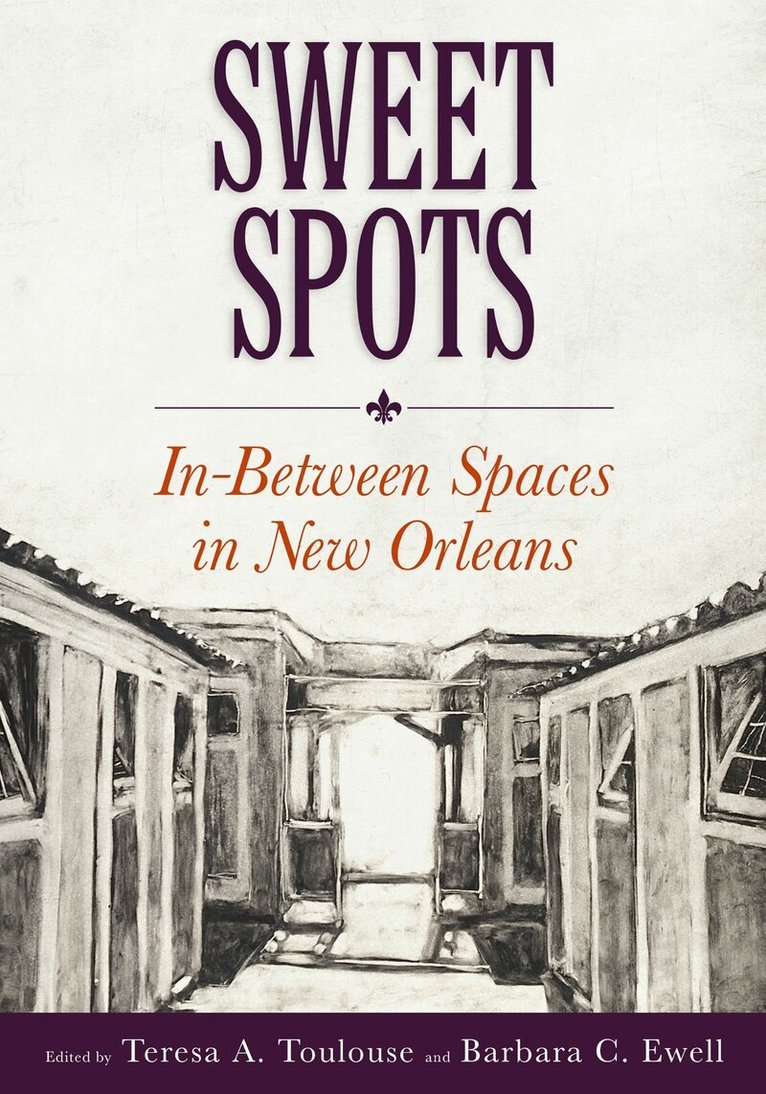
Contributions by Carrie Bernhard, Scott Bernhard, Marilyn R. Brown, Richard Campanella, John P. Clark, Joel Dinerstein, Pableaux Johnson, John P. Klingman, Angel Adams Parham, Bruce Boyd Raeburn, Ruth Salvaggio, Christopher Schaberg, Teresa A. Toulouse, and Beth WillingerMuch has been written about New Orleans's distinctive architecture and urban fabric, as well as the city's art, literature, and music. There is, however, little discussion connecting these features. Sweet Spots--a title drawn from jazz musicians' name for the space ""in-between"" performers and dancers where music best resonates--provides multiple connections between the city's spaces, its complex culture, and its future.Drawing on the late Tulane architect Malcolm Heard's ideas about ""interstitial"" spaces, this collection examines how a variety of literal and represented ""in-between"" spaces in New Orleans have addressed race, class, gender, community, and environment. As scholars of architecture, art, African American studies, English, history, jazz, philosophy, and sociology, the authors incorporate materials from architectural history and practice, literary texts, paintings, drawings, music, dance, and even statistical analyses. Interstitial space refers not only to functional elements inside and outside of many New Orleans houses--high ceilings, hidden staircases, galleries, and courtyards--but also to compelling spatial relations between the city's houses, streets, and neighborhoods.Rich with visual materials, Sweet Spots reveals the ways that diverse New Orleans spaces take on meanings and accrete stories that promote certain consequences both for those who live in them and for those who read such stories. The volume evokes, preserves, criticizes, and amends understanding of a powerful and often-missed feature of New Orleans's elusive reality.
Häftad, Engelska, 2018
446 kr
Skickas inom 5-8 vardagar
Contributions by Carrie Bernhard, Scott Bernhard, Marilyn R. Brown, Richard Campanella, John P. Clark, Joel Dinerstein, Pableaux Johnson, John P. Klingman, Angel Adams Parham, Bruce Boyd Raeburn, Ruth Salvaggio, Christopher Schaberg, Teresa A. Toulouse, and Beth WillingerMuch has been written about New Orleans's distinctive architecture and urban fabric, as well as the city's art, literature, and music. There is, however, little discussion connecting these features. Sweet Spots--a title drawn from jazz musicians' name for the space ""in-between"" performers and dancers where music best resonates--provides multiple connections between the city's spaces, its complex culture, and its future.Drawing on the late Tulane architect Malcolm Heard's ideas about ""interstitial"" spaces, this collection examines how a variety of literal and represented ""in-between"" spaces in New Orleans have addressed race, class, gender, community, and environment. As scholars of architecture, art, African American studies, English, history, jazz, philosophy, and sociology, the authors incorporate materials from architectural history and practice, literary texts, paintings, drawings, music, dance, and even statistical analyses. Interstitial space refers not only to functional elements inside and outside of many New Orleans houses--high ceilings, hidden staircases, galleries, and courtyards--but also to compelling spatial relations between the city's houses, streets, and neighborhoods.Rich with visual materials, Sweet Spots reveals the ways that diverse New Orleans spaces take on meanings and accrete stories that promote certain consequences both for those who live in them and for those who read such stories. The volume evokes, preserves, criticizes, and amends understanding of a powerful and often-missed feature of New Orleans's elusive reality.