Barbara Lawton – författare
358 kr
Läs direkt efter köp
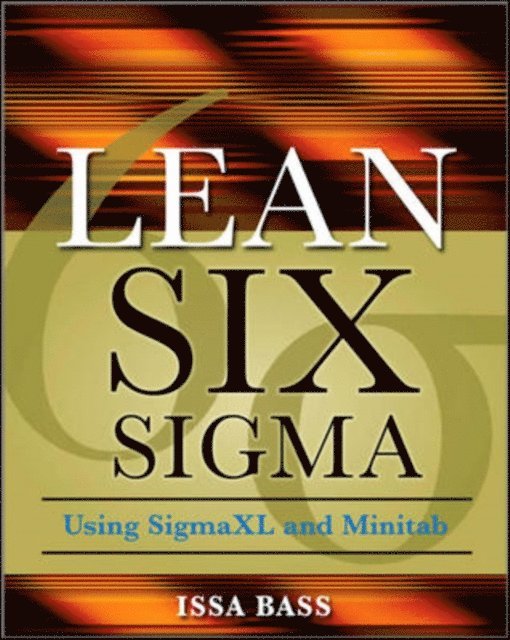
Effectively Execute Lean Six Sigma Projects using SigmaXL and Minitab
Written by a Six Sigma Master Black Belt and a Ph.D., this practical guide to Lean Six Sigma project execution follows the DMAIC (Define, Measure, Analyze, Improve, and Control) roadmap. The many real-world examples used in the book offer in-depth theoretical analyses and are implemented using the two most popular statistical software suites--SigmaXL and Minitab. This expert resource covers Lean topics ranging from basic data analysis to complex design of experiments and statistical process control. Harness the power of SigmaXL and Minitab and enable sustained positive operational results throughout your organization with help from this authoritative guide.
Lean Six Sigma Using SigmaXL and Minitab explains how to:
Define the project goals, project manager, value statement, stakeholders, and riskSchedule tasks using the Gantt chart, critical path analysis, and program evaluation and review techniqueCapture the voice of internal and external customersAssess the cost of qualityGather data and measure process performancePerform process capabilities analysisApply Lean Six Sigma metrics to determine baseline performanceImplement analysis techniques such as Pareto analysis, value stream mapping, failure mode and effect analysis (FMEA), and regression analysisIdentify constraints via factorial experiments, and implement process improvementsMonitor production performance using statistical process control3 881 kr
Skickas inom 3-6 vardagar
`This is a thought-provoking collection of contributions, some critically examining aspects of supervision that have previously been well established and some identifying controversies in working practice' - Counselling
`This book lives up to its claim to be a timely and thought-provoking evaluation of contemporary supervisory practices and structures in counselling and psychotherapy' - John Hopton, Therapeutic Communities
This book evaluates supervisory structures and practices in the light of recent research and experiences. It provides counsellors and psychotherapists with a considered examination of the supervision process and draws attention to those aspects of supervision that may benefit from critical analysis and reform.
The first part of the book explores some inherent difficulties that may impinge upon the effectiveness of supervision, while the second part identifies debates relating to working practice, and the impact of the cultural environments in which counselling is now taking place. In the final chapter, key figures in counselling and psychotherapy contribute short pieces outlining what they feel will be significant issues for supervisory practice in its next phase of development.
1 491 kr
Skickas inom 3-6 vardagar
`This is a thought-provoking collection of contributions, some critically examining aspects of supervision that have previously been well established and some identifying controversies in working practice' - Counselling
`This book lives up to its claim to be a timely and thought-provoking evaluation of contemporary supervisory practices and structures in counselling and psychotherapy' - John Hopton, Therapeutic Communities
This book evaluates supervisory structures and practices in the light of recent research and experiences. It provides counsellors and psychotherapists with a considered examination of the supervision process and draws attention to those aspects of supervision that may benefit from critical analysis and reform.
The first part of the book explores some inherent difficulties that may impinge upon the effectiveness of supervision, while the second part identifies debates relating to working practice, and the impact of the cultural environments in which counselling is now taking place. In the final chapter, key figures in counselling and psychotherapy contribute short pieces outlining what they feel will be significant issues for supervisory practice in its next phase of development.