Barry Dainton – författare
Visar alla böcker från författaren Barry Dainton. Handla med fri frakt och snabb leverans.
22 produkter
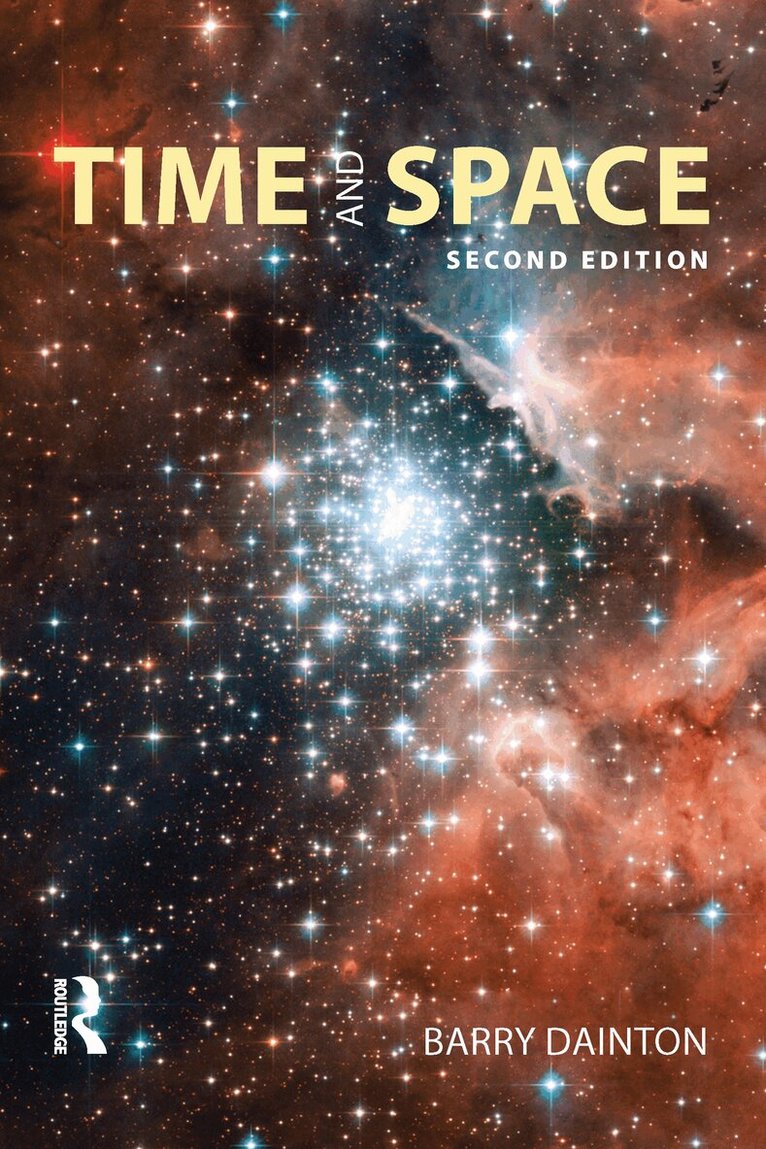
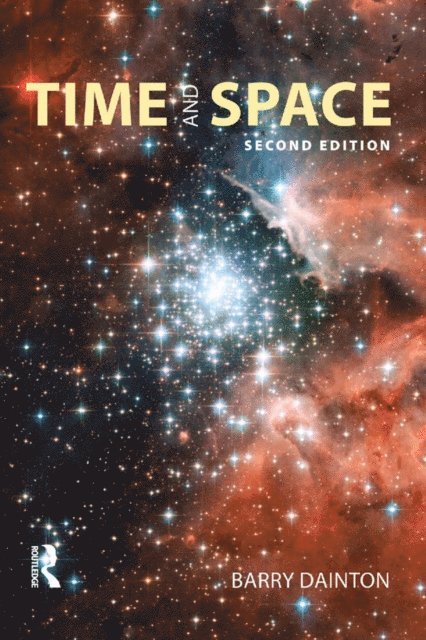
Time and Space
Häftad, 2010
649 kr
Lägg i varukorg
The first edition (2001) of this title quickly established itself on courses on the philosophy of time and space. This fully revised and expanded new edition sees the addition of chapters on Zeno's paradoxes, speculative contemporary developments in physics, and dynamic time, making the second …
Phenomenal Self
E-bok, 2008
592 kr
Lägg i varukorg
Barry Dainton presents a fascinating new account of the self, the key to which is experiential or phenomenal continuity.Provided our mental life continues we can easily imagine ourselves surviving the most dramatic physical alterations, or even moving from one body to another. It was this fact that …
Phenomenal Self
E-bok, 2008
605 kr
Lägg i varukorg
Barry Dainton presents a fascinating new account of the self, the key to which is experiential or phenomenal continuity.Provided our mental life continues we can easily imagine ourselves surviving the most dramatic physical alterations, or even moving from one body to another. It was this fact that …
The Phenomenal Self
Inbunden, 2008
3085 kr
Lägg i varukorg
Barry Dainton presents a fascinating new account of the self, the key to which is experiential or phenomenal continuity. Provided our mental life continues we can easily imagine ourselves surviving the most dramatic physical alterations, or even moving from one body to another. It was this fact …
The Phenomenal Self
Häftad, 2011
862 kr
Lägg i varukorg
Barry Dainton presents a fascinating new account of the self, the key to which is experiential or phenomenal continuity.Provided our mental life continues we can easily imagine ourselves surviving the most dramatic physical alterations, or even moving from one body to another. It was this fact that …
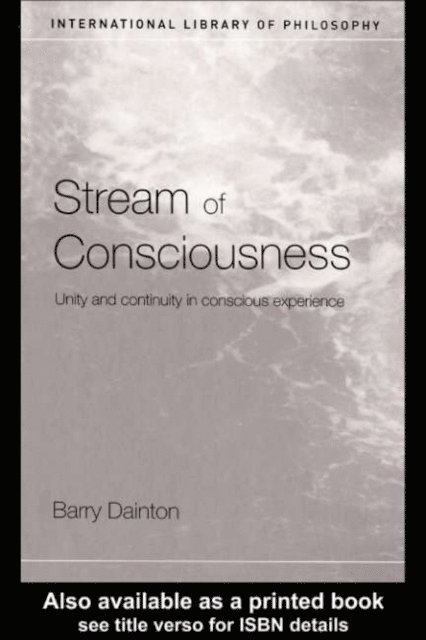
Stream of Consciousness
Unity and Continuity in Conscious Experience
Inbunden, 2000
2504 kr
Lägg i varukorg
Stream of Consciousness is about the phenomenology of conscious experience. Barry Dainton shows us that stream of consciousness is not a mosaic of discrete fragments of experience, but rather an interconnected flowing whole. Through a deep probing into the nature of awareness, introspection, …
Stream of Consciousness
Unity and Continuity in Conscious Experience
Häftad, 2005
924 kr
Lägg i varukorg
Barry Dainton’s controversial and highly original Stream of Consciousness aroused considerable interest when it was first published. This new paperback edition includes a postscript in which Dainton responds to some of his critics. Despite the recent upsurge of interest in consciousness, most of …
Self
Philosophy In Transit
E-bok, 2014
108 kr
Lägg i varukorg
In the third in a new series of short, provoking books of original philosophy, acclaimed thinker Barry Dainton takes us through the nature of SelfWhen you think 'What am I?', what's actually doing the thinking? Is it a soul, or some other kind of mental entity separate from your body, or are 'you' …
Stream of Consciousness
Unity and Continuity in Conscious Experience
E-bok, 2002
970 kr
Lägg i varukorg
Stream of Consciousness is about the phenomenology of conscious experience. Barry Dainton shows us that stream of consciousness is not a mosaic of discrete fragments of experience, but rather an interconnected flowing whole. Through a deep probing into the nature of awareness, introspection, …
Stream of Consciousness
Unity and Continuity in Conscious Experience
E-bok, 2002
970 kr
Lägg i varukorg
Stream of Consciousness is about the phenomenology of conscious experience. Barry Dainton shows us that stream of consciousness is not a mosaic of discrete fragments of experience, but rather an interconnected flowing whole. Through a deep probing into the nature of awareness, introspection, …
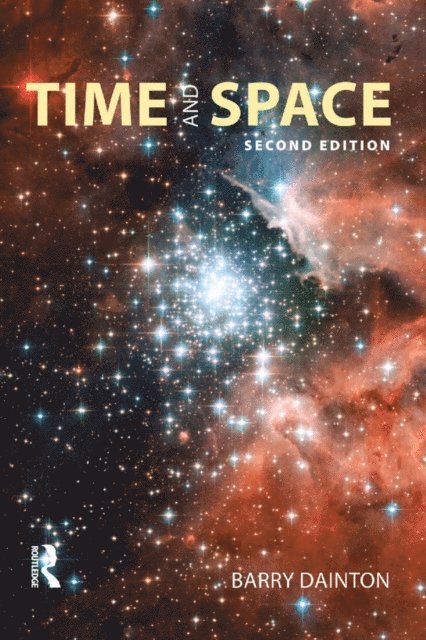
Time and Space
E-bok, 2016
676 kr
Lägg i varukorg
The first edition (2001) of this title quickly established itself on courses on the philosophy of time and space. This fully revised and expanded new edition sees the addition of chapters on Zeno''s paradoxes, speculative contemporary developments in physics, and dynamic time, making the second …
Time and Space
E-bok, 2016
676 kr
Lägg i varukorg
The first edition (2001) of this title quickly established itself on courses on the philosophy of time and space. This fully revised and expanded new edition sees the addition of chapters on Zeno''s paradoxes, speculative contemporary developments in physics, and dynamic time, making the second …
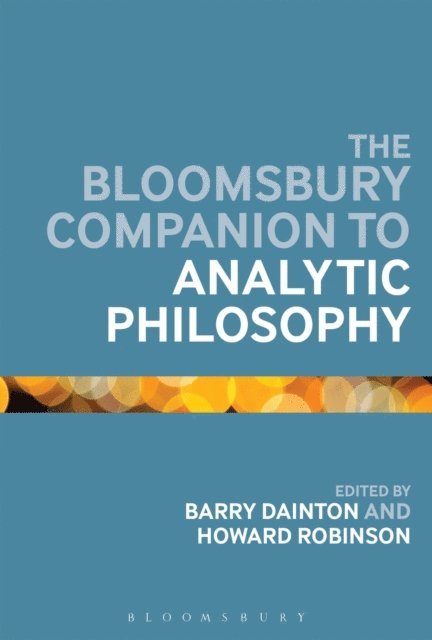
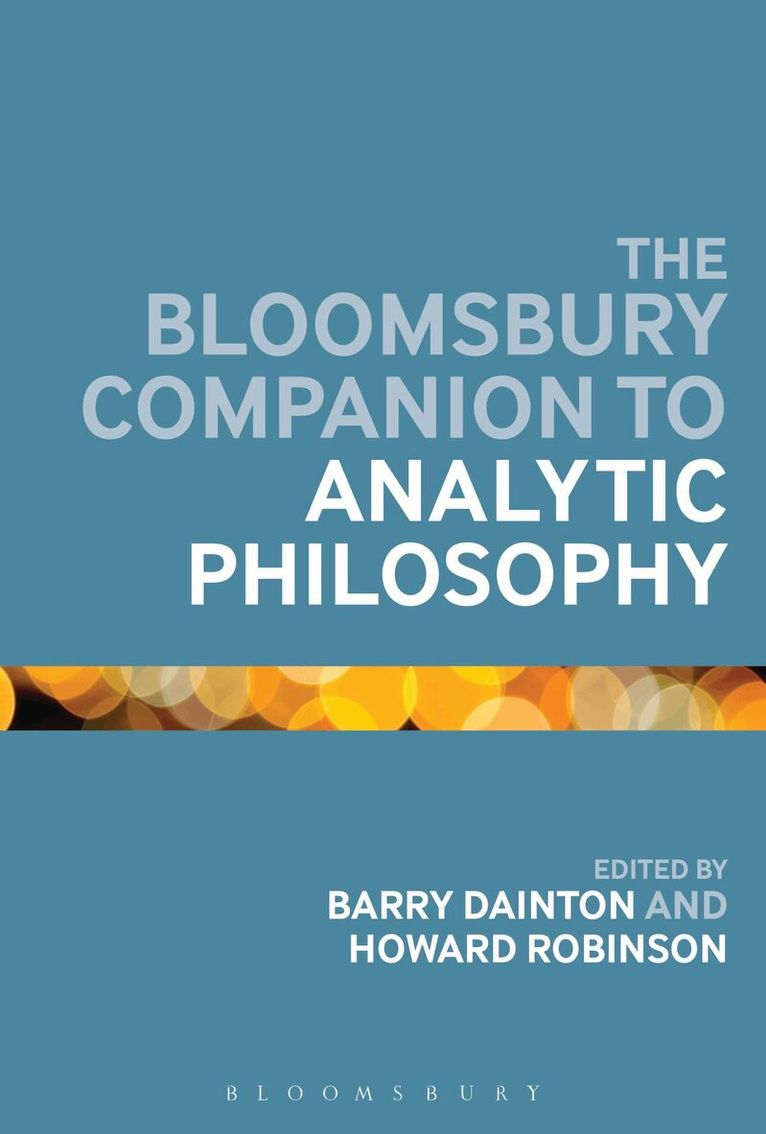
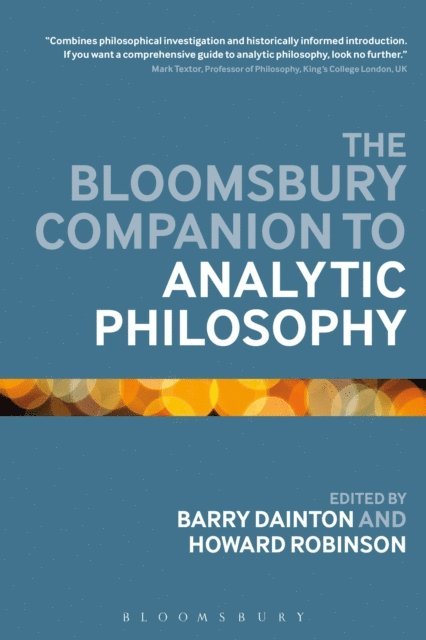
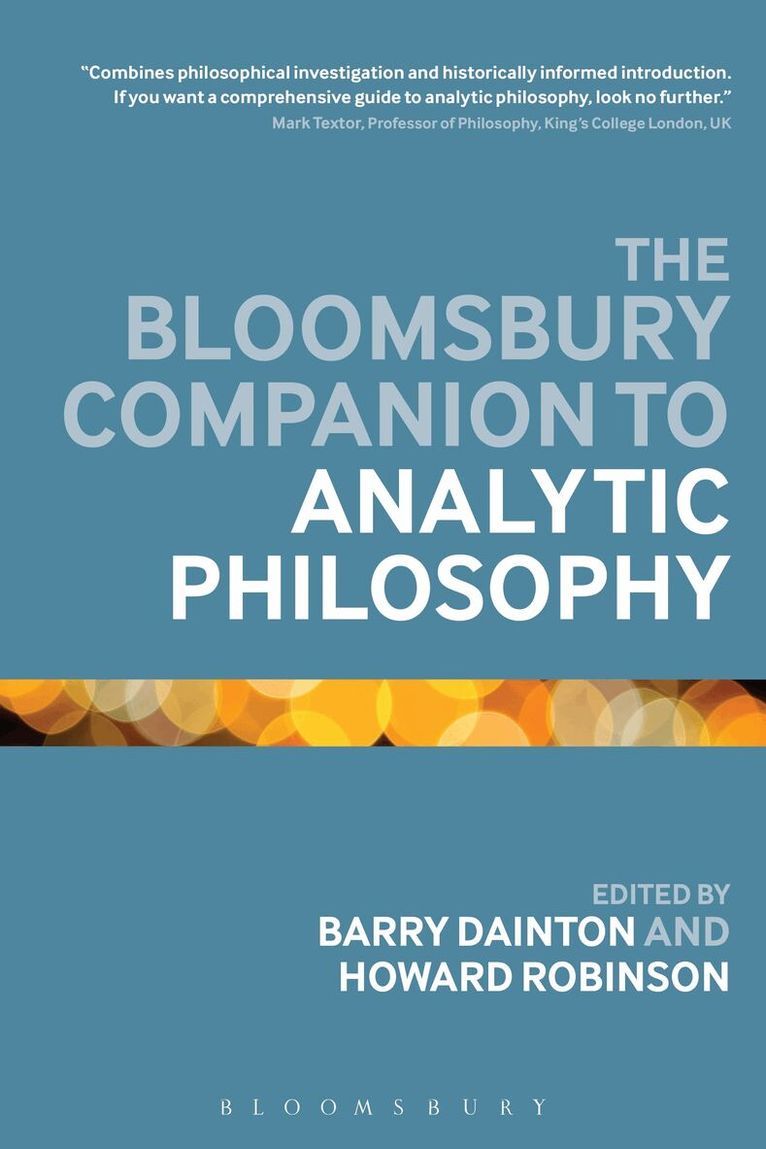
Bloomsbury Companion to Analytic Philosophy
Av Barry Dainton, Howard Robinson
E-bok, 2013
3049 kr
Lägg i varukorg
Surveying the history, latest developments and potential future directions of contemporary analytic philosophy, this is an essential one-volume reference guide for all those working in the field. The Bloomsbury Companion to Analytic Philosophy brings together a team of internationally renowned …
Bloomsbury Companion to Analytic Philosophy
Av Barry Dainton, Howard Robinson
Inbunden, 2013
2840 kr
Lägg i varukorg
Surveying the history, latest developments and potential future directions of contemporary analytic philosophy, this is an essential one-volume reference guide for all those working in the field. The Bloomsbury Companion to Analytic Philosophy brings together a team of internationally renowned …
Bloomsbury Companion to Analytic Philosophy
Av Barry Dainton, Howard Robinson
E-bok, 2013
3026 kr
Lägg i varukorg
Surveying the history, latest developments and potential future directions of contemporary analytic philosophy, this is an essential one-volume reference guide for all those working in the field. The Bloomsbury Companion to Analytic Philosophy brings together a team of internationally renowned …
Bloomsbury Companion to Analytic Philosophy
Av Barry Dainton, Howard Robinson
E-bok, 2015
589 kr
Lägg i varukorg
Featuring chapters on the latest developments in fifteen core subjects in analytic philosophy, The Bloomsbury Companion to Analytic Philosophy is an essential guide for all those working in the field today. Introducing its history and looking ahead to new research directions, this companion brings …
Bloomsbury Companion to Analytic Philosophy
Av Barry Dainton, Howard Robinson
E-bok, 2015
608 kr
Lägg i varukorg
Featuring chapters on the latest developments in fifteen core subjects in analytic philosophy, The Bloomsbury Companion to Analytic Philosophy is an essential guide for all those working in the field today. Introducing its history and looking ahead to new research directions, this companion brings …
Bloomsbury Companion to Analytic Philosophy
Av Barry Dainton, Howard Robinson
Häftad, 2015
559 kr
Lägg i varukorg
Featuring chapters on the latest developments in fifteen core subjects in analytic philosophy, The Bloomsbury Companion to Analytic Philosophy is an essential guide for all those working in the field today. Introducing its history and looking ahead to new research directions, this companion brings …
Time and Space
Inbunden, 2010
2504 kr
Lägg i varukorg
The first edition (2001) of this title quickly established itself on courses on the philosophy of time and space. This fully revised and expanded new edition sees the addition of chapters on Zeno's paradoxes, speculative contemporary developments in physics, and dynamic time, making the second …
Self
What am I?
Häftad, 2014
155 kr
Lägg i varukorg
In the third in a new series of short, provoking books of original philosophy, acclaimed thinker Barry Dainton takes us through the nature of SelfWhen you think 'What am I?', what's actually doing the thinking? Is it a soul, or some other kind of mental entity separate from your body, or are 'you' …
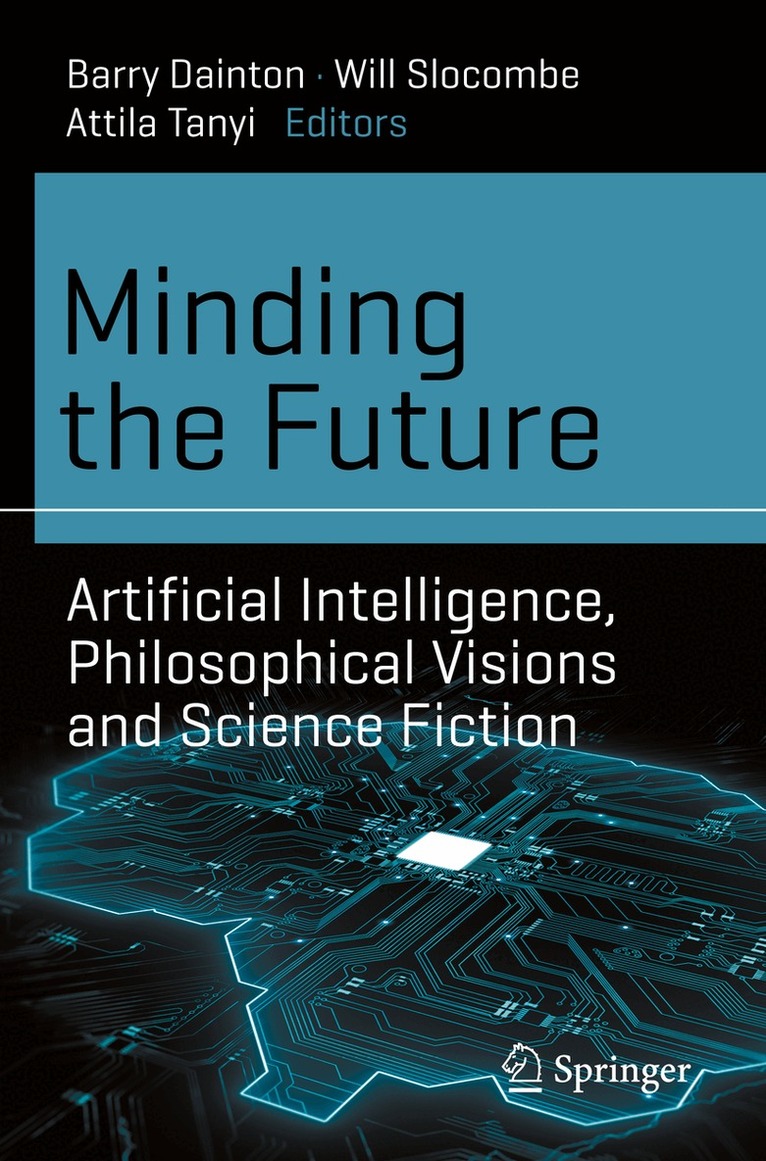
Minding the Future
Artificial Intelligence, Philosophical Visions and Science Fiction
Av Barry Dainton, Will Slocombe m. fl.
Häftad, 2021
386 kr
Lägg i varukorg
Bringing together literary scholars, computer scientists, ethicists, philosophers of mind, and scholars from affiliated disciplines, this collection of essays offers important and timely insights into the pasts, presents, and, above all, possible futures of Artificial Intelligence.This book covers …
Minding the Future
Artificial Intelligence, Philosophical Visions and Science Fiction
Av Attila Tanyi, Will Slocombe m. fl.
E-bok, 2021
589 kr
Lägg i varukorg
Bringing together literary scholars, computer scientists, ethicists, philosophers of mind, and scholars from affiliated disciplines, this collection of essays offers important and timely insights into the pasts, presents, and, above all, possible futures of Artificial Intelligence. This book covers …