Beata Mrugalska – författare
858 kr
Läs direkt efter köp
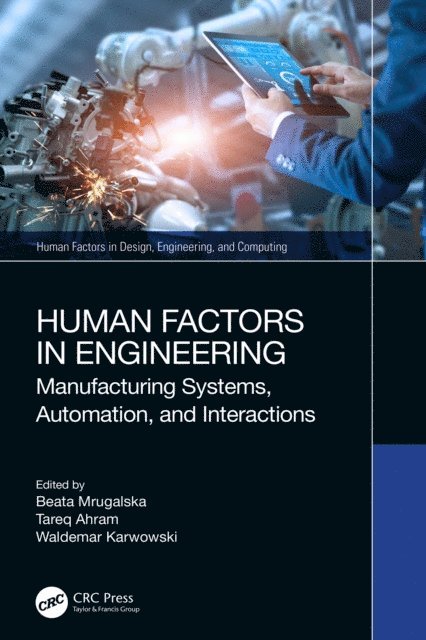
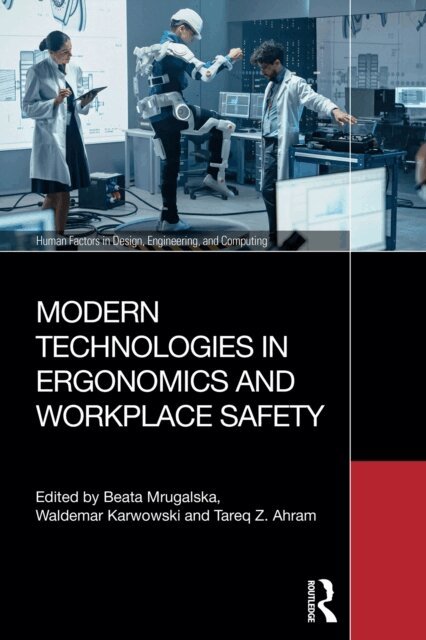
This book addresses aspects of human factors in engineering and provides a detailed discussion of novel approaches, systems engineering tools, artificial cognitive systems, and intelligent technologies and automation. It presents applications in diverse areas, including digital manufacturing, transportation, infrastructure development, and cybersecurity.
This book:
• Merges the engineering perspective with the human factors and social dimension of computing and artificial intelligence–based technologies.
• Covers technological development of human factors engineering and the human dimension in applications across all areas of modern society.
• Relates to human behavior in the context of technology and systems interactions.
• Discusses the design and the appropriation of 3D printing techniques in the management of an innovative product system.
• Presents systems engineering tools, user experience methodologies, artificial cognitive systems, intelligent technologies, and automation.
The text is for students, professionals, and researchers in the fields of ergonomics, human factors, industrial engineering, and manufacturing engineering.
858 kr
Läs direkt efter köp
This book addresses aspects of human factors in engineering and provides a detailed discussion of novel approaches, systems engineering tools, artificial cognitive systems, and intelligent technologies and automation. It presents applications in diverse areas, including digital manufacturing, transportation, infrastructure development, and cybersecurity.
This book:
• Merges the engineering perspective with the human factors and social dimension of computing and artificial intelligence–based technologies.
• Covers technological development of human factors engineering and the human dimension in applications across all areas of modern society.
• Relates to human behavior in the context of technology and systems interactions.
• Discusses the design and the appropriation of 3D printing techniques in the management of an innovative product system.
• Presents systems engineering tools, user experience methodologies, artificial cognitive systems, intelligent technologies, and automation.
The text is for students, professionals, and researchers in the fields of ergonomics, human factors, industrial engineering, and manufacturing engineering.
381 kr
Läs direkt efter köp
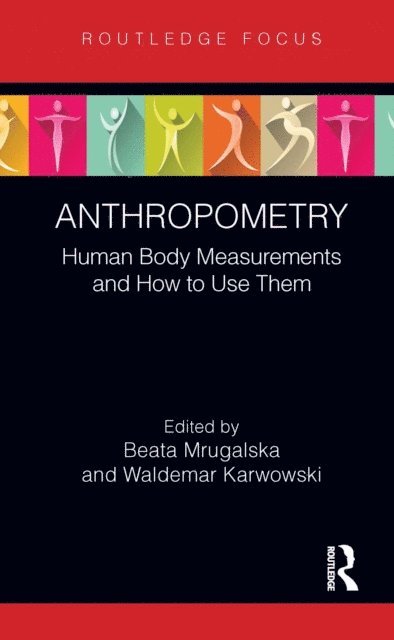
Today, human factors and ergonomics professionals worldwide contribute to the design and evaluation of tasks, jobs, products, environments, and systems in order to make them compatible with the needs, abilities, and limitations of people. By understanding anthropometry, professionals can ensure that our home and working environments are comfortable and designed with the human in mind. This book aims to show how an understanding of anthropometrics can influence workspace design, ergonomics in the office, ergonomics in the home, and health and safety at work.
This book discusses the measurement of the human body and human variability. Anthropometry may seem to be relatively simple but the reality is that it focuses on very sophisticated aspects of how to make the products tailor-made to suit specific requirements. As a study, it is useful for a variety of purposes such as workspace design, ergonomics in the office, ergonomics in the home, and health and safety at work. These eleven chapters investigate anthropometrics and bridge the gap between theory and practice. Each chapter is supported by tables, charts, and illustrations, and a wide list of bibliographic references. The reader will develop new insights into the principles and practice of anthropometrics with this book bringing the topic right up to date.
Anthropometry: Human Body Measurements and How to Use Them will be of interest to students, graduates, teachers, researchers, and general workers in industrial design, ergonomics, rehabilitation, safety, and health.
381 kr
Läs direkt efter köp
Today, human factors and ergonomics professionals worldwide contribute to the design and evaluation of tasks, jobs, products, environments, and systems in order to make them compatible with the needs, abilities, and limitations of people. By understanding anthropometry, professionals can ensure that our home and working environments are comfortable and designed with the human in mind. This book aims to show how an understanding of anthropometrics can influence workspace design, ergonomics in the office, ergonomics in the home, and health and safety at work.
This book discusses the measurement of the human body and human variability. Anthropometry may seem to be relatively simple but the reality is that it focuses on very sophisticated aspects of how to make the products tailor-made to suit specific requirements. As a study, it is useful for a variety of purposes such as workspace design, ergonomics in the office, ergonomics in the home, and health and safety at work. These eleven chapters investigate anthropometrics and bridge the gap between theory and practice. Each chapter is supported by tables, charts, and illustrations, and a wide list of bibliographic references. The reader will develop new insights into the principles and practice of anthropometrics with this book bringing the topic right up to date.
Anthropometry: Human Body Measurements and How to Use Them will be of interest to students, graduates, teachers, researchers, and general workers in industrial design, ergonomics, rehabilitation, safety, and health.
2 071 kr
Skickas inom 10-15 vardagar
728 kr
Skickas inom 10-15 vardagar
716 kr
Skickas
1 477 kr
Skickas inom 10-15 vardagar
371 kr
Skickas inom 10-15 vardagar
822 kr
Skickas inom 10-15 vardagar
1 230 kr
Skickas inom 10-15 vardagar
766 kr
Kommande
863 kr
Skickas
1 506 kr
Läs direkt efter köp
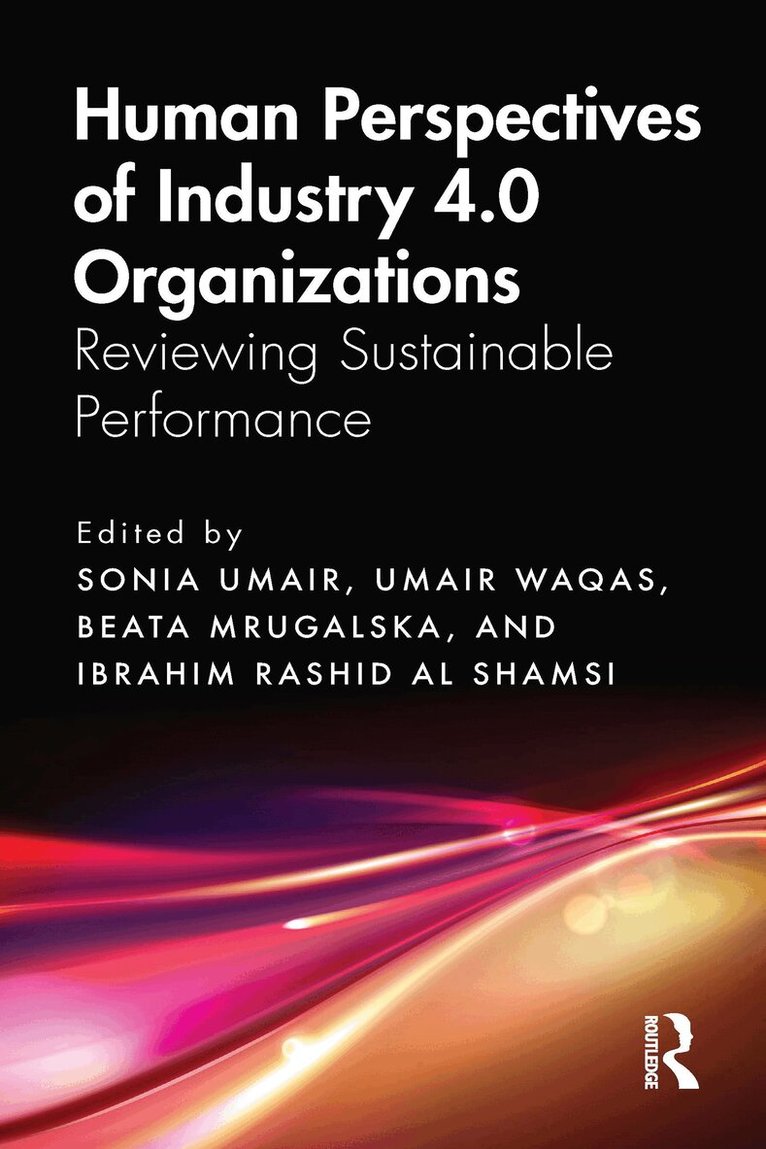
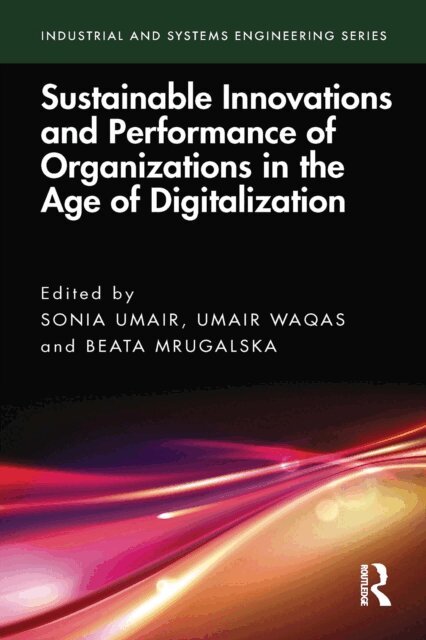
Sustainability is a global issue and, with the advent of further legislation to make organizations "greener," companies are keen to promote sustainable performance to survive in the market. Using the facets of Industry 4.0, companies can become leaner and cleaner and measure their performance more effectively. This book reveals the sustainable innovations that organizations are undertaking because of Industry 4.0.
This book focuses on sophisticated aspects of how to make products tailor-made to suit specific requirements. It seeks to understand the status of sustainable performance that is impacted by different aspects related to human factors and concludes with detailing the future needs of businesses and potential trends. The book allows the reader to develop a deeper view of sustainability and organizational problems and to bridge the gap between theory and practice. Each chapter contains a self-contained study of a business and the decisions made to improve performance and is supported with tables, charts, and illustrations, and a wide list of bibliographic references.
Human Perspectives of Industry 4.0 Organizations will be of interest to students, graduates, researchers, and practitioners in the fields of logistics, supply chain management, management, leadership, organization, and sustainability, plus those interested in Industry 4.0 more generally. It will appeal to students in graduate programs covering sustainable aspects of business, management, supply chain management, and industrial engineering.
1 506 kr
Läs direkt efter köp
Sustainability is a global issue and, with the advent of further legislation to make organizations "greener," companies are keen to promote sustainable performance to survive in the market. Using the facets of Industry 4.0, companies can become leaner and cleaner and measure their performance more effectively. This book reveals the sustainable innovations that organizations are undertaking because of Industry 4.0.
This book focuses on sophisticated aspects of how to make products tailor-made to suit specific requirements. It seeks to understand the status of sustainable performance that is impacted by different aspects related to human factors and concludes with detailing the future needs of businesses and potential trends. The book allows the reader to develop a deeper view of sustainability and organizational problems and to bridge the gap between theory and practice. Each chapter contains a self-contained study of a business and the decisions made to improve performance and is supported with tables, charts, and illustrations, and a wide list of bibliographic references.
Human Perspectives of Industry 4.0 Organizations will be of interest to students, graduates, researchers, and practitioners in the fields of logistics, supply chain management, management, leadership, organization, and sustainability, plus those interested in Industry 4.0 more generally. It will appeal to students in graduate programs covering sustainable aspects of business, management, supply chain management, and industrial engineering.
1 108 kr
Läs direkt efter köp
Drawing on contributions from various manufacturing fields, this book offers a comprehensive perspective by combining theoretical concepts with practical applications. It emphasizes future developments, the integration of technologies, and the crucial role of humans in manufacturing companies.
Production Management, Manufacturing, and Process Control presents cutting-edge strategies and innovations for creating people-centered manufacturing processes. It explores how culture influences cognition and behavior, providing readers with valuable insights into relevant theories. This book also explores risk management, human performance improvement, and the current challenges in quality and information systems management. Sustainable global manufacturing practices that balance global market access with strong domestic engineering ecosystems are covered in detail, and this book also addresses the optimization of production processes, including the use of machine learning for fault diagnosis.
This is an ideal read and a valuable resource for students, graduates, teachers, researchers, and professionals in industrial management, business management, safety fields, manufacturing, risk management, and quality management.
1 076 kr
Läs direkt efter köp
Drawing on contributions from various manufacturing fields, this book offers a comprehensive perspective by combining theoretical concepts with practical applications. It emphasizes future developments, the integration of technologies, and the crucial role of humans in manufacturing companies.
Production Management, Manufacturing, and Process Control presents cutting-edge strategies and innovations for creating people-centered manufacturing processes. It explores how culture influences cognition and behavior, providing readers with valuable insights into relevant theories. This book also explores risk management, human performance improvement, and the current challenges in quality and information systems management. Sustainable global manufacturing practices that balance global market access with strong domestic engineering ecosystems are covered in detail, and this book also addresses the optimization of production processes, including the use of machine learning for fault diagnosis.
This is an ideal read and a valuable resource for students, graduates, teachers, researchers, and professionals in industrial management, business management, safety fields, manufacturing, risk management, and quality management.
1 022 kr
Läs direkt efter köp
992 kr
Läs direkt efter köp
433 kr
Läs direkt efter köp
433 kr
Läs direkt efter köp
2 078 kr
Läs direkt efter köp
1 749 kr
Läs direkt efter köp
433 kr
Läs direkt efter köp
433 kr
Läs direkt efter köp
1 749 kr
Läs direkt efter köp
2 078 kr
Läs direkt efter köp
1 703 kr
Skickas inom 10-15 vardagar
1 774 kr
Skickas inom 10-15 vardagar
1 521 kr
Skickas inom 10-15 vardagar