Beatrix van Dam – författare
846 kr
Skickas inom 10-15 vardagar
2 828 kr
Skickas inom 10-15 vardagar
970 kr
Läs direkt efter köp
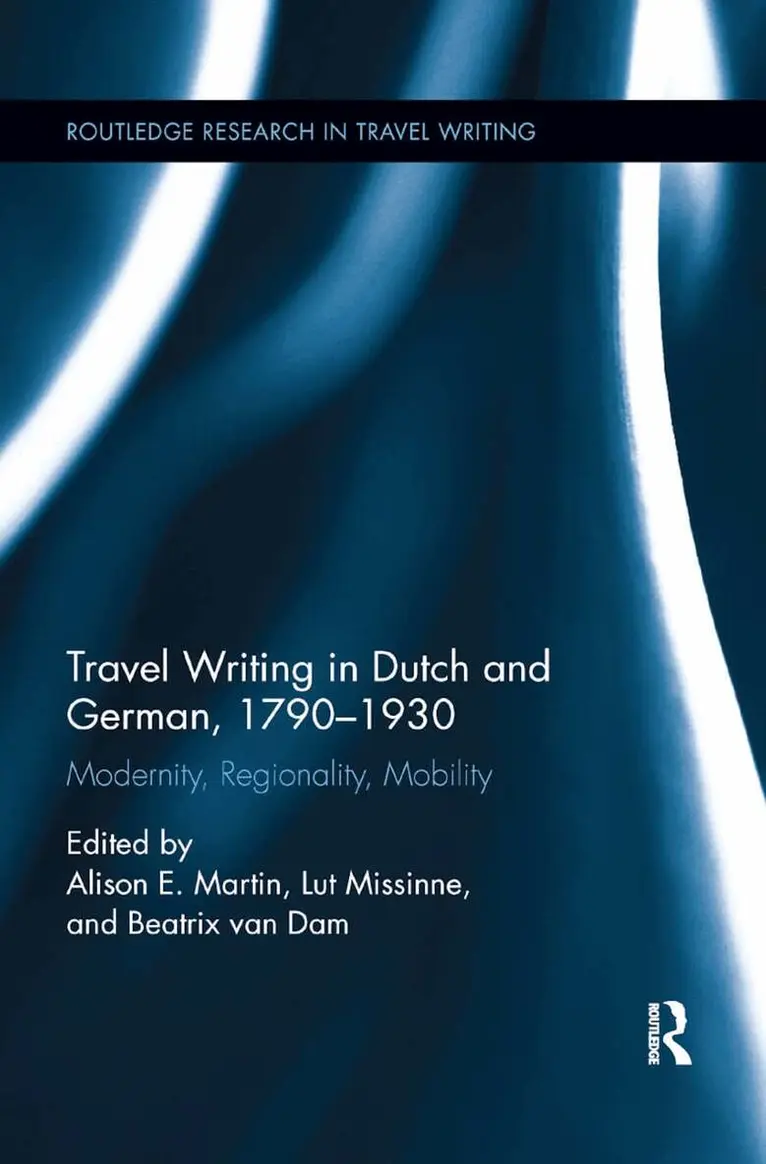
This volume focuses on how travel writing contributed to cultural and intellectual exchange in and between the Dutch- and German-speaking regions from the 1790s to the twentieth-century interwar period. Drawing on a hitherto largely overlooked body of travelers whose work ranges across what is now Germany and Austria, the Netherlands and Dutch-speaking Belgium, the Dutch East Indies and Suriname, the contributors highlight the interrelations between the regional and the global and the role alterity plays in both spheres. They therefore offer a transnational and transcultural perspective on the ways in which the foreign was mediated to audiences back home. By combining a narrative perspective on travel writing with a socio-historically contextualized approach, essays emphasize the importance of textuality in travel literature as well as the self-positioning of such accounts in their individual historical and political environments. The first sustained analysis to focus specifically on these neighboring cultural and linguistic areas, this collection demonstrates how topographies of knowledge were forged across these regions by an astonishingly diverse range of travelling individuals from professional scholars and writers to art dealers, soldiers, (female) explorers, and scientific collectors. The contributors address cultural, aesthetic, political, and gendered aspects of travel writing, drawing productively on other disciplines and areas of scholarly research that encompass German Studies, Low Countries Studies, comparative literature, aesthetics, the history of science, literary geography, and the history of publishing.
970 kr
Läs direkt efter köp
This volume focuses on how travel writing contributed to cultural and intellectual exchange in and between the Dutch- and German-speaking regions from the 1790s to the twentieth-century interwar period. Drawing on a hitherto largely overlooked body of travelers whose work ranges across what is now Germany and Austria, the Netherlands and Dutch-speaking Belgium, the Dutch East Indies and Suriname, the contributors highlight the interrelations between the regional and the global and the role alterity plays in both spheres. They therefore offer a transnational and transcultural perspective on the ways in which the foreign was mediated to audiences back home. By combining a narrative perspective on travel writing with a socio-historically contextualized approach, essays emphasize the importance of textuality in travel literature as well as the self-positioning of such accounts in their individual historical and political environments. The first sustained analysis to focus specifically on these neighboring cultural and linguistic areas, this collection demonstrates how topographies of knowledge were forged across these regions by an astonishingly diverse range of travelling individuals from professional scholars and writers to art dealers, soldiers, (female) explorers, and scientific collectors. The contributors address cultural, aesthetic, political, and gendered aspects of travel writing, drawing productively on other disciplines and areas of scholarly research that encompass German Studies, Low Countries Studies, comparative literature, aesthetics, the history of science, literary geography, and the history of publishing.
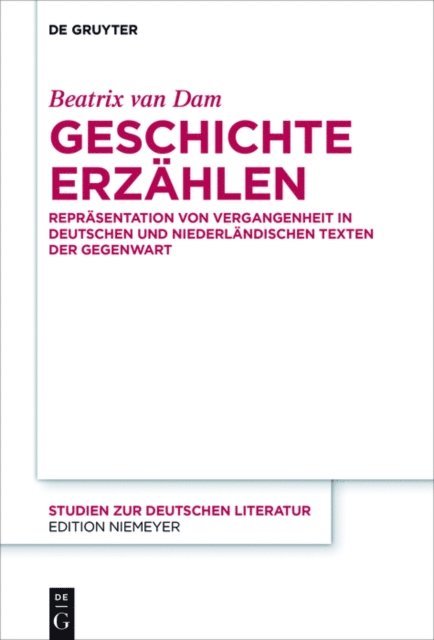
Geschichte erzählen
Repräsentation von Vergangenheit in deutschen und niederländischen Texten der Gegenwart
1 855 kr
Skickas inom 5-8 vardagar
1 858 kr
Läs direkt efter köp
Das theoretische Feld zu fiktionalem und faktualem Erzählen ist in den letzten Jahren unübersichtlich geworden. Die Studie bietet eine kritische Analyse der wichtigsten Positionen. Historisches Erzählen diente im Zuge postmoderner Sprachzweifel oft als Beispiel für den prekären Wirklichkeitsbezug faktualer Erzählungen. Mit Blick auf das fiktionale Erzählen wurden anhand des postmodernen historischen Romans mit Metafiktion und Metahistoriografie Erzählverfahren betont, die sich von einem verlässlichen Wirklichkeitsbezug distanzieren. Die vorliegende Studie rückt neben diesen distanzierenden, illusionsstörenden Techniken wieder solche Erzählverfahren in den Blick, die Geschichte als ‚Ereignis‘ inszenieren. Historisches Erzählen kombiniert den Bezug auf eine vergangene Wirklichkeit immer mit dem Anspruch, eine in sich schlüssige Erzählung zu bilden. Anhand deutschsprachiger und niederländischsprachiger Geschichtserzählungen wird nachgezeichnet, wie sich diese grundlegende Dynamik zwischen glaubwürdigem Wirklichkeitsbezug und glaubwürdiger Erzählwirklichkeit im fiktionalen und im faktualen Zusammenhang je unterschiedlich entfaltet.
1 858 kr
Läs direkt efter köp
Das theoretische Feld zu fiktionalem und faktualem Erzählen ist in den letzten Jahren unübersichtlich geworden. Die Studie bietet eine kritische Analyse der wichtigsten Positionen. Historisches Erzählen diente im Zuge postmoderner Sprachzweifel oft als Beispiel für den prekären Wirklichkeitsbezug faktualer Erzählungen. Mit Blick auf das fiktionale Erzählen wurden anhand des postmodernen historischen Romans mit Metafiktion und Metahistoriografie Erzählverfahren betont, die sich von einem verlässlichen Wirklichkeitsbezug distanzieren. Die vorliegende Studie rückt neben diesen distanzierenden, illusionsstörenden Techniken wieder solche Erzählverfahren in den Blick, die Geschichte als ‚Ereignis‘ inszenieren. Historisches Erzählen kombiniert den Bezug auf eine vergangene Wirklichkeit immer mit dem Anspruch, eine in sich schlüssige Erzählung zu bilden. Anhand deutschsprachiger und niederländischsprachiger Geschichtserzählungen wird nachgezeichnet, wie sich diese grundlegende Dynamik zwischen glaubwürdigem Wirklichkeitsbezug und glaubwürdiger Erzählwirklichkeit im fiktionalen und im faktualen Zusammenhang je unterschiedlich entfaltet.