Ben Lugtenberg - Böcker
Visar alla böcker från författaren Ben Lugtenberg. Handla med fri frakt och snabb leverans.
3 produkter
3 produkter
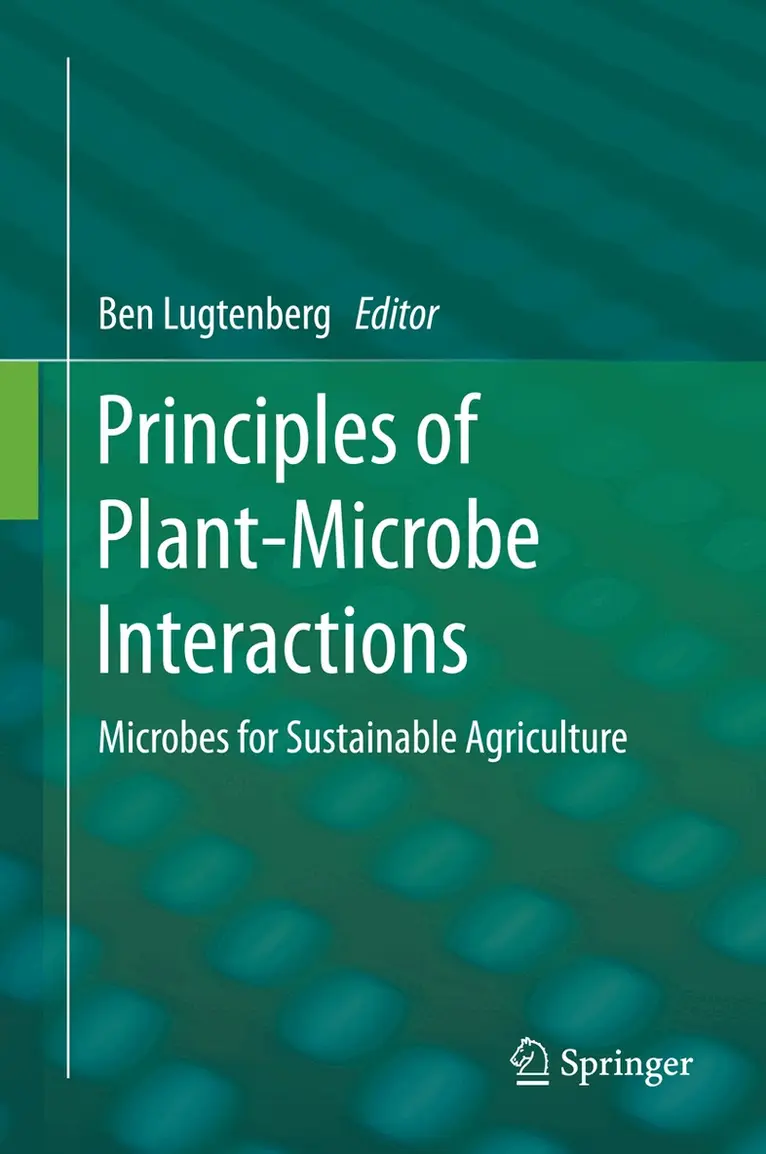
Principles of Plant-Microbe Interactions
Microbes for Sustainable Agriculture
Inbunden, Engelska, 2014
1 585 kr
Skickas inom 10-15 vardagar
The use of microbial plant protection products is growing and their importance will strongly increase due to political and public pressure. World population is growing and the amount of food needed by 2050 will be double of what is produced now whereas the area of agricultural land is decreasing. We must increase crop yield in a sustainable way. Chemical plant growth promoters must be replaced by microbiological products. Also here, the use of microbial products is growing and their importance will strongly increase. A growing area of agricultural land is salinated. Global warming will increase this process. Plants growth is inhibited by salt or even made impossible and farmers tend to disuse the most salinated lands. Microbes have been very successfully used to alleviate salt stress of plants. Chemical pollution of land can make plant growth difficult and crops grown are often polluted and not suitable for consumption. Microbes have been used to degrade these chemical pollutants.
1 585 kr
Skickas inom 10-15 vardagar
The use of microbial plant protection products is growing and their importance will strongly increase due to political and public pressure. World population is growing and the amount of food needed by 2050 will be double of what is produced now whereas the area of agricultural land is decreasing. We must increase crop yield in a sustainable way. Chemical plant growth promoters must be replaced by microbiological products. Also here, the use of microbial products is growing and their importance will strongly increase. A growing area of agricultural land is salinated. Global warming will increase this process. Plants growth is inhibited by salt or even made impossible and farmers tend to disuse the most salinated lands. Microbes have been very successfully used to alleviate salt stress of plants. Chemical pollution of land can make plant growth difficult and crops grown are often polluted and not suitable for consumption. Microbes have been used to degrade these chemical pollutants.
1 059 kr
Skickas inom 10-15 vardagar
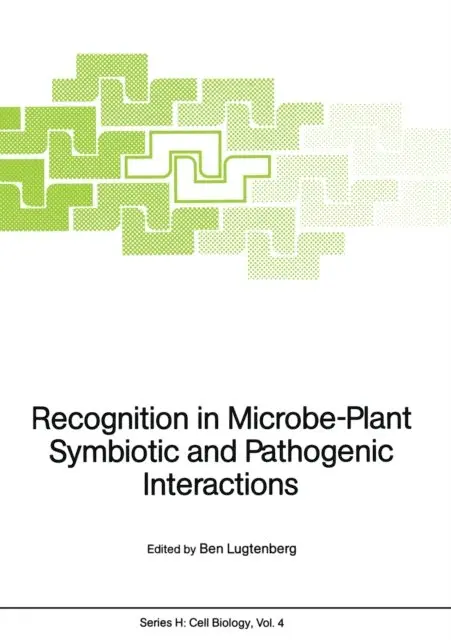
This volume comprises the lectures of the speakers at the NATO Advanced Research Workshop held at the Congress Centre The Flevohof at Biddinghuizen, The Netherlands, May 11-16, 1986. The purpose of the workshop was to bring together experts in symbiosis, plant pathology and plant molecular biology in order to discuss recent progress in the field of microbe -plant re cognition at the molecular level, to promote integration of various disciplines, and to define recommendations for future research and applications. Plants have developed a variety of sophisticated defence mechanisms to cope with an environment in which many different microbes live. Most microbes which colonize plant tissues are harmless. Some microbes have developed ways to attack plants successfully, resulting in enormous losses of crop yields. Other microbes have reached an agreement with the host plant which is beneficial for both: these microbes live in symbiosis with the plant and provide their host plant for example with substantial amounts of atmospheric nitrogen. Chemical protection of crops is a necessity in modern crop management but this treatment has some negative effects as well. Therefore scientists are looking for alternative, biological, ways to control crop pests. Against this background specialists from eleven countries discussed the results of their most recent work on the molecular background of microbe -plant interactions. It appeared that, in order to capitalize the recent rapid progress made in the mole cular genetical studies on Rhizobium-legume and pathogen-host plant interactions, a multidisciplinary approach is required.