Benjamin C. Montoya - Böcker
Visar alla böcker från författaren Benjamin C. Montoya. Handla med fri frakt och snabb leverans.
4 produkter
4 produkter
1 720 kr
Skickas inom 5-8 vardagar
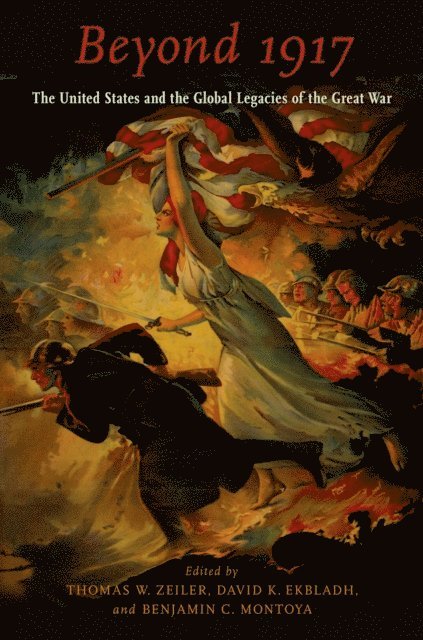
A massively destructive and transformative event, the First World War left in its wake many legacies. Beyond 1917 explores both the consequences of the war for the United States (and the world) and American influence on shaping the legacies of the conflict in the decades after US entry in 1917. From the fields, seas, and airspace of battle, we live today with the consequences of the Great War's poison gas, post-traumatic stress disorder, and technological inventions such as air bombardment of civilians, submarine and tank warfare, and modern surgical techniques. Conscription, pacifism, humanitarian campaigns, and socialist movements emerged from the war to shape politics within countries for decades to come. Governments learned the value of propaganda, both in print and in film. Society changed: women were emancipated in some countries and citizenship was altered in many places, while aristocracy and monarchies went into decline. European empires were transformed and in some cases destroyed; in the Middle East, the change was enormous, beginning with the final collapse of Ottoman hegemony in the region. Fascism and communism, mass migration, independence, militarism, an influenza epidemic, the rise of Wall Street and American economic power, a slowdown in the process of globalization, and the pursuit of world peace by an organization based on collective security numbered among the most significant and lasting legacies of this conflict. Beyond 1917 explores how and why the war has become an integral milepost for human history, reflects the importance of the conflict, the forces that led to it, and the forces it unleashed. On the occasion of the centennial commemorations, an international group of scholars considers the long-term policy, political, social, economic, and cultural consequences of the war for the United States itself and for the world. In addition to interpretive essays, the volume provides a comprehensive bibliography and timeline of events.
446 kr
Skickas inom 5-8 vardagar
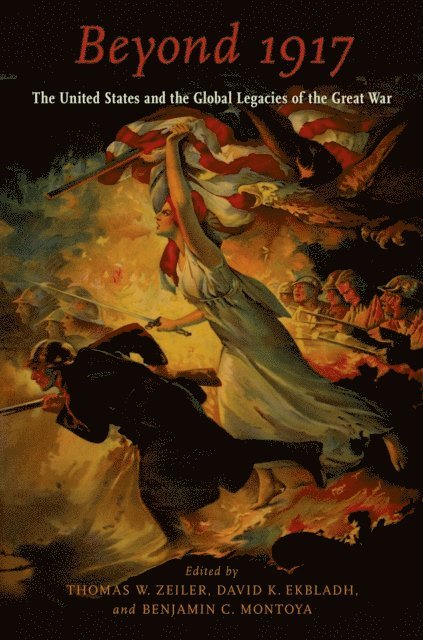
A massively destructive and transformative event, the First World War left in its wake many legacies. Beyond 1917 explores both the consequences of the war for the United States (and the world) and American influence on shaping the legacies of the conflict in the decades after US entry in 1917. From the fields, seas, and airspace of battle, we live today with the consequences of the Great War's poison gas, post-traumatic stress disorder, and technological inventions such as air bombardment of civilians, submarine and tank warfare, and modern surgical techniques. Conscription, pacifism, humanitarian campaigns, and socialist movements emerged from the war to shape politics within countries for decades to come. Governments learned the value of propaganda, both in print and in film. Society changed: women were emancipated in some countries and citizenship was altered in many places, while aristocracy and monarchies went into decline. European empires were transformed and in some cases destroyed; in the Middle East, the change was enormous, beginning with the final collapse of Ottoman hegemony in the region. Fascism and communism, mass migration, independence, militarism, an influenza epidemic, the rise of Wall Street and American economic power, a slowdown in the process of globalization, and the pursuit of world peace by an organization based on collective security numbered among the most significant and lasting legacies of this conflict. Beyond 1917 explores how and why the war has become an integral milepost for human history, reflects the importance of the conflict, the forces that led to it, and the forces it unleashed. On the occasion of the centennial commemorations, an international group of scholars considers the long-term policy, political, social, economic, and cultural consequences of the war for the United States itself and for the world. In addition to interpretive essays, the volume provides a comprehensive bibliography and timeline of events.
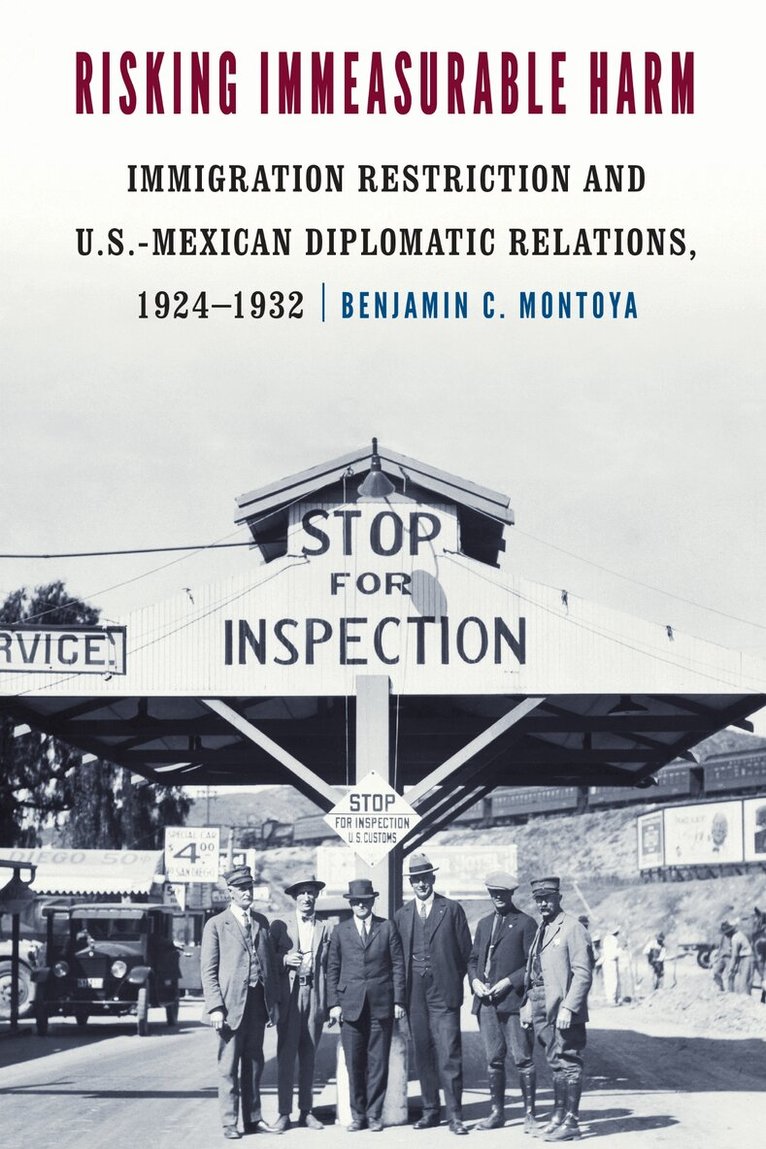
Risking Immeasurable Harm
Immigration Restriction and U.S.-Mexican Diplomatic Relations, 1924–1932
Inbunden, Engelska, 2020
610 kr
Skickas inom 10-15 vardagar
The debate over restricting the number of Mexican immigrants to the United States began early in the twentieth century, at a time when U.S.-Mexican relations were still tenuous after the Mexican Revolution and when heated conflicts over mineral rights, primarily oil, were raging between the two nations. Though Mexico had economic reasons for curbing emigration, the racist tone of the quota debate taking place in the United States offended Mexicans’ national pride and played a large part in obstructing mutual support for immigration restriction between the United States and Mexico.Risking Immeasurable Harm explains how the prospect of immigration restriction affects diplomatic relations by analyzing U.S. efforts to place a quota on immigration from Mexico during the late 1920s and early 1930s. Benjamin C. Montoya follows the quota debate from its origin in 1924, spurred by the passage of the Immigration Act, to its conclusion in 1932. He examines congressional policy debate and the U.S. State Department’s steady opposition to the quota scheme. Despite the concerns of American diplomats, in 1930 the Senate passed the Harris Bill, which singled out Mexico among all other Latin American nations for immigration restriction. The lingering effects of the quota debates continued to strain diplomatic relations between the United States and Mexico beyond the Great Depression.Relevant to current debates about immigration, Risking Immeasurable Harm demonstrates the connection between immigration restriction and diplomacy, the ways racism can affect diplomatic relations, and how domestic immigration policy can have international consequences.
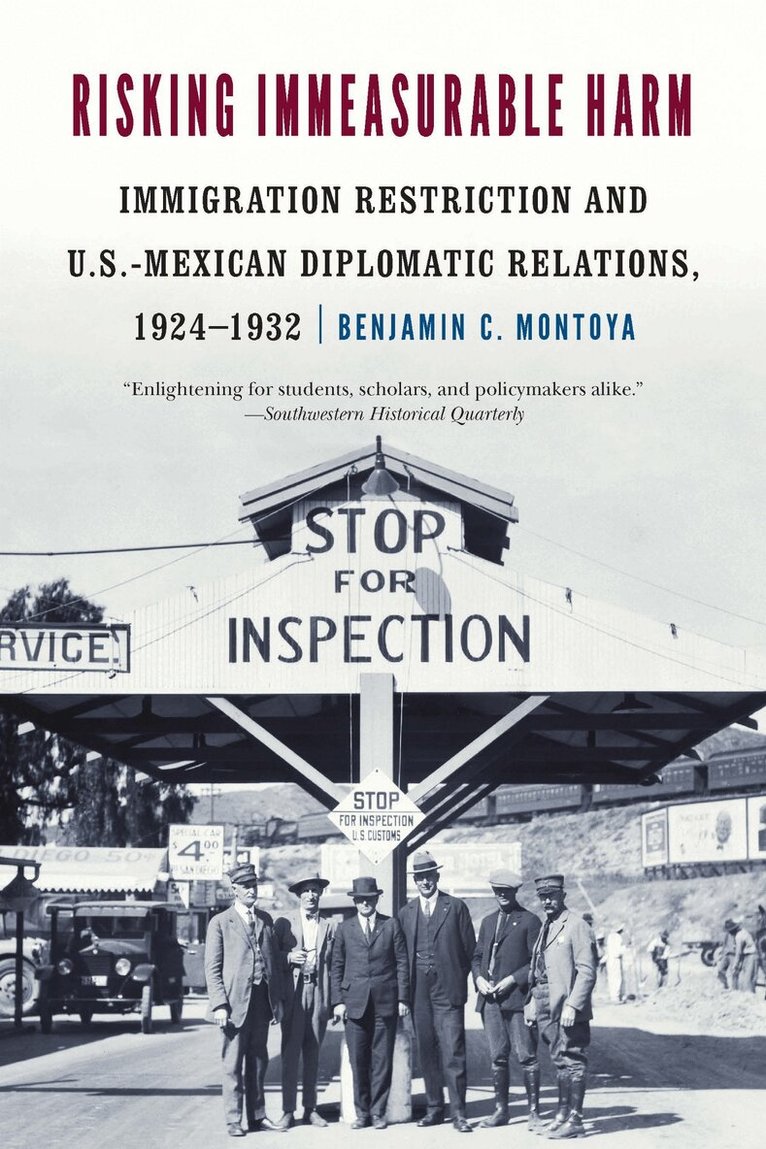
Risking Immeasurable Harm
Immigration Restriction and U.S.-Mexican Diplomatic Relations, 1924–1932
Häftad, Engelska, 2024
322 kr
Skickas inom 10-15 vardagar
The debate over restricting the number of Mexican immigrants to the United States began early in the twentieth century, at a time when U.S.-Mexican relations were still tenuous after the Mexican Revolution and when heated conflicts over mineral rights, primarily oil, were raging between the two nations. Though Mexico had economic reasons for curbing emigration, the racist tone of the quota debate taking place in the United States offended Mexicans’ national pride and played a large part in obstructing mutual support for immigration restriction between the United States and Mexico.Risking Immeasurable Harm explains how the prospect of immigration restriction affects diplomatic relations by analyzing U.S. efforts to place a quota on immigration from Mexico during the late 1920s and early 1930s. Benjamin C. Montoya follows the quota debate from its origin in 1924, spurred by the passage of the Immigration Act, to its conclusion in 1932. He examines congressional policy debate and the U.S. State Department’s steady opposition to the quota scheme. Despite the concerns of American diplomats, in 1930 the Senate passed the Harris Bill, which singled out Mexico among all other Latin American nations for immigration restriction. The lingering effects of the quota debates continued to strain diplomatic relations between the United States and Mexico beyond the Great Depression.Relevant to current debates about immigration, Risking Immeasurable Harm demonstrates the connection between immigration restriction and diplomacy, the ways racism can affect diplomatic relations, and how domestic immigration policy can have international consequences.