Benjamin C. Wilson – författare
Visar alla böcker från författaren Benjamin C. Wilson. Handla med fri frakt och snabb leverans.
3 produkter
3 produkter
207 kr
Skickas inom 5-8 vardagar
African Americans, as free laborers and as slaves, were among the earliest permanent residents of Michigan, settling among the French, British, and Native people with whom they worked and farmed. Lewis Walker and Benjamin Wilson recount the long history of African American communities in Michigan, delineating their change over time, as migrants from the South, East, and overseas made their homes in the state. Moreover, the authors show how Michigan's development is inextricably joined with the vitality and strength of its African American residents. In a related chapter, Linwood Cousins examines youth culture and identity in African American schools, linking education with historical and contemporary issues of economics, racism, and power.
1 285 kr
Skickas inom 10-15 vardagar
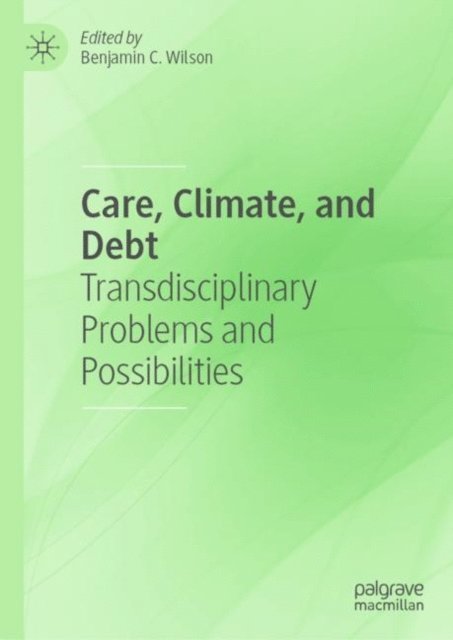
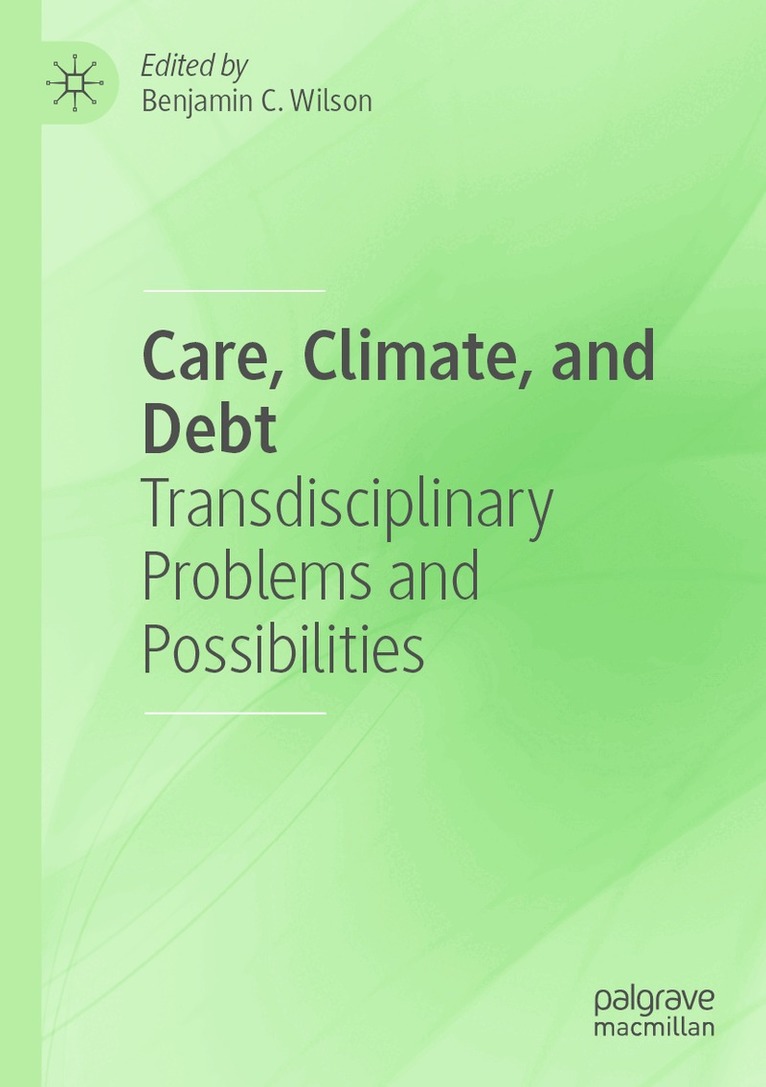
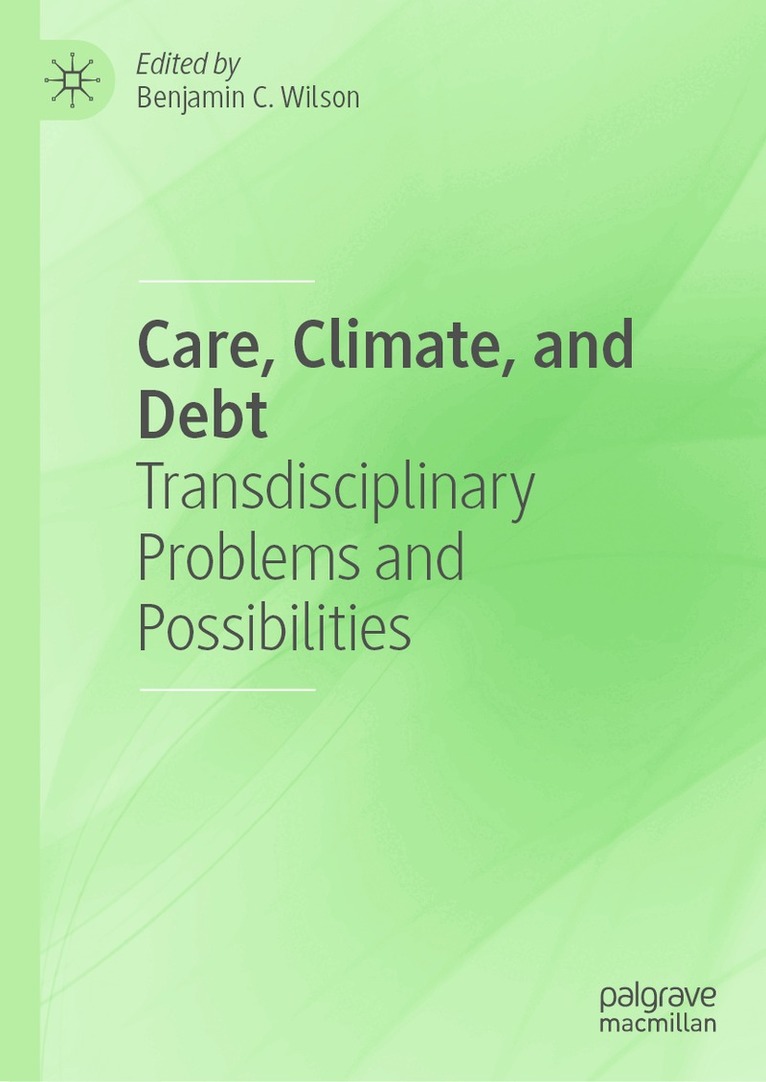
This volume spans economics, history, sociology, law, graphic design, religion, environmental science, politics and more to offer a transdisciplinary examination of debt. From this perspective, many of our most pressing social and environmental crises are explored to raise critical questions about debt’s problems and possibilities. Who do we owe? Where are the offsetting credits? Why do such persistent deficits in care permeate so much of our lives? Can we imagine new approaches to balance sheets, measures of value, and justice to reconcile these deficits? Often regarded as a constraint on our ability to meet the challenges of our day, this volume reimagines debt as a social construct capable of empowering people to organize and produce sustainable prosperity for all. This text is ideal for provoking classroom discussions that not only point out the gravity of the crises we face in the twenty-first century, but also seeks to set readers’ minds free to create innovative solutions.
1 285 kr
Skickas inom 10-15 vardagar
This volume spans economics, history, sociology, law, graphic design, religion, environmental science, politics and more to offer a transdisciplinary examination of debt. From this perspective, many of our most pressing social and environmental crises are explored to raise critical questions about debt’s problems and possibilities. Who do we owe? Where are the offsetting credits? Why do such persistent deficits in care permeate so much of our lives? Can we imagine new approaches to balance sheets, measures of value, and justice to reconcile these deficits? Often regarded as a constraint on our ability to meet the challenges of our day, this volume reimagines debt as a social construct capable of empowering people to organize and produce sustainable prosperity for all. This text is ideal for provoking classroom discussions that not only point out the gravity of the crises we face in the twenty-first century, but also seeks to set readers’ minds free to create innovative solutions.