Bernhard Pucher – författare
Visar alla böcker från författaren Bernhard Pucher. Handla med fri frakt och snabb leverans.
3 produkter
3 produkter
695 kr
Tillfälligt slut
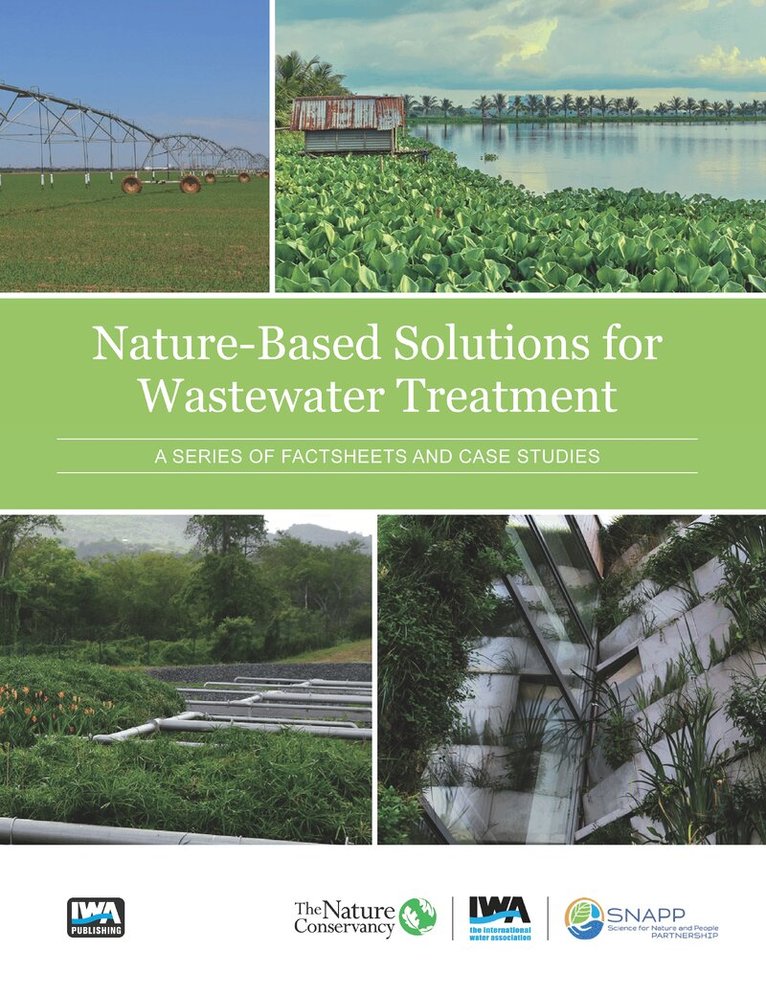
There are 2.4 billion people without improved sanitation and another 2.1 billion with inadequate sanitation (i.e. wastewater drains directly into surface waters), and despite improvements over the past decades, the unsafe management of fecal waste and wastewater continues to present a major risk to public health and the environment (UN, 2016). There is growing interest in low cost sanitation solutions which harness natural systems. However, it can be difficult for wastewater utility managers to understand under what conditions such nature-based solutions (NBS) might be applicable and how best to combine traditional infrastructure, for example an activated sludge treatment plant, with an NBS such as treatment wetlands. There is increasing scientific evidence that treatment systems with designs inspired by nature are highly efficient treatment technologies. The cost-effective design and implementation of ecosystems in wastewater treatment is something that exists and has the potential to be further promoted globally as both a sustainable and practical solution. This book serves as a compilation of technical references, case examples and guidance for applying nature-based solutions for treatment of domestic wastewater, and enables a wide variety of stakeholders to understand the design parameters, removal efficiencies, costs, co-benefits for both people and nature and trade-offs for consideration in their local context. Examples through case studies are from across the globe and provide practical insights into the variety of potentially applicable solutions.
570 kr
Tillfälligt slut
Spanish translation of Nature Based Solutions for Wastewater Treatment. There are 2.4 billion people without improved sanitation and another 2.1 billion with inadequate sanitation (i.e. wastewater drains directly into surface waters), and despite improvements over the past decades, the unsafe management of fecal waste and wastewater continues to present a major risk to public health and the environment (UN, 2016). There is growing interest in low cost sanitation solutions which harness natural systems. However, it can be difficult for wastewater utility managers to understand under what conditions such nature-based solutions (NBS) might be applicable and how best to combine traditional infrastructure, for example an activated sludge treatment plant, with an NBS such as treatment wetlands.There is increasing scientific evidence that treatment systems with designs inspired by nature are highly efficient treatment technologies. The cost-effective design and implementation of ecosystems in wastewater treatment is something that exists and has the potential to be further promoted globally as both a sustainable and practical solution.This book serves as a compilation of technical references, case examples and guidance for applying nature-based solutions for treatment of domestic wastewater, and enables a wide variety of stakeholders to understand the design parameters, removal efficiencies, costs, co-benefits for both people and nature and trade-offs for consideration in their local context. Examples through case studies are from across the globe and provide practical insights into the variety of potentially applicable solutions.
946 kr
Tillfälligt slut
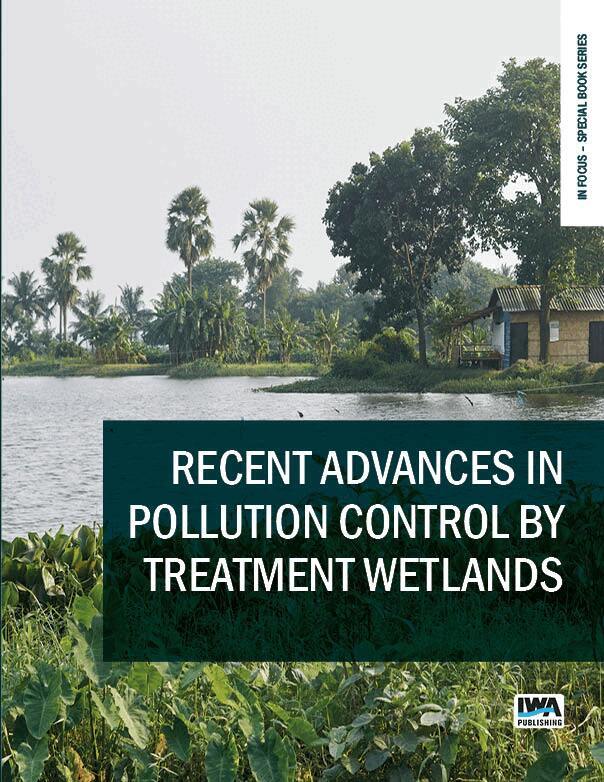
The goal of this book is to improve understanding of the role wetlands perform in processing nutrients and contaminants, and to discuss and demonstrate how restored and constructed wetlands in the future, via their associated ecosystem services, can contribute to ensure sustainable water management and resource recovery while at the same time regulating and mitigating impacts of global climate change. Topics covered include:•various treatment wetland types, e.g. free water surface wetlands, subsurface flow wetlands, and intensified wetlands•the performance of treatment wetlands for different types of water, e.g. greywater, industrial wastewater, and agricultural runoff•the performance of treatment wetlands for removing selected micro-pollutants•the impact of salinity on the treatment performance.In Focus – a book series that showcases the latest accomplishments in water research. Each book focuses on a specialist area with papers from top experts in the field. It aims to be a vehicle for in-depth understanding and inspire further conversations in the sector.