Beth Weaver – författare
Visar alla böcker från författaren Beth Weaver. Handla med fri frakt och snabb leverans.
6 produkter
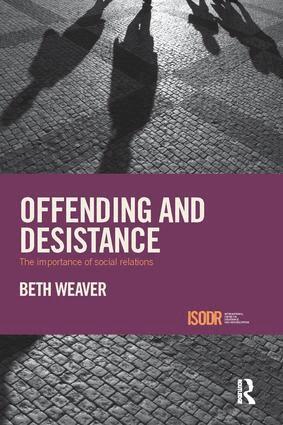
Offending and Desistance
The importance of social relations
Av Beth Weaver
Häftad, 2017
751 kr
Lägg i varukorg
In Offending and Desistance, Beth Weaver examines the role of a co-offending peer group in shaping and influencing offending and desistance, focusing on three phases of their criminal careers: onset, persistence and desistance. While there is consensus across the body of desistance research that …
Offending and Desistance
The importance of social relations
Av Beth Weaver
Inbunden, 2015
2749 kr
Lägg i varukorg
In Offending and Desistance, Beth Weaver examines the role of a co-offending peer group in shaping and influencing offending and desistance, focusing on three phases of their criminal careers: onset, persistence and desistance. While there is consensus across the body of desistance research that …
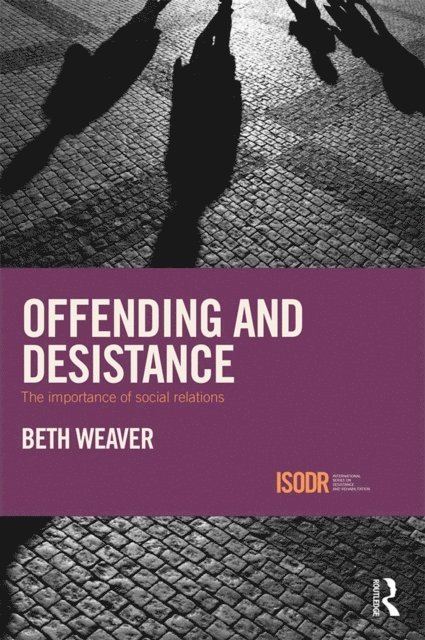
Offending and Desistance
The importance of social relations
Av Beth Weaver
E-bok, 2015
779 kr
Lägg i varukorg
In Offending and Desistance , Beth Weaver examines the role of a co-offending peer group in shaping and influencing offending and desistance, focusing on three phases of their criminal careers: onset, persistence and desistance. While there is consensus across the body of desistance research that …
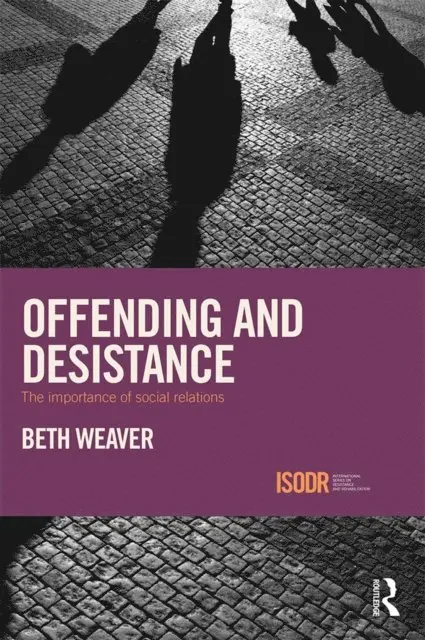
Offending and Desistance
The importance of social relations
Av Beth Weaver
E-bok, 2015
779 kr
Lägg i varukorg
In Offending and Desistance , Beth Weaver examines the role of a co-offending peer group in shaping and influencing offending and desistance, focusing on three phases of their criminal careers: onset, persistence and desistance. While there is consensus across the body of desistance research that …
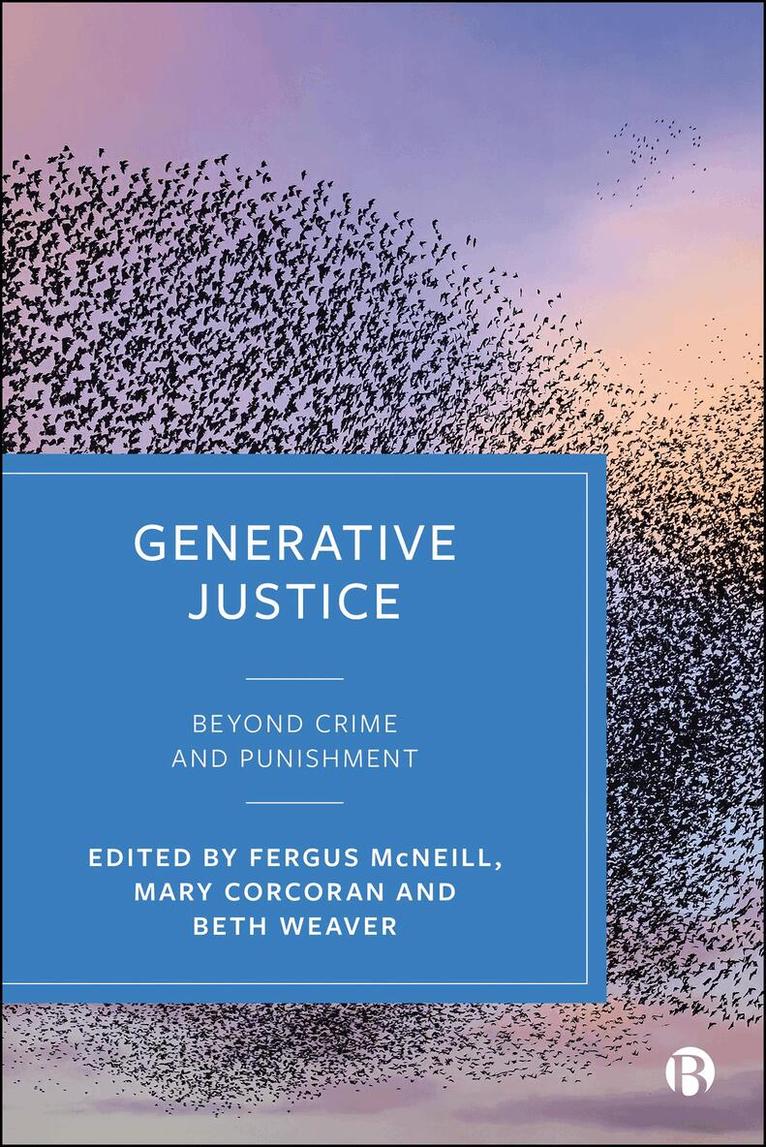
Generative Justice
Beyond Crime and Punishment
Av Fergus McNeill, Mary Corcoran m. fl.
Inbunden, 2026
1128 kr
Lägg i varukorg
This edited collection explores the concept of Generative Justice and how it might help us reimagine conventional responses to crime and state punishment. With case studies from the Global North and South, it offers insights into how, within different cultural contexts, justice-involved people find …
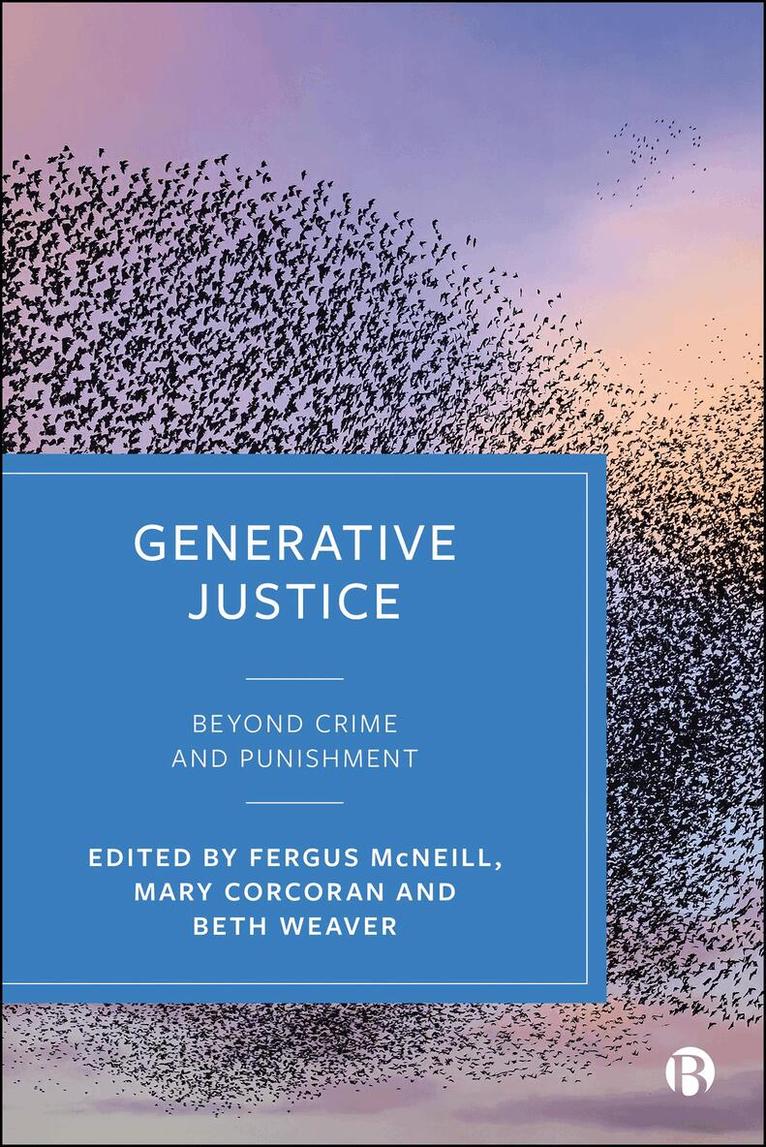
Generative Justice
Beyond Crime and Punishment
Av Fergus McNeill, Mary Corcoran m. fl.
Häftad, 2027
370 kr
Kommande
This edited collection explores the concept of Generative Justice and how it might help us reimagine conventional responses to crime and state punishment. With case studies from the Global North and South, it offers insights into how, within different cultural contexts, justice-involved people find …