Bharat R. Sharma - Böcker
Visar alla böcker från författaren Bharat R. Sharma. Handla med fri frakt och snabb leverans.
4 produkter
4 produkter
617 kr
Skickas inom 10-15 vardagar
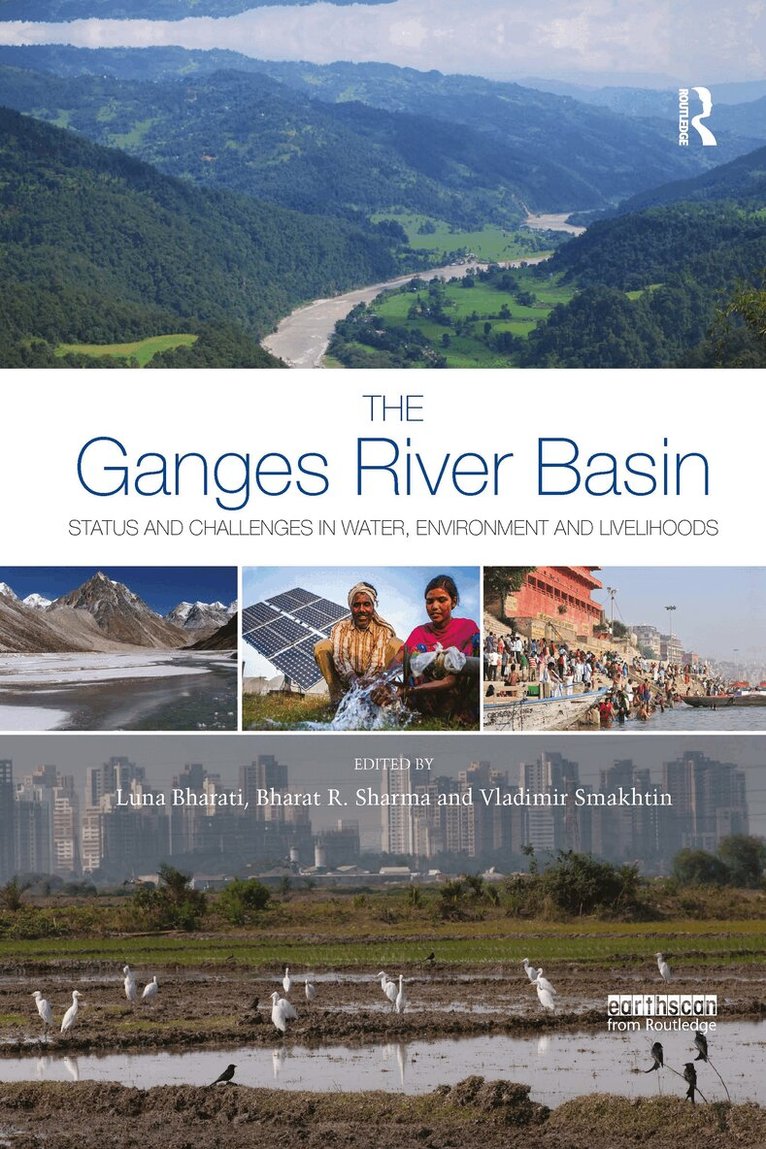
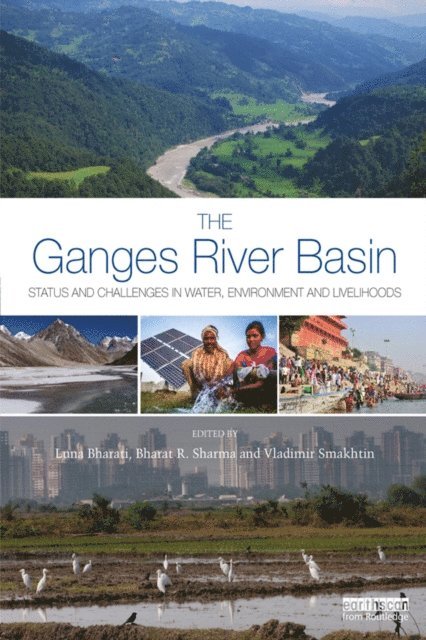
The Ganges is one of the most complex yet fascinating river systems in the world. The basin is characterized by a high degree of heterogeneity from climatic, hydrological, geomorphological, cultural, environmental and socio-economic perspectives. More than 500 million people are directly or indirectly dependent upon the Ganges River Basin, which spans China, Nepal, India and Bangladesh. While there are many books covering one aspect of the Ganges, ranging from hydrology to cultural significance, this book is unique in presenting a comprehensive inter-disciplinary overview of the key issues and challenges facing the region. Contributors from the three main riparian nations assess the status and trends of water resources, including the Himalayas, groundwater, pollution, floods, drought and climate change. They describe livelihood systems in the basin, and the social, economic, geopolitical and institutional constraints, including transboundary disputes, to achieving productive, sustainable and equitable water access. Management of the main water-use sectors and their inter-linkages are reviewed, as well as the sustainability and trade-offs in conservation of natural systems and resource development such as for hydropower or agriculture.
Groundwater Governance in the Indo-Gangetic and Yellow River Basins
Realities and Challenges
Inbunden, Engelska, 2009
3 161 kr
Skickas inom 7-10 vardagar
One of the key features of agricultural development in the last five decades has been intensive groundwater use in the Indo-Gangetic Basin (Pakistan, India, Nepal and Bangladesh) and in the Yellow River Basin (China). Groundwater irrigates almost 60% of the net irrigated area in South Asia and 70% in the north China plains. Groundwater use for agriculture is still increasing. Despite the growing significance of groundwater to agricultural growth, food security and rural livelihoods globally, and at the same time significant signs of limitations and constraints for further use, knowledge of the subject has remained limited. The subject includes the wider issues of socioeconomic impacts, political economy, groundwater institutions, access to other resources like energy and land, approaches to resource governance and management and specifically integrating evidence-based science into management decisions.This book addresses these information shortfalls and provides a consolidated and cross-disciplinary source of information and documentation of realities and challenges of contemporary agricultural groundwater use and management in poverty-prone areas of Asia. It draws on primary data collected in the course of an innovative, cross-coordinated and inter-disciplinary fieldwork programme, covering those regions in Asia that significantly depend on groundwater for agricultural livelihoods. This work is essential reading for hydrogeologists, socio-economists, agro-economists and water managers working in poor countries. Donors and implementers, both government and NGO, will also learn from the experiences described in this book.
Groundwater Governance in the Indo-Gangetic and Yellow River Basins
Realities and Challenges
Häftad, Engelska, 2017
1 105 kr
Skickas inom 10-15 vardagar
One of the key features of agricultural development in the last five decades has been intensive groundwater use in the Indo-Gangetic Basin (Pakistan, India, Nepal and Bangladesh) and in the Yellow River Basin (China). Groundwater irrigates almost 60% of the net irrigated area in South Asia and 70% in the north China plains. Groundwater use for agriculture is still increasing. Despite the growing significance of groundwater to agricultural growth, food security and rural livelihoods globally, and at the same time significant signs of limitations and constraints for further use, knowledge of the subject has remained limited. The subject includes the wider issues of socioeconomic impacts, political economy, groundwater institutions, access to other resources like energy and land, approaches to resource governance and management and specifically integrating evidence-based science into management decisions.This book addresses these information shortfalls and provides a consolidated and cross-disciplinary source of information and documentation of realities and challenges of contemporary agricultural groundwater use and management in poverty-prone areas of Asia. It draws on primary data collected in the course of an innovative, cross-coordinated and inter-disciplinary fieldwork programme, covering those regions in Asia that significantly depend on groundwater for agricultural livelihoods. This work is essential reading for hydrogeologists, socio-economists, agro-economists and water managers working in poor countries. Donors and implementers, both government and NGO, will also learn from the experiences described in this book.
Ganges River Basin
Status and Challenges in Water, Environment and Livelihoods
Inbunden, Engelska, 2016
2 155 kr
Skickas inom 10-15 vardagar
The Ganges is one of the most complex yet fascinating river systems in the world. The basin is characterized by a high degree of heterogeneity from climatic, hydrological, geomorphological, cultural, environmental and socio-economic perspectives. More than 500 million people are directly or indirectly dependent upon the Ganges River Basin, which spans China, Nepal, India and Bangladesh. While there are many books covering one aspect of the Ganges, ranging from hydrology to cultural significance, this book is unique in presenting a comprehensive inter-disciplinary overview of the key issues and challenges facing the region. Contributors from the three main riparian nations assess the status and trends of water resources, including the Himalayas, groundwater, pollution, floods, drought and climate change. They describe livelihood systems in the basin, and the social, economic, geopolitical and institutional constraints, including transboundary disputes, to achieving productive, sustainable and equitable water access. Management of the main water-use sectors and their inter-linkages are reviewed, as well as the sustainability and trade-offs in conservation of natural systems and resource development such as for hydropower or agriculture.