Bill Whyte - Böcker
Visar alla böcker från författaren Bill Whyte. Handla med fri frakt och snabb leverans.
4 produkter
4 produkter
2 705 kr
Skickas inom 10-15 vardagar
Reducing Reoffending provides a critical overview of social work and community justice in Scotland, taking full account of recent developments. The book is divided into three comprehensive sections. Part one of the book provides a critical analysis of the challenge of reducing reoffending in Scotland and locates this challenge within its historical context. Part one also reviews the available evidence about when, how and why people stop offending; about desistance from crime. This analysis exposes not only the complexities of desistance processes, but also the many difficulties that offenders face in making the related transition. Part two of the book provides an account of the legal contexts of criminal justice social work services in Scotland analysing both the role that social work plays in the sentencing process and its role in supervising offenders in the community. The final part the book addresses questions of how the practice of supervision might be best developed so as to support desistance and reduce reoffending, though the books final conclusion is that reducing reoffending requires a much broader commitment to promoting and realising justice in the community.
576 kr
Skickas inom 10-15 vardagar
Reducing Reoffending provides a critical overview of social work and community justice in Scotland, taking full account of recent developments. The book is divided into three comprehensive sections. Part one of the book provides a critical analysis of the challenge of reducing reoffending in Scotland and locates this challenge within its historical context. Part one also reviews the available evidence about when, how and why people stop offending; about desistance from crime. This analysis exposes not only the complexities of desistance processes, but also the many difficulties that offenders face in making the related transition. Part two of the book provides an account of the legal contexts of criminal justice social work services in Scotland analysing both the role that social work plays in the sentencing process and its role in supervising offenders in the community. The final part the book addresses questions of how the practice of supervision might be best developed so as to support desistance and reduce reoffending, though the books final conclusion is that reducing reoffending requires a much broader commitment to promoting and realising justice in the community.
336 kr
Skickas inom 7-10 vardagar
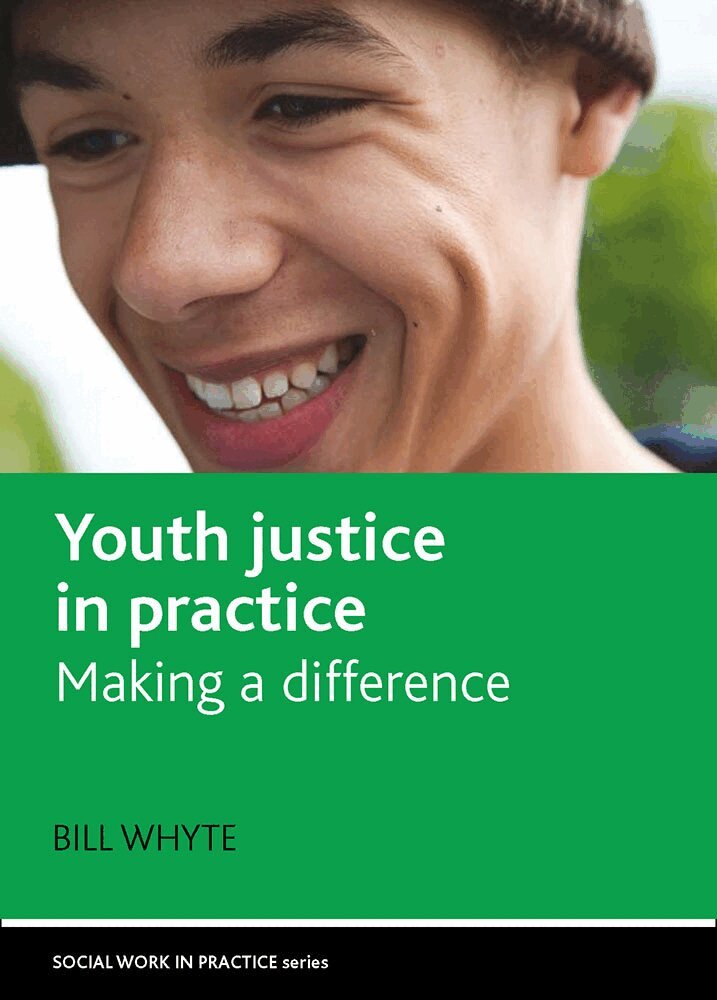
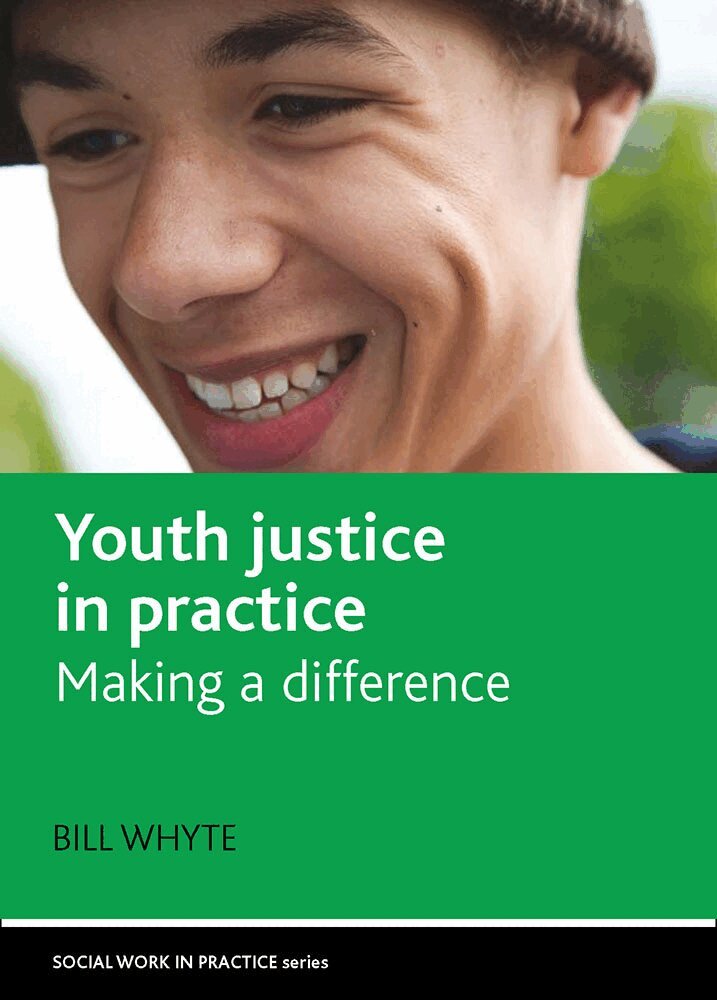
This book examines youth justice in a UK and international context, while drawing on the author's experience in Scotland to highlight the challenge facing all jurisdictions in balancing welfare and justice. It explores the impact of political ideas and influences on both the structural and practical challenges of delivering youth justice and practice initiatives including early intervention, restorative justice, structured risk assessments, intensive supervision, maintaining change over time, and practice evaluation. The theoretical framework draws on social learning theory and the tradition of socio-education/social pedagogy as reflected in the UN Convention on the Rights of the Child.This is the only book to focus specifically on the application of evidence to service delivery within youth justice. It will be an essential text for social work students undertaking university-based modules or practice-based learning in services which address youth crime and youth justice, as well as other students interested in the application of criminology and youth justice principles. It will also be valuable for practitioners involved in delivering youth justice services, including those on post-qualifying social work training courses.
1 112 kr
Skickas inom 7-10 vardagar
This book examines youth justice in a UK and international context, while drawing on the author's experience in Scotland to highlight the challenge facing all jurisdictions in balancing welfare and justice. It explores the impact of political ideas and influences on both the structural and practical challenges of delivering youth justice and practice initiatives including early intervention, restorative justice, structured risk assessments, intensive supervision, maintaining change over time, and practice evaluation. The theoretical framework draws on social learning theory and the tradition of socio-education/social pedagogy as reflected in the UN Convention on the Rights of the Child.This is the only book to focus specifically on the application of evidence to service delivery within youth justice. It will be an essential text for social work students undertaking university-based modules or practice-based learning in services which address youth crime and youth justice, as well as other students interested in the application of criminology and youth justice principles. It will also be valuable for practitioners involved in delivering youth justice services, including those on post-qualifying social work training courses.